 Pregledaj u prostoru
 Pošalji
 Podeli
 Detalji o delu

 Преузми
 Slični predmeti
 Rendgenski snimak
 Slajdovi
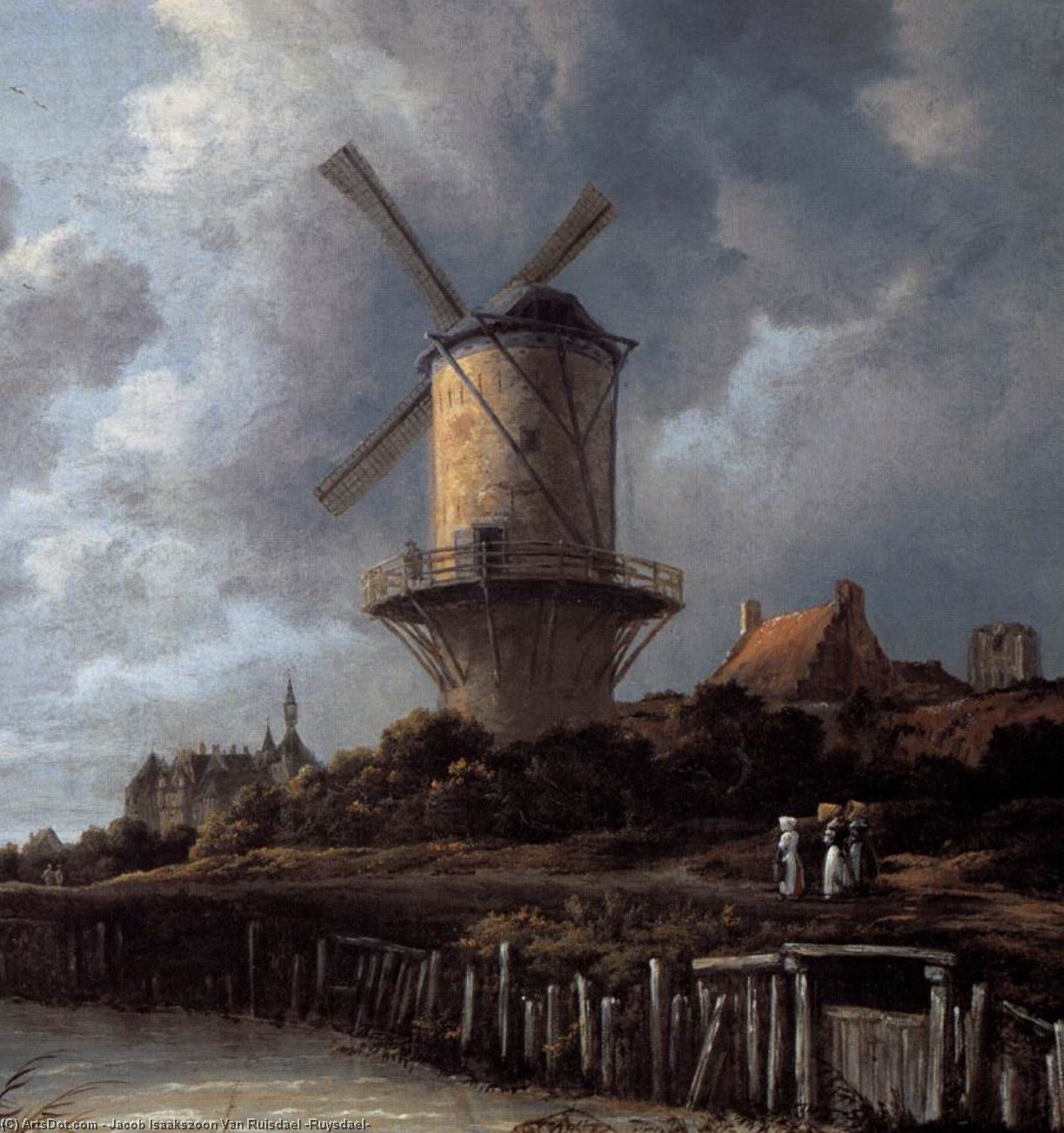
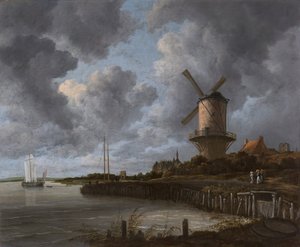
The Windmill at Wijk bij Duurstede (detail)


 Pročitaj više
Ručno rađena uljana reprodukcija
Ručno oslikano uljanim bojama na platnu u dimenzijama i okviru po vašem izboru, izrađeno po porudžbini od strane naših umetnika. ( Kupi print Kupi digitalnu sliku)




P118B $10

P118H $10

P118W $10

P438Z $10

P508JH $12

P508YH $12

P805H $10

P805Z $10

P919BZ $10

P919G $10

P919XJ $10

P959ZH $10

P968JZ $12

W106C $8

W218G $10

W218JH $8

W218Y $10

W307PJ $10

W316G $10

W316PJ $8

W316Y $10

W398PJ $8

W4111J $10

W500HY $15

W500JH $15

W692G $12

W849H $8

W940BG $15

W953PJ $8




Izaberite jednu od naših unapred definisanih veličina koje odgovaraju originalnim proporcijama umetničkog dela.

Можете унети сопствене димензије како бисте прилагодили дело одређеном оквиру или простору. Ако одабрана величина не одговара пропорцијама оригинала, слика ће бити исечена или проширена додатним елементима који се ручно насликавају. Дигитални prikaz ће вам бити послат на одобрење пре почетка производње.
Имајте на уму да преглед на екрану не одражава стварно исецање или проширење. Само приказ (mockup) ће тачно приказати коначну композицију.
Иако су доступне прилагођене величине, препоручујемо да одаберете димензију из дефинисане листе како бисте сачували оригиналне пропорције.
Nakon narudžbine, tim ArtsDot.com će klijentu putem e-pošte poslati uputstva i dostaviti prikaz predloženog rešenja
Isporuka širom sveta () za 3/4 nedelje umesto uobičajenih 5 nedelja. (24 август). Bez kompromisa po pitanju kvaliteta.

Besplatna ekspresna dostava širom sveta

Visokokvalitetno laneno platno

Kompletno osiguranje transporta

Garancija povraćaja carine i uvoznih dažbina

Garancija vernosti boja

Politika povrata u roku od 60 dana (samo u slučaju nedostataka)

Garancija povrata novca od 100%

Popust pri grupnoj kupovini
 Opcija sa staklom dostupna je samo za dimenzije manje od 110 cm

The Windmill at Wijk bij Duurstede (detail)
Tehnika reprodukcije
Dimenzije reprodukcije
-


Konačna cena
$ 288
Opis umetničkog dela
The Windmill at Wijk bij Duurstede: A Dutch Masterpiece of Light and Atmosphere
Jacob Isaackszoon van Ruysdael’s “The Windmill at Wijk bij Duurstede” isn't merely a depiction of a rural scene; it’s a profound meditation on light, space, and the enduring spirit of the Netherlands. Painted around 1670 during the height of the Dutch Golden Age, this iconic work transcends its subject matter to become a timeless emblem of tranquility, industry, and the subtle beauty of the natural world. It's a painting that invites contemplation, drawing the viewer into a meticulously crafted landscape brimming with quiet drama.
The scene unfolds in the small village of Wijk bij Duurstede, nestled along the banks of the River Lek. Dominating the composition is the windmill itself – not a fantastical, towering structure, but a sturdy, practical machine, its sails gracefully angled against a dramatic sky. Ruysdael masterfully captures the essence of this working landmark, imbuing it with a sense of both strength and vulnerability. The surrounding landscape—a patchwork of fields, modest buildings, and a winding river—provides a grounding counterpoint to the windmill’s imposing presence. The inclusion of a small group of figures – likely villagers engaged in daily life – adds a touch of human scale to the vastness of the scene, reminding us of our connection to this timeless landscape.
A Symphony of Light and Shadow: Ruysdael's Technique
Ruysdael’s genius lies not just in his subject matter but also in his extraordinary command of light and shadow. He employs a technique known as *chiaroscuro*, dramatically contrasting areas of intense brightness with deep, enveloping darkness. This isn’t simply an aesthetic choice; it's integral to the painting’s emotional impact. The strong directional lighting casts long shadows that define the forms of the windmill, buildings, and trees, creating a palpable sense of depth and volume. The sky, rendered in layers of muted blues and grays, seems to press down upon the landscape, adding to the overall feeling of atmospheric drama.
His brushwork is remarkably smooth and controlled, yet subtly textured – a testament to years of experience. The application of paint is meticulous, building up tones gradually to achieve remarkable realism. The artist’s use of perspective is particularly noteworthy; he skillfully employs aerial perspective—making distant elements appear paler and less distinct—to create the illusion of vast space. This technique draws the eye into the scene, inviting us to lose ourselves in the details of the landscape.
Symbolism and Historical Context
The windmill itself is a potent symbol within Dutch culture – representing industry, innovation, and the nation’s pioneering spirit. It embodies the pragmatic ingenuity that defined the Netherlands during this period of remarkable economic growth and maritime dominance. Ruysdael's choice to depict a working windmill speaks volumes about his understanding of the rural landscape and its vital role in the country’s prosperity.
Painted during the Dutch Golden Age (roughly 1600-1700), “The Windmill at Wijk bij Duurstede” reflects the era's fascination with realism and its celebration of everyday life. Dutch artists, influenced by Renaissance masters like Leonardo da Vinci and Caravaggio, sought to capture the world as they saw it—with meticulous detail and a profound appreciation for light and color. The painting’s enduring popularity is a testament to Ruysdael’s ability to distill this complex cultural moment into a single, unforgettable image.
A Legacy of Tranquility: Emotional Impact
Despite the dramatic lighting and atmospheric intensity, “The Windmill at Wijk bij Duurstede” evokes a profound sense of tranquility. The painting's muted palette, combined with its carefully composed elements, creates a mood of quiet contemplation—a welcome respite from the bustle of modern life. There’s an underlying melancholy too, perhaps reflecting the fleeting nature of beauty and the inevitable passage of time.
Ruysdael’s masterpiece continues to resonate with viewers today because it speaks to something fundamental about the human experience: our connection to the natural world, our appreciation for simple pleasures, and our enduring fascination with light and shadow. It is a painting that invites us to slow down, breathe deeply, and simply *be* present in the moment—a timeless reminder of the beauty and serenity that can be found in even the most humble of landscapes.
Srodna umetnička dela

Biografija umetnika
Rani život i formiranje umetnika
Јакоб Исаксзон ван Рујсдаел, име које одјекује у свету сликарства као синоним за Холандско златно доба, рођен је 1628. године у Хаарлему, Холандија. У време велике економске моћи и културног препорода, Рујсдаел се од малих дана окренуо свету природе, који ће касније постати главна тема његовог опуса. Иако детаљи о његовом раном школовању нису у потпуности познати, претпоставља се да је учио код локалних мајстора, развијајући вештину цртања и сликања пејзажа. Већ од 1646. године, почиње да ствара импресивне призоре холандске провинције, постављајући темеље за свој будући успех.
Уметнички стил и карактеристике дела
Рујсдаелов рад се одликује изузетном разностраношћу и плодним стваралаштвом. Његови пејзажи нису само реалистичне репродукције природе, већ су прожети дубоким емоцијама и симболизмом. Од 1646. године, сликао је прелепе сцене холандског села, које су касније добиле херојскији карактер након његовог путовања у Немачку 1650. године. Како се селио и радио у Амстердаму, његова дела су постала све сложенијих композиција, често са небом које заузима две трећине платна. Ово је био карактеристичан елемент његовог стила – драматично небо које одражава променљиве расположења природе и човекове емоције.
Мајсторство светлости, композиције и значајни радови
Рујсдаел је био изузетан мајстор светла и композиције. У његовим делима, светлост игра кључну улогу, обликујући облик, стварајући атмосферу и наглашавајући детаље. Његова способност да пренесе дубину и перспективу била је изузетна за то време. Међу његовим најпознатијим радовима су:
- Водопад у каменитом и планинском пејзажу, где демонстрира своје мајсторство светлости и композиције, стварајући драматичну и импресивну сцену.
- Поглед на Хаарлем са просторима за бељење веша, који је пример његове способности да ухвати суштину холандског пејзажа, преносећи осећај мира и хармоније.
- Поглед на Дам и Дамрак у Амстердаму, где показује своју вештину у сликању градских призора, детаљно реконструишући атмосферу прометног града.
Утицај и наслеђе
Рујсдаелов утицај на традицију пејзажног сликарства је огроман. Његов рад је инспирисао генерације сликара, укључујући енглеске романтичаре, барбизонску школу у Француској и представнике школе реке Хадсон у Сједињеним Државама. Он је отворио пут новим начинима визуелизације природе, наглашавајући њену лепоту, моћ и духовну димензију. Његова дела су данас изложена у престижним музејима широм света, укључујући Националну галерију у Лондону, Ријксмузеум у Амстердаму и Ермитаж у Санкт Петербургу.
Рујсдаел је умро 1682. године у Амстердаму, оставивши за собом богато наслеђе које наставља да инспирише и одушевљава љубитеље уметности широм света. Он је био истински мајстор пејзажа, који је успео да пренесе лепоту и дубоку емоцију природе кроз своје импресивне радове.
Јакоб Исаксзон Ван Рујсдаел
1628 - 1682 , Холандија
Osnovne informacije
- Artistic Movement Or Style: Zlatno doba holandske umetnosti
- Artists Or Movements Influenced By This Artist: ['Engleski Romantizam']
- Artists Who Influenced This Artist: ['Hendrick Vroom']
- Date Of Birth: 1628, Haarlem
- Date Of Death: 1682, Amsterdam
- Full Name: Jacob Isaackszoon van Ruisdael
- Nationality: Holanđanin
- Notable Artworks:
- Pogled na Haarlem
- Vodopad u planinama
- Amsterdam - Damrak
- Place Of Birth (City And Country): Haarlem, Holandija
Povezani članci

Zlatno doba Holandske umetnosti: Top 10 remek dela za vaš dom
Otkrijte remek dela Holandskog zlatnog doba! Uronite u svet Rembrandta, Vermeera i drugih majstora. 10 ikoničnih slika koje su definisale umetnost. Inspiracija za vaš dom i kolekciju - ekskluzivne reprodukcije na ArtsDot.com!
Golden Light & Dutch Skies: Bringing the Magic of Dutch Golden Age Landscapes into Your Home
Transform your home with the breathtaking light of Dutch Golden Age landscapes. Discover how hand-painted oil reproductions of masterworks like Ruisdael and Vermeer bring timeless elegance, atmosphere, and soulful texture to modern interiors. Elevate your space with museum-quality art.
Charles Leickert: Capturing the Dutch Golden Age Light – A Comprehensive Study of Technique, Context, and Legacy
Explore the captivating winter landscapes of Charles Leickert, a master of Dutch Golden Age light & atmosphere. Discover his techniques, symbolism, and lasting legacy – a comprehensive study for art enthusiasts and collectors.
Nicolaes Berchem: Dutch Golden Age Pastoralism & the Evolution of Landscape Painting
Explore the captivating world of Nicolaes Berchem, a leading Dutch Golden Age painter. Discover his idyllic landscapes, masterful technique & lasting influence on art history. Learn more at ArtsDot.

Golden Age Reflections: Dutch Baroque Painting & Cultural Innovation
Explore the Dutch Golden Age of painting! Discover key artists like Vermeer & ter Borch, their innovative techniques, and the rich cultural context behind these Baroque masterpieces. Learn about collecting & appreciating this iconic art period.