

 Pregledaj u prostoru
 Pošalji
 Podeli
 Detalji o delu

 Преузми
 Slični predmeti
 Rendgenski snimak
 Slajdovi
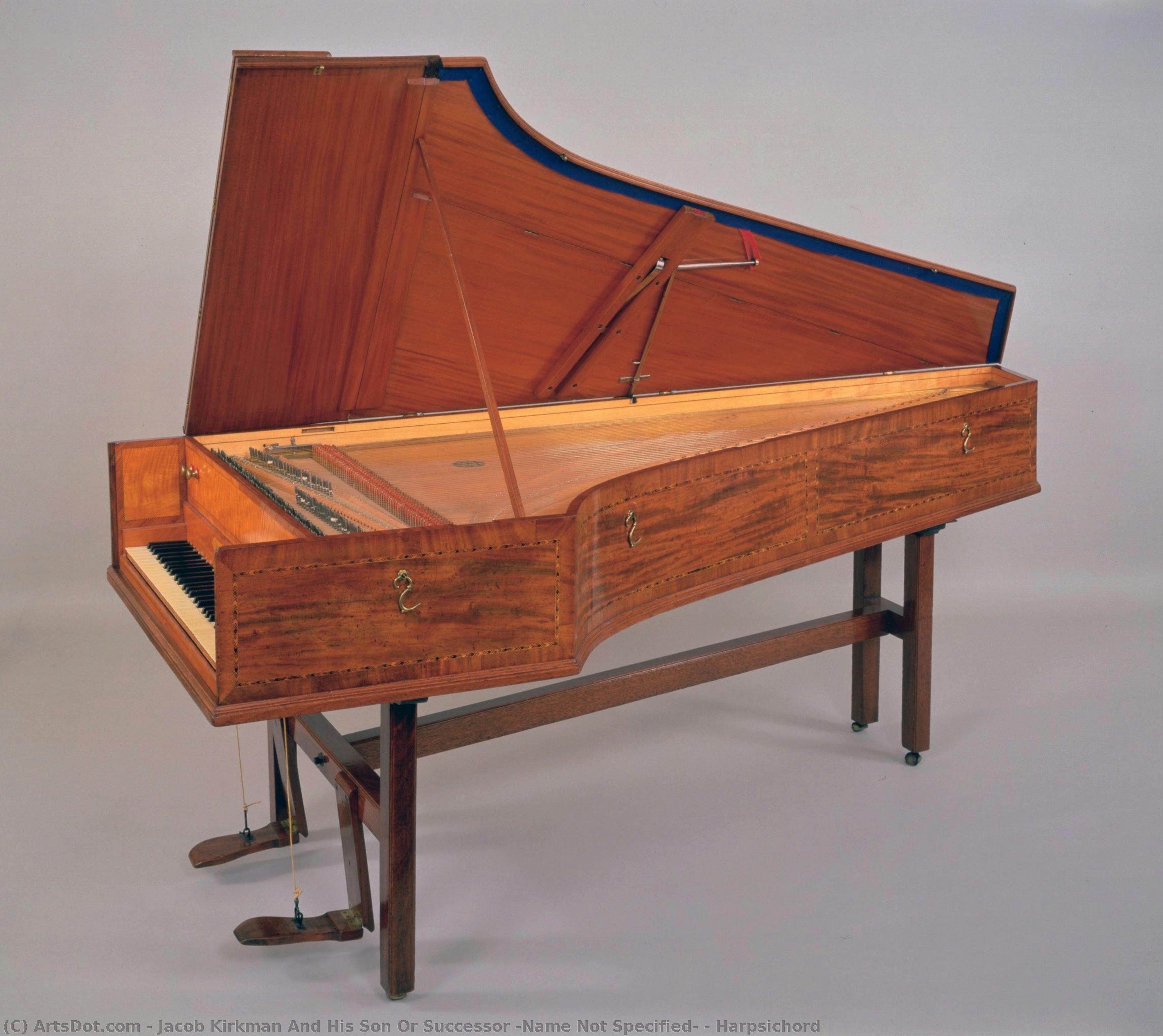
Harpsichord

 Pročitaj više
Kupite digitalnu sliku visoke rezolucije i poboljšanog kvaliteta, koja je znatno superiornija od onoga što vidite u online prikazu.
Svaka datoteka je pedantno pripremljena od strane naših stručnjaka koristeći napredne alate i profesionalnu ručnu retušu. Osiguravamo da svaka slika ima izuzetnu oštrinu, preciznu reprodukciju boja i fine detalje.
Konačna datoteka se dostavlja putem e-pošte u roku od 72 sata, optimizovana za neposrednu upotrebu u profesionalnim, izdavačkim i štamparskim okruženjima. To je isti kvalitet kojem veruju vrhunski studiji dizajna, izdavači i galerije.
Digitalna slika
Preuzmite datoteku visoke rezolucije za ličnu upotrebu, štampanje i kreativne projekte. ( Kupi print Kupi ručno naslikanu sliku)
Uključeno uz svaku porudžbinu digitalne slike
Profesionalna digitalna isporuka, zagarantovana
Kada odaberete ArtsDot.com, ne dobijate samo sliku – vi primate profesionalno unapređeno digitalno umetničko delo, izrađeno sa najvećom preciznošću i uz garanciju zadovoljstva. Evo svega što automatski dolazi uz vašu porudžbinu:

Brza dostava putem e-pošte
Vaša digitalna slika visoke rezolucije biće vam poslata putem e-pošte u roku od 72 sata od poručivanja – spremna za trenutnu upotrebu.

Digitalna datoteka unapređena veštačkom inteligencijom
Vaše umetničko delo je profesionalno optimizovano korišćenjem naprednih AI alata i ručne obrade, čime se osiguravaju maksimalni detalji, oštrina i preciznost boja.

Besplatna ponovna isporuka doživotno
Slučajno ste obrisali ili izgubili svoju datoteku? Ne brinite – poslaćemo vam je ponovo u bilo kom trenutku, potpuno besplatno.

Bez troškova uvoza – zauvek
Uživajte u svojim umetničkim delima trenutno, bez carine, dažbina ili troškova dostave – digitalni download je uvek bez poreza.

Garancija vernosti boja
Uz pomoć profesionalnih alata i upravljanja bojama, osiguravamo da vaša digitalna slika što vernije odražava originalne boje.

Garancija zadovoljstva u roku od 60 dana
Ako niste zadovoljni svojom digitalnom slikom, revidirat ćemo je ili vratiti 100% novca u roku od 60 dana – bez ikakvih pitanja.

100% garancija povrata novca
Niste zadovoljni? Obezbedite pun povrat novca u roku od 60 dana od trenutka kada ste primili svoju digitalnu datoteku – bez suvišnih pitanja.

Popusti na velike porudžbine
Kupite 3 slike, uštedite 10% - Kupite 5 slika, uštedite 15% - Kupite 10+ slika, uštedite 20%. Odlično za kreativne projekte, galerije i agencije.
Srodna umetnička dela










Biografija umetnika
Jacob Kirkman: The Alsatian Artisan Who Shaped English Harpsichord
Born in Bischweiler, Alsace – a region steeped in musical tradition – Jacob Kirkman’s journey to becoming one of England's most celebrated harpsichord makers is a testament to ambition, skill, and the enduring legacy of craftsmanship. His life story intertwines with the burgeoning musical landscape of 18th-century London, where he established himself as a master instrument builder, ultimately serving Queen Charlotte herself. Kirkman’s influence extended far beyond his own lifetime, shaping the evolution of English harpsichord design and contributing significantly to the nation's rich musical heritage.
Kirkman’s early life remains somewhat shrouded in mystery, but it is known that he began as a cabinetmaker – a practical foundation that undoubtedly informed his meticulous attention to detail and mastery of materials. Around the early 1730s, seeking opportunity, he traveled to England, immersing himself in the work of an obscure Flemish harpsichord maker. This apprenticeship proved crucial, providing him with the foundational knowledge of instrument construction necessary for his future success. He quickly distinguished himself through his technical skill and artistic sensibility, eventually securing a position as harpsichord maker to Queen Charlotte in 1763 – a remarkable achievement that cemented his reputation within the highest echelons of British society.
The Kirkman Family Legacy: A Dynasty of Instrument Makers
Kirkman’s story is inextricably linked to that of his family. He wasn't a solitary genius, but rather part of a thriving lineage of instrument makers – a dynasty known as the Kirckmans (or Kirchmanns). His nephew, Abraham Kirkman, joined him in partnership around 1772, and later, Abraham’s son Joseph continued the family tradition. This collaborative environment fostered innovation and ensured the continuation of their distinctive style. The Kirkman firm became renowned for producing a significant number of harpsichords during this period, rivaling the output of other prominent makers like Burkat Shudi.
The Kirkman family’s approach to instrument building was deeply rooted in the traditions of the Low Countries – specifically, the intricate designs and techniques developed by Flemish master craftsmen. They adopted the Ruckers-type harpsichord construction, characterized by its robust frame, sophisticated action, and elegant soundboard. However, the Kirkmans quickly adapted these influences to create a uniquely English style, incorporating distinctive features such as elaborate veneering, exquisite marquetry, and intricate inlay work on the keywell – the area surrounding the keyboard.
A Distinctive Style: Inlay, Marquetry, and the Evolution of Design
What truly set Kirkman’s harpsichords apart was their exceptional aesthetic quality. The family's artisans were celebrated for their mastery of inlay and marquetry, transforming the instruments into miniature works of art. The keywells, in particular, were often adorned with stunning floral patterns, geometric designs, and elaborate scenes – showcasing a remarkable level of skill and attention to detail. These decorative elements weren’t merely superficial; they contributed significantly to the instrument's overall sound quality by subtly altering the resonance within the case.
The Kirkman firm developed three distinct models of harpsichord: single-manual instruments with eight-foot and four-foot ranges, as well as double-manual instruments offering expanded tonal possibilities. A notable innovation was the introduction of a “buff stop,” a mechanism that allowed the player to briefly amplify the sound of certain notes – a feature highly valued by musicians at the time. The Kirkmans also experimented with the ‘machine stop’, which muted the strings, allowing for practice without disturbing neighbors.
Legacy and Historical Significance
Jacob Kirkman’s impact on English harpsichord making is undeniable. His instruments were prized by royalty, nobility, and musicians alike, contributing significantly to the development of musical performance in England during the 18th century. More than a hundred Kirkman harpsichords survive today, offering invaluable insights into the craftsmanship and design trends of the period. These surviving instruments serve as tangible reminders of Kirkman’s legacy – a testament to the skill, artistry, and enduring influence of an Alsatian artisan who helped shape the soundscape of England.
Kirkman's work is frequently studied by musicologists and instrument historians, ensuring that his contributions to musical history are not forgotten. His instruments continue to be played and appreciated for their beauty, craftsmanship, and exceptional tonal qualities, solidifying his place as one of the most important figures in English harpsichord making.
jacob kirkman and his son or successor (name not specified)
1710 - 1792 , France
Kratke činjenice
- Artistic Movement Or Style: Harpsichord maker
- Date Of Birth: March 4, 1710
- Date Of Death: 1792
- Full Name: Jacob Kirkman & Son
- Nationality: English (Alsatian origin)
- Notable Artworks: ['Harpsichord 1 manual – 8’”, “Harpsichord 1 manual – 8’ – 8’ – 4’”, “Harpsichord 2 manuals – 8’ – 8’ – 4’”\n ],\n "Artists who influenced this artist": [\n "Hermann Tabel",\n "Flemish harpsichord makers"\n ],\n "Artists or movements influenced by this artist": [\n "Burkat Shudi",\n "English Harpsichord Makers"']
- Place Of Birth: Bischweiler, France

