

 Pregledaj u prostoru
 Pošalji
 Podeli
 Detalji o delu

 Преузми
 Slični predmeti
 Rendgenski snimak
 Slajdovi
 Stats
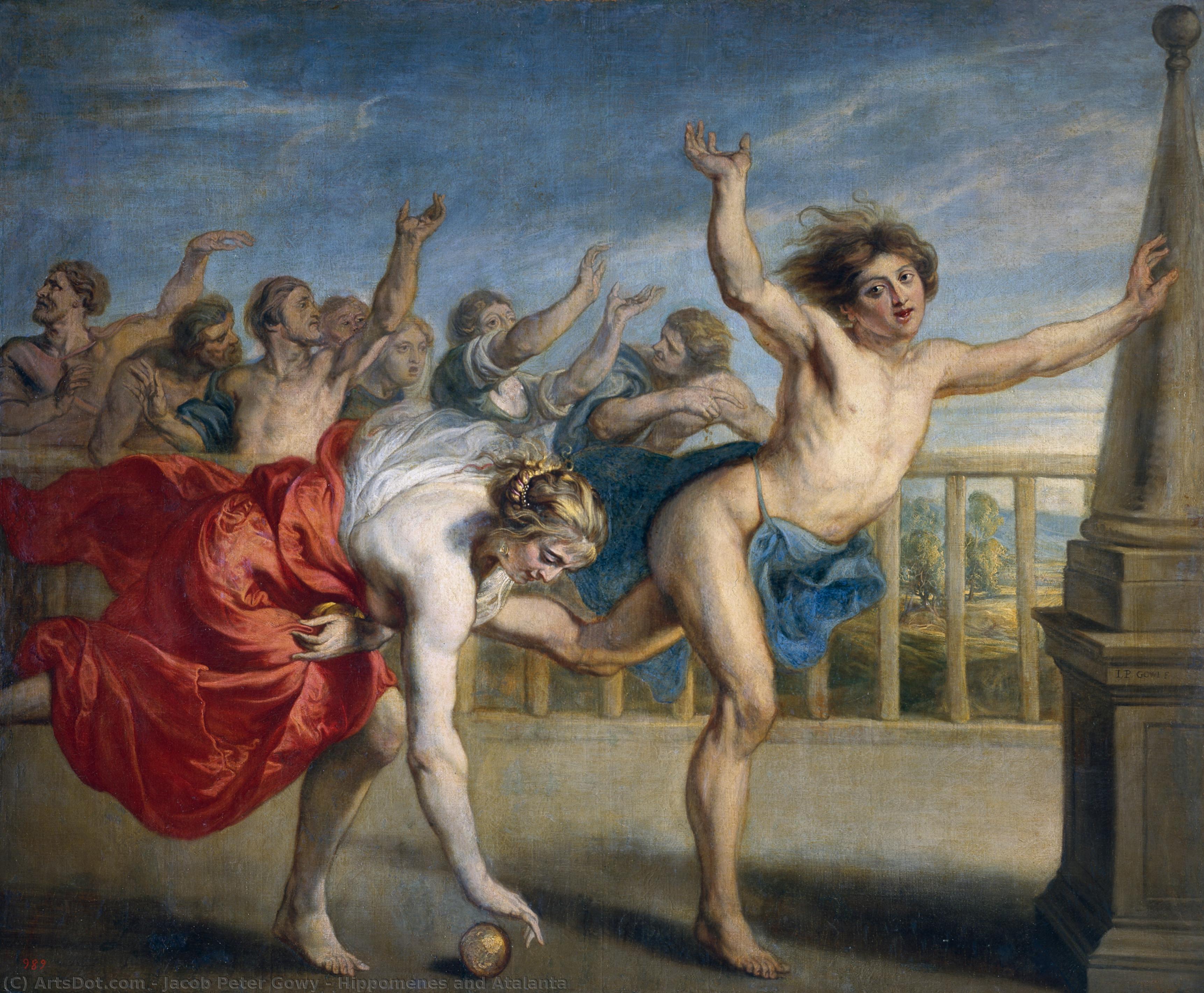
StatsHippomenes and Atalanta


 Pročitaj više
Giclee štampa / Umetnički otisak
Giclée štampa ili print na platnu muzejskog kvaliteta uz brzu proizvodnju i fleksibilne opcije završne obrade. ( Kupi ručno naslikanu sliku Switch to Digital Image)




































Izaberite jednu od naših unapred definisanih veličina koje odgovaraju originalnim proporcijama umetničkog dela.

Možete uneti sopstvene dimenzije kako biste umetničko delo prilagodili specifičnom okviru ili prostoru. Ako odabrani format ne odgovara proporcijama originalne slike, mi ćemo ili iscrtati deo dela ili proširiti sliku pomoću ogledane ivice ili jednobojnog popunjavanja. Digitalni prikaz će vam biti poslat na odobrenje pre početka proizvodnje.
Imajte na umu da pregled na ekranu ne odražava stvarno iscrtavanje ili proširivanje. Samo će prikaz (mockup) precizno pokazati finalnu kompoziciju.
Iako su prilagođene dimenzije dostupne, preporučujemo da odaberete dimenziju sa unapred definisane liste kako biste očuvali originalne proporcije.
Dostava širom sveta () za 2 nedelje umesto uobičajenih 4/5 nedelja. (8 септембар)

Besplatna ekspresna dostava širom sveta

Visokokvalitetno laneno platno

Kompletno osiguranje transporta

Garancija povraćaja carine i uvoznih dažbina

Garancija vernosti boja

Politika povraćaja u roku od 100 dana (isključivo u slučaju nedostataka)

Garancija povrata novca od 100%

Popust pri grupnoj kupovini
 Opcija sa staklom dostupna je samo za dimenzije manje od 110 cm

Hippomenes and Atalanta
Giclee štampa / Umetnički otisak
Dimenzije reprodukcije
-


Konačna cena
$ 62
Srodna umetnička dela
Biografija umetnika
A Life Shrouded in Mystery: Jacob Peter Gowy and the Dawn of Horse Portraiture
The Flemish Baroque period, a time of dramatic chiaroscuro, opulent detail, and profound religious fervor, produced a wealth of artistic talent. Among these figures stands Jacob Peter Gouwy – or Gowy, as he is sometimes known – an artist whose life remains remarkably elusive despite his significant contributions to history painting and, most notably, the burgeoning genre of equestrian portraiture. Born around 1610 in Antwerp, Belgium, Gowy emerged from a milieu steeped in artistic tradition, yet his personal story is fragmented, pieced together from guild records, collaborative projects, and the few surviving works attributed to him. He was a disciple of Paul van Overbeeck, absorbing the established techniques of the Antwerp school before embarking on a career that would see him briefly collaborate with the towering figure of Peter Paul Rubens and venture across the English Channel in search of patronage.Early Training and Collaboration with Rubens
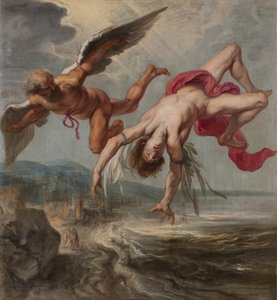
Gowy’s artistic journey began within the structured environment of the Antwerp Guild of Saint Luke, where he registered as an apprentice in 1632-33. By 1636-37, he had attained the status of master, signifying a level of skill and independence recognized by his peers. This period coincided with a particularly ambitious commission undertaken by Rubens for King Philip IV of Spain – a series of mythological paintings intended to adorn the Torre de la Parada hunting lodge near Madrid. The scale of this project necessitated collaboration, and Gowy found himself among a cohort of talented artists assisting Rubens in realizing his grand vision. Working from designs provided by the master, Gowy contributed canvases depicting scenes such as *The Fall of Icarus* and *Hippomenes and Atalanta*, now housed in the Museo del Prado. These works reveal a meticulous hand and an ability to translate Rubens’ compositions with fidelity, though subtle modifications suggest a developing personal style. The experience undoubtedly honed Gowy's technical skills and exposed him to the highest standards of Baroque painting.A Sojourn in England: Portraits and Pioneering Equestrian Art
The details surrounding Gowy’s time in England remain somewhat obscure; the exact dates of his travels are unknown. However, it is during this period that he established himself as a portrait painter, catering to the tastes of the English aristocracy. While many portraits from this era have been lost or misattributed, those that survive offer glimpses into Gowy’s evolving aesthetic. He appears to have favored a style influenced by Anthony van Dyck, characterized by refined elegance and psychological depth. However, it was in England that Gowy truly distinguished himself, becoming one of the earliest practitioners of equestrian portraiture – paintings dedicated solely to depicting horses. Prior to his work, depictions of horses were largely confined to hunting scenes or allegorical compositions. Gowy’s 1647 painting of the Marquess of Worcester's dappled grey stallion stands as a landmark achievement, capturing not only the animal’s physical likeness but also its power and nobility. This marked a shift in artistic focus, elevating the horse from a mere subject to a worthy protagonist deserving of individual attention.Later Life and Legacy
The final chapter of Gowy's life is shrouded in even greater mystery. Some sources suggest he returned to Antwerp and entered religious orders, serving as a priest at the St Walburga Church. The exact circumstances surrounding his death remain unknown; it is believed he passed away sometime after 1644 but before 1664. Despite the limited documentation of his life, Gowy’s artistic legacy endures. His collaboration with Rubens cemented his place within the Flemish Baroque tradition, and his pioneering work in equestrian portraiture laid the foundation for a genre that would flourish in subsequent centuries. He represents a fascinating figure – an artist whose talent bridged the gap between established masters and emerging trends, leaving behind a small but significant body of work that continues to captivate and inspire. His contribution is not merely as a skilled painter, but as a visionary who recognized the inherent beauty and dignity of the horse, elevating it to a subject worthy of artistic celebration.The Enduring Appeal of Gowy’s Work
- Technical Mastery: Gowy demonstrated exceptional skill in oil painting, evident in his meticulous attention to detail and ability to capture realistic textures and forms.
- Collaborative Spirit: His work with Rubens highlights his capacity for collaboration and adaptation, while also revealing a developing personal style.
- Pioneering Genre: Gowy’s equestrian portraits were groundbreaking in their focus on the horse as an individual subject, establishing a new artistic tradition.
- Influence of Van Dyck: His English portraiture reflects the elegance and psychological depth characteristic of Anthony van Dyck's work.
jacob peter gowy
Belgium
Osnovne informacije
- Artistic Movement Or Style: Baroque
- Artists Who Influenced This Artist:
- Paul van Overbeeck
- Peter Paul Rubens
- Date Of Birth: c. 1610
- Date Of Death: after 1644
- Full Name: Jacob Peter Gowy
- Nationality: Flemish
- Notable Artworks:
- The Fall of Icarus
- Hippomenes and Atalanta
- Place Of Birth: Antwerp, Belgium