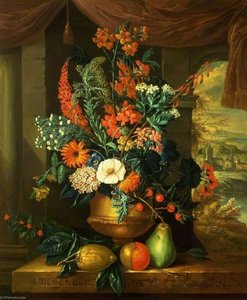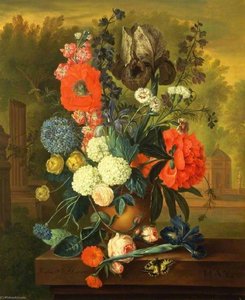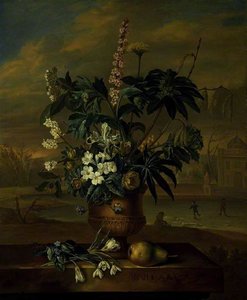
 Pregledaj u prostoru
 Pošalji
 Podeli
 Detalji o delu

 Преузми
 Slični predmeti
 Rendgenski snimak
 Slajdovi
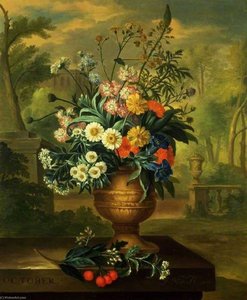
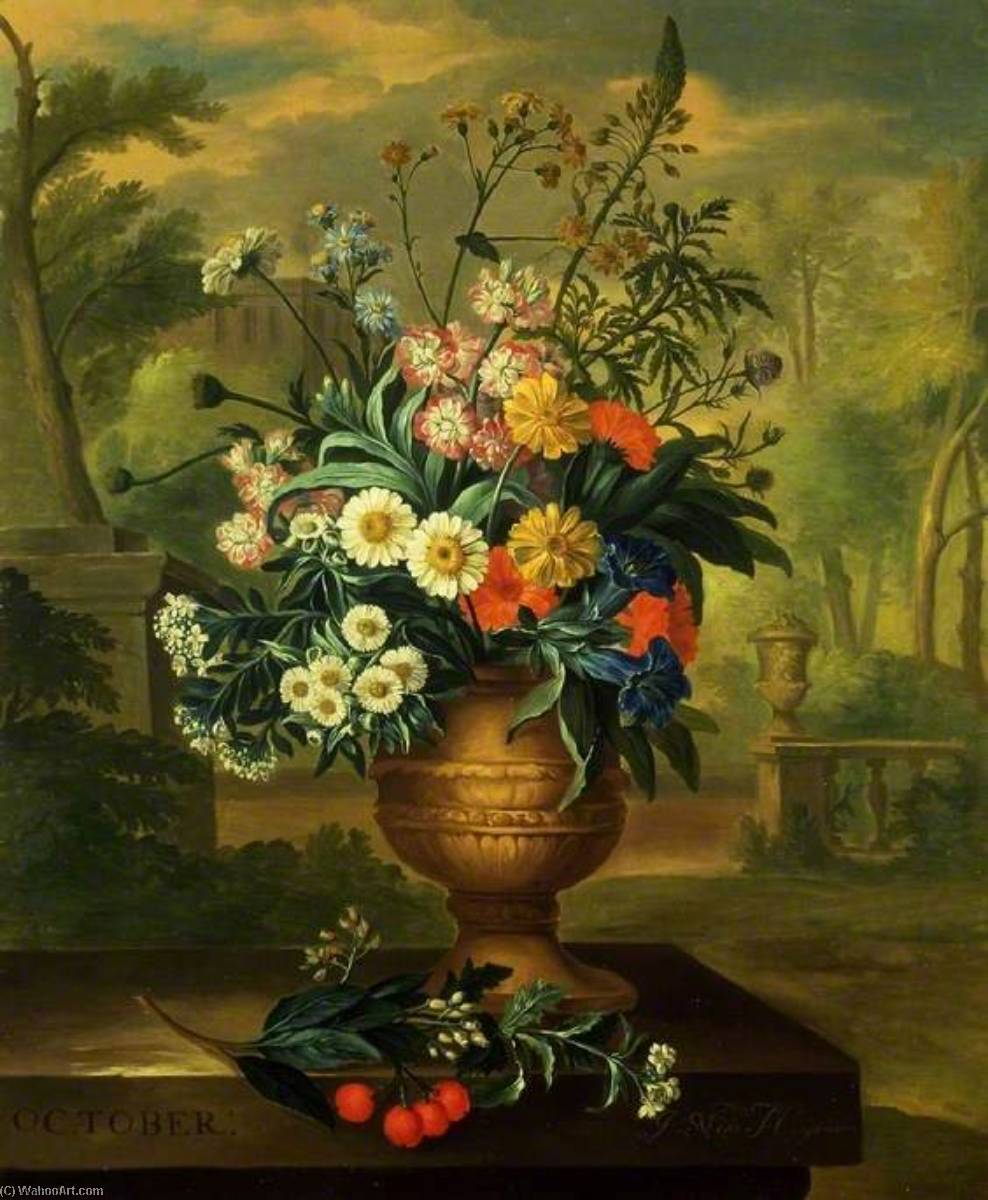
Двенадцать месяцев цветов Октябрь


 Pročitaj više
Ručno rađena uljana reprodukcija
Ručno oslikano uljanim bojama na platnu u dimenzijama i okviru po vašem izboru, izrađeno po porudžbini od strane naših umetnika. ( Kupi print Kupi digitalnu sliku)




P118B $10

P118H $10

P118W $10

P438Z $10

P508JH $12

P508YH $12

P805H $10

P805Z $10

P919BZ $10

P919G $10

P919XJ $10

P959ZH $10

P968JZ $12

W106C $8

W218G $10

W218JH $8

W218Y $10

W307PJ $10

W316G $10

W316PJ $8

W316Y $10

W398PJ $8

W4111J $10

W500HY $15

W500JH $15

W692G $12

W849H $8

W940BG $15

W953PJ $8




Izaberite jednu od naših unapred definisanih veličina koje odgovaraju originalnim proporcijama umetničkog dela.

Можете унети сопствене димензије како бисте прилагодили дело одређеном оквиру или простору. Ако одабрана величина не одговара пропорцијама оригинала, слика ће бити исечена или проширена додатним елементима који се ручно насликавају. Дигитални prikaz ће вам бити послат на одобрење пре почетка производње.
Имајте на уму да преглед на екрану не одражава стварно исецање или проширење. Само приказ (mockup) ће тачно приказати коначну композицију.
Иако су доступне прилагођене величине, препоручујемо да одаберете димензију из дефинисане листе како бисте сачували оригиналне пропорције.
Nakon narudžbine, tim ArtsDot.com će klijentu putem e-pošte poslati uputstva i dostaviti prikaz predloženog rešenja
Isporuka širom sveta () za 3/4 nedelje umesto uobičajenih 5 nedelja. (25 август). Bez kompromisa po pitanju kvaliteta.

Besplatna ekspresna dostava širom sveta

Visokokvalitetno laneno platno

Kompletno osiguranje transporta

Garancija povraćaja carine i uvoznih dažbina

Garancija vernosti boja

Politika povrata u roku od 60 dana (samo u slučaju nedostataka)

Garancija povrata novca od 100%

Popust pri grupnoj kupovini
 Opcija sa staklom dostupna je samo za dimenzije manje od 110 cm

Двенадцать месяцев цветов Октябрь
Tehnika reprodukcije
Dimenzije reprodukcije
-


Konačna cena
$ 263
Opis umetničkog dela
Jacob van Huysum: Maestría Floral en la Época Dorada Holandesa
Jacob van Huysum (1687–1740) representa un punto culminante de la pintura holandesa del siglo XVIII, reconocido principalmente por sus exquisitas pinturas botánicas y su papel fundamental en la configuración del lenguaje visual de la ilustración científica. Nacido alrededor de 1688 en Ámsterdam, descendía de una línea artística profundamente arraigada en Leiden, donde su padre, Justus van Huysum, y hermano, Jan van Huysum, eran luminarias de la pintura floral, estableciendo un legado familiar que influyó significativamente en el curso de la historia del arte holandés. Esta influencia trascendió la mera imitación; Jacob absorbió magistralmente las técnicas de su hermano, forjando un estilo distintivo caracterizado por una increíble precisión y una habilidad excepcional para capturar la belleza efímera de las flores. Su obra es considerada una piedra angular del género floral barroco temprano, estableciendo nuevos estándares de detalle y realismo que siguen siendo admirados hasta nuestros días.- Vida temprana y formación artística: Aunque los detalles sobre sus años iniciales son escasos, Jacob recibió una educación artística completa bajo la guía de su padre, Justus, quien le inculcó no solo habilidades técnicas sino también un profundo amor por el mundo natural y la observación cuidadosa. Esta formación fue esencial para desarrollar su talento único y convertirlo en uno de los artistas más destacados de su época.
- Estilo distintivo: El estilo de Huysum se caracteriza por una meticulosa atención al detalle, una representación realista de las plantas y flores que desafía la comprensión común del siglo XVIII. Su habilidad para capturar la textura y el movimiento de las hojas y los pétalos es incomparable, reflejando un conocimiento profundo de la anatomía vegetal y una sensibilidad artística excepcional.
- Influencia barroca temprana: Huysum fue testigo directo del auge del Barroco temprano en Holanda, donde la pintura buscaba impresionar al espectador con grandiosidad y belleza idealizada. Esta influencia se manifiesta en sus composiciones equilibradas y armoniosas, así como en el uso de colores ricos y luminosos que evocan una sensación de majestuosidad y orden.
“Doce Meses de Flores: Octubre” – Una Obra Emblemática del Barroco Holandés
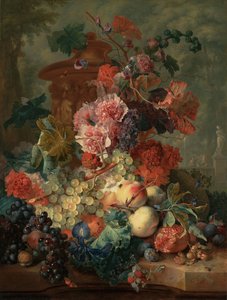
La pintura “Doce Meses de Flores: Octubre”, atribuida a Jacob van Huysum, es una obra maestra del género floral barroco temprano que ejemplifica la perfección técnica y estética de la época dorada holandesa. Esta pieza monumental, creada alrededor de 1732-1734, representa un arreglo floral exuberante en un estilo clásico, ejecutado con óleo sobre lienzo utilizando una combinación innovadora de colores y técnicas pictóricas. La composición vertical enfatiza la importancia del centro de atención: un vaso repleto de flores que domina el espacio visual, mientras que un paisaje difuminado proporciona un fondo atmosférico que refuerza la sensación de profundidad y belleza natural.- Composición y Técnica: Huysum empleó una perspectiva ligeramente plana para crear una ilusión realista del entorno exterior, utilizando capas sucesivas de pintura para lograr efectos de luz y sombra complejos que resaltan la tresdimensionalidad de los objetos y las flores. La aplicación meticulosa del óleo sobre lienzo demuestra un dominio absoluto de las técnicas pictóricas tradicionales, reflejando el compromiso del artista con la precisión científica y artística.
- Color y Luz: El uso de una paleta cromática suave dominada por tonos verdes, marrones y dorados crea una atmósfera tranquila y armoniosa que invita a contemplación estética. La iluminación difusa y uniforme proyecta sombras suaves que iluminan los objetos con precisión, añadiendo profundidad y volumen a la composición.
- Simbolismo Floral: Como en otras obras de Huysum, este arreglo floral simboliza la prosperidad, el amor y la belleza inherente al mundo natural. Estos símbolos eran particularmente relevantes en el siglo XVIII, cuando la pintura buscaba transmitir valores morales y estéticos elevados.
Más allá del Lienzo: Legado e Inspiración
“Doce Meses de Flores: Octubre” sigue siendo una fuente constante de inspiración para artistas y diseñadores contemporáneos que buscan capturar la esencia de la belleza clásica holandesa. Su meticulosa representación de las flores, combinada con una composición equilibrada y armoniosa, ofrece un modelo de excelencia artística que continúa siendo estudiado y admirado por generaciones posteriores. Esta obra maestra del Barroco temprano demuestra el poder del arte para transmitir emociones profundas y valores culturales esenciales, consolidando así el lugar de Jacob van Huysum como uno de los artistas más importantes de la historia holandesa.Srodna umetnička dela
Biografija umetnika
The Painter of Flowers: The Life and Legacy of Jacob van Huysum
In the grand tapestry of the Dutch Golden Age, few threads shine with as much delicate brilliance as the botanical works of Jacob van Huysim. A master of the ephemeral, he possessed an uncanny ability to freeze the fleeting vitality of a blossom within the permanence of oil on canvas. Born around 1688 in Amsterdam, Jacob was not merely an artist but a scion of a profound artistic dynasty. He descended from a lineage deeply rooted in the Leiden tradition, receiving his formative training under the watchful eye of his father, Justus van Huysum. This early immersion in the meticulous study of nature provided him with more than just technical skill; it instilled a scientific reverence for the natural world that would define his entire professional trajectory.
While his brother, Jan van Huysum, would also achieve immense fame, Jacob carved out a distinctive niche by blending the decorative elegance of still life with the rigorous precision of scientific illustration. His development was marked by an extraordinary command over texture and light, allowing him to render the velvety petal of a rose or the translucent dewdrop on a leaf with startling realism. This mastery was not confined to the borders of the Netherlands. Around 1721, Jacob’s journey took him to London, where his talent caught the attention of the British elite. Under the patronage of influential figures such as Sir Robert Walpole and Mr. Lockyear, he contributed to the opulent decorative schemes of legendary estates like Houghton Hall, bringing a touch of Dutch botanical splendor to the heart of English aristocracy.
A Monumental Contribution to Botanical Science
Beyond the singular beauty of his standalone canvases, Jacob van Huysum’s most enduring historical significance lies in his role as a bridge between art and science. He was a pivotal figure in shaping the visual language used to document the natural world during an era of global exploration. This is most vibrantly realized in his monumental collaboration with John Martyn on the Historia Plantarum Rariorum. This ambitious undertaking, supported by the artistry of Elisha Kirkall, produced fifty meticulously engraved plates that captured exotic flora from distant lands, including the Cape of Good Hope, North America, and Mexico.
Through this work, Jacob’s art transcended mere decoration to become a vital tool for botanical discovery. His ability to translate the complex structures of rare plants into accessible, breathtaking imagery helped fuel the scientific curiosity of the 18th century. The following elements characterize his most celebrated contributions:
- Scientific Precision: An unwavering commitment to anatomical accuracy in every stem, stamen, and leaf.
- Global Perspective: The introduction of exotic, non-European species into the European artistic consciousness.
- Technical Innovation: A sophisticated use of light and shadow that gave three-dimensional life to two-dimensional engravings.
The Eternal Bloom: Artistic Mastery and Enduring Influence
The works of Jacob van Huysum, such as his evocative Twelve Months of Flowers series, continue to captivate audiences with their rhythmic composition and vibrant palettes. Whether depicting the crisp chill of a January frost or the sun-drenched abundance of May, his paintings evoke a sense of seasonal continuity and the inexorable cycle of life. His technique—characterized by fine brushwork and an almost microscopic attention to detail—ensured that each piece functioned as both a feast for the eyes and a record of biological wonder.
Though he passed away in 1740, leaving behind a legacy intertwined with his father and brother, Jacob van Huysum remains a singular figure. He did not merely paint flowers; he celebrated the very essence of life itself. His ability to marry the aesthetic demands of the Baroque period with the burgeoning empirical spirit of the Enlightenment ensures that his work remains a cornerstone of botanical art history, inviting every viewer to pause and admire the intricate, fleeting miracles of the natural world.
Jacob van Huysum
1687 - 1740
Osnovne informacije
- Artistic Movement Or Style: Botanical painting
- Artists Or Movements Influenced By This Artist: ['William Houstoun']
- Artists Who Influenced This Artist:
- Jan van Huysum
- Georg Dionysius Ehret
- Date Of Birth: 1687
- Date Of Death: 1740
- Full Name: Jacob van Huysum
- Nationality: Dutch
- Notable Artworks:
- Virga aurea
- Abrikozen en pruimen
- Place Of Birth: Amsterdam, Netherlands
Povezani članci
Jan van Kessel the Elder: A Baroque Master of Floral Still Life & Miniature Portraiture
Discover the exquisite detail of Jan van Kessel the Elder's Baroque floral still lifes & captivating miniatures. Explore his artistic legacy, scientific precision, and lasting influence on 17th-century Flemish painting.
Blossoms of Time: A Historical & Aesthetic Exploration of Floral Painting Across Cultures
Explore the rich history of floral painting! Discover symbolism, techniques & masterpieces from Van Huysum to O'Keeffe. Expert insights for art lovers & collectors at ArtsDot.
Abraham Hendricksz van Beyeren: Pioneering Dutch Still Life & the Banquet Tradition
Explore the captivating world of Dutch Golden Age still life with Abraham van Beyeren. Discover his innovative techniques, symbolic banquet scenes & lasting influence on art history. Learn about collecting these masterpieces.

Rembrandt van Rijn: 25 Majstorstava Svetla i Senke za Vaš Dom | ArtsDot
Uronite u svet Rembrandta van Rijna! Otkrijte 25 najlepših dela holandskog majstora – portrete, istorijske scene i biblijska platna. Kvalitetne reprodukcije slika za dekoraciju enterijera dostupne na ArtsDot.com.
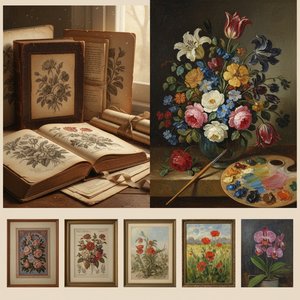
Blossoms of Time: A Historical Journey Through Flower Painting
Explore the captivating history of flower painting! Discover Dutch masters, symbolic meanings, & botanical art. Expert insights & high-quality reproductions at ArtsDot.