 Pregledaj u prostoru
 Pošalji
 Podeli
 Detalji o delu

 Преузми
 Slični predmeti
 Rendgenski snimak
 Slajdovi
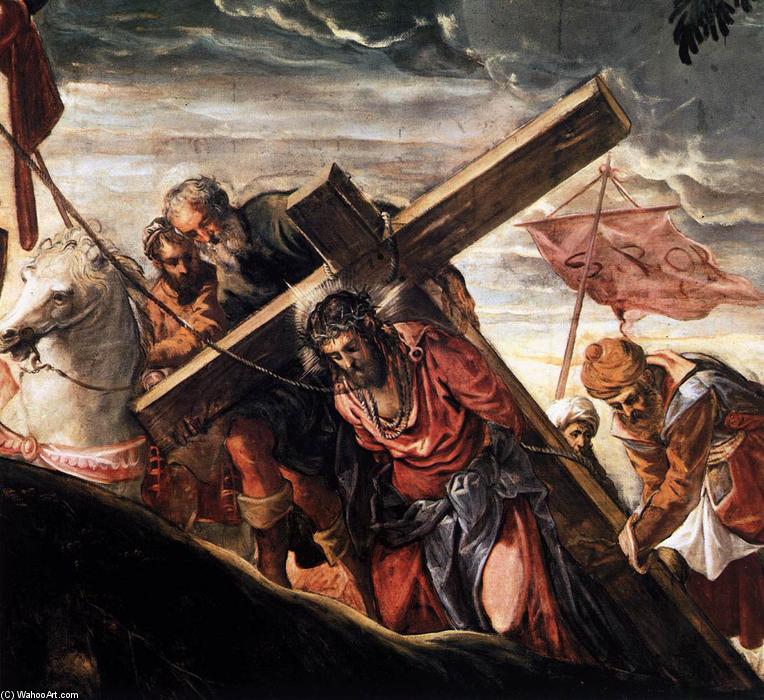
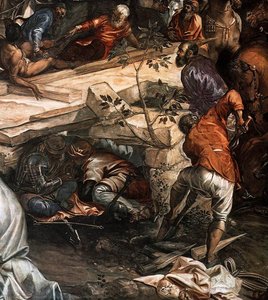
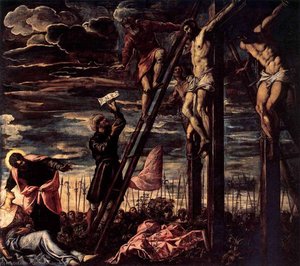
The Ascent to Calvary (detail)


 Pročitaj više
Ručno rađena uljana reprodukcija
Ručno oslikano uljanim bojama na platnu u dimenzijama i okviru po vašem izboru, izrađeno po porudžbini od strane naših umetnika. ( Kupi print Kupi digitalnu sliku)




P118B $10

P118H $10

P118W $10

P438Z $10

P508JH $12

P508YH $12

P805H $10

P805Z $10

P919BZ $10

P919G $10

P919XJ $10

P959ZH $10

P968JZ $12

W106C $8

W218G $10

W218JH $8

W218Y $10

W307PJ $10

W316G $10

W316PJ $8

W316Y $10

W398PJ $8

W4111J $10

W500HY $15

W500JH $15

W692G $12

W849H $8

W940BG $15

W953PJ $8




Izaberite jednu od naših unapred definisanih veličina koje odgovaraju originalnim proporcijama umetničkog dela.

Можете унети сопствене димензије како бисте прилагодили дело одређеном оквиру или простору. Ако одабрана величина не одговара пропорцијама оригинала, слика ће бити исечена или проширена додатним елементима који се ручно насликавају. Дигитални prikaz ће вам бити послат на одобрење пре почетка производње.
Имајте на уму да преглед на екрану не одражава стварно исецање или проширење. Само приказ (mockup) ће тачно приказати коначну композицију.
Иако су доступне прилагођене величине, препоручујемо да одаберете димензију из дефинисане листе како бисте сачували оригиналне пропорције.
Nakon narudžbine, tim ArtsDot.com će klijentu putem e-pošte poslati uputstva i dostaviti prikaz predloženog rešenja
Isporuka širom sveta () za 3/4 nedelje umesto uobičajenih 5 nedelja. (25 август). Bez kompromisa po pitanju kvaliteta.

Besplatna ekspresna dostava širom sveta

Visokokvalitetno laneno platno

Kompletno osiguranje transporta

Garancija povraćaja carine i uvoznih dažbina

Garancija vernosti boja

Politika povrata u roku od 60 dana (samo u slučaju nedostataka)

Garancija povrata novca od 100%

Popust pri grupnoj kupovini
 Opcija sa staklom dostupna je samo za dimenzije manje od 110 cm

The Ascent to Calvary (detail)
Tehnika reprodukcije
Dimenzije reprodukcije
-


Konačna cena
$ 263
Opis umetničkog dela
A Dramatic Ascent: Tintoretto’s “The Ascent to Calvary” – A Study in Light and Suffering
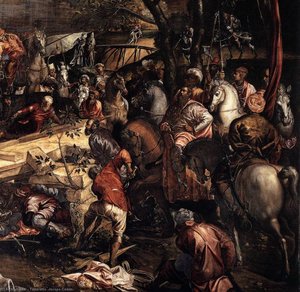
Jacopo Tintoretto's "The Ascent to Calvary," specifically this arresting detail, is not merely a depiction of Christ’s journey to the cross; it’s a visceral embodiment of human drama, faith tested, and the agonizing beauty of sacrifice. Painted in 1566, during the twilight years of the Venetian Renaissance and the burgeoning Baroque era, this work transcends simple religious illustration, becoming a profound meditation on suffering and redemption. The painting pulsates with an almost theatrical intensity, a hallmark of Tintoretto’s distinctive style – one that prioritized movement, light, and emotional resonance above meticulous realism.
Tintoretto's genius lay in his manipulation of light and shadow, a technique he honed through years of relentless experimentation. Here, the scene is bathed in a dramatic chiaroscuro, a stark contrast between areas of intense illumination and deep, enveloping darkness. The figures are sculpted by this interplay of light, their musculature straining under the weight of the cross, their faces etched with anguish and determination. Notice how the light catches the folds of the cloth draped over Christ’s body, highlighting the vulnerability of his form while simultaneously emphasizing the monumental nature of his sacrifice. This masterful use of light isn't simply aesthetic; it serves to draw the viewer into the heart of the scene, forcing a confrontation with the raw reality of the event.
The Anatomy of Emotion: Figures and Composition
The composition itself is deliberately dynamic, reflecting Tintoretto’s fascination with movement. The central figure of Christ, being lifted by the two men, dominates the frame, yet he's not isolated. Around him swirl a multitude of figures – mourners, soldiers, onlookers – each contributing to the overall sense of chaos and pathos. These aren’t idealized saints; they are ordinary people caught in an extraordinary moment, their faces reflecting a spectrum of emotions: grief, fear, hope, and perhaps even a flicker of faith. The placement of these secondary figures creates a vortex effect, drawing the eye relentlessly towards the central drama.
The detail is remarkable, particularly in the rendering of the human form. Tintoretto’s deep understanding of anatomy – gleaned from his meticulous study of cadavers and anatomical texts – is evident in every sinew and muscle. The straining muscles of the men carrying the cross, the slumped posture of Christ, the weary faces of the onlookers—all are rendered with astonishing accuracy and emotional depth. The horses, strategically placed on either side, aren’t just decorative elements; they symbolize the journey itself – a grueling pilgrimage towards sacrifice.
Symbolism and Historical Context
“The Ascent to Calvary” is deeply rooted in its historical context. Painted during a period of religious upheaval and social unrest in Venice, the image speaks to themes of suffering, injustice, and the promise of salvation. The presence of soldiers suggests the political tensions of the time, while the mourners represent the collective grief of the community. The act of lifting Christ is not simply an act of physical labor; it’s a symbolic representation of humanity's burden in carrying out God’s will.
Furthermore, Tintoretto’s choice to depict this specific moment – the ascent rather than the crucifixion itself – adds another layer of complexity. It captures the agonizing anticipation leading up to the ultimate sacrifice, emphasizing the psychological and emotional toll on both Christ and those who bear witness to his suffering. This detail offers a poignant glimpse into the heart of Christian belief, portraying faith not as passive acceptance but as an active engagement with profound sorrow and unwavering hope.
A Timeless Masterpiece: Reproduction Possibilities
ArtsDot is proud to offer meticulously crafted hand-painted reproductions of Jacopo Tintoretto’s “The Ascent to Calvary.” These reproductions capture the drama, light, and emotional intensity of the original with unparalleled fidelity. Whether you're seeking a statement piece for your grand salon or a contemplative addition to a smaller space, our high-quality reproductions provide an authentic connection to this iconic work of art. The nuanced color palette, dynamic composition, and masterful use of chiaroscuro are faithfully reproduced, allowing you to experience the power of Tintoretto’s vision in stunning detail. Explore our collection today and bring the profound beauty and emotional resonance of “The Ascent to Calvary” into your home or office.
Srodna umetnička dela
Biografija umetnika
Јакопо Тинторето: Венецијански Мајстор Драме и Светла
Јакопо Тинторето, рођено име Јакопо Робусти, рођен је у Венецији око 1518. године и остаје једна од најзанимљивијих и најупечатљивијих фигура Високе Ренесансе и раног Барока. Сам пркорак „Тинторето“ – малог бојаџије – указује на породичну занатлијску делатност, али у исто време превазира његову огромну уметничку моћ. За разлику од многих уметника који су имали користи од структурираних пракси, Тинторетов пут је био углавном самосталан, подстицан неумором љубопитљивошћу и непрекидним стремљењем ка иновацијама. Иако се говори о кратком и неуспешном боравку у атељеу Тицијана, признатог мајстора венецијанске колористике, чини се да је искуство било више конфликтно него продуктивно. Титјанова наводна одбитка младог Јакопа – било због зависти или уметничких несугласица – подстакла га је ка самосталном путу, обележеном смелим експериментима и јединственим динамичним стилом. Уродио се у анатомијско изучавање, наводно кроз дисекције, и усвршио своје вештине пажљиво преписујући класичне скулптуре и дела других мајстора. Та посвећеност положила је основу за каријеру која ће редефинисати венецијанско сликарство.Формирање Дистинктивног Стиља: *Ил Фуриозо*
Тинторетов уметнички развој био је обележен готово грозничавом енергијом, што му је донело још један надимак: *Ил Фуриозо* – „Лјути“. Овај назив није само описивао његов радни темпо, већ и зауземао интензитет и емоционални набој који су пропијали његове лептирне површине. Већ у раним делима наговештавала се одступања од традиционалних венецијанских конвенција. Признајући Тицијанов утицај у боји, Тинторето је тежио ка монументалним фигурама и драматичним композицијама Микеландјела. Синтезиравши ове утицаје у нешто сасвим ново, створио је стил који се одликује издуженим облицима, вртложачким драперима и иновативном употребом перспективе која често ствара осећај задивљујуће дубине и покрета. Одустао је од прецизности коју су заволели његови савременици, уместо тога се определио за брзу, готово скицу-попут четкицу која је изражавала непосредност и сирову емоцију. Ова техника, у комбинацији са његовим мајсторским манипулацијама светлом и сенком – *кјароскуром* – омогућила му је да створи сцене без преседане драме и психолошке интензитета. Он није само приказивао догађаје; он је преносио њихов емоционални срж.Монументална Остварења: Сан Роко и Даље
Тинторетова продукција била је огромна, обухватајући деценијама, укључујући религијске наративе, историјске алегорије и портрете. Међутим, његово најзначајније остварење лежи у циклусу слика које је створио за Скуола Гранде ди Сан Роко, венецијанску братству посвећену Светог Роху. Током више од педесет година, Тинторето је украсио сале Скуоле преко шездесет слика, трансформишући је у задивљујуће визуелно сведочанство о вери и човечком искуству. Дела попут „Тајне вечере“, завршена касно у његовом животу, демонстрирају његово континуирано експериментисање са перспективом и композицијом. Одудаљавајући се од традиционалних приказа, Тинторето је поставио сцену у драматично осветљеном, архитектурски нестабилном простору, наглашавајући емоционални немир Христовог последњег вечера са његовим ученицима. Друга запазива дела укључују „Чудо Светог Марка који је ослобађао робова“, монументалну демонстрацију динамичне композиције и портиране, као и бројне слике за венецијанске цркве и палате које приказују његову мајсторску вештину у скали и наративног приповедања. Ови монументални пројекти учврстили су Тинторетов углед једног од најважнијих венецијанских уметника.Наслеђе и Историјски Значај
Јакопо Тинторето преминуо је у Венецији 1594. године, оставивши за собом огромно и утицајно дело. Он је спајао Високу Ренесансу и Барокни период, предвидео многе стилске иновације које су дефинисале касније. Његове драматичне композиције, изражајан четкица и иновативно коришћење светлости и сенке дубоко су утицали на уметнике попут Каравађа, Рембранта и Делакроа. Он није био само сликар; он је био визуелни приповедач који је разумео како да искористи снагу уметности да буди емоције и изазива благочешће. Као један од три велика венецијанска сликара 16. века – заједно са Тицијаном и Паолом Веронезом – Тинторето је играо кључну улогу у обликовању уметничког пејзажа Венеције током њеног златног доба. Његово дело одражава не само верски жар и политичке тензије свога времена, већ и јединствено лични визију која и данас резонује са публиком, што потврђује његово место међу најважнијим и задивљујућим уметницима у историји. Његова заоставштина је сведочанство о трајној моћи уметничке иновације и трансформишућем потенцијалу људске креативности.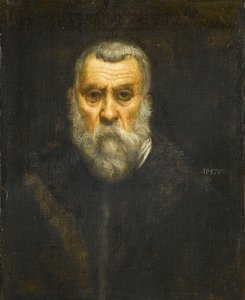
Tintoreto
1518 - 1594 , Italija
Osnovne informacije
- Datum Rođenja: 29. septembar 1518.
- Datum Smrti: 31. maj 1594.
- Mesto Rođenja: Venecija, Italija
- Na Njih Je Uticao:
- Kravagio
- Barokni majstori
- Nacionalnost: Italijan
- Puno Ime: Đakopo Tintoreto
- Umetnički Pokret: Renesansa, Manirizam
- Uticali Na Njega:
- Titian
- Mihajlo Anđelo
- Značajna Dela:
- Čudo Svetog Marka
- Poslednja večera
- Vaznesenje Device Marije
Povezani članci

Jacopo Tintoretto: 25 Remek-dela Venecijanskog Majstora | Reprodukcije i Inspiracija za Dom
Uronite u svet Jacopa Tintoreta! Otkrijte 25 remek-dela venecijanskog renesansnog majstora. Istražite dramatične kompozicije, bogate boje i istoriju umetnosti na ArtsDot.com. Reprodukcije slika za luksuzni enterijer.

The Dramatic Flourish: Exploring the Baroque Movement's Enduring Legacy in Art History
Explore the dramatic world of Baroque art! Discover iconic artists like Caravaggio & Rubens, defining techniques, and its lasting impact on art history. Expert insights for collectors & enthusiasts at ArtsDot.

Барокна драма: Уношење величине и емоција у савремене ентеријере
Откријте барокну драму и унесите величину у ваш ентеријер! ArtsDot нуди ручно насликане репродукције, персонализоване портрете и стручне консултације за љубитеље класичне уметности. Потражите савршено дело већ данас!

The Visceral Stage: Exploring Dramatic Narratives & Emotional Intensity in Baroque Art
Explore the dramatic world of Baroque art! Discover iconic masters like Caravaggio & Rembrandt, their techniques, and the movement's lasting impact. Expert insights for collectors & enthusiasts at ArtsDot.

Barok Majstor dela: Top 10 Umjetničkih Remeka za Vaš Dom
Otkrijte 10 remek dela koja su definisala baroknu umetnost! Karavagio, Bernini i više – istražite priče iza ovih ikoničnih slika. Inspiracija za vaš dom? Pogledajte kolekciju na ArtsDot.com!