

 Pregledaj u prostoru
 Pošalji
 Podeli
 Detalji o delu

 Преузми
 Slični predmeti
 Rendgenski snimak
 Slajdovi
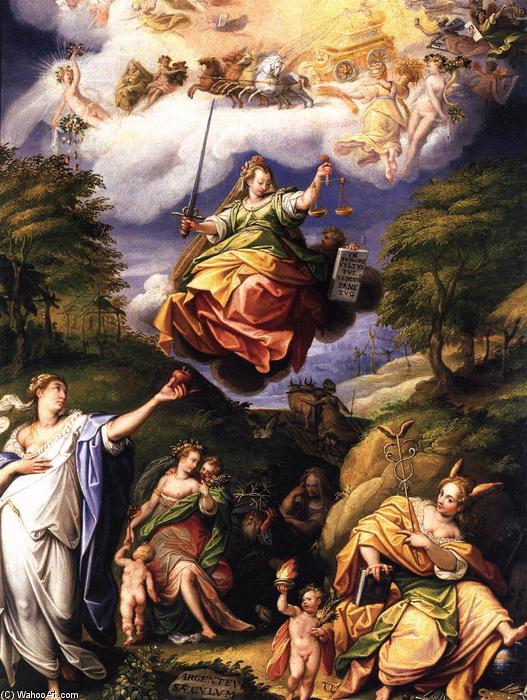
Age of Silver
 Acrylic On Canvas
- WallArt
- Italian Mannerism
 1587
1587 50.0 x 39.0 cm
 Галерија Уфици
 Pročitaj više
Ručno rađena uljana reprodukcija
Ručno oslikano uljanim bojama na platnu u dimenzijama i okviru po vašem izboru, izrađeno po porudžbini od strane naših umetnika. ( Kupi print Kupi digitalnu sliku)




P118B $10

P118H $10

P118W $10

P438Z $10

P508JH $12

P508YH $12

P805H $10

P805Z $10

P919BZ $10

P919G $10

P919XJ $10

P959ZH $10

P968JZ $12

W106C $8

W218G $10

W218JH $8

W218Y $10

W307PJ $10

W316G $10

W316PJ $8

W316Y $10

W398PJ $8

W4111J $10

W500HY $15

W500JH $15

W692G $12

W849H $8

W940BG $15

W953PJ $8




Izaberite jednu od naših unapred definisanih veličina koje odgovaraju originalnim proporcijama umetničkog dela.

Можете унети сопствене димензије како бисте прилагодили дело одређеном оквиру или простору. Ако одабрана величина не одговара пропорцијама оригинала, слика ће бити исечена или проширена додатним елементима који се ручно насликавају. Дигитални prikaz ће вам бити послат на одобрење пре почетка производње.
Имајте на уму да преглед на екрану не одражава стварно исецање или проширење. Само приказ (mockup) ће тачно приказати коначну композицију.
Иако су доступне прилагођене величине, препоручујемо да одаберете димензију из дефинисане листе како бисте сачували оригиналне пропорције.
Nakon narudžbine, tim ArtsDot.com će klijentu putem e-pošte poslati uputstva i dostaviti prikaz predloženog rešenja
Isporuka širom sveta () za 3/4 nedelje umesto uobičajenih 5 nedelja. (22 август). Bez kompromisa po pitanju kvaliteta.

Besplatna ekspresna dostava širom sveta

Visokokvalitetno laneno platno

Kompletno osiguranje transporta

Garancija povraćaja carine i uvoznih dažbina

Garancija vernosti boja

Politika povrata u roku od 60 dana (samo u slučaju nedostataka)

Garancija povrata novca od 100%

Popust pri grupnoj kupovini
 Opcija sa staklom dostupna je samo za dimenzije manje od 110 cm

Age of Silver
Tehnika reprodukcije
Dimenzije reprodukcije
-


Konačna cena
$ 263
Opis umetničkog dela
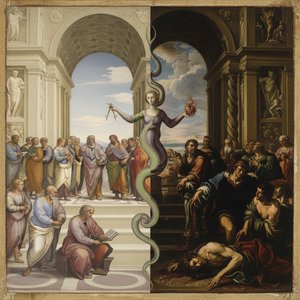
A Portrait of Faith and Justice: Exploring Jacopo Zucchi’s “Age of Silver”
The Florentine Baroque, burgeoning under the patronage of Ferdinando I de' Medici, witnessed an explosion of artistic innovation—a deliberate rejection of Renaissance ideals in favor of dramatic expression and psychological complexity. Among the luminaries shaping this transformative era was Jacopo Zucchi (c. 1540 – 1596), whose masterpiece “Age of Silver,” completed around 1576-1581, exemplifies the stylistic hallmarks of Mannerism while simultaneously resonating with profound theological significance. This monumental oil on panel painting transcends mere visual representation; it’s a carefully constructed meditation on faith, justice, and the human condition—a testament to Zucchi's mastery of disegno and his unwavering commitment to conveying emotion through meticulous observation.The Style of Mannerism: Distortion and Illusion
Zucchi’s approach distinguishes itself sharply from the serene beauty championed by Raphael and Michelangelo. Mannerism deliberately eschewed idealized proportions and harmonious compositions, prioritizing unsettling perspectives and exaggerated gestures to heighten emotional impact. “Age of Silver” embodies this aesthetic ethos perfectly. Figures are positioned in asymmetrical poses—a woman dominating the central frame—creating a dynamic tension that draws the viewer’s eye across the canvas. The artist employs subtle distortions of form, subtly elongating limbs and flattening planes, generating an illusionistic depth that defies conventional realism. These stylistic choices weren't merely decorative; they served to express inner turmoil and intellectual contemplation—themes prevalent in humanist thought during Zucchi’s time.Symbolism Embedded in Composition
The painting’s iconography is rich with symbolic references rooted in Christian theology. At the heart of the scene stands a woman holding scales, representing justice and divine judgment. This figure isn't merely depicted statically; she exudes authority and compassion simultaneously—a deliberate juxtaposition designed to convey the multifaceted nature of righteousness. Surrounding her are angelic figures ascending towards heaven, symbolizing spiritual aspiration and transcendence. The inclusion of illuminated books suggests contemplation and erudition – virtues valued by humanist scholars like Zucchi himself. Each element contributes to a narrative that speaks to the moral dilemmas faced by humanity and underscores the importance of ethical conduct in pursuit of salvation.Technique: Precision and Atmospheric Depth
Zucchi’s technical prowess is evident throughout “Age of Silver.” He meticulously renders textures with remarkable accuracy, capturing the sheen of fabric and the subtle nuances of skin tones—a hallmark of Florentine painting during this period. However, unlike his predecessors who prioritized meticulous detail above all else, Zucchi skillfully manipulates atmospheric perspective to create a palpable sense of depth and luminosity. Softly diffused light illuminates the figures and drapery, enhancing their sculptural qualities and fostering an immersive experience for the viewer. This masterful blending of observation and illusion underscores Zucchi’s dedication to capturing not just what is seen but also how it feels—a crucial element in conveying the painting's emotional resonance.Historical Context: Medici Patronage and Spiritual Renewal
“Age of Silver” was commissioned by Ferdinando I de' Medici, ruler of Florence and a fervent supporter of humanist scholarship and artistic innovation. The Medicis’ patronage fueled a period of intellectual ferment—a renewed interest in classical learning alongside a burgeoning devotion to Christian piety. Zucchi’s painting reflects this cultural climate, articulating the anxieties and aspirations of his era through its symbolic language and dramatic visual style. It stands as a powerful emblem of Florentine Baroque art—a testament to the enduring legacy of Mannerism and its capacity to inspire contemplation on matters of faith and morality.- Artist: Jacopo Zucchi
- Year Created: 1576-1581
- Medium: Oil on Panel
- Dimensions: 50 x 39 cm
Srodna umetnička dela
Biografija umetnika
The Florentine Master of Mannerist Drama
Jacopo Zucchi stands as a pivotal figure in the evolution of the Florentine Baroque, embodying the stylistic complexities and dramatic grandeur characteristic of Mannerism. This was an era that famously rejected the idealized, harmonious beauty of the High Renaissance in favor of intellectual contemplation, expressive distortion, and a sense of restless energy. Born in Florence around 1542, Zucchi’s formative years were deeply rooted in the prestigious artistic traditions fostered by Giorgio Vasari. By joining Vasari’s studio as a young apprentice, Zucchi absorbed a meticulous approach to observation and a masterful command of technique that would serve as the bedrock of his later innovations.
This early apprenticeship instilled in him a profound understanding of disegno—the humanist concept of drawing as the essential foundation of all artistic creation. Under Vasari’s guidance, Zuc chi learned to balance rigorous anatomical accuracy with the deliberate, expressive manipulation of form. This tension between realism and artifice became the hallmark of his style, propelling him toward a vision marked by dynamic movement, unsettling perspectives, and an exploration of psychological depth that would define his prolific career.
Grandeur in Florence and Rome
Zucchi’s talent quickly earned him placement within some of the most prestigious decorative projects of the late 16th century. His involvement in the decoration of the Palazzo Vecchio, specifically within the Studiolo and the Salone dei Cinquecento, showcased his ability to execute ambitious, large-scale commissions. In these spaces, he blended classical ideals with Mannerist innovation, creating opulent frescoes that celebrated Florentine civic pride through masterful illusionistic painting techniques.
As his reputation expanded beyond the borders of Florence, Zucchi moved to Rome in the early 1570s, where he swiftly established himself as a sought-after master for the highest echelons of the clergy and nobility. His work for Cardinal Ferdinando de’ Medici's palazzo Firenze provided him with unparalleled access to artistic resources and high-profile patronage. It was during this Roman period that his collaborative spirit flourished; notably, he worked alongside his brother Francesco on the monumental fresco cycles adorning the apse and dome of Santo Spirito, leaving an indelible mark on the religious landscape of the city.
A Legacy of Symbolism and Technique
The breadth of Zucchi’s oeuvre reflects a remarkable ability to navigate diverse subject matters, from the deeply spiritual to the elegantly secular. His works often serve as windows into the complex allegories of the 16th century:
- Religious Devotion: In pieces such as Allegory of the Creation, Zucchi captures profound moments of divine connection, utilizing dramatic lighting and celestial figures to evoke a sense of awe and religious fervor.
- Allegorical Narrative: His masterpiece, Age of Silver, demonstrates his command over the Florentine Baroque style, weaving intricate details of justice and angelic presence into a complex tapestry of meaning.
- Portraiture and Elegance: Beyond grand frescoes, Zucchi excelled in intimate portraiture. His Portrait of a Lady showcases his ability to use striking color palettes—such as deep blue tones—and meticulous detail in jewelry to convey the status and grace of his subjects.
Ultimately, the historical significance of Jacopo Zucchi lies in his role as a bridge between the structured traditions of the Renaissance and the emotive, theatrical intensity of the Baroque. Through his mastery of disegno and his embrace of Mannerist distortion, he helped shape a visual language that prioritized the emotional and intellectual impact of art, ensuring his place as one of the most influential painters of the late Italian Renaissance.
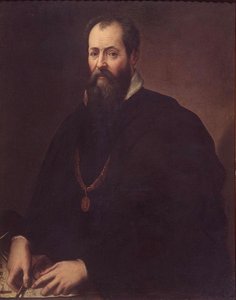
Jacopo Zucchi
1542 - 1596 , Italy
Osnovne informacije
- Artistic Movement Or Style: Mannerist Painting
- Artists Or Movements Influenced By This Artist: ['Renaissance Art']
- Artists Who Influenced This Artist: ['Giorgio Vasari']
- Date Of Birth: Florence, Italy (1542)
- Date Of Death: Roma (1596)
- Full Name: Jacopo Zucchi
- Nationality: Italian
- Notable Artworks:
- The Assembly of the Gods
- The Miracle of the Snow
- The Toilet of Bathsheba
- Place Of Birth: Florence
Povezani članci

Jacopo Tintoretto: 25 Remek-dela Venecijanskog Majstora | Reprodukcije i Inspiracija za Dom
Uronite u svet Jacopa Tintoreta! Otkrijte 25 remek-dela venecijanskog renesansnog majstora. Istražite dramatične kompozicije, bogate boje i istoriju umetnosti na ArtsDot.com. Reprodukcije slika za luksuzni enterijer.
Mannerism: Bridging Renaissance Harmony & Baroque Drama – A Study of Style & Affectation
Explore the fascinating world of Mannerism! Discover its key characteristics, pioneering artists like Pontormo & Bronzino, and its pivotal role in bridging Renaissance harmony to Baroque drama. A comprehensive guide for art enthusiasts.

Barok Majstor dela: Top 10 Umjetničkih Remeka za Vaš Dom
Otkrijte 10 remek dela koja su definisala baroknu umetnost! Karavagio, Bernini i više – istražite priče iza ovih ikoničnih slika. Inspiracija za vaš dom? Pogledajte kolekciju na ArtsDot.com!

Барокна драма: Уношење величине и емоција у савремене ентеријере
Откријте барокну драму и унесите величину у ваш ентеријер! ArtsDot нуди ручно насликане репродукције, персонализоване портрете и стручне консултације за љубитеље класичне уметности. Потражите савршено дело већ данас!

The Dramatic Flourish: Exploring the Baroque Movement's Enduring Legacy in Art History
Explore the dramatic world of Baroque art! Discover iconic artists like Caravaggio & Rubens, defining techniques, and its lasting impact on art history. Expert insights for collectors & enthusiasts at ArtsDot.

