

 Pregledaj u prostoru
 Pošalji
 Podeli
 Detalji o delu

 Преузми
 Slični predmeti
 Rendgenski snimak
 Slajdovi
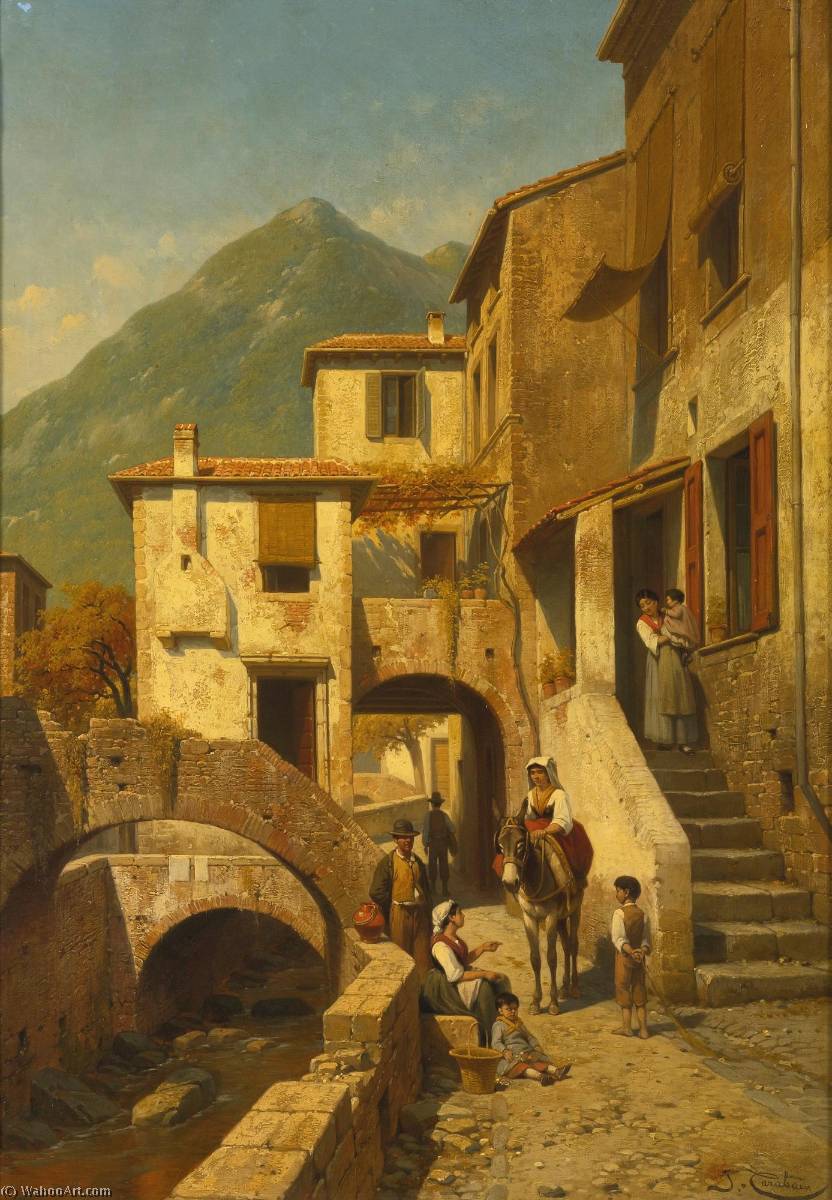
Rue a Monte Rosso, bord de la Mediterrane, Italie
 Academic Realism
 79.0 x 55.0 cm
 Pročitaj više
Giclee štampa / Umetnički otisak
Giclée štampa ili print na platnu muzejskog kvaliteta uz brzu proizvodnju i fleksibilne opcije završne obrade. ( Kupi ručno naslikanu sliku Kupi digitalnu sliku)




































Izaberite jednu od naših unapred definisanih veličina koje odgovaraju originalnim proporcijama umetničkog dela.

Možete uneti sopstvene dimenzije kako biste umetničko delo prilagodili specifičnom okviru ili prostoru. Ako odabrani format ne odgovara proporcijama originalne slike, mi ćemo ili iscrtati deo dela ili proširiti sliku pomoću ogledane ivice ili jednobojnog popunjavanja. Digitalni prikaz će vam biti poslat na odobrenje pre početka proizvodnje.
Imajte na umu da pregled na ekranu ne odražava stvarno iscrtavanje ili proširivanje. Samo će prikaz (mockup) precizno pokazati finalnu kompoziciju.
Iako su prilagođene dimenzije dostupne, preporučujemo da odaberete dimenziju sa unapred definisane liste kako biste očuvali originalne proporcije.
Dostava širom sveta () za 2 nedelje umesto uobičajenih 4/5 nedelja. (1 септембар)

Besplatna ekspresna dostava širom sveta

Visokokvalitetno laneno platno

Kompletno osiguranje transporta

Garancija povraćaja carine i uvoznih dažbina

Garancija vernosti boja

Politika povrata u roku od 60 dana (samo u slučaju nedostataka)

Garancija povrata novca od 100%

Popust pri grupnoj kupovini
 Opcija sa staklom dostupna je samo za dimenzije manje od 110 cm

Rue a Monte Rosso, bord de la Mediterrane, Italie
Giclee štampa / Umetnički otisak
Dimenzije reprodukcije
-


Konačna cena
$ 62
Srodna umetnička dela
Biografija umetnika
A Life Painted in Cityscapes: The World of Jacques François Carabain
Jacques François Joseph Carabain, though born a Dutchman in 1834, became a painter deeply entwined with the romantic spirit of Belgium and its fascination with the past. His life was one of constant movement, both geographically and artistically, ultimately culminating in a body of work that beautifully captures the bustling energy and architectural grandeur of European cities. Initially rooted in the landscapes and seascapes of his native Amsterdam, where he received his early training at the Kunstakademie under masters like Jacobus Schoemaker Doyer and Valentijn Bing, Carabain’s artistic path soon led him towards a more specialized focus: the intricate details of urban life. His first public showing at the exhibition of living masters in 1852 hinted at the talent that would blossom over the following decades.From Dutch Beginnings to Belgian Specialization
The year 1856 marked a turning point, as Carabain embarked on an extended journey across Europe. This period of travel was formative, exposing him to diverse architectural styles and vibrant cityscapes that would become the defining characteristic of his oeuvre. He briefly resided in Brussels before settling permanently in Schaerbeek, where he truly found his artistic voice. It was here, under the influence of François-Antoine Bossuet, that Carabain began specializing in city views, a subject matter he pursued with increasing passion and skill. His paintings weren’t merely depictions of buildings; they were immersive experiences, teeming with life and atmosphere. He possessed an exceptional ability to render the play of light on stone facades, the shadows cast by bustling marketplaces, and the subtle nuances of everyday existence within these historic settings.A Romantic-Realist Vision
Carabain’s style is best described as Romantic Realism—a blend of meticulous detail and emotional resonance. He wasn't interested in simply documenting architecture; he sought to evoke a feeling, a sense of place, and the stories embedded within the stones themselves. His canvases are populated with figures going about their daily lives, adding a human element to the imposing structures around them. He painted extensively throughout Italy, Germany, France, and Austria, each location offering unique subject matter for his keen eye. Exhibitions in London during 1873 and 1874 further solidified his reputation within the international art community. In 1880, he formally adopted Belgian citizenship, a testament to his deep connection with the country’s artistic landscape.Preserving Brussels: A Commission of Remembrance
Perhaps Carabain's most significant contribution came in the form of a remarkable commission from Mayor Charles Buls in 1894. Concerned about the sweeping redevelopment plans initiated by King Leopold II, Buls tasked Carabain with documenting the old areas of Brussels through a series of watercolors. This resulted in an extraordinary collection of 59 works—a visual record of a city on the cusp of transformation. These paintings weren’t just artistic endeavors; they were acts of preservation, capturing the essence of a disappearing Brussels before it was irrevocably altered by modernization. The exhibition of these watercolors at the Museum of the City of Brussels in 2011 served as a powerful reminder of Carabain's dedication to both his art and his adopted city. His final exhibition took place in 1907, though he continued to live for another twenty-six years, passing away just shy of his 99th birthday. The legacy of Jacques François Carabain endures not only through the beauty of his paintings but also through his commitment to preserving the cultural heritage of the cities he so lovingly depicted. His children, Victor and Emile, both followed in his artistic footsteps—Victor specializing in cityscapes like his father, and Emile focusing on still life painting—ensuring that the family’s passion for art continued into the next generation.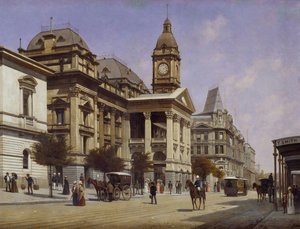
jacques françois carabain
1834 - 1933
Osnovne informacije
- Artistic Movement Or Style: Romantic Realism
- Artists Or Movements Influenced By This Artist:
- Victor Carabain (son)
- Emile Carabain (son)
- Artists Who Influenced This Artist:
- Jacobus Schoemaker Doyer
- Valentijn Bing
- François-Antoine Bossuet
- Date Of Birth: 1834
- Date Of Death: 1933
- Full Name: Jacques François Joseph Carabain
- Nationality: Dutch-Belgian
- Notable Artworks:
- Weeshuis in Leiden
- Coast scene
- Via Mazzanti, Verona
- Place Of Birth: Amsterdam, Netherlands
Povezani članci
Evoking Nature's Sublime: A Comprehensive Exploration of 19th-Century Landscape Painting
Explore the captivating world of 19th-century landscape painting! Discover renowned artists like Friedrich & Monet, key movements, and find the perfect artwork to bring nature's serenity into your home. Expert insights at ArtsDot.

Glavna dela koja su definisala Romantični pejzaž: 10 remek-dela za vaš dom
Otkrijte 10 remek-dela romantičnog pejzažnog slikarstva! Uronite u svet Claude Lorraina, Caspara David Friedricha i Turnera. Ispričane priče umetnosti, inspiracija za dekoraciju doma. Kvalitetne reprodukcije na ArtsDot.com – istražite celu kolekciju online!

Evocations of Place: A Historical Journey Through Landscape Art
Explore the rich history of landscape art with ArtsDot. Discover renowned artists, movements like Impressionism & Romanticism, and expert guidance for collecting timeless pieces. Find your perfect serene escape today!

25 Remek-dela Džona Konstebla: Lepota Engleske na Platnu | ArtsDot
Uronite u svet Džona Konstebla! Otkrijte 25 remek-dela engleskog pejzaža, romantizma i seoske idile. Kupite reprodukcije slika vrhunskog kvaliteta za dekoraciju enterijera na ArtsDot.com.
19th Century Masterpieces: 10 Paintings That Defined an Era | ArtsDot
Journey through 19th century art with ArtsDot! Explore 10 iconic paintings – from Monet & Renoir to Courbet – and discover the stories behind Romanticism, Realism & Impressionism. Find museum-quality reproductions for your home decor. Explore the full collection online!

