

 Pregledaj u prostoru
 Pošalji
 Podeli
 Detalji o delu

 Преузми
 Slični predmeti
 Rendgenski snimak
 Slajdovi
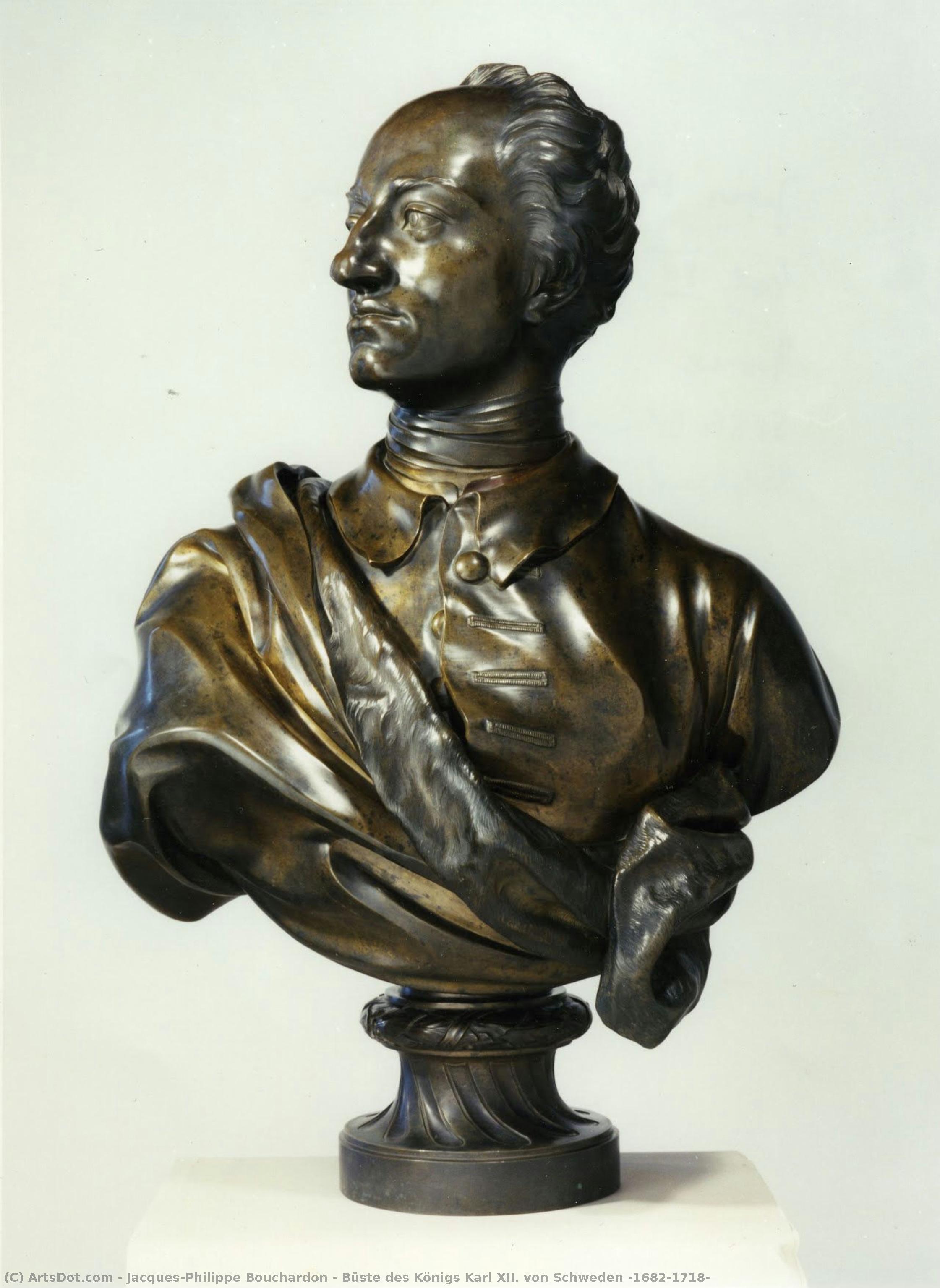
Büste des Königs Karl XII. von Schweden (1682-1718)


 Pročitaj više
Kupite digitalnu sliku visoke rezolucije i poboljšanog kvaliteta, koja je znatno superiornija od onoga što vidite u online prikazu.
Svaka datoteka je pedantno pripremljena od strane naših stručnjaka koristeći napredne alate i profesionalnu ručnu retušu. Osiguravamo da svaka slika ima izuzetnu oštrinu, preciznu reprodukciju boja i fine detalje.
Konačna datoteka se dostavlja putem e-pošte u roku od 72 sata, optimizovana za neposrednu upotrebu u profesionalnim, izdavačkim i štamparskim okruženjima. To je isti kvalitet kojem veruju vrhunski studiji dizajna, izdavači i galerije.
Digitalna slika
Preuzmite datoteku visoke rezolucije za ličnu upotrebu, štampanje i kreativne projekte. ( Kupi print Kupi ručno naslikanu sliku)
Uključeno uz svaku porudžbinu digitalne slike
Profesionalna digitalna isporuka, zagarantovana
Kada odaberete ArtsDot.com, ne dobijate samo sliku – vi primate profesionalno unapređeno digitalno umetničko delo, izrađeno sa najvećom preciznošću i uz garanciju zadovoljstva. Evo svega što automatski dolazi uz vašu porudžbinu:

Brza dostava putem e-pošte
Vaša digitalna slika visoke rezolucije biće vam poslata putem e-pošte u roku od 72 sata od poručivanja – spremna za trenutnu upotrebu.

Digitalna datoteka unapređena veštačkom inteligencijom
Vaše umetničko delo je profesionalno optimizovano korišćenjem naprednih AI alata i ručne obrade, čime se osiguravaju maksimalni detalji, oštrina i preciznost boja.

Besplatna ponovna isporuka doživotno
Slučajno ste obrisali ili izgubili svoju datoteku? Ne brinite – poslaćemo vam je ponovo u bilo kom trenutku, potpuno besplatno.

Bez troškova uvoza – zauvek
Uživajte u svojim umetničkim delima trenutno, bez carine, dažbina ili troškova dostave – digitalni download je uvek bez poreza.

Garancija vernosti boja
Uz pomoć profesionalnih alata i upravljanja bojama, osiguravamo da vaša digitalna slika što vernije odražava originalne boje.

Garancija zadovoljstva u roku od 60 dana
Ako niste zadovoljni svojom digitalnom slikom, revidirat ćemo je ili vratiti 100% novca u roku od 60 dana – bez ikakvih pitanja.

100% garancija povrata novca
Niste zadovoljni? Obezbedite pun povrat novca u roku od 60 dana od trenutka kada ste primili svoju digitalnu datoteku – bez suvišnih pitanja.

Popusti na velike porudžbine
Kupite 3 slike, uštedite 10% - Kupite 5 slika, uštedite 15% - Kupite 10+ slika, uštedite 20%. Odlično za kreativne projekte, galerije i agencije.
Opis kolekcionarskog dela
Srodna umetnička dela





Biografija umetnika
Gerard de Lairesse: A Master of the Dutch Golden Age
Gerard de Lairesse, a name often overshadowed by the titans of the Dutch Baroque – Rembrandt, Vermeer, and Hals – nevertheless stands as a pivotal figure in the evolution of 18th-century painting. Born in Liège in 1711 and tragically dying in Amsterdam in 1753, his life was marked by both artistic brilliance and personal turmoil. De Lairesse’s legacy rests not just on individual masterpieces but also on his profound influence as a theorist and teacher, shaping the course of painting for an entire generation. Initially trained under his father, Renier de Lairesse, a respected painter in his own right, Gerard quickly surpassed his mentor, absorbing influences from the vibrant artistic currents of Italy – particularly the Perugian school championed by Cesare Ripa – and France, where he encountered the refined elegance of Charles le Brun and Simon Vouet. His work represents a fascinating synthesis of these diverse traditions, resulting in a style characterized by meticulous detail, dramatic lighting, and an almost theatrical quality.Early Life and Artistic Training
De Lairesse’s early years were shaped by both artistic opportunity and personal hardship. He spent his formative years in Liège, studying under his father and Bertholet Flemalle, a renowned mannerist painter. However, a scandalous affair with two sisters – his models – led to his exile from Liège in 1664. This dramatic event propelled him north, where he embarked on a nomadic existence, working for various patrons including Maximilian Henry of Bavaria in Cologne and Aix-la-Chapelle. During this period, he honed his skills and developed a distinctive style, marked by an increasing attention to detail and a growing interest in portraying the nuances of human emotion. His marriage to Marie Salme in Visé provided him with stability, and their family life flourished in Utrecht, where he continued to develop his artistic practice.Theoretical Contributions: Shaping a Generation of Painters
Beyond his prolific output of paintings, De Lairesse made significant contributions to the theory of art. His treatises, *Grondlegginge Ter Teekenkonst* (1701) and *Groot Schilderboek* (1707), were groundbreaking works that drew upon principles of geometry and the writings of classical authors like Pierre Corneille and Jean Racine. These texts emphasized the importance of accurate observation, careful composition, and a deep understanding of anatomy and perspective. Crucially, De Lairesse advocated for a return to the fundamentals of drawing and painting, rejecting the excesses of later Baroque styles and promoting a more restrained and balanced approach. His ideas resonated deeply with young artists, establishing him as a respected mentor and shaping the artistic landscape of the 18th century.A Career Defined by Portraits and Still Lifes
De Lairesse’s artistic career spanned several decades, encompassing a wide range of subjects. He is particularly renowned for his portraits, which are characterized by their psychological depth and dramatic lighting. His depictions of royalty and nobility captured not only the outward appearance but also the inner character of his subjects. Simultaneously, he excelled in still life painting, creating meticulously rendered compositions that celebrated the beauty and abundance of nature. These works often incorporated symbolic elements, reflecting themes of mortality, wealth, and piety. His ability to seamlessly blend realism with artistic interpretation cemented his position as a leading painter of his time. His later years saw him working for the court of Frederick William, Elector of Brandenburg, and ultimately returning to Amsterdam where he was reinstated as “first painter to the King” under Louis XVIII.Legacy and Historical Significance
Gerard de Lairesse’s influence extends far beyond his own lifetime. His theoretical writings provided a framework for artistic training that endured for generations, while his paintings continue to be admired for their technical skill, dramatic intensity, and psychological insight. He played a crucial role in bridging the gap between the Baroque and Rococo styles, laying the groundwork for the more decorative tendencies of the 18th century. His commitment to rigorous observation and careful composition helped to establish standards of excellence that continue to inform art practice today. De Lairesse’s story is one of artistic ambition, personal struggle, and enduring legacy – a testament to the power of an artist to shape not only his own world but also the course of art history.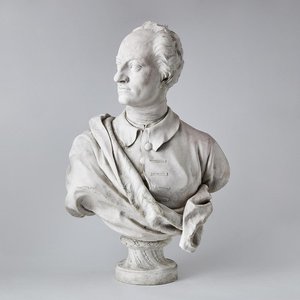
jacques-philippe bouchardon
1711 - 1753 , France
Kratke činjenice
- Artistic Movement Or Style: Baroque
- Artists Or Movements Influenced By This Artist: ['18th-century painters']
- Artists Who Influenced This Artist:
- Cesare Ripa
- Charles le Brun
- Simon Vouet
- Pierre Corneille
- Jean Racine
- Date Of Birth: September 11, 1641
- Date Of Death: June 1711
- Full Name: Gerard de Lairesse
- Nationality: Dutch Golden Age
- Notable Artworks:
- Grondlegginge Ter Teekenkonst
- Groot Schilderboek
- Place Of Birth: Liège, Belgium

