

 Pregledaj u prostoru
 Pošalji
 Podeli
 Detalji o delu

 Преузми
 Slični predmeti
 Rendgenski snimak
 Slajdovi
 Stats
StatsCurtains of Hope


 Pročitaj više
Ručno rađena uljana reprodukcija
Ručno oslikano uljanim bojama na platnu u dimenzijama i okviru po vašem izboru, izrađeno po porudžbini od strane naših umetnika. ( Switch to Print Switch to Digital Image)




































Izaberite jednu od naših unapred definisanih veličina koje odgovaraju originalnim proporcijama umetničkog dela.

Можете унети сопствене димензије како бисте прилагодили дело одређеном оквиру или простору. Ако одабрана величина не одговара пропорцијама оригинала, слика ће бити исечена или проширена додатним елементима који се ручно насликавају. Дигитални prikaz ће вам бити послат на одобрење пре почетка производње.
Имајте на уму да преглед на екрану не одражава стварно исецање или проширење. Само приказ (mockup) ће тачно приказати коначну композицију.
Иако су доступне прилагођене величине, препоручујемо да одаберете димензију из дефинисане листе како бисте сачували оригиналне пропорције.
Nakon narudžbine, tim ArtsDot.com će klijentu putem e-pošte poslati uputstva i dostaviti prikaz predloženog rešenja
Isporuka širom sveta () za 3/4 nedelje umesto uobičajenih 5 nedelja. (8 септембар). Bez kompromisa po pitanju kvaliteta.

Besplatna ekspresna dostava širom sveta

Visokokvalitetno laneno platno

Kompletno osiguranje transporta

Garancija povraćaja carine i uvoznih dažbina

Garancija vernosti boja

Politika povraćaja u roku od 100 dana (isključivo u slučaju nedostataka)

Garancija povrata novca od 100%

Popust pri grupnoj kupovini
 Opcija sa staklom dostupna je samo za dimenzije manje od 110 cm

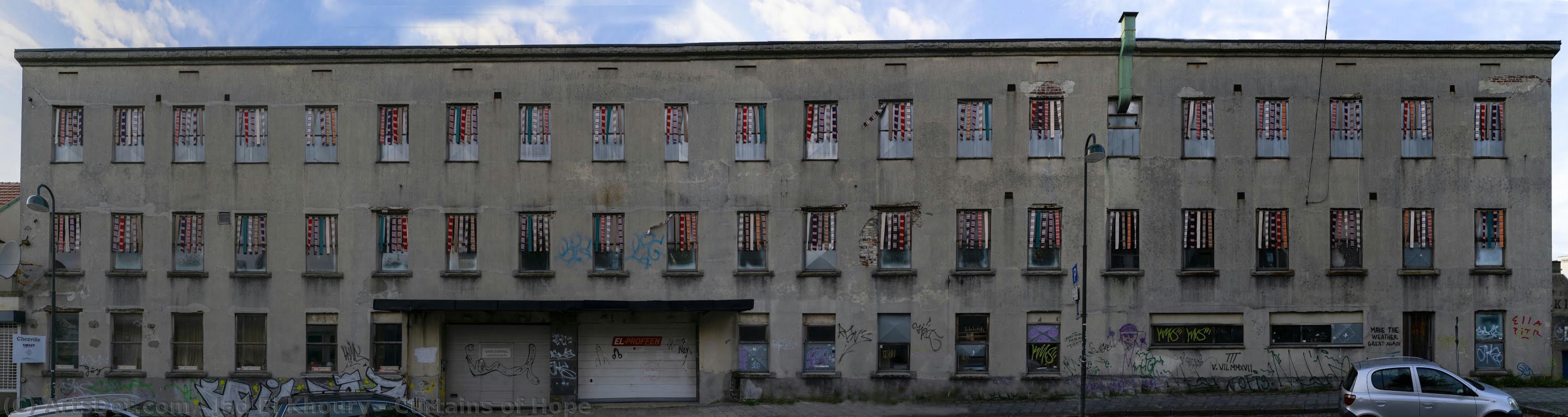
Curtains of Hope
Tehnika reprodukcije
Dimenzije reprodukcije
-


Konačna cena
$ 263
Srodna umetnička dela









Biografija umetnika
A Dialogue with Scars: The Art of Jad El Khoury
Jad El Khoury, born in Baabda, Lebanon in 1988, is an artist whose work isn’t merely *made* in a post-war landscape—it's fundamentally *of* it. He didn’t inherit a blank canvas; instead, he received a city etched with the memories of fifteen years of civil conflict, a palimpsest of trauma and resilience. This inheritance shaped not only his artistic vision but also his very approach to creation. Growing up amidst the physical and psychological wounds of Beirut instilled in him a profound awareness of the power of space—how it can be both a repository of pain and a potential vessel for healing. His early life was marked by an instinctive need to fill those voids, initially through playful doodles that would later evolve into his signature characters, the “Potato Noses,” and ultimately, large-scale public interventions that transform urban scars into narratives of hope. El Khoury’s journey began not as a deliberate act of artistic rebellion but as a personal response to a reality where political corruption often overshadowed genuine reconstruction efforts.From Doodles to Dialogue: The Evolution of a Visual Language
The story of El Khoury's art is one of subtle yet powerful evolution. As a child, he found solace in drawing, creating fantastical worlds on any available surface—school desks, walls, abandoned buildings. These early doodles weren’t simply whimsical creations; they were an escape, a means of constructing alternative realities free from the constraints and anxieties of his surroundings. However, this act of creation didn't remain purely personal for long. Recognizing the potent symbolism inherent in these characters, El Khoury began to deploy them strategically across Beirut’s war-torn facades as part of his “War Peace” project. The Potato Noses—simple, round figures with bug-like eyes—became a visual counterpoint to the city's harsh realities, a gentle yet insistent presence that drew attention to the bullet holes and crumbling structures left behind by decades of conflict. This wasn’t about erasing the past but rather about reframing it, inviting viewers to engage with their environment in new ways. The act of transforming these neglected spaces into vibrant canvases was itself an act of peaceful protest, a reclaiming of public space from the shadows of trauma. He masterfully employs techniques that create optical illusions by playing with density and size, drawing attention to the buildings while simultaneously offering a different perspective on them.Public Interventions: Transforming Trauma into Testimony
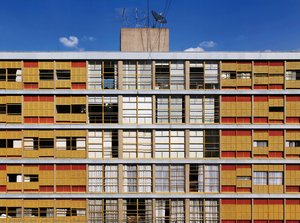
El Khoury’s work transcends traditional gallery spaces; his canvas is the city itself. His most impactful projects are large-scale public installations that directly engage with Beirut's urban fabric, transforming abandoned buildings and neglected areas into sites of collective memory and hope. The “Burj el Hawa” (Tower of Wind) project exemplifies this approach. By installing brightly colored curtains within the empty windows of an abandoned building, El Khoury animated a forgotten structure, creating a kinetic sculpture that responded to the natural elements. The movement of the curtains served as a metaphor for resilience, suggesting a fragile yet persistent life force within the ruins. Similarly, his “Curtains of Hope” project extends this concept further, aiming to raise awareness about displacement caused by natural disasters and climate change. By installing these vibrant textiles in areas affected by floods, tornados, and droughts, El Khoury seeks to create large-scale expressions of hope that counter the traumatic events that have forced people from their homes. These installations aren’t merely aesthetic interventions; they are deeply political acts, challenging viewers to confront uncomfortable truths about displacement, urban decay, and the long-term consequences of conflict.Recognition and Resonance: A Global Dialogue
El Khoury's work has garnered international recognition, solidifying his position as a leading voice in contemporary public art. He received awards including the Institute of Public Art Award and the Arte Laguna Prize for Urban Art and Land Art, accolades that acknowledge not only the aesthetic quality of his creations but also their profound social impact. His participation in a residency program at Praksis in Oslo, Norway, in 2022 further expanded his artistic horizons, allowing him to explore new contexts and engage with different communities. He was selected as a finalist for the COAL Prize in 2019, presenting his “Curtains of Hope” project at COP25 in Madrid, Spain—a testament to the global relevance of his work. His art has been showcased internationally, resonating with audiences who recognize the universal themes of trauma, resilience, and the power of collective memory. The impact of his work extends beyond the visual realm; it sparks dialogue, challenges perceptions, and inspires action. He is a testament to how art can be used as a catalyst for healing and social change.Historical Significance: A Voice for Lebanon’s Future
Jad El Khoury's significance lies not only in his artistic achievements but also in his ability to articulate the complexities of post-war Lebanon. He doesn’t shy away from confronting difficult truths; instead, he embraces them, transforming scars into symbols of hope and resilience. His work is a powerful reminder that memory—even painful memory—is essential for building a more just and equitable future. By reclaiming public space and engaging with the urban fabric of Beirut, El Khoury challenges dominant narratives and invites viewers to participate in a collective process of healing.- His use of playful characters like the Potato Noses subverts traditional notions of political art
- He transforms abandoned buildings into sites of remembrance and hope.
- His installations are deeply rooted in the specific context of Lebanon but resonate with universal themes of trauma, displacement, and resilience.
jad el khoury
1988 - , Lebanon
Osnovne informacije
- Artistic Movement Or Style: Public art, Urban art
- Current Status: Living
- Date Of Birth: 1988
- Full Name: Jad El Khoury
- Nationality: Lebanese
- Notable Artworks:
- Curtains of Hope
- Burj el Hawa
- Place Of Birth: Baabda, Lebanon
- Profession: Artist & Architect