

 Pošalji
 Podeli
 Detalji o delu

 Преузми
 Slični predmeti
 Slajdovi
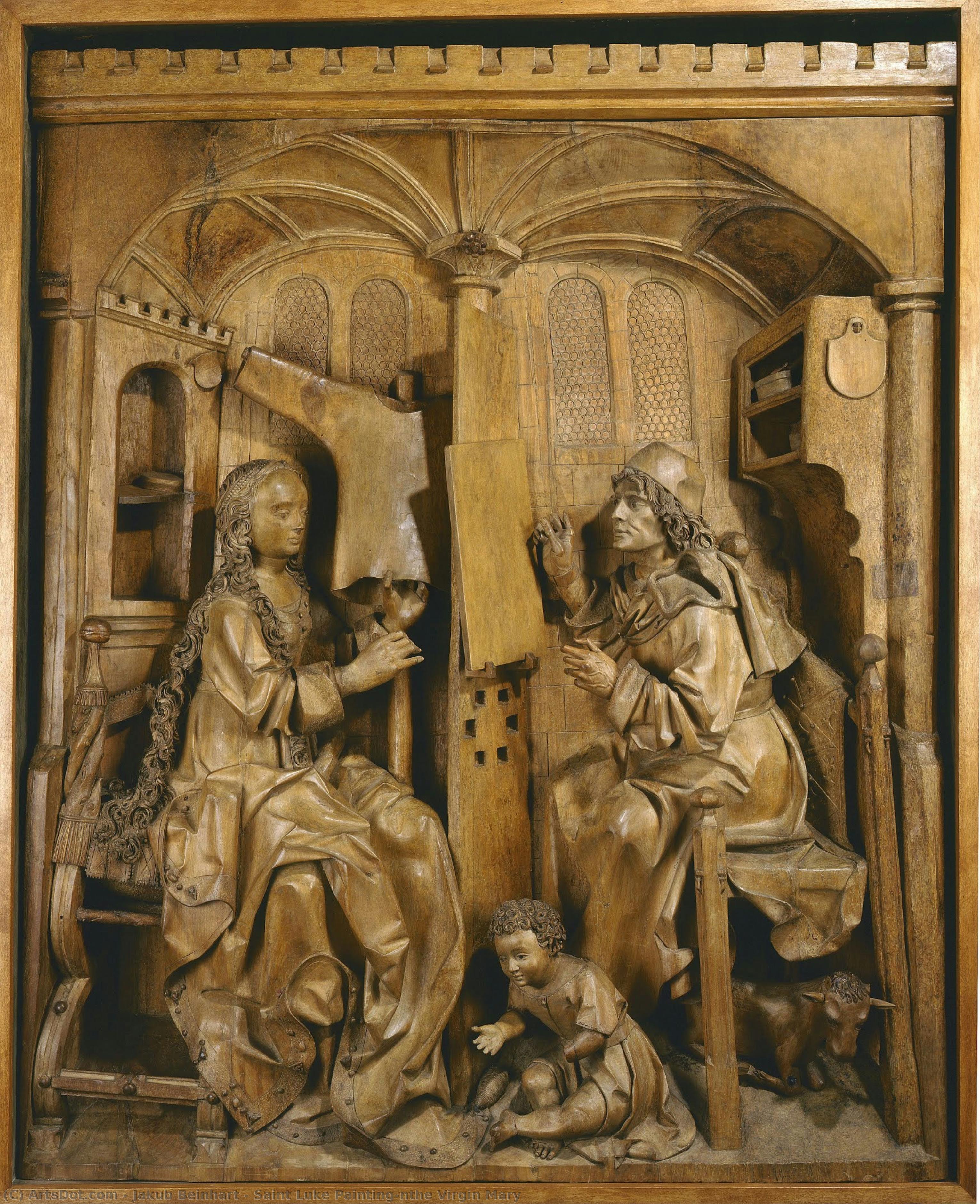
Saint Luke Painting\nthe Virgin Mary
 Wood
Wood- Sculpture
- Baroque
 Renaissance
 113.0 x 138.0 cm
 Narodni muzej u Varšavi
 Pročitaj više
Giclee štampa / Umetnički otisak
Giclée štampa ili print na platnu muzejskog kvaliteta uz brzu proizvodnju i fleksibilne opcije završne obrade. ( Kupi ručno naslikanu sliku Kupi digitalnu sliku)




































Izaberite jednu od naših unapred definisanih veličina koje odgovaraju originalnim proporcijama umetničkog dela.

Možete uneti sopstvene dimenzije kako biste umetničko delo prilagodili specifičnom okviru ili prostoru. Ako odabrani format ne odgovara proporcijama originalne slike, mi ćemo ili iscrtati deo dela ili proširiti sliku pomoću ogledane ivice ili jednobojnog popunjavanja. Digitalni prikaz će vam biti poslat na odobrenje pre početka proizvodnje.
Imajte na umu da pregled na ekranu ne odražava stvarno iscrtavanje ili proširivanje. Samo će prikaz (mockup) precizno pokazati finalnu kompoziciju.
Iako su prilagođene dimenzije dostupne, preporučujemo da odaberete dimenziju sa unapred definisane liste kako biste očuvali originalne proporcije.
Dostava širom sveta () za 2 nedelje umesto uobičajenih 4/5 nedelja. (7 септембар)

Besplatna ekspresna dostava širom sveta

Visokokvalitetno laneno platno

Kompletno osiguranje transporta

Garancija povraćaja carine i uvoznih dažbina

Garancija vernosti boja

Politika povraćaja u roku od 100 dana (isključivo u slučaju nedostataka)

Garancija povrata novca od 100%

Popust pri grupnoj kupovini
 Opcija sa staklom dostupna je samo za dimenzije manje od 110 cm

Saint Luke Painting\nthe Virgin Mary
Giclee štampa / Umetnički otisak
Dimenzije reprodukcije
-


Konačna cena
$ 62
A Divine Intersection of Art and Legend
In the quiet, hallowed atmosphere of religious history, few narratives are as enchanting as the legend of Saint Luke the Evangelist capturing the divine essence of the Virgin Mary upon a canvas. The relief sculpture by Jakub Beinhart, titled Saint Luke Painting the Virgin Mary, serves as a profound physical manifestation of this myth. This masterpiece does not merely depict a scene; it captures a moment where the mortal hand meets the celestial subject. Within this intricate work, we find a dual narrative: the creation of a miraculous portrait and the weaving of Christ’s seamless tunic. The composition invites the viewer into a sacred workshop, where the act of artistic creation is elevated to a form of prayer, making it an irresistible centerpiece for any collection dedicated to the profound intersections of faith and fine art.
The subject matter delves deep into the biblical symbolism found in the Gospel of St. John. As Mary weaves the tunic for Jesus—a garment destined to be famously torn by Roman soldiers—the artist juxtaposes this physical labor with the spiritual labor of Saint Luke’s brushwork. This connection suggests that both the woven cloth and the painted image are relics of a divine truth. For the discerning collector or interior designer, this piece offers a rich tapestry of storytelling, where every detail, from the Child at play to the focused intensity of the figures, contributes to a larger theological dialogue about the preservation of the sacred through human craftsmanship.
Mastery of Form and Natural Elegance
What distinguishes Beinhart’s work is his extraordinary decision to eschew the traditional use of vibrant pigments in favor of the raw, honest beauty of natural wood. This stylistic choice lends the relief an organic warmth and a timeless quality that color might otherwise obscure. By working with the grain and texture of the medium, Beinhart achieves a sense of depth and dimension that makes the figures appear almost lifelike, as if they were breathing within the very timber from which they were carved. The technique reflects a sophisticated understanding of the German sculptural traditions of the late 15th and early 16th centuries, specifically echoing the refined styles found in Swabia and Franconia.
The visual impact of this piece is characterized by its remarkable finish and the delicate interplay of light and shadow across the wooden surfaces. For those seeking to adorn a space with art that evokes both historical gravity and understated elegance, this work provides an unparalleled aesthetic experience. It possesses a quiet power that does not demand attention through loudness, but rather commands it through intricacy and soul. Whether placed in a classical study, a grand hall, or a contemporary gallery setting, a high-quality reproduction of this relief brings with it the weight of history and the serene beauty of the Baroque era's most visionary craftsmanship.
Srodna umetnička dela
Biografija umetnika
Jakub Beinhart: A Visionary Sculptor of Baroque Würzburg
Jakub Beinhart (c. 1483 – 1560), born in Geislingen am Gladbach, Germany, stands as a singular figure within the artistic landscape of the German Baroque era. His legacy resides primarily in his monumental sandstone sculpture of the Madonna and Child adorning the north side of St Mary Magdelene Church in Würzburg—a testament to both technical prowess and profound spiritual conviction. While biographical details remain scarce, scholarly research illuminates a life dedicated to craftsmanship and artistic mentorship, shaping the artistic trajectory of several prominent sculptors within Bavaria.- Early Life & Training: Born around 1483 in Geislingen am Gladbach, Beinhart’s formative years were steeped in the traditions of Germanic sculpture. Precise documentation is elusive, yet evidence suggests he honed his skills under the tutelage of Johann Schäufele, a celebrated sculptor whose workshop served as a crucible for artistic innovation during the period.
- Migration & Citizenship: Recognizing the burgeoning opportunities offered by Breslau (now Wrocław), Beinhart formally adopted citizenship on February 14th, 1503. This relocation marked not merely a geographical shift but also an embrace of intellectual and cultural currents circulating within the Polish-Lithuanian Commonwealth—a region renowned for its patronage of the arts.
- Würzburg & The Madonna Sculpture: Beinhart’s artistic zenith arrived in Würzburg, where he accepted a commission from Johann Georg Fuchs von Waldhausen to create a monumental sculpture commemorating the coronation of Maximilian I. This undertaking resulted in the breathtaking sandstone Madonna and Child—a masterpiece embodying the stylistic hallmarks of Baroque art: dynamic drapery, expressive faces, and meticulous attention to detail. The sculpture’s placement within St Mary Magdelene Church underscores its significance as a devotional icon.
Stylistic Influences & Artistic Technique
Beinhart's sculptural style reflects the broader artistic currents of his time, drawing heavily from Flemish Mannerism and Italian Renaissance precedents. The drapery in particular exhibits an unparalleled dynamism—folds ripple with palpable energy, conveying a sense of movement that transcends mere representation. This stylistic choice aligns seamlessly with the prevailing aesthetic sensibilities championed by artists like Michelangelo Buonarroti and Andrea del Sarto.Legacy & Historical Significance
Jakub Beinhart’s contribution to Baroque art transcends mere stylistic imitation; he established himself as a pivotal figure in fostering artistic talent within Bavaria. He mentored numerous apprentices, disseminating his knowledge and inspiring them to pursue excellence in sculptural craftsmanship. Furthermore, the Madonna sculpture remains an enduring symbol of piety and artistic achievement—a cornerstone of Würzburg Cathedral’s architectural grandeur and a testament to the transformative power of patronage.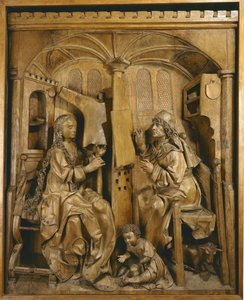
jakub beinhart
Germany
Osnovne informacije
- Artistic Movement Or Style: Baroque
- Date Of Birth: February 1483
- Full Name: Jakub Beinhart
- Nationality: German
- Notable Artworks: ['Madonna and Child']
- Place Of Birth: Geislingen am Gladbach, Germany
Povezani članci

Fra Anđeo: 25 Remek-dela Renesansnog Duha za Vaš Dom | ArtsDot
Uronite u svet Fra Anđela – 25 remek-dela renesansnog slikara. Otkrijte priče iza njegovih čuvenih fresaka i oltarskih slika, inspiracija za enterijer i duhovni mir. Kupite reprodukcije vrhunskog kvaliteta na ArtsDot.com!
Sculpting with Soul: An Expert Guide to the Tactile Elegance of Plaster Relief Art
Discover the captivating world of plaster relief art. Our expert guide explores the history, techniques, and curation of textured bas-relief, helping collectors bring depth, light, and soulful dimension to their modern interiors through sophisticated sculptural masterpieces.
Jacob Henricus Maris: A Master of Dutch Atmospheric Realism & the Intimate Landscape
Explore the captivating world of Jacob Henricus Maris, a leading figure of the Dutch Hague School. Discover his atmospheric landscapes, signature brushstrokes & lasting influence on 19th-century art. Learn more at ArtsDot.

Grant Wood & American Regionalism: Identity, Myth & the Rural Landscape
Explore the world of Grant Wood & American Regionalism with ArtsDot. Discover the symbolism behind 'American Gothic', recurring themes, and the movement's lasting impact on art history. High-quality reproductions available.

Mary Vaux Walcott: Botanical Precision & Artistic Vision in American Conservation
Discover the exquisite botanical watercolors of Mary Vaux Walcott, celebrated as the 'Audubon of Botany.' Explore her life, art, and lasting impact on American conservation through detailed illustrations & Smithsonian contributions.