

 Pregledaj u prostoru
 Pošalji
 Podeli
 Detalji o delu

 Преузми
 Slični predmeti
 Rendgenski snimak
 Slajdovi
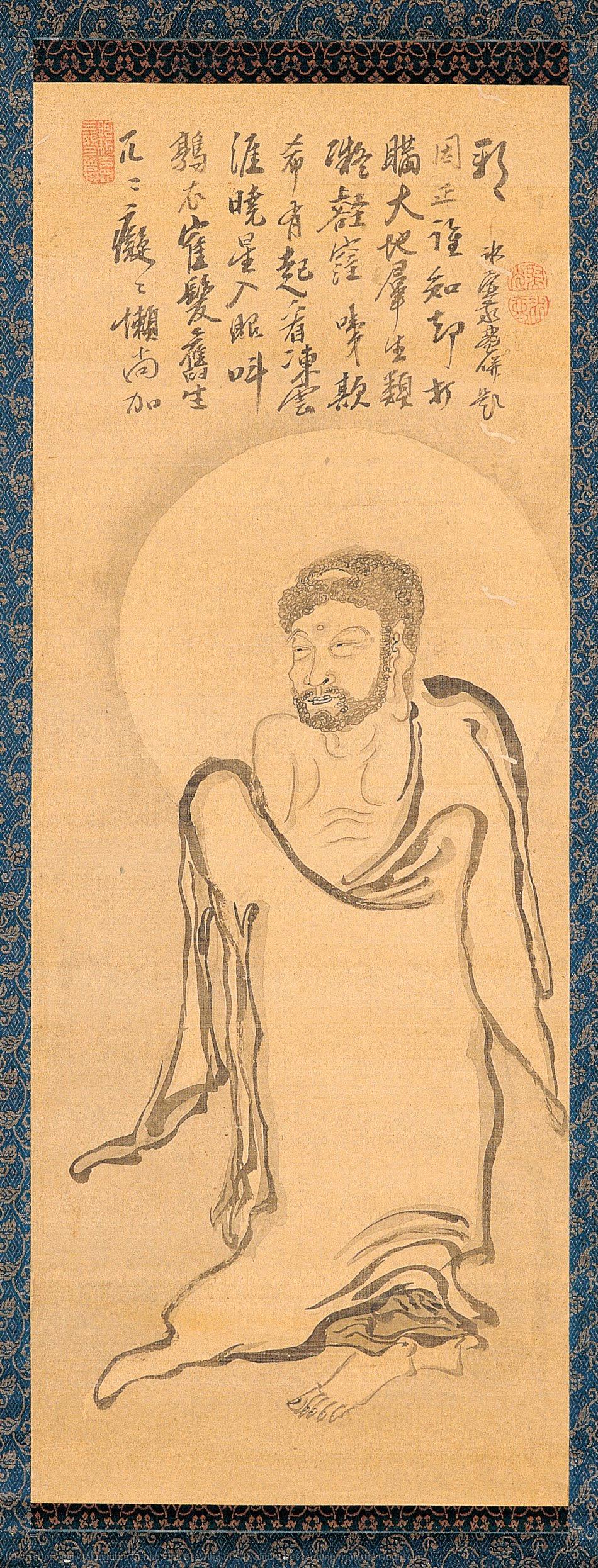
Ink Drawing of Śākyamuni Descending from the Mountain

 Pročitaj više
Ručno rađena uljana reprodukcija
Ručno oslikano uljanim bojama na platnu u dimenzijama i okviru po vašem izboru, izrađeno po porudžbini od strane naših umetnika. ( Kupi print Kupi digitalnu sliku)




































Izaberite jednu od naših unapred definisanih veličina koje odgovaraju originalnim proporcijama umetničkog dela.

Можете унети сопствене димензије како бисте прилагодили дело одређеном оквиру или простору. Ако одабрана величина не одговара пропорцијама оригинала, слика ће бити исечена или проширена додатним елементима који се ручно насликавају. Дигитални prikaz ће вам бити послат на одобрење пре почетка производње.
Имајте на уму да преглед на екрану не одражава стварно исецање или проширење. Само приказ (mockup) ће тачно приказати коначну композицију.
Иако су доступне прилагођене величине, препоручујемо да одаберете димензију из дефинисане листе како бисте сачували оригиналне пропорције.
Nakon narudžbine, tim ArtsDot.com će klijentu putem e-pošte poslati uputstva i dostaviti prikaz predloženog rešenja
Isporuka širom sveta () za 3/4 nedelje umesto uobičajenih 5 nedelja. (24 август). Bez kompromisa po pitanju kvaliteta.

Besplatna ekspresna dostava širom sveta

Visokokvalitetno laneno platno

Kompletno osiguranje transporta

Garancija povraćaja carine i uvoznih dažbina

Garancija vernosti boja

Politika povrata u roku od 60 dana (samo u slučaju nedostataka)

Garancija povrata novca od 100%

Popust pri grupnoj kupovini
 Opcija sa staklom dostupna je samo za dimenzije manje od 110 cm

Ink Drawing of Śākyamuni Descending from the Mountain
Tehnika reprodukcije
Dimenzije reprodukcije
-


Konačna cena
$ 263
Srodna umetnička dela


Biografija umetnika
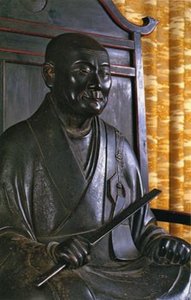
A Poet of Stillness: Exploring the Legacy of Jakushitsu Genkō
Jakushitsu Genkō (寂室 元光, june 23, 1290 – september 25, 1367) stands as a singular figure in fourteenth-century Japan—a Rinzai Zen master whose artistic output transcended mere craftsmanship to embody the very essence of contemplative practice. More than just a painter’s disciple, Genkō was a poet who wrestled with profound philosophical questions and distilled them into verses that continue to resonate with practitioners and scholars alike. His contribution to Zen aesthetics is undeniable, cementing his place among Japan's most revered literary luminaries.- Early Life & Artistic Formation: Little biographical detail survives concerning Genkō’s formative years; he emerged from obscurity as a student of Zen at Nara Temple, establishing a foundation for his lifelong devotion to the Dharma. However, it was his pilgrimage to China between 1320 and 1326 that irrevocably shaped his artistic sensibilities. Driven by an unwavering desire for enlightenment, Genkō traveled extensively, immersing himself in the teachings of Linji Chan Buddhism—a school known for its radical immediacy and paradoxical pronouncements. This experience instilled within him a deep appreciation for simplicity and directness, qualities that would permeate his poetic endeavors.
- The Influence of Linji & Literary Tradition: The Linji School’s emphasis on sudden enlightenment profoundly impacted Genkō's worldview. Rejecting elaborate ritualistic practices, Linji masters advocated for confronting reality without mediation—a principle mirrored in Genkō’s poetry. He drew inspiration from the towering figures of Fujiwara no Teika and other prominent poets of his era, absorbing their stylistic innovations while forging a distinctly Japanese voice. Furthermore, Genkō's artistic vision was informed by the burgeoning tradition of literati painting, particularly the serene landscapes favored by Lu You—a movement that prioritized capturing the spirit of nature rather than mere visual representation.
- A Voice of Quiet Reflection: Genkō’s poetic style is characterized by its breathtaking brevity and crystalline clarity. He eschewed ornate metaphors and elaborate descriptions, opting instead for concise phrases that conveyed profound spiritual insight. Recurring motifs—mountains, waterfalls, and autumn foliage—served as conduits for exploring themes of impermanence, emptiness (sunyata), and the elusive quest for liberation. His poems aren’t merely aesthetically pleasing; they are invitations to contemplate the fundamental nature of existence.
- Notable Works & Recognition: Genkō's magnum opus is arguably “Poems of the Five Mountains,” a collection that meticulously documented his travels across Japan’s sacred peaks—Mount Fuji, Mount Hakusan, Mount Kinmochi, Mount Ōyama, and Mount Tsukuba. These poems capture not only the physical beauty of these landscapes but also their symbolic significance as emblems of spiritual aspiration. His inclusion in the Shin Kokin Wakashū—an imperial anthology considered one of Japan’s finest achievements in waka poetry—solidified his reputation as a master poet and ensured that his verses would endure for centuries to come.
- Legacy & Enduring Significance: Jakushitsu Genkō's influence extends far beyond the confines of his own lifetime. He championed Zen Buddhism’s core tenets, advocating for mindfulness and cultivating inner peace—values that continue to inspire Buddhist practitioners today. His poetic legacy serves as a testament to the transformative power of contemplation and reminds us that true wisdom resides not in intellectual understanding but in experiencing the world with unwavering awareness. For a deeper exploration of his work and life, consult https://ArtsDot.com/@/jakushitsu-genko or Wikipedia.
Jakushitsu Genkō
1290 - 1367 , Japan
Osnovne informacije
- Artistic Movement Or Style: Rinzai Zen
- Artists Or Movements Influenced By This Artist: ['Linji School']
- Artists Who Influenced This Artist:
- Lu You
- Fujiwara no Teika
- Date Of Birth: 1290
- Date Of Death: 1367
- Full Name: Jakushitsu Genkō
- Nationality: Japanese
- Notable Artworks:
- Poems of the Five Mountains
- Shin Kokin Wakashū
- Place Of Birth: Tokyo, Japan

