 Pregledaj u prostoru
 Pošalji
 Podeli
 Detalji o delu

 Преузми
 Slični predmeti
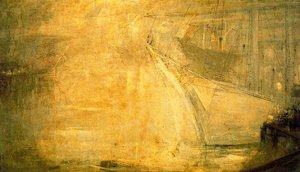
 Rendgenski snimak
 Slajdovi
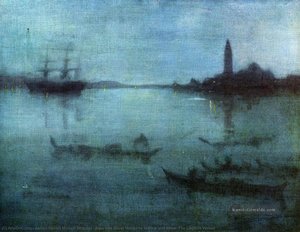
Nocturne: Blue and Gold - Southampton Water


 Pročitaj više
Giclee štampa / Umetnički otisak
Giclée štampa ili print na platnu muzejskog kvaliteta uz brzu proizvodnju i fleksibilne opcije završne obrade. ( Kupi ručno naslikanu sliku Kupi digitalnu sliku)




P118B $10

P118H $10

P118W $10

P438Z $10

P508JH $12

P508YH $12

P805H $10

P805Z $10

P919BZ $10

P919G $10

P919XJ $10

P959ZH $10

P968JZ $12

W106C $8

W218G $10

W218JH $8

W218Y $10

W307PJ $10

W316G $10

W316PJ $8

W316Y $10

W398PJ $8

W4111J $10

W500HY $15

W500JH $15

W692G $12

W849H $8

W940BG $15

W953PJ $8




Izaberite jednu od naših unapred definisanih veličina koje odgovaraju originalnim proporcijama umetničkog dela.

Možete uneti sopstvene dimenzije kako biste umetničko delo prilagodili specifičnom okviru ili prostoru. Ako odabrani format ne odgovara proporcijama originalne slike, mi ćemo ili iscrtati deo dela ili proširiti sliku pomoću ogledane ivice ili jednobojnog popunjavanja. Digitalni prikaz će vam biti poslat na odobrenje pre početka proizvodnje.
Imajte na umu da pregled na ekranu ne odražava stvarno iscrtavanje ili proširivanje. Samo će prikaz (mockup) precizno pokazati finalnu kompoziciju.
Iako su prilagođene dimenzije dostupne, preporučujemo da odaberete dimenziju sa unapred definisane liste kako biste očuvali originalne proporcije.
Dostava širom sveta () za 2 nedelje umesto uobičajenih 4/5 nedelja. (29 август)

Besplatna ekspresna dostava širom sveta

Visokokvalitetno laneno platno

Kompletno osiguranje transporta

Garancija povraćaja carine i uvoznih dažbina

Garancija vernosti boja

Politika povrata u roku od 60 dana (samo u slučaju nedostataka)

Garancija povrata novca od 100%

Popust pri grupnoj kupovini
 Opcija sa staklom dostupna je samo za dimenzije manje od 110 cm

Nocturne: Blue and Gold - Southampton Water
Giclee štampa / Umetnički otisak
Dimenzije reprodukcije
-


Konačna cena
$ 62
A Symphony of Light and Shadow: Whistler’s “Nocturne”
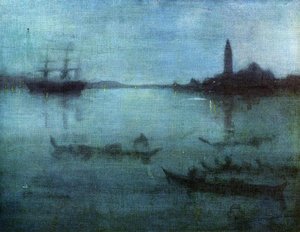
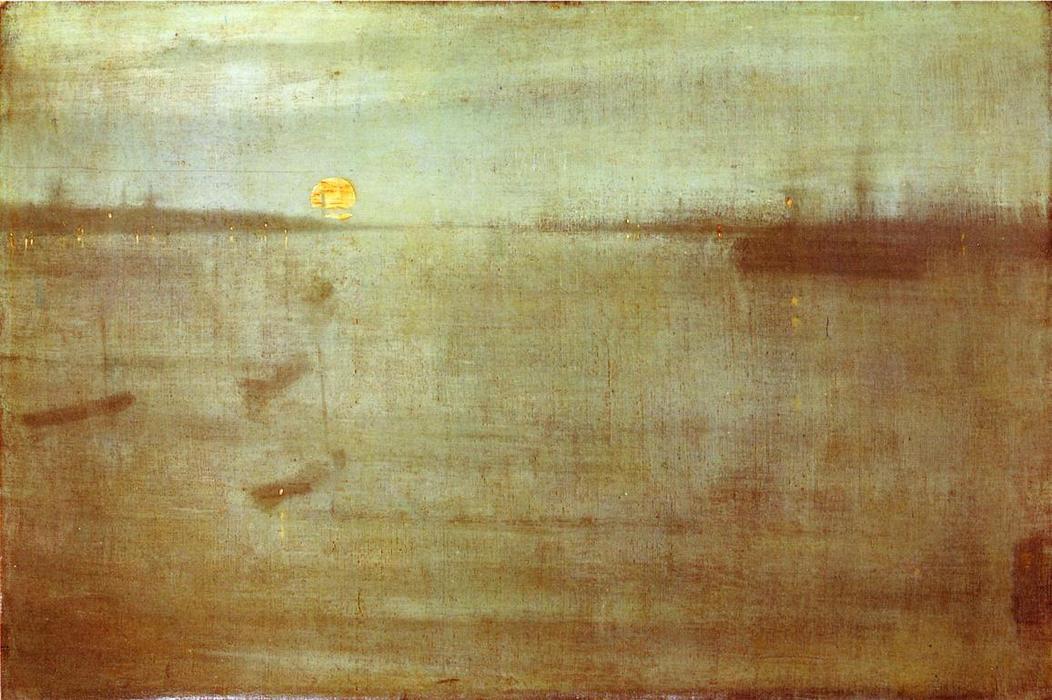
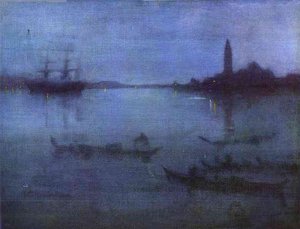
James Abbott McNeill Whistler's "Nocturne: Blue and Gold – Southampton Water," painted in 1872, isn’t merely a depiction of an evening seascape; it’s a carefully constructed meditation on color, light, and the elusive beauty of twilight. Born in Lowell, Massachusetts, Whistler navigated a life often at odds with conventional artistic expectations, ultimately championing the philosophy of “art for art’s sake.” This painting embodies that ethos perfectly – prioritizing aesthetic experience over narrative or moral instruction. The scene unfolds before us: a tranquil stretch of Southampton Water bathed in the fading glow of sunset. The water itself is rendered not as a solid mass but as a shimmering tapestry of blues and golds, achieved through Whistler's masterful layering of thin, translucent glazes—a technique he famously referred to as “broken color.” This method allowed him to capture the subtle shifts and reflections of light on the water’s surface with an astonishing degree of realism and atmospheric depth. The distant boats, rendered in muted tones, suggest a world beyond the immediate scene, while their presence anchors the composition and provides a sense of scale.
The Aesthetic Movement and Whistler's Vision
“Nocturne” is inextricably linked to the rise of the Aesthetic movement, which flourished in late 19th-century Europe. Rejecting the Victorian preoccupation with grand historical narratives and moralizing themes, aesthetes sought to elevate beauty as an end in itself. Whistler, a key figure within this circle, believed that art should be judged solely on its visual impact – its ability to evoke emotion and create a harmonious experience for the viewer. He deliberately avoided brushstrokes, striving instead for a smooth, almost photographic quality, believing that the artist’s hand should be invisible. This deliberate restraint is evident in “Nocturne,” where the focus rests entirely on the interplay of color and light. Whistler's rejection of traditional painting techniques was revolutionary at the time, challenging established notions of artistic skill and purpose. He famously argued that his paintings were "tone poems," musical compositions translated into visual form.
Decoding the Symbolism: More Than Just a Sunset
While seemingly straightforward, “Nocturne” is rich in subtle symbolism. The choice of Southampton Water itself holds significance; it was a favorite subject for Whistler, representing a connection to the English countryside and a refuge from the bustle of London. The boats, often interpreted as symbols of industry and commerce, are presented with a gentle reverence, suggesting a quiet appreciation for human endeavor. The two figures in the distance – barely discernible yet undeniably present – introduce an element of humanity into the vastness of the seascape. They serve not as characters within a story but as points of reference, emphasizing the scale of the scene and inviting the viewer to contemplate their own place within it. The overall effect is one of serene contemplation, a moment suspended between day and night, memory and reality.
Technique and Materials: A Masterclass in Color
Whistler’s meticulous approach to color is central to the painting's enduring appeal. He employed a technique known as “impassible” painting – applying thin layers of oil paint so translucent that the underlying canvas shows through. This created a luminous, almost ethereal effect, particularly noticeable in the reflections on the water. The blues range from deep indigo to pale cerulean, while the golds shimmer with an iridescent quality. Whistler’s use of complementary colors—blue and gold—intensifies their visual impact, creating a vibrant yet harmonious composition. He often worked outdoors, directly observing the changing light conditions, which undoubtedly informed his understanding of color and atmosphere. The painting's surface is remarkably smooth, achieved through countless layers of painstaking application and blending – a testament to Whistler’s dedication to achieving his desired aesthetic effect.
Bringing “Nocturne” Home: A Reproduction for Your Space
ArtsDot offers meticulously crafted hand-painted reproductions of "Nocturne: Blue and Gold – Southampton Water," allowing you to experience the beauty and tranquility of Whistler’s masterpiece in your own home. Our skilled artists replicate every nuance of color, texture, and light, ensuring an authentic representation of this iconic work. Whether adorning a living room wall or gracing a study, this reproduction captures the essence of Whistler's aesthetic vision – a celebration of beauty, light, and the evocative power of art. Consider how the painting’s calming palette and atmospheric depth can contribute to a serene and contemplative atmosphere within your space. Explore our high-quality reproductions today
Srodna umetnička dela
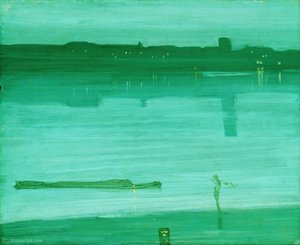
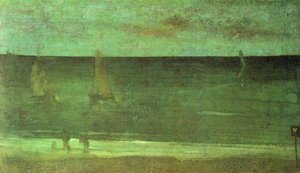
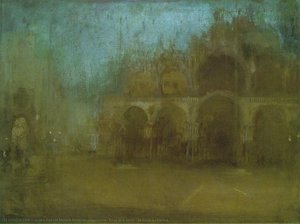
Biografija umetnika
James Abbott McNeill Whistler: Američki Pionir Estetizma i Tonalizma
Rođen 1834. godine u Lovelu, Masačusetsu, James Abbott McNeill Whistler bio je umetnik koji je svojim životom i delom izazivao konvencije, postajući jedan od najznačajnijih predstavnika estetizma i tonalizma u američkoj i evropskoj umetnosti 19. veka. Njegovo detinjstvo obeležile su česte selidbe porodice zbog očevog posla kao inženjera železnica, što je u njemu razvilo osećaj prilagodljivosti i izloženost različitim kulturama. Kratak i neuspešan boravak na Vojnoj akademiji Vest Point pokazao je da njegov put leži u umetnosti, a rad u službi obalnih snaga SAD samo je odložio, ali nije ugušio njegovu strast. Rano stečena veština crtanja i odlučnost da se bavi slikarstvom doveli su ga preko Atlantika, u srce evropske avangarde.Pariskom Okruženju: Formiranje Stila i Filozofije
Presudan trenutak u Whistlerovoj umetničkoj karijeri nastupio je kada se 1855. godine preselio u Pariz. Pod mentorstvom Sebastijana Burea, usavršavao je svoje veštine uljane boje, akvarela i grafike, upijajući uticaje francuskog realizma i škole Barbizonskih slikara. Međutim, Whistler se ubrzo izdvojio iz pukog imitiranja, razvijajući prepoznatljiv stil karakterisan tonalnim harmonijama i atmosferskim efektima. Njegov cilj nije bio da reprodukuje stvarnost, već da uhvati njenu *esenciju*, prolazne raspoloženje i suptilne nijanse. U Parizu je počeo da artikuliše svoje ubeđenje da se umetnost treba ocenjivati isključivo na osnovu estetskih kvaliteta, oslobođena od didaktičkih ili moralizatorskih ograničenja – filozofija koja će postati kamen temeljac njegove umetničke prakse i definisala Estetski pokret.Noćurne, Portreti i Potraga za Harmomijom
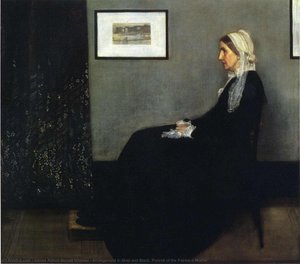
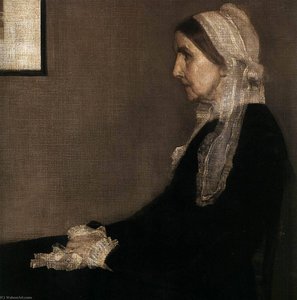
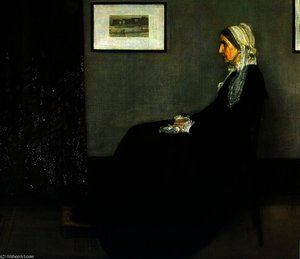
Whistlerova umetnička vizija kristalizovala se u nekoliko ključnih tema i stilskih izbora. On je zastupao koncept „umetnosti radi umetnosti“, odbacujući narative opterećene moralnim ili društvenim komentarima. Njegovo delo postalo je vežba hvatanja suptilnih nijansi svetlosti, boje i atmosfere – preduzimanje koje ga je dovelo do njegovih ikoničnih *Noćurni*. Ovi atmosferski prikazovi sumračkih scena, često sa Temzom tokom noći, nisu bili namenjeni kao doslovna prikaza, već kao evokativni utisci, studije tonalne harmonije i raspoloženja. Često je koristio ograničene palete boja i nežno nanošenje boje, stvarajući osećaj eterične lepote i tihe kontemplacije. Portreti su takođe zauzimali centralno mesto u njegovoj praksi, iako ih je pristupao sa jedinstvenim senzibilitetom. Whistler nije bio zabrinut za savršeno prikazivanje lica; umesto toga, fokusirao se na formalne aranžmane i tonalne odnose, tretirajući svoje modele kao kompozicione elemente unutar pažljivo konstruisanog estetskog okvira. Dela poput *Arrangement in Grey and Black No. 1*—poznatijeg kao *Whistler’s Mother*—savršeno ilustruju ovaj pristup, transformišući porodični portret u ikoničnu sliku viktorijanske majke kroz majstorsku upotrebu oblika i tona.Kontroverze, Uticaji i Trajno Nasleđe
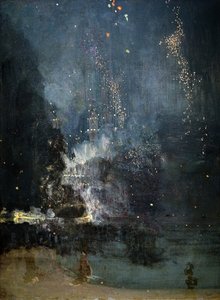
Whistlerova karijera nije bila bez kontroverzi. Infamous sudski spor koji je podigao protiv umetničkog kritičara Džona Raselina 1878. godine, potaknut *Nocturne in Black and Gold – The Falling Rocket*, postao je prekretnica u istoriji umetnosti. Whistler je uspešno branio svoju umetničku autonomiju, tvrdeći da njegove slike nisu bile namenjene kao realistički prikazivanja, već kao estetski aranžmani boja i oblika. Ovaj slučaj podigao je njegov profil i izazvao važne debate o prirodi umetničke kritike i umetničkoj slobodi. Osim ovog pravnog spora, Whistlerov uticaj se protezao daleko i široko. Duboko ga je inspirisalo japansko štampanje (ukijo-e), koje je informisalo njegove kompozicione principe i naglasak na dekorativnim uzorcima, kao i tonalna majstorija španskih slikara poput Velazqueza. Njegovo zalaganje za „umetnost radi umetnosti“ duboko je uticalo na Estetski pokret u Engleskoj i Americi, otvarajući put modernizmu i izazivajući konvencionalne ideje o umetničkoj svrsi. Ostavio je neizbrisiv trag na američku umetnost, inspirisavši generacije umetnika da prihvate formalističke pristupe i istražuju ekspresivni potencijal boje i kompozicije.- Značajna dela: *The Forge* (1861), *Portrait of Charles Lang Freer* (1873), *Brown and Gold: The Gold Girl—Connie Gilchrist* (1876-77), *Arrangement in Grey and Black No. 1 (Whistler’s Mother)* (1871), *Nocturne in Black and Gold – The Falling Rocket* (1875).
- Uticaji: Japanska štamparija, Velázquez.
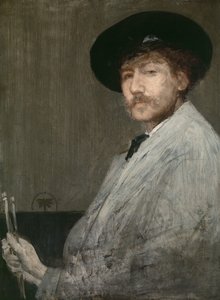
Džejms Abbot Meknil Visler
1834 - 1903 , Сједињене Америчке Државе
Osnovne informacije
- Datum Rođenja: 10. jul 1834.
- Datum Smrti: 17. jul 1903.
- Mesto Rođenja: Lovel, SAD
- Nacionalnost: Američki
- Pokreti/Umetnici Pod Uticajem:
- Estetski pokret
- Modernizam
- Puno Ime: Džejms Abot Meknil Vistler
- Umetnički Pokret: Tonalizam, Estetizam
- Uticajni Umetnici:
- Velázquez
- Japanski štampa
- Značajna Dela:
- Arrangement in Grey and Black No. 1
- Nocturne in Black and Gold
- The Forge
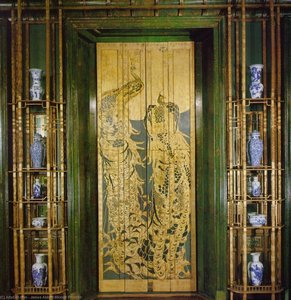
- Peacock Room
Povezani članci
Džems Abbot MekNil Whistler: 25 Remek-dela Majstora Tonalizma | ArtsDot
Istražite 25 remek-dela Džemsa Abota MekNila Whistler-a! Uronite u svet Tonalizma, portreta i prelepog pejzaža. Kupite vrhunske reprodukcije slika na ArtsDot.com i obogatite svoj enterijer luksuznom umetnošću.
Slate Blue Masterpieces: 10 Iconic Paintings & Timeless Home Decor Ideas
Immerse yourself in the captivating world of slate blue! Explore 10 iconic paintings by Monet, Van Gogh & Renoir. Discover their stories, techniques & find museum-quality art reproductions for your home at .
The Allure of Azure: Exploring the Symbolic & Aesthetic Depths of Blue in Art History
Explore the rich history of blue in art! Discover its symbolism, from ancient pigments to modern masterpieces by Kandinsky & Seurat. Uncover the psychological impact and cultural meanings behind this captivating hue.
Golden Glow: How to Use Metallic Gold Artworks to Elevate Your Home Decor with Timeless Luxury
Discover how to elevate your home with the timeless elegance of metallic gold artworks. From sculptural metal pieces to gilded oil paintings, learn expert interior design tips for integrating luxurious gold accents into your space with sophistication and grace.
Fluid Reflections: Exploring Water's Symbolism in Art History – From Myth to Impressionism
Explore the rich symbolism of water in art history – from ancient myths to Impressionism's fleeting beauty. Discover masterpieces & find your perfect serene artwork with ArtsDot.com.