 Pregledaj u prostoru
 Pošalji
 Podeli
 Detalji o delu

 Преузми
 Slični predmeti
 Rendgenski snimak
 Slajdovi
 Stats
StatsThe Pool


 Pročitaj više
Ručno rađena uljana reprodukcija
Ručno oslikano uljanim bojama na platnu u dimenzijama i okviru po vašem izboru, izrađeno po porudžbini od strane naših umetnika. ( Switch to Print Switch to Digital Image)




P118B $10

P118H $10

P118W $10

P438Z $10

P508JH $12

P508YH $12

P805H $10

P805Z $10

P919BZ $10

P919G $10

P919XJ $10

P959ZH $10

P968JZ $12

W106C $8

W218G $10

W218JH $8

W218Y $10

W307PJ $10

W316G $10

W316PJ $8

W316Y $10

W398PJ $8

W4111J $10

W500HY $15

W500JH $15

W692G $12

W849H $8

W940BG $15

W953PJ $8




Izaberite jednu od naših unapred definisanih veličina koje odgovaraju originalnim proporcijama umetničkog dela.

Можете унети сопствене димензије како бисте прилагодили дело одређеном оквиру или простору. Ако одабрана величина не одговара пропорцијама оригинала, слика ће бити исечена или проширена додатним елементима који се ручно насликавају. Дигитални prikaz ће вам бити послат на одобрење пре почетка производње.
Имајте на уму да преглед на екрану не одражава стварно исецање или проширење. Само приказ (mockup) ће тачно приказати коначну композицију.
Иако су доступне прилагођене величине, препоручујемо да одаберете димензију из дефинисане листе како бисте сачували оригиналне пропорције.
Nakon narudžbine, tim ArtsDot.com će klijentu putem e-pošte poslati uputstva i dostaviti prikaz predloženog rešenja
Isporuka širom sveta () za 3/4 nedelje umesto uobičajenih 5 nedelja. (8 септембар). Bez kompromisa po pitanju kvaliteta.

Besplatna ekspresna dostava širom sveta

Visokokvalitetno laneno platno

Kompletno osiguranje transporta

Garancija povraćaja carine i uvoznih dažbina

Garancija vernosti boja

Politika povraćaja u roku od 100 dana (isključivo u slučaju nedostataka)

Garancija povrata novca od 100%

Popust pri grupnoj kupovini
 Opcija sa staklom dostupna je samo za dimenzije manje od 110 cm

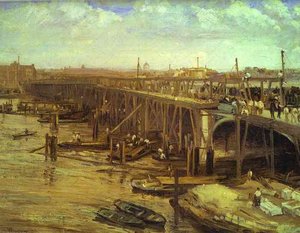
The Pool
Tehnika reprodukcije
Dimenzije reprodukcije
-


Konačna cena
$ 263
A Glimpse of Urban Life: Whistler’s “The Pool”
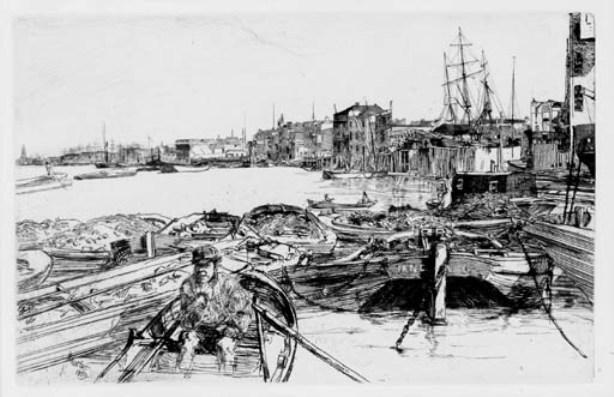
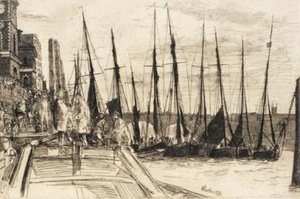
James Abbott McNeill Whistler's "The Pool," painted in 1859, isn’t merely a depiction of London’s bustling waterfront; it’s a carefully constructed meditation on light, atmosphere, and the quiet drama of everyday existence. This etching, rendered with exquisite precision and a masterful understanding of tonal variation, offers a poignant snapshot of a rapidly changing city – a world poised between tradition and modernity. Whistler, a key figure in the Aesthetic movement, deliberately rejected the prevailing Victorian obsession with narrative and moralizing, advocating instead for “art for art’s sake,” prioritizing beauty and sensory experience above all else. "The Pool" embodies this philosophy perfectly, inviting the viewer to lose themselves within its subtle harmonies and understated elegance.
The scene itself is deceptively simple: a solitary figure seated in a small boat, seemingly lost in contemplation amidst the chaotic activity of the Pool – the area around London Bridge where ships docked and goods were exchanged. Yet, Whistler elevates this commonplace subject to something profoundly evocative. He strips away extraneous detail, focusing instead on the interplay of light and shadow, the textures of water and brick, and the subtle gestures of his central figure. The composition is carefully balanced, drawing the eye towards the distant buildings while anchoring it in the foreground with the boatman’s presence.
Technique and Style: Mastering the Etching Process
Whistler's skill as an etcher is immediately apparent. He employs a meticulous technique of hatching and cross-hatching – parallel lines and intersecting patterns – to build up tones and create a remarkable sense of depth and texture. The work isn’t rendered with bold, dramatic contrasts; instead, Whistler utilizes a delicate gradated scale of grays, mimicking the subtle shifts in light that define the scene. This tonal control is crucial to the painting's atmospheric effect, creating an illusion of diffused light and hazy distance.
The choice of paper – heavy laid Japan tissue – further enhances the work’s quality. Its slightly textured surface provides a beautiful contrast to the smooth lines of the etching, adding another layer of visual interest. Whistler's use of drypoint, a technique that allows for greater tonal variation and subtle shading, is particularly noteworthy. This combination of techniques demonstrates his mastery of printmaking and his ability to capture the nuances of light and shadow with remarkable subtlety.
Historical Context: Whistler’s Aesthetic Vision
“The Pool” was created during a period of significant social and economic change in London. The city was undergoing rapid industrialization, transforming from a primarily mercantile center into a global financial powerhouse. Whistler's work reflects this transformation, capturing the dynamism of the waterfront while simultaneously suggesting a sense of melancholy and isolation. He wasn’t interested in documenting historical events or celebrating heroic deeds; instead, he sought to capture the essence of a particular moment in time – a fleeting glimpse of urban life.
Whistler's approach was revolutionary for his time. He challenged the conventions of academic art, rejecting the emphasis on narrative and moralizing that had dominated the artistic landscape for centuries. His Aestheticism sought to elevate visual experience above all else, prioritizing beauty, harmony, and sensory pleasure. “The Pool” exemplifies this philosophy perfectly, offering a quiet meditation on light, atmosphere, and the subtle rhythms of urban life.
Symbolic Resonance: A Portrait of Solitude
While seemingly simple, "The Pool" is rich in symbolic meaning. The solitary figure in the boat represents not just an individual but also humanity’s place within the vastness of the city and the natural world. His posture – chin resting on his hand – suggests contemplation, perhaps even a sense of detachment or melancholy. The surrounding activity—the bustling harbor filled with boats and buildings—creates a powerful contrast, highlighting the figure's isolation.
Furthermore, the muted color palette contributes to the painting’s emotional impact. The absence of bright colors reinforces the feeling of quiet contemplation and suggests a deeper, more subtle beauty. Whistler wasn’t interested in creating a visually stimulating spectacle; instead, he sought to evoke a mood – a sense of understated elegance, melancholy, and perhaps even a hint of longing. "The Pool” is not just a depiction of a scene; it's an invitation to contemplate the human condition within the context of a rapidly changing world.
Srodna umetnička dela
Biografija umetnika
James Abbott McNeill Whistler: Američki Pionir Estetizma i Tonalizma
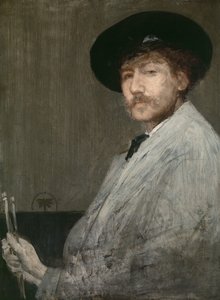
Rođen 1834. godine u Lovelu, Masačusetsu, James Abbott McNeill Whistler bio je umetnik koji je svojim životom i delom izazivao konvencije, postajući jedan od najznačajnijih predstavnika estetizma i tonalizma u američkoj i evropskoj umetnosti 19. veka. Njegovo detinjstvo obeležile su česte selidbe porodice zbog očevog posla kao inženjera železnica, što je u njemu razvilo osećaj prilagodljivosti i izloženost različitim kulturama. Kratak i neuspešan boravak na Vojnoj akademiji Vest Point pokazao je da njegov put leži u umetnosti, a rad u službi obalnih snaga SAD samo je odložio, ali nije ugušio njegovu strast. Rano stečena veština crtanja i odlučnost da se bavi slikarstvom doveli su ga preko Atlantika, u srce evropske avangarde.Pariskom Okruženju: Formiranje Stila i Filozofije
Presudan trenutak u Whistlerovoj umetničkoj karijeri nastupio je kada se 1855. godine preselio u Pariz. Pod mentorstvom Sebastijana Burea, usavršavao je svoje veštine uljane boje, akvarela i grafike, upijajući uticaje francuskog realizma i škole Barbizonskih slikara. Međutim, Whistler se ubrzo izdvojio iz pukog imitiranja, razvijajući prepoznatljiv stil karakterisan tonalnim harmonijama i atmosferskim efektima. Njegov cilj nije bio da reprodukuje stvarnost, već da uhvati njenu *esenciju*, prolazne raspoloženje i suptilne nijanse. U Parizu je počeo da artikuliše svoje ubeđenje da se umetnost treba ocenjivati isključivo na osnovu estetskih kvaliteta, oslobođena od didaktičkih ili moralizatorskih ograničenja – filozofija koja će postati kamen temeljac njegove umetničke prakse i definisala Estetski pokret.Noćurne, Portreti i Potraga za Harmomijom
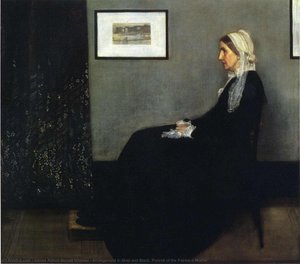
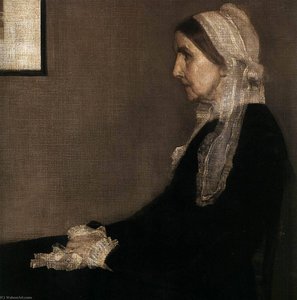
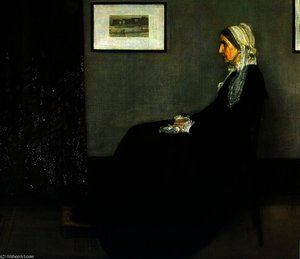
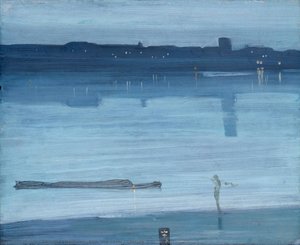
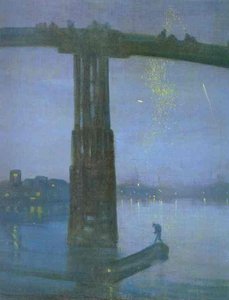
Whistlerova umetnička vizija kristalizovala se u nekoliko ključnih tema i stilskih izbora. On je zastupao koncept „umetnosti radi umetnosti“, odbacujući narative opterećene moralnim ili društvenim komentarima. Njegovo delo postalo je vežba hvatanja suptilnih nijansi svetlosti, boje i atmosfere – preduzimanje koje ga je dovelo do njegovih ikoničnih *Noćurni*. Ovi atmosferski prikazovi sumračkih scena, često sa Temzom tokom noći, nisu bili namenjeni kao doslovna prikaza, već kao evokativni utisci, studije tonalne harmonije i raspoloženja. Često je koristio ograničene palete boja i nežno nanošenje boje, stvarajući osećaj eterične lepote i tihe kontemplacije. Portreti su takođe zauzimali centralno mesto u njegovoj praksi, iako ih je pristupao sa jedinstvenim senzibilitetom. Whistler nije bio zabrinut za savršeno prikazivanje lica; umesto toga, fokusirao se na formalne aranžmane i tonalne odnose, tretirajući svoje modele kao kompozicione elemente unutar pažljivo konstruisanog estetskog okvira. Dela poput *Arrangement in Grey and Black No. 1*—poznatijeg kao *Whistler’s Mother*—savršeno ilustruju ovaj pristup, transformišući porodični portret u ikoničnu sliku viktorijanske majke kroz majstorsku upotrebu oblika i tona.Kontroverze, Uticaji i Trajno Nasleđe
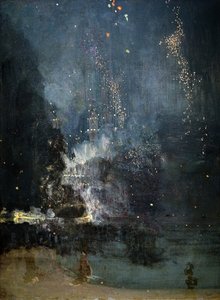
Whistlerova karijera nije bila bez kontroverzi. Infamous sudski spor koji je podigao protiv umetničkog kritičara Džona Raselina 1878. godine, potaknut *Nocturne in Black and Gold – The Falling Rocket*, postao je prekretnica u istoriji umetnosti. Whistler je uspešno branio svoju umetničku autonomiju, tvrdeći da njegove slike nisu bile namenjene kao realistički prikazivanja, već kao estetski aranžmani boja i oblika. Ovaj slučaj podigao je njegov profil i izazvao važne debate o prirodi umetničke kritike i umetničkoj slobodi. Osim ovog pravnog spora, Whistlerov uticaj se protezao daleko i široko. Duboko ga je inspirisalo japansko štampanje (ukijo-e), koje je informisalo njegove kompozicione principe i naglasak na dekorativnim uzorcima, kao i tonalna majstorija španskih slikara poput Velazqueza. Njegovo zalaganje za „umetnost radi umetnosti“ duboko je uticalo na Estetski pokret u Engleskoj i Americi, otvarajući put modernizmu i izazivajući konvencionalne ideje o umetničkoj svrsi. Ostavio je neizbrisiv trag na američku umetnost, inspirisavši generacije umetnika da prihvate formalističke pristupe i istražuju ekspresivni potencijal boje i kompozicije.- Značajna dela: *The Forge* (1861), *Portrait of Charles Lang Freer* (1873), *Brown and Gold: The Gold Girl—Connie Gilchrist* (1876-77), *Arrangement in Grey and Black No. 1 (Whistler’s Mother)* (1871), *Nocturne in Black and Gold – The Falling Rocket* (1875).
- Uticaji: Japanska štamparija, Velázquez.
Džejms Abbot Meknil Visler
1834 - 1903 , Сједињене Америчке Државе
Osnovne informacije
- Datum Rođenja: 10. jul 1834.
- Datum Smrti: 17. jul 1903.
- Mesto Rođenja: Lovel, SAD
- Nacionalnost: Američki
- Pokreti/Umetnici Pod Uticajem:
- Estetski pokret
- Modernizam
- Puno Ime: Džejms Abot Meknil Vistler
- Umetnički Pokret: Tonalizam, Estetizam
- Uticajni Umetnici:
- Velázquez
- Japanski štampa
- Značajna Dela:
- Arrangement in Grey and Black No. 1
- Nocturne in Black and Gold
- The Forge
- Peacock Room
Povezani članci
Džems Abbot MekNil Whistler: 25 Remek-dela Majstora Tonalizma | ArtsDot
Istražite 25 remek-dela Džemsa Abota MekNila Whistler-a! Uronite u svet Tonalizma, portreta i prelepog pejzaža. Kupite vrhunske reprodukcije slika na ArtsDot.com i obogatite svoj enterijer luksuznom umetnošću.
Etching: A Historical Survey of Technique, Aesthetic Qualities & Enduring Artistic Significance
Explore the rich history of etching, from its origins to Rembrandt's masterful innovations. Discover the technique, aesthetic qualities & enduring legacy of this captivating art form. Expert insights for collectors and enthusiasts.
The Intricate World of Etching: A Historical Survey of Technique, Aesthetic Evolution, and Enduring Artistic Impact
Explore the rich history of etching, from its origins to modern practice. Discover techniques, key artists like Rembrandt, and insights for collectors. A comprehensive guide by ArtsDot.
Boats on Canvas: 10 Masterpieces of Maritime Art for Your Home Decor
Sail away with 10 iconic boat paintings! Explore masterpieces by Monet, Van Gogh & Turner. Discover the stories behind these timeless seascapes and find museum-quality art reproductions for your home decor at ArtsDot.com.
Etching Masters: 10 Legendary Prints That Revolutionized Art | ArtsDot
Journey through 10 legendary etching masterpieces by Rembrandt, Dürer & Goya. Explore the history of printmaking and discover timeless art for your home. Find museum-quality reproductions at ArtsDot.com.