

 Pregledaj u prostoru
 Pošalji
 Podeli
 Detalji o delu

 Преузми
 Slični predmeti
 Rendgenski snimak
 Slajdovi
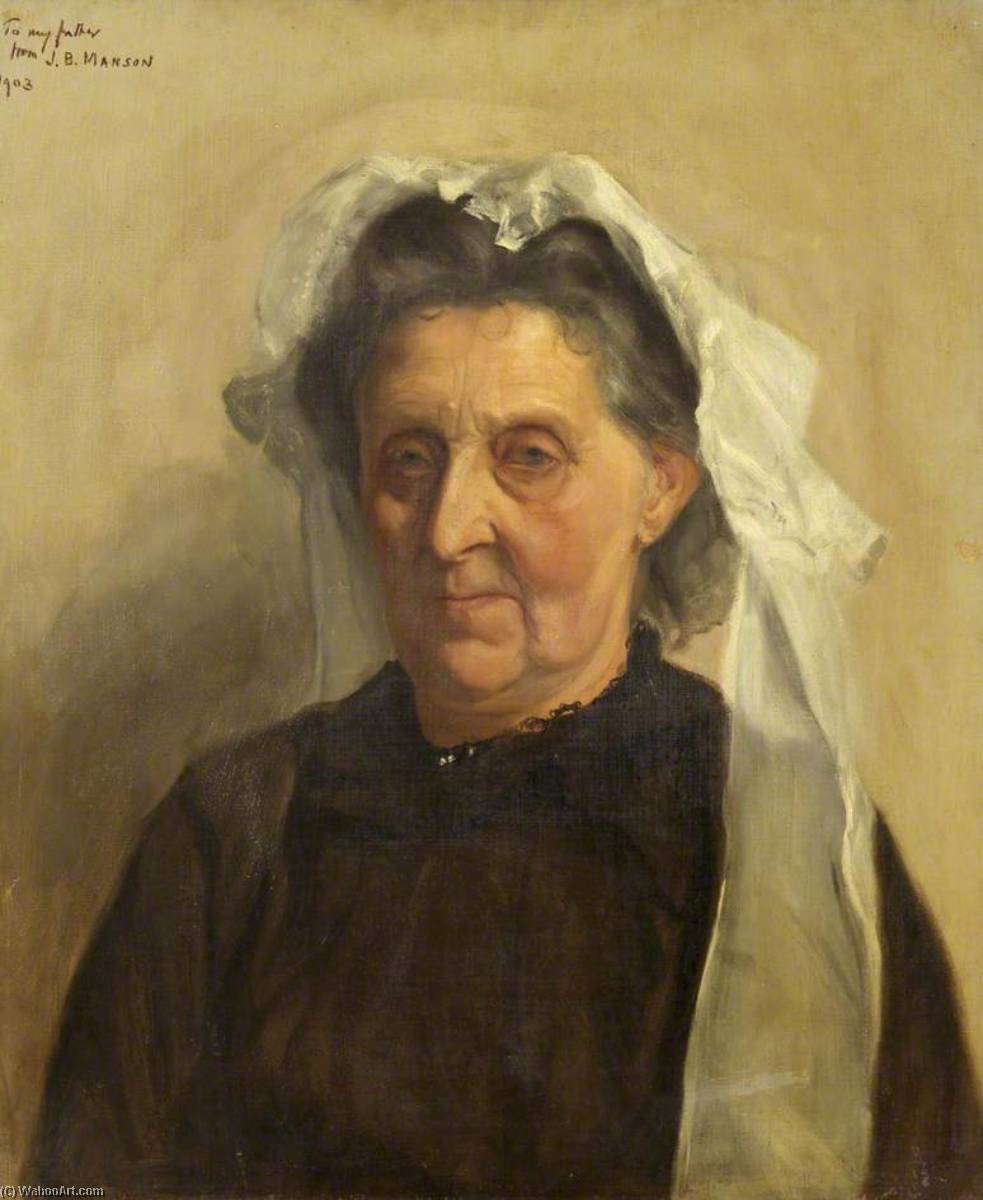
Old Woman in a White Cap
 Contemporary Realism
 1903
1903 60.0 x 50.0 cm
 Bristol Museum - Art Gallery
 Pročitaj više
Giclee štampa / Umetnički otisak
Giclée štampa ili print na platnu muzejskog kvaliteta uz brzu proizvodnju i fleksibilne opcije završne obrade. ( Kupi ručno naslikanu sliku Kupi digitalnu sliku)




































Izaberite jednu od naših unapred definisanih veličina koje odgovaraju originalnim proporcijama umetničkog dela.

Možete uneti sopstvene dimenzije kako biste umetničko delo prilagodili specifičnom okviru ili prostoru. Ako odabrani format ne odgovara proporcijama originalne slike, mi ćemo ili iscrtati deo dela ili proširiti sliku pomoću ogledane ivice ili jednobojnog popunjavanja. Digitalni prikaz će vam biti poslat na odobrenje pre početka proizvodnje.
Imajte na umu da pregled na ekranu ne odražava stvarno iscrtavanje ili proširivanje. Samo će prikaz (mockup) precizno pokazati finalnu kompoziciju.
Iako su prilagođene dimenzije dostupne, preporučujemo da odaberete dimenziju sa unapred definisane liste kako biste očuvali originalne proporcije.
Dostava širom sveta () za 2 nedelje umesto uobičajenih 4/5 nedelja. (27 август)

Besplatna ekspresna dostava širom sveta

Visokokvalitetno laneno platno

Kompletno osiguranje transporta

Garancija povraćaja carine i uvoznih dažbina

Garancija vernosti boja

Politika povrata u roku od 60 dana (samo u slučaju nedostataka)

Garancija povrata novca od 100%

Popust pri grupnoj kupovini
 Opcija sa staklom dostupna je samo za dimenzije manje od 110 cm

Old Woman in a White Cap
Giclee štampa / Umetnički otisak
Dimenzije reprodukcije
-


Konačna cena
$ 62
Srodna umetnička dela
Biografija umetnika
A Life of Color and Conviction
The story of James Bolivar Manson is one of profound defiance and the relentless pursuit of aesthetic truth. Born in 1879 amidst the bustling streets of Brixton, London, Manson carried a name that whispered of revolutionary grandeur, being named after the liberator Simón Bolívar. Raised in a household where the written word reigned supreme—his father serving as a prominent literary editor—Manson was surrounded by the intellectual currents of the Victorian era. Yet, beneath the structured expectations of a scholarly lineage, there beat the heart of a painter. Despite his father’s deep-seated reservations regarding the stability of an artistic vocation, Manson refused to let his creative spirit be stifled by the mundane. His early years were marked by a struggle between duty and desire, as he navigated the uninspiring corridors of Newnes Publishing and the rigid atmosphere of a bank clerk, roles that felt like gilded cages to a man destined for the canvas.
It was through a disciplined commitment to his craft that Manson eventually broke free from his clerical shackles. Studying at the Heatherley School of Fine Art and the Lambeth School of Art, he sought to master the nuances of light and form. A pivotal influence during these formative years was Lilian Beatrice Laugher, a violinist whose connection to the European musical elite provided Manson with a window into broader artistic movements. In a moment of legendary cinematic flair in 1903, Manson symbolically discarded his professional hat upon a pole, signaling his irrevocable commitment to the life of an artist. This transition marked the beginning of a career defined by a delicate balance between administrative responsibility and painterly passion.
The Impressionist Bloom
As his technique matured, Manson became celebrated for his ability to breathe life into the ephemeral beauty of the natural world. He found his true calling in the realm of floral still lifes, where he could employ an Impressionist vocabulary to capture the fleeting essence of a blossom. His works are characterized by a vibrant use of color and a rhythmic, expressive brushstroke that suggests movement even within the stillness of a vase. Whether depicting the bold textures of tulips or the soft, layered petals of spring blooms, Manson possessed a rare ability to translate botanical detail into emotional resonance. His approach was not merely about botanical accuracy but about capturing the light that dances upon a petal and the atmosphere that surrounds a bouquet.
While his mastery of flowers brought him acclaim, his career was also shaped by his significant, albeit complex, tenure at the Tate Gallery. Serving as director from 1930 to 1938, Manson navigated a period of intense transition in the art world. He was a progressive force within the institution, championing Impressionism and pushing for more modern art policies than his predecessors. However, this period was also marked by personal struggle and professional tension. While he embraced the light-filled beauty of Impressionism, he remained somewhat resistant to the more radical shifts of Surrealism and German Expressionism, a stance that occasionally placed him at odds with the burgeoning avant-garde. This duality—the administrator of a great institution and the sensitive painter of flowers—defined the unique tension of his professional life.
Legacy of the Floral Visionary
In his later years, Manson returned to the purity of his original passion. Retiring from the administrative rigors of the Tate due to ill health, he retreated into the quiet, meditative world of flower painting. This period allowed him to refine his style, producing works that remained deeply rooted in the Impressionist tradition while achieving a profound sense of intimacy. His legacy is not found merely in the halls of museum administration, but in the enduring vitality of his canvases. To look upon a Manson still life is to witness a celebration of life’s most delicate moments, preserved through a lifetime of dedication.
The historical significance of James Bolivar Manson lies in his role as a bridge between eras. He stood at the intersection of Victorian tradition and modern sensibility, bringing a sense of grace and light to the British art scene. His life serves as a testament to the power of following one's true calling, even when faced with the weight of expectation. Through his eyes, we see:
- The Beauty of Impermanence: His ability to capture the transient glory of flowers through layered textures and light.
- Artistic Resilience: The courage to abandon a secure clerical life for the uncertain path of a creator.
- Institutional Evolution: His contribution to the Tate Gallery's shift toward embracing Impressionist aesthetics.
- A Harmonious Synthesis: The blending of meticulous detail with the loose, emotive brushwork of the Impressionist movement.
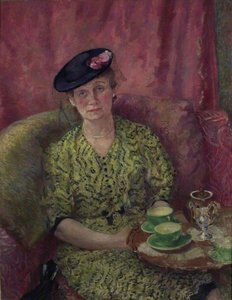
James Bolivar Manson
1879 - 1945
Osnovne informacije
- Artistic Movement Or Style: Impressionism
- Artists Or Movements Influenced By This Artist: ['Post-Impressionism']
- Artists Who Influenced This Artist: ['Joachim']
- Date Of Birth: 1879
- Date Of Death: 1945
- Full Name: James Bolivar Manson
- Nationality: British
- Notable Artworks:
- Flower Piece
- Still Life, Tulips in a Blue Jug
- Michaelmas Daisies
- Place Of Birth: Brixton, London
Povezani članci

Džems Abbot MekNil Whistler: 25 Remek-dela Majstora Tonalizma | ArtsDot
Istražite 25 remek-dela Džemsa Abota MekNila Whistler-a! Uronite u svet Tonalizma, portreta i prelepog pejzaža. Kupite vrhunske reprodukcije slika na ArtsDot.com i obogatite svoj enterijer luksuznom umetnošću.
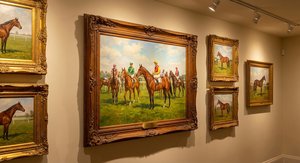
Sir Alfred Munnings' Masterpieces: 25 Paintings That Define Equine Art | ArtsDot
Explore 25 iconic Sir Alfred Munnings paintings! Discover the beauty of British Impressionism, equine art & rural England. Find museum-quality reproductions and elevate your home decor with ArtsDot. Explore the full collection online.

The Enduring Legacy of Oil on Canvas: Technique, History & Aesthetic Impact
Explore the rich history & techniques of oil painting – from Renaissance masters to Impressionism. Discover pigments, layering methods, and why this timeless medium endures. Expert insights for artists & art enthusiasts.

Oil on Canvas: A Historical & Technical Exploration of a Timeless Artistic Medium
Explore the rich history & enduring techniques of oil painting on canvas. Discover the science behind its longevity, conservation practices, and contemporary relevance. Expert insights for art enthusiasts.

The Enduring Power of Painting: A Historical & Contemporary Exploration of Form and Emotion
Explore the rich history & enduring techniques of oil painting with ArtsDot. Discover masterpieces, learn about art collecting, and find authentic handmade reproductions crafted by skilled artists.

