


 Pošalji
 Podeli
 Detalji o delu

 Преузми
 Slični predmeti
 Slajdovi
 Stats
StatsGuests at the Beaux Arts Ball


 Pročitaj više
Giclee štampa / Umetnički otisak
Giclée štampa ili print na platnu muzejskog kvaliteta uz brzu proizvodnju i fleksibilne opcije završne obrade. ( Kupi ručno naslikanu sliku Switch to Digital Image)




































Izaberite jednu od naših unapred definisanih veličina koje odgovaraju originalnim proporcijama umetničkog dela.

Možete uneti sopstvene dimenzije kako biste umetničko delo prilagodili specifičnom okviru ili prostoru. Ako odabrani format ne odgovara proporcijama originalne slike, mi ćemo ili iscrtati deo dela ili proširiti sliku pomoću ogledane ivice ili jednobojnog popunjavanja. Digitalni prikaz će vam biti poslat na odobrenje pre početka proizvodnje.
Imajte na umu da pregled na ekranu ne odražava stvarno iscrtavanje ili proširivanje. Samo će prikaz (mockup) precizno pokazati finalnu kompoziciju.
Iako su prilagođene dimenzije dostupne, preporučujemo da odaberete dimenziju sa unapred definisane liste kako biste očuvali originalne proporcije.
Dostava širom sveta () za 2 nedelje umesto uobičajenih 4/5 nedelja. (7 септембар)

Besplatna ekspresna dostava širom sveta

Visokokvalitetno laneno platno

Kompletno osiguranje transporta

Garancija povraćaja carine i uvoznih dažbina

Garancija vernosti boja

Politika povraćaja u roku od 100 dana (isključivo u slučaju nedostataka)

Garancija povrata novca od 100%

Popust pri grupnoj kupovini
 Opcija sa staklom dostupna je samo za dimenzije manje od 110 cm

Guests at the Beaux Arts Ball
Giclee štampa / Umetnički otisak
Dimenzije reprodukcije
-


Konačna cena
$ 62
A Glimpse into Mid-Century Splendor
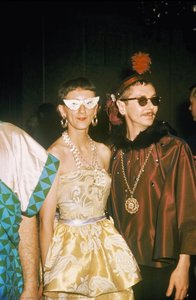
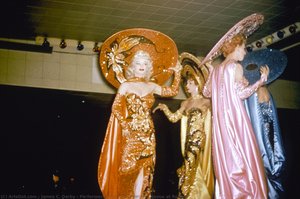
In the evocative photograph "Guests at the Beaux Arts Ball," captured by the American photographer James C. Darby in 1958, we are transported to a vanished era of mid-century elegance and theatricality. The image serves as a poignant window into the high society of the late 1950s, documenting a moment where costume, character, and camaraderie converge under the soft glow of event lighting. Through Darby’s lens, the viewer is not merely an observer of a party, but a silent participant in a choreographed display of social grace and creative expression. The composition brings together a diverse group of individuals, each adorned in attire that speaks to the era's fascination with masquerade and identity, creating a rich tapestry of textures and silhouettes that dance across the monochrome frame.
The technical mastery of this piece lies in its ability to balance the spontaneous energy of a social gathering with the deliberate artistry of analog photography. Although presented in a classic black and white palette, the photograph possesses an inherent depth that suggests a world of vibrant color and movement. The interplay of light and shadow—a hallmark of Darby’s style—sculpts the figures, lending a dramatic, almost cinematic quality to the guests' poses. This use of contrast does more than just define shapes; it imbues the scene with a sense of mystery and nostalgia, highlighting the intricate details of the costumes, from the sharp lines of formal neckwear to the more whimsical, elaborate flourishes of the masquerade attire.
The Art of Identity and Nostalgia
Beyond its surface beauty, "Guests at the Beaux Arts Ball" explores the profound theme of persona. In the context of a masquerade, the boundaries between the true self and the performed character become beautifully blurred. Each guest, through their choice of costume, presents a curated version of themselves to the world, contributing to a collective spectacle of artifice and joy. This exploration of identity is deeply rooted in the historical context of the 1950s, a period marked by both rigid social structures and an emerging desire for individualistic expression through fashion and performance. Darby captures this tension with remarkable sensitivity, documenting how the ritual of the ball allowed for a temporary liberation from the everyday.
For the discerning collector or interior designer, this photograph offers more than just a historical record; it provides a sophisticated focal point that radiates timelessness. The emotional impact of the work is one of warmth and shared humanity, making it an ideal piece for spaces designed to evoke conversation and reflection. Whether placed in a grand salon or a contemporary study, a high-quality reproduction of this masterpiece brings with it an aura of cultured sophistication. It serves as a reminder of the enduring power of art to freeze time, preserving the laughter, the light, and the exquisite glamour of a single, unforgettable night in 1958.
Srodna umetnička dela

Biografija umetnika
James C. Darby: Capturing the Glamour of a Lost Era
James C. Darby’s photographs are more than just images; they're portals to a specific, shimmering moment in American history – the mid-1950s and early 60s, a time of burgeoning social change overlaid with an enduring fascination for elegance and spectacle. His most celebrated work, “Guest at the Beaux Arts Ball” (1958), and his extensive documentation of events like the Queen of Finnie’s Masquerade Ball offer a remarkably intimate glimpse into the world of high society, ballroom dancing, and the carefully constructed identities presented within these lavish gatherings. Darby wasn't merely a photographer; he was an observer, meticulously documenting a vanishing culture with a keen eye for detail and a subtle understanding of human behavior.
Born in Chicago in 1932, Darby’s early life instilled in him a deep appreciation for performance and visual storytelling. His parents were professional dancers, exposing him to the world of stagecraft from a young age. This background profoundly shaped his artistic sensibilities – he learned to see movement, light, and composition with an artist's eye. After serving in the Navy during the Korean War, Darby began teaching high school English and Spanish, a career that provided him with valuable time and resources to pursue his passion for photography. It was during this period that he met Patrick Bova, forming a lifelong partnership both personally and creatively.
Darby’s photographic style is instantly recognizable – characterized by rich, saturated colors, dramatic lighting, and a deliberate sense of theatricality. He wasn't interested in straightforward realism; instead, he employed techniques borrowed from the stage, using light and shadow to sculpt his subjects and create an atmosphere of heightened emotion. His compositions often feature figures posed with carefully considered gestures, conveying a sense of both confidence and vulnerability. A key influence on Darby’s work is undoubtedly W.C. Fields, whose wry humor and self-deprecating wit found their way into the expressions and interactions captured in his photographs.
The Beaux Arts Ball: A Snapshot of an Era
"Guest at the Beaux Arts Ball" stands as perhaps Darby’s most iconic achievement. Shot at the Ambassador West Hotel in 1958, this photograph captures a woman elegantly posed within a closet, a seemingly mundane scene transformed into a moment of exquisite beauty and quiet contemplation. The image is not simply a portrait; it's an exploration of identity, privacy, and the carefully constructed facades presented to the world. The use of shallow depth of field draws attention to the woman’s face, highlighting her expression – a subtle blend of amusement and introspection.
Darby’s decision to photograph this particular moment speaks volumes about his artistic vision. He wasn't interested in grand displays of wealth or social status; instead, he focused on capturing the intimate details of everyday life within these opulent settings. The photograph invites us to imagine the woman’s story – her hopes, dreams, and anxieties – adding layers of meaning beyond the visual surface.
Beyond the Ballroom: A Wider Photographic Legacy
While “Guest at the Beaux Arts Ball” is undoubtedly Darby's most famous work, his photographic archive reveals a broader range of subjects and interests. He documented numerous social events, including balls, masquerade parties, and charity galas, providing a rich tapestry of images that capture the spirit of mid-century America. His photographs also offer valuable insights into the evolving role of women in society – showcasing their elegance, confidence, and increasingly assertive presence.
Furthermore, Darby’s commitment to social justice is evident in his work as a founding member of GLBVA (now American Veterans for Equal Rights). His decision to photograph events like the Beaux Arts Ball was not merely an artistic endeavor; it was also a form of activism – a way to document and celebrate a community often marginalized and silenced. His photographs served as visual evidence of a vibrant subculture thriving beneath the surface of mainstream society.
A Lasting Impact
James C. Darby’s photographs are more than just historical documents; they're works of art that continue to resonate with contemporary audiences. His ability to capture the essence of a bygone era – its glamour, its anxieties, and its underlying complexities – is a testament to his artistic skill and sensitivity. His legacy extends beyond the individual images themselves, offering valuable insights into American culture and social history. As documented in “The Outwords Archive,” Darby’s dedication to documenting LGBTQ+ veterans and advocating for equality cemented his place as a pioneering figure in photographic activism.
Today, Darby's work is held by institutions like the James Madison University Museum of Art and Special Collections, ensuring that his captivating images will continue to be appreciated and studied for generations to come. His photographs serve as a poignant reminder of a time when elegance and spectacle reigned supreme, and a testament to the power of photography to capture not just appearances but also the hidden depths of human experience.

james c. darby
United States of America
Osnovne informacije
- Artistic Movement Or Style: Photography
- Artists Or Movements Influenced By This Artist: ['American Photographers']
- Artists Who Influenced This Artist: ['W.C. Fields']
- Date Of Birth: February 26, 1932
- Full Name: James C. Darby
- Nationality: American
- Notable Artworks:
- Guest at the Beaux Arts Ball
- Guests at the Beaux Arts Ball
- Performers from the Jewel Box Revue
- Place Of Birth: Chicago, USA
Povezani članci
Beyond the Lens: Photography's Enduring Influence on Modern & Contemporary Art
Explore photography's pivotal role in shaping modern & contemporary art. Discover key movements, influential artists like Stieglitz, and expert collecting advice from ArtsDot.
Witnessing History Through Lens & Light: Documentary Photography's Enduring Legacy
Explore the powerful history of documentary photography – from its origins to contemporary masters like Gordon Parks & W. Eugene Smith. Discover how this art form shapes our understanding of society and witness pivotal moments in time.

Monochrome Visions: Exploring the Aesthetic & Historical Significance of Black & White Photography
Explore the rich history & artistic power of black and white photography. From early techniques to iconic masters like Ansel Adams, discover why monochrome continues to captivate art lovers today. Expert insights for collectors.
Pictorialism: A Search for Artistic Photography's Soul – Aesthetics, Techniques & Legacy
Explore the captivating world of Pictorialism – a pivotal movement that transformed photography into fine art. Discover key artists like Stieglitz & Käsebier, techniques, and collecting tips from experts.

Dark Masterpieces: 10 Iconic Paintings Dominated by Black Tones |
Explore 10 iconic paintings dominated by black tones, from Rembrandt’s chiaroscuro to Goya's dark expressions. Discover the stories behind these masterpieces & find museum-quality art reproductions for your home at .