

 Pregledaj u prostoru
 Pošalji
 Podeli
 Detalji o delu

 Преузми
 Slični predmeti
 Rendgenski snimak
 Slajdovi
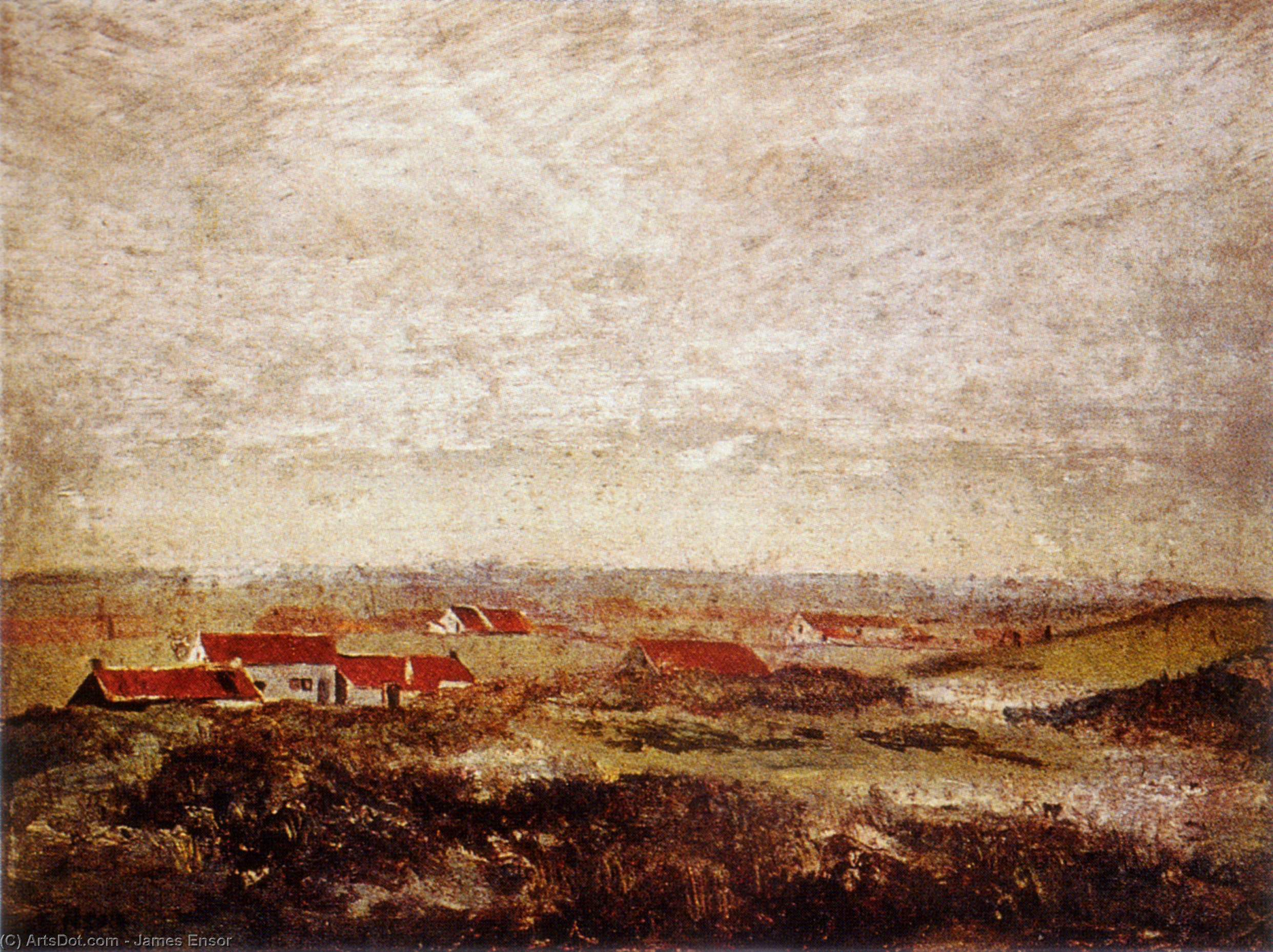
The Flemish Flats Seen from the Dunes


 Pročitaj više
Kupite digitalnu sliku visoke rezolucije i poboljšanog kvaliteta, koja je znatno superiornija od onoga što vidite u online prikazu.
Svaka datoteka je pedantno pripremljena od strane naših stručnjaka koristeći napredne alate i profesionalnu ručnu retušu. Osiguravamo da svaka slika ima izuzetnu oštrinu, preciznu reprodukciju boja i fine detalje.
Konačna datoteka se dostavlja putem e-pošte u roku od 72 sata, optimizovana za neposrednu upotrebu u profesionalnim, izdavačkim i štamparskim okruženjima. To je isti kvalitet kojem veruju vrhunski studiji dizajna, izdavači i galerije.
Digitalna slika
Preuzmite datoteku visoke rezolucije za ličnu upotrebu, štampanje i kreativne projekte. ( Kupi print Kupi ručno naslikanu sliku)
Uključeno uz svaku porudžbinu digitalne slike
Profesionalna digitalna isporuka, zagarantovana
Kada odaberete ArtsDot.com, ne dobijate samo sliku – vi primate profesionalno unapređeno digitalno umetničko delo, izrađeno sa najvećom preciznošću i uz garanciju zadovoljstva. Evo svega što automatski dolazi uz vašu porudžbinu:

Brza dostava putem e-pošte
Vaša digitalna slika visoke rezolucije biće vam poslata putem e-pošte u roku od 72 sata od poručivanja – spremna za trenutnu upotrebu.

Digitalna datoteka unapređena veštačkom inteligencijom
Vaše umetničko delo je profesionalno optimizovano korišćenjem naprednih AI alata i ručne obrade, čime se osiguravaju maksimalni detalji, oštrina i preciznost boja.

Besplatna ponovna isporuka doživotno
Slučajno ste obrisali ili izgubili svoju datoteku? Ne brinite – poslaćemo vam je ponovo u bilo kom trenutku, potpuno besplatno.

Bez troškova uvoza – zauvek
Uživajte u svojim umetničkim delima trenutno, bez carine, dažbina ili troškova dostave – digitalni download je uvek bez poreza.

Garancija vernosti boja
Uz pomoć profesionalnih alata i upravljanja bojama, osiguravamo da vaša digitalna slika što vernije odražava originalne boje.

Garancija zadovoljstva u roku od 60 dana
Ako niste zadovoljni svojom digitalnom slikom, revidirat ćemo je ili vratiti 100% novca u roku od 60 dana – bez ikakvih pitanja.

100% garancija povrata novca
Niste zadovoljni? Obezbedite pun povrat novca u roku od 60 dana od trenutka kada ste primili svoju digitalnu datoteku – bez suvišnih pitanja.

Popusti na velike porudžbine
Kupite 3 slike, uštedite 10% - Kupite 5 slika, uštedite 15% - Kupite 10+ slika, uštedite 20%. Odlično za kreativne projekte, galerije i agencije.
A Window Into Belgian Identity: James Ensor’s “The Flemish Flats Seen From The Dunes”
James Ensor's "The Flemish Flats Seen From The Dunes" isn’t merely a picturesque landscape; it’s a profound meditation on Belgian identity and the anxieties of modernity. Painted sometime between 1893 and 1894, this canvas captures a deceptively tranquil scene—a village nestled amongst windswept dunes—yet beneath its surface lies a complex tapestry of psychological observation and artistic innovation. Ensor, deeply influenced by Symbolism and Expressionism, rejected the conventions of Impressionism, prioritizing emotional resonance over accurate representation. He sought to convey not what he *saw*, but what he *felt*.- Subject Matter & Composition: The painting depicts a typical Flemish village—a cluster of modest dwellings—positioned against the backdrop of expansive sandy dunes. This juxtaposition is deliberate, highlighting the tension between rural tradition and encroaching industrialization – a defining characteristic of late nineteenth-century Belgium.
- Style & Technique: Ensor’s masterful use of tempera on canvas distinguishes him from many of his contemporaries. Tempera, known for its durability and luminous quality, lends itself beautifully to capturing subtle tonal variations and creating an atmosphere of brooding contemplation. The artist employs a flattened perspective, characteristic of Expressionist tendencies, compressing space and emphasizing the emotional impact of the scene.
Historical Context: Belgium at the Crossroads
Belgium in 1893-94 was undergoing significant transformations. Rapid industrial growth fueled urbanization, disrupting established social hierarchies and generating anxieties about progress. Ensor’s artistic choices reflect this broader cultural preoccupation with confronting uncomfortable truths and exploring the darker recesses of human psychology. He wasn't interested in glorifying the idyllic countryside; instead, he presented it as a stage for portraying human vulnerability and isolation.
Symbolism & Psychological Depth
Beyond its visual elements, “The Flemish Flats Seen From The Dunes” is laden with symbolic significance. The dunes themselves represent instability and change—a constant reminder of the forces reshaping Belgian society. More subtly, Ensor’s muted palette and deliberate lack of vibrant color contribute to a pervasive sense of melancholy and unease. Figures within the village are rendered in shadowy hues, emphasizing their detachment from one another and hinting at unspoken anxieties.
Emotional Impact & Legacy
Ensor's intention wasn’t to elicit admiration for beauty but rather to provoke introspection. The painting compels viewers to confront questions of solitude, mortality, and the human condition. It embodies Ensor’s signature style—a blend of grotesque realism and psychological exploration—making it a cornerstone of Belgian Symbolism and influencing generations of artists who followed. Reproductions offer an opportunity to appreciate Ensor's groundbreaking technique and delve into the profound emotional landscape he captured on canvas.
Srodna umetnička dela
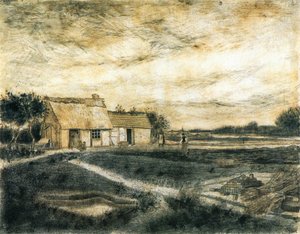
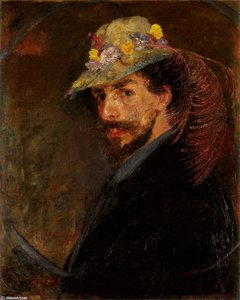
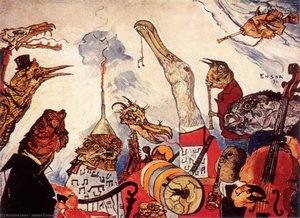
Biografija umetnika
James Ensor: A Pioneer of Expressionism and Surrealism
James Sidney Edouard, Baron Ensor (Ostend, 13 April 1860 – 19 November 1949) was a Belgian painter and printmaker who stands as one of the most influential figures in the development of Expressionism and Surrealism. Born into an English father and Belgian mother amidst the vibrant atmosphere of Ostend’s seaside resort town, Ensor’s upbringing instilled within him a profound fascination with observation and detail—a foundation upon which he would construct his distinctive artistic vision.
Early Influences and Artistic Training
From a young age, Ensor demonstrated an exceptional talent for drawing and painting. Encouraged by his parents' operation of a souvenir shop brimming with curiosities and carnival masks – a veritable cabinet of wonders that ignited his imagination – he pursued formal artistic training at the Académie Royale des Beaux-Arts in Brussels. Despite encountering resistance from the rigid academic conventions of the time, Ensor quickly recognized the necessity of forging his own path, prioritizing experimentation and personal expression above all else.
The Emergence of Grotesque Vision
Around 1886–87, Ensor embarked on a transformative artistic journey, rejecting Impressionistic ideals in favor of a bold embrace of grotesque imagery. Influenced by Rembrandt’s masterful use of chiaroscuro, the unsettling visions of Francisco Goya, and the evocative symbolism of Japanese woodcuts, he developed a highly personal iconography characterized by jarring juxtapositions of color and form.
Major Works and Recurring Themes
Ensor's oeuvre is marked by an unparalleled exploration of psychological complexity and social critique. Paintings like *The Oyster-eater* (1882) exemplify his meticulous attention to detail and his ability to convey profound emotional resonance, while *Christ’s Entry into Brussels* (1888–89), arguably his magnum opus, remains a monumental satire of religious hypocrisy—a painting initially met with vehement disapproval but now universally recognized as a cornerstone of Expressionist art.
Legacy and Influence
James Ensor's uncompromising artistic vision profoundly impacted subsequent generations of artists. His rejection of academic formalism, coupled with his fearless confrontation of taboo subjects and his masterful manipulation of visual language—particularly the use of bold brushstrokes and vibrant hues—established him as a pivotal figure in the genesis of Expressionism and Surrealism. Today, Ensor’s work continues to inspire awe and provoke contemplation, serving as a timeless reminder that art possesses the capacity to unsettle conventions and illuminate the darkest recesses of human consciousness.
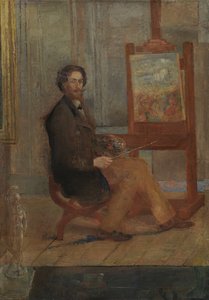
Јемас Енсор
1860 - 1949 , Бележија
Kratke činjenice
- Artistic Movement Or Style: Expressionism, Surrealism
- Artists Who Influenced This Artist:
- Bruegel the Elder
- Francisco Goya
- Whistler
- Date Of Birth: April 13, 1860
- Date Of Death: November 19, 1949
- Full Name: James Sidney Edouard Ensor
- Nationality: Belgian
- Notable Artworks:
- The Scandalized Masks
- Skeletons Fighting...
- Christ's Entry into Brussels
- Place Of Birth: Ostend, Belgium

