

 Pregledaj u prostoru
 Pošalji
 Podeli
 Detalji o delu

 Преузми
 Slični predmeti
 Rendgenski snimak
 Slajdovi
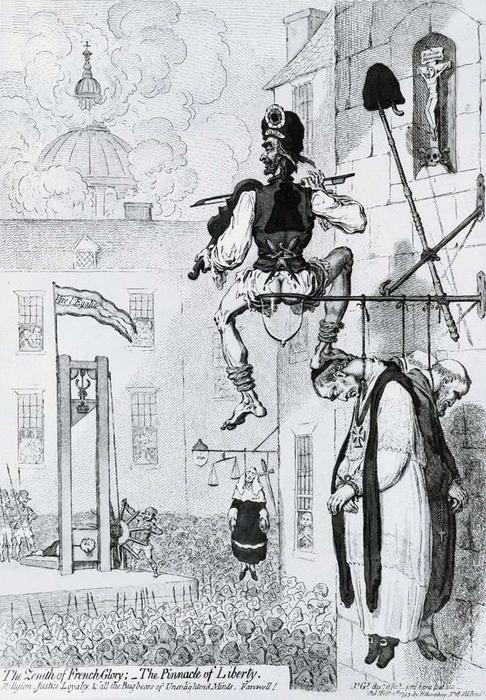
The Zenith of French Glory


 Pročitaj više
Kupite digitalnu sliku visoke rezolucije i poboljšanog kvaliteta, koja je znatno superiornija od onoga što vidite u online prikazu.
Svaka datoteka je pedantno pripremljena od strane naših stručnjaka koristeći napredne alate i profesionalnu ručnu retušu. Osiguravamo da svaka slika ima izuzetnu oštrinu, preciznu reprodukciju boja i fine detalje.
Konačna datoteka se dostavlja putem e-pošte u roku od 72 sata, optimizovana za neposrednu upotrebu u profesionalnim, izdavačkim i štamparskim okruženjima. To je isti kvalitet kojem veruju vrhunski studiji dizajna, izdavači i galerije.
Digitalna slika
Preuzmite datoteku visoke rezolucije za ličnu upotrebu, štampanje i kreativne projekte. ( Kupi print Kupi ručno naslikanu sliku)
Uključeno uz svaku porudžbinu digitalne slike
Profesionalna digitalna isporuka, zagarantovana
Kada odaberete ArtsDot.com, ne dobijate samo sliku – vi primate profesionalno unapređeno digitalno umetničko delo, izrađeno sa najvećom preciznošću i uz garanciju zadovoljstva. Evo svega što automatski dolazi uz vašu porudžbinu:

Brza dostava putem e-pošte
Vaša digitalna slika visoke rezolucije biće vam poslata putem e-pošte u roku od 72 sata od poručivanja – spremna za trenutnu upotrebu.

Digitalna datoteka unapređena veštačkom inteligencijom
Vaše umetničko delo je profesionalno optimizovano korišćenjem naprednih AI alata i ručne obrade, čime se osiguravaju maksimalni detalji, oštrina i preciznost boja.

Besplatna ponovna isporuka doživotno
Slučajno ste obrisali ili izgubili svoju datoteku? Ne brinite – poslaćemo vam je ponovo u bilo kom trenutku, potpuno besplatno.

Bez troškova uvoza – zauvek
Uživajte u svojim umetničkim delima trenutno, bez carine, dažbina ili troškova dostave – digitalni download je uvek bez poreza.

Garancija vernosti boja
Uz pomoć profesionalnih alata i upravljanja bojama, osiguravamo da vaša digitalna slika što vernije odražava originalne boje.

Garancija zadovoljstva u roku od 60 dana
Ako niste zadovoljni svojom digitalnom slikom, revidirat ćemo je ili vratiti 100% novca u roku od 60 dana – bez ikakvih pitanja.

100% garancija povrata novca
Niste zadovoljni? Obezbedite pun povrat novca u roku od 60 dana od trenutka kada ste primili svoju digitalnu datoteku – bez suvišnih pitanja.

Popusti na velike porudžbine
Kupite 3 slike, uštedite 10% - Kupite 5 slika, uštedite 15% - Kupite 10+ slika, uštedite 20%. Odlično za kreativne projekte, galerije i agencije.
A Critique of Revolution: Gillray’s “The Zenith of French Glory”
James Gillray's etching, "The Zenith of French Glory; – The Pinnacle of Liberty," published February 12, 1793, stands as a searing indictment of the tumultuous French Revolution and its leadership. More than just a depiction of political events, it’s a masterful exploration of symbolism and technique—a testament to Gillray's skill as a satirist and his profound understanding of the anxieties gripping Britain during this period. The artwork immediately commands attention with its stark black and white palette, reflecting the grim realities faced by Europe at the time.- Subject Matter: The central figure is a skeletal soldier draped in French military garb, perched atop a gallows—a chilling visual metaphor for the impending doom of France’s republican aspirations. Below him hangs a clergyman, bowed in solemn contemplation, representing the moral failings of the Church and its complicity in the revolution's excesses. Scattered around are soldiers observing the scene, embodying the pervasive disillusionment felt by many Britons regarding the unfolding drama across the Channel.
- Style & Technique: Gillray’s etching exemplifies the conventions of 18th-century political satire. Precise linework and meticulous shading contribute to a palpable sense of depth and form, conveying both visual detail and emotional intensity. The engraving process itself—characterized by fine lines etched into metal plates—allowed for exceptional tonal variation and ensured that every nuance of expression was captured with remarkable accuracy.
- Composition & Perspective: Vertically oriented, the image prioritizes a dramatic focal point on the central figure – the skeletal soldier – reinforcing the overarching theme of decay and impending collapse. Flattened perspective lends clarity to the message, eschewing realistic spatial representation in favor of conveying an urgent critique of revolutionary ideals.
- Materials Used: Gillray employed ink on paper—a traditional medium favored by engravers and printmakers during the Enlightenment era—to achieve exceptional tonal variation and textural detail.
Srodna umetnička dela
Biografija umetnika
John Trumbull: The Painter of the Revolution
Born in Lebanon, Connecticut, in 1756, John Trumbull’s life was inextricably linked to the tumultuous events that shaped early America. His lineage – descended from prominent Puritan settlers and boasting a father who served as Governor of Connecticut – provided him with both privilege and an acute awareness of the nation's burgeoning identity. However, it was his service in the American Revolutionary War that truly defined his artistic legacy, transforming him into “The Painter of the Revolution,” a title earned through his monumental historical paintings that now grace the United States Capitol Rotunda.
Trumbull’s early life was marked by an accident that profoundly impacted his artistic approach. A childhood injury resulted in the loss of sight in one eye, forcing him to develop an exceptionally detailed and observant style. This meticulousness became a hallmark of his work, evident in the precise rendering of figures, costumes, and architectural details – qualities that contributed significantly to the dramatic impact of his historical scenes.
Early Life and Artistic Foundations
His father, Jonathan Trumbull, played a crucial role in shaping young John’s artistic development. Jonathan was not only a governor but also a keen patron of the arts, exposing his son to European art and fostering an appreciation for classical ideals. This exposure, combined with Trumbull's formal training at Harvard College – where he graduated in 1773 – provided him with a solid foundation in artistic technique. Interestingly, his brothers, Joseph and Jonathan Jr., pursued careers in military service and politics respectively, further cementing the family’s involvement in shaping the new nation.
Influenced by the historical painting tradition of artists like Henry Raeburn (a contemporary whose work emphasized dramatic lighting and dynamic compositions), Trumbull initially focused on portraiture. However, his experiences during the Revolutionary War ignited a passion for depicting pivotal moments in American history. The war itself served as both inspiration and training – he meticulously sketched battle scenes and fortifications, honing his observational skills and developing a deep understanding of military strategy.
Service and Artistic Commissions
Trumbull’s military service was far from passive; he actively participated in key events, including the Battle of Bunker Hill. His sketches of British and American lines during this battle were invaluable to both sides, demonstrating his ability to capture complex scenes with remarkable accuracy. He later served as a deputy adjutant general, further immersing himself in the realities of the conflict.
Recognizing the importance of visual propaganda, Congress commissioned Trumbull to create a series of large-scale historical paintings for the newly constructed Capitol building. These commissions – “George Washington Resigning His Commission,” “The Declaration of Independence,” “Surrender of Lord Cornwallis,” and “Battle of Saratoga” – were intended to educate the citizenry about the nation’s founding principles and its struggle for independence. These works weren't merely decorative; they were carefully crafted narratives designed to inspire patriotism and reinforce the ideals of republicanism.
The ‘Painter of the Revolution’ and Lasting Legacy
Trumbull’s paintings are not simply historical records; they are imbued with a sense of drama, emotion, and civic virtue. His masterful use of light, composition, and detail creates scenes that resonate powerfully with viewers even today. The “Declaration of Independence” painting, in particular, is iconic – its image now adorns the reverse of the United States two-dollar bill, ensuring that Trumbull’s contribution to American art and history remains permanently visible.
Trumbull continued to paint well into his eighties, producing works until shortly before his death in 1843. He left behind a remarkable body of work that offers invaluable insights into the American Revolution and the birth of the United States. His legacy as “The Painter of the Revolution” is secure, solidifying his place among America’s most important historical artists.
Key Works
- George Washington Resigning His Commission (1817-1819): Depicts Washington's farewell to his officers at Valley Forge.
- The Declaration of Independence (1817-1819): A dramatic portrayal of the signing of the declaration, now on the reverse of the U.S. two-dollar bill.
- Surrender of Lord Cornwallis (c. 1782): Shows the British general’s surrender at Yorktown, Virginia.
- Battle of Saratoga (c. 1782): Illustrates the pivotal American victory that secured French support for the Revolution.
Historical Significance
John Trumbull’s work transcends mere artistic skill; it embodies the spirit of a nation forging its identity. His paintings served as powerful visual tools during a critical period in American history, shaping public perception and reinforcing the ideals of liberty and self-governance. His commitment to historical accuracy combined with his dramatic flair established him as a pivotal figure in the development of American art and cemented his enduring reputation as “The Painter of the Revolution.”
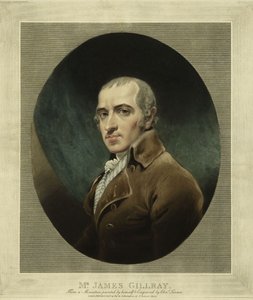
james gillray
1756 - 1815 , United Kingdom
Kratke činjenice
- Artistic Movement Or Style: Historical painting
- Artists Or Movements Influenced By This Artist: ['Historical painting']
- Artists Who Influenced This Artist: ['Henry Raeburn']
- Date Of Birth: June 6, 1756
- Date Of Death: November 10, 1843
- Full Name: John Trumbull
- Nationality: American
- Notable Artworks:
- Declaration of Independence
- Washington Resigns His Commission
- Cornwallis Surrenders
- Place Of Birth: Lebanon, Connecticut

