

 Pregledaj u prostoru
 Pošalji
 Podeli
 Detalji o delu

 Преузми
 Slični predmeti
 Rendgenski snimak
 Slajdovi
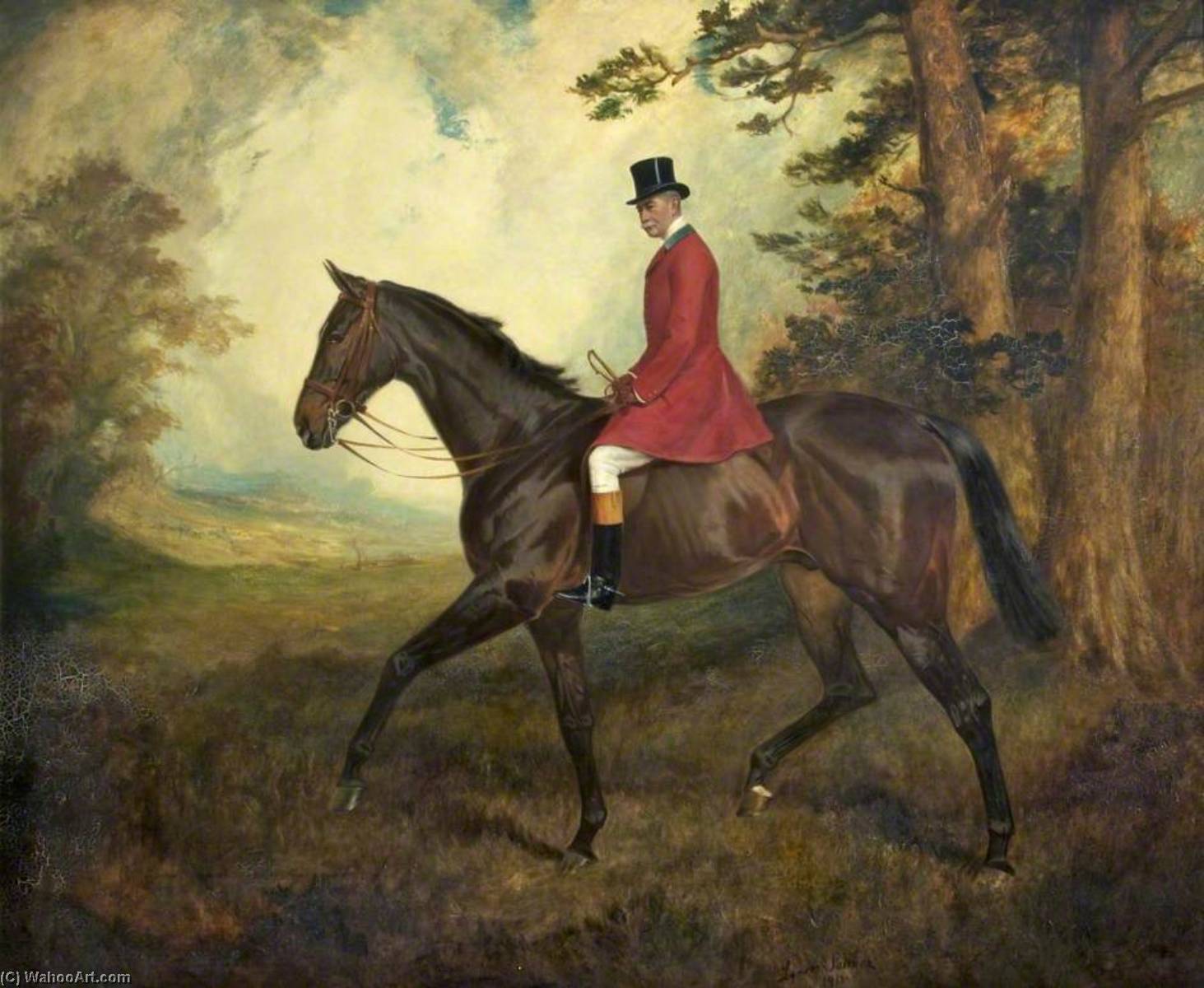
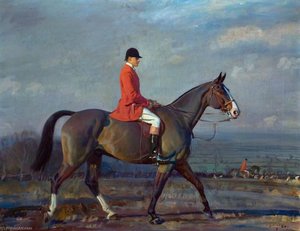
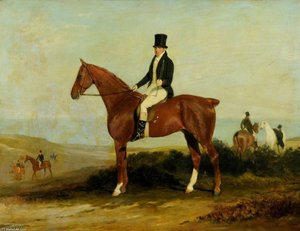
Colonel William Hall Walker on 'Buttercup'
 Contemporary Realism
 1913
1913 153.0 x 189.0 cm
 Walker Art Gallery
 Pročitaj više
Kupite digitalnu sliku visoke rezolucije i poboljšanog kvaliteta, koja je znatno superiornija od onoga što vidite u online prikazu.
Svaka datoteka je pedantno pripremljena od strane naših stručnjaka koristeći napredne alate i profesionalnu ručnu retušu. Osiguravamo da svaka slika ima izuzetnu oštrinu, preciznu reprodukciju boja i fine detalje.
Konačna datoteka se dostavlja putem e-pošte u roku od 72 sata, optimizovana za neposrednu upotrebu u profesionalnim, izdavačkim i štamparskim okruženjima. To je isti kvalitet kojem veruju vrhunski studiji dizajna, izdavači i galerije.
Digitalna slika
Preuzmite datoteku visoke rezolucije za ličnu upotrebu, štampanje i kreativne projekte. ( Kupi print Kupi ručno naslikanu sliku)
Uključeno uz svaku porudžbinu digitalne slike
Profesionalna digitalna isporuka, zagarantovana
Kada odaberete ArtsDot.com, ne dobijate samo sliku – vi primate profesionalno unapređeno digitalno umetničko delo, izrađeno sa najvećom preciznošću i uz garanciju zadovoljstva. Evo svega što automatski dolazi uz vašu porudžbinu:

Brza dostava putem e-pošte
Vaša digitalna slika visoke rezolucije biće vam poslata putem e-pošte u roku od 72 sata od poručivanja – spremna za trenutnu upotrebu.

Digitalna datoteka unapređena veštačkom inteligencijom
Vaše umetničko delo je profesionalno optimizovano korišćenjem naprednih AI alata i ručne obrade, čime se osiguravaju maksimalni detalji, oštrina i preciznost boja.

Besplatna ponovna isporuka doživotno
Slučajno ste obrisali ili izgubili svoju datoteku? Ne brinite – poslaćemo vam je ponovo u bilo kom trenutku, potpuno besplatno.

Bez troškova uvoza – zauvek
Uživajte u svojim umetničkim delima trenutno, bez carine, dažbina ili troškova dostave – digitalni download je uvek bez poreza.

Garancija vernosti boja
Uz pomoć profesionalnih alata i upravljanja bojama, osiguravamo da vaša digitalna slika što vernije odražava originalne boje.

Garancija zadovoljstva u roku od 60 dana
Ako niste zadovoljni svojom digitalnom slikom, revidirat ćemo je ili vratiti 100% novca u roku od 60 dana – bez ikakvih pitanja.

100% garancija povrata novca
Niste zadovoljni? Obezbedite pun povrat novca u roku od 60 dana od trenutka kada ste primili svoju digitalnu datoteku – bez suvišnih pitanja.

Popusti na velike porudžbine
Kupite 3 slike, uštedite 10% - Kupite 5 slika, uštedite 15% - Kupite 10+ slika, uštedite 20%. Odlično za kreativne projekte, galerije i agencije.
Srodna umetnička dela
Biografija umetnika
James Lynwood Palmer: The Nervous Majesty of the Racehorse
James Lynwood Palmer (1868-1941) wasn’t merely a painter; he was an interpreter of equine psychology, a chronicler of the fleeting emotions within the powerful bodies of racehorses. Born in Market Rasen, Lincolnshire, into a family steeped in the traditions of the Church, Palmer’s artistic path diverged dramatically from his father's clerical life, leading him to forge a unique and intensely personal style. His early years were spent amidst the rugged landscapes of Canada, working with horses – a formative experience that would profoundly shape his future work. This immersion in the animal world, coupled with an innate sensitivity to movement and expression, became the bedrock of his distinctive artistic vision.
Palmer’s career blossomed during the early 20th century, a period of significant change and excitement within British racing. He deliberately avoided public exhibitions, preferring instead to cater to a select clientele – wealthy sportsmen and breeders who commissioned portraits of their prized steeds. This private patronage afforded him considerable freedom and allowed him to develop his distinctive technique without the constraints of commercial pressures. His subjects weren’t idealized representations of athletic prowess; rather, Palmer captured the inherent tension, the barely contained energy, and often the palpable nervousness of these magnificent animals as they stood poised on the track.
The Palette of Anxiety
Palmer's artistic approach was remarkably unconventional for his time. He eschewed the traditional heroic poses favored by many equestrian painters, instead focusing on capturing a sense of vulnerability and immediacy. His compositions were often dynamic, utilizing dramatic lighting and atmospheric perspective to heighten the emotional impact. The backgrounds—typically evocative landscapes of rolling hills, stormy skies, or dense woodlands—were not merely decorative; they served as foils to the horses’ nervous energy, amplifying their anxiety and anticipation.
His color palette was equally deliberate. He favored rich, earthy tones – deep browns, ochres, and greens – punctuated by flashes of vibrant crimson and gold. These colors weren't used to create a sense of beauty or grandeur; instead, they contributed to the overall feeling of tension and drama. Palmer’s brushwork was loose and expressive, conveying movement and texture with remarkable skill. He employed short, broken strokes to capture the fleeting muscles beneath the horse’s skin, while broader sweeps suggested the vastness of the landscape surrounding them.
Notable Works and Influences
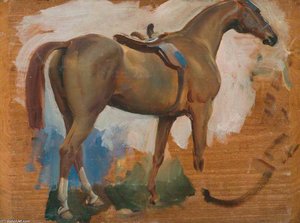
Several paintings stand out as particularly compelling examples of Palmer's unique style. “Great Sport” (1908), a portrait of a chestnut stallion named ‘Sport,’ exemplifies his ability to capture the horse’s inherent nervousness, its eyes wide with anticipation. "Minoru" (1912), depicting a similarly spirited chestnut, showcases his masterful use of light and shadow to create a sense of drama. The painting is particularly notable for its depiction of the horse's nostrils flared, conveying a feeling of heightened awareness. “Colonel William Hall Walker on Buttercup” (1913) offers a glimpse into the relationship between man and animal, portraying a gentleman and his horse within a richly detailed woodland setting.
While Palmer’s work is largely self-taught, it's clear that he was influenced by several key artistic movements. The Impressionists, with their emphasis on capturing fleeting moments of light and color, undoubtedly played a role in shaping his technique. Furthermore, the works of J.M.W. Turner, known for his dramatic landscapes and atmospheric effects, provided inspiration for Palmer’s use of light and shadow. The influence of Pre-Raphaelite painters, with their interest in romanticism and emotional intensity, is also evident in his portrayal of horses as complex and emotionally charged subjects.
Legacy and Historical Significance
James Lynwood Palmer's contribution to the history of equestrian art lies not in grand scale or monumental ambition, but in his intimate understanding of the horse’s psychology. He wasn’t simply painting horses; he was painting their emotions—their anxiety, their anticipation, their inherent wildness. His work offers a rare and compelling glimpse into the world of British racing during the early 20th century, capturing a time of both excitement and social change.
Palmer's distinctive style has largely been overlooked by mainstream art history, but his paintings continue to be appreciated by collectors and enthusiasts who recognize their unique beauty and emotional depth. His legacy endures as a testament to the power of observation, sensitivity, and artistic vision—a reminder that even the most powerful creatures can possess a profound vulnerability.
james lynwood palmer
1868 - 1941
Kratke činjenice
- Artistic Movement Or Style: Equine painting
- Artists Or Movements Influenced By This Artist: ['Equestrian portraiture']
- Artists Who Influenced This Artist: ['None specified']
- Date Of Birth: 1868
- Date Of Death: 1941
- Full Name: James Lynwood Palmer
- Nationality: British
- Notable Artworks:
- Great Sport
- Minoru
- Buttercup
- Place Of Birth: Rasen, Lincolnshire, UK

