

 Pregledaj u prostoru
 Pošalji
 Podeli
 Detalji o delu

 Преузми
 Slični predmeti
 Rendgenski snimak
 Slajdovi
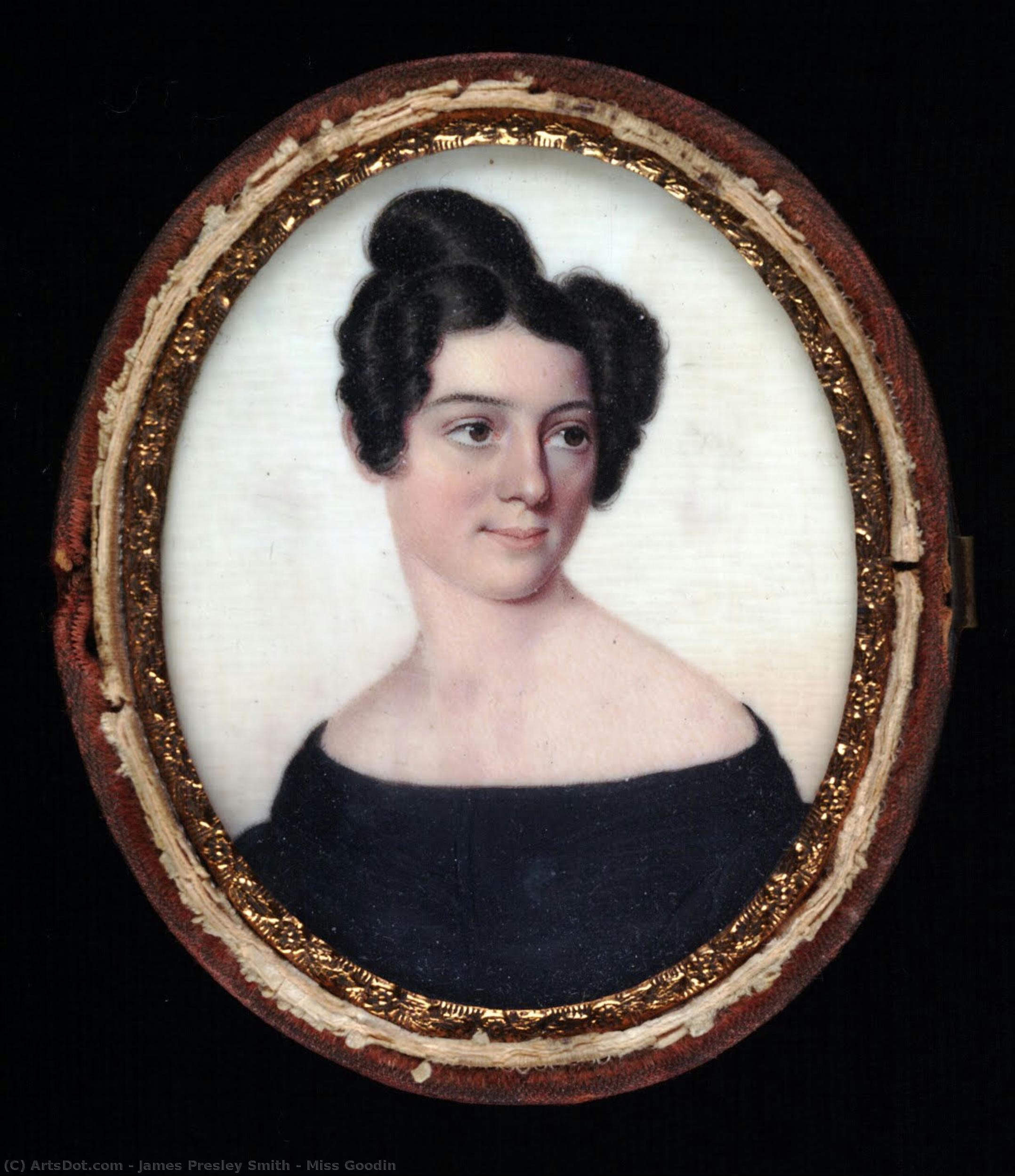
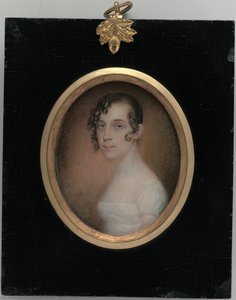
Miss Goodin


 Pročitaj više
Giclee štampa / Umetnički otisak
Giclée štampa ili print na platnu muzejskog kvaliteta uz brzu proizvodnju i fleksibilne opcije završne obrade. ( Kupi ručno naslikanu sliku Kupi digitalnu sliku)




P118B $10

P118H $10

P118W $10

P438Z $10

P508JH $12

P508YH $12

P805H $10

P805Z $10

P919BZ $10

P919G $10

P919XJ $10

P959ZH $10

P968JZ $12

W106C $8

W218G $10

W218JH $8

W218Y $10

W307PJ $10

W316G $10

W316PJ $8

W316Y $10

W398PJ $8

W4111J $10

W500HY $15

W500JH $15

W692G $12

W849H $8

W940BG $15

W953PJ $8




Izaberite jednu od naših unapred definisanih veličina koje odgovaraju originalnim proporcijama umetničkog dela.

Možete uneti sopstvene dimenzije kako biste umetničko delo prilagodili specifičnom okviru ili prostoru. Ako odabrani format ne odgovara proporcijama originalne slike, mi ćemo ili iscrtati deo dela ili proširiti sliku pomoću ogledane ivice ili jednobojnog popunjavanja. Digitalni prikaz će vam biti poslat na odobrenje pre početka proizvodnje.
Imajte na umu da pregled na ekranu ne odražava stvarno iscrtavanje ili proširivanje. Samo će prikaz (mockup) precizno pokazati finalnu kompoziciju.
Iako su prilagođene dimenzije dostupne, preporučujemo da odaberete dimenziju sa unapred definisane liste kako biste očuvali originalne proporcije.
Dostava širom sveta () za 2 nedelje umesto uobičajenih 4/5 nedelja. (25 август)

Besplatna ekspresna dostava širom sveta

Visokokvalitetno laneno platno

Kompletno osiguranje transporta

Garancija povraćaja carine i uvoznih dažbina

Garancija vernosti boja

Politika povrata u roku od 60 dana (samo u slučaju nedostataka)

Garancija povrata novca od 100%

Popust pri grupnoj kupovini
 Opcija sa staklom dostupna je samo za dimenzije manje od 110 cm

Miss Goodin
Giclee štampa / Umetnički otisak
Dimenzije reprodukcije
-


Konačna cena
$ 62
Opis predmeta
James Presley Smith’s “Miss Goodin”: A Portrait of Victorian Sentimentality
“Miss Goodin,” painted by James Presley Smith in 1835, stands as a poignant testament to the artistic sensibilities of the Victorian era. More than just a likeness of a woman—likely Eliza Goodin, wife of prominent Philadelphia businessman William Goodin—the painting embodies a complex tapestry of emotions and stylistic considerations that continue to fascinate art historians and collectors alike.
Subject Matter and Composition
The portrait depicts Eliza Goodin seated in profile, her gaze directed slightly to the side. Her posture exudes quiet contemplation, conveying an inner life beyond mere appearance. Smith’s masterful use of composition draws the viewer's eye inwards, emphasizing the subject’s face and capturing a subtle expression of melancholy. The simplicity of the setting—a muted background—allows Eliza Goodin’s visage to dominate the canvas, prioritizing psychological depth over elaborate ornamentation.
Technique and Materials
Smith executed “Miss Goodin” primarily in watercolor on ivory paper – a technique favored by artists of his time for its luminosity and ability to achieve delicate tonal gradations. Watercolor pigments were meticulously blended to create subtle hues that capture the nuances of Eliza Goodin’s complexion and hair color. The artist skillfully employed glazing techniques, layering translucent washes over underlying tones to build up depth and richness without obscuring the initial sketch.
Historical Context: Victorian Portraiture
The painting emerged during a period characterized by intense social scrutiny and an obsession with documenting individual identity. Victorian portraiture aimed not merely to represent physical appearance but also to convey moral character and social status. Smith’s work aligns perfectly with this trend, reflecting the Victorian preoccupation with capturing inner emotions and presenting subjects as embodiments of virtue and refinement. The Goodin family were prominent figures in Philadelphia society, and such portraits served as markers of prestige and familial connection.
Symbolism and Emotional Impact
Beyond its formal elements, “Miss Goodin” resonates with symbolic significance. Eliza Goodin’s averted gaze speaks to the unspoken anxieties and vulnerabilities inherent in domestic life during Victorian times—a subtle acknowledgment of the pressures faced by women striving for social acceptance. The muted palette contributes to an atmosphere of quiet introspection, inviting viewers to contemplate themes of femininity, melancholy, and the complexities of human emotion. It's a piece that lingers in the mind long after viewing, prompting reflection on beauty, sorrow, and the enduring power of portraiture.
Conclusion
James Presley Smith’s “Miss Goodin” remains an exceptional example of Victorian watercolor painting—a beautifully rendered depiction infused with psychological insight. Its understated elegance and evocative portrayal of Eliza Goodin's demeanor continue to inspire admiration and serve as a reminder of the profound capacity of art to convey emotion and capture the spirit of its time.
Srodna umetnička dela


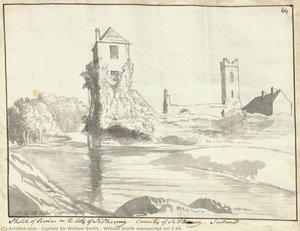
Biografija umetnika
James Presley Smith: A Life in Portraiture
James Presley Smith (also known as James P. Smith), born around 1803 in Philadelphia, Pennsylvania, and died in 1888 in the same city, was an American artist specializing in portraiture and miniature painting. He flourished during the 19th century, establishing a reputation for his realistic depictions of individuals through watercolor and oil paintings.
Early Life and Artistic Beginnings
Smith came from a family with artistic inclinations, fostering his passion for art from a young age. He received formal training as a portrait painter under prominent artists of the time, honing his skills in capturing likenesses and character. His early career was marked by a dedication to mastering traditional techniques.
Artistic Style and Influences
Smith’s artistic style is characterized by meticulous attention to detail and a commitment to realism. He skillfully employed both watercolor and oil paints, achieving nuanced portrayals of his subjects. His work demonstrates the influence of European masters, whose techniques he studied during his travels – though specific masters are not definitively documented.
Notable Works
While a comprehensive catalog of Smith’s works is still being compiled, several pieces stand out as examples of his talent. Among these is the “Portrait of a young woman,” which showcases his ability to capture subtle expressions and convey personality. Another notable work is “Miss Goodin”, demonstrating his skill in miniature painting.
Professional Affiliations and Exhibitions
Smith was an active member of the artistic community, belonging to the prestigious Pennsylvania Academy of the Fine Arts. He regularly exhibited his works at the academy, gaining recognition from peers and patrons. He also participated in exhibitions at the National Academy of Design in New York City, further solidifying his reputation.
Historical Significance and Legacy
James Presley Smith’s contributions to 19th-century American art lie in his dedication to portraiture and his skillful execution of realistic depictions. His work provides valuable insights into the social and cultural landscape of his time. Today, his paintings are held in esteemed collections such as:
- Pennsylvania Academy of the Fine Arts
- Philadelphia Museum of Art
- Metropolitan Museum of Art (New York City)
Though not a household name, Smith’s legacy continues to inspire artists and art enthusiasts alike. His paintings serve as reminders of the importance of portraiture in preserving individual stories and capturing the spirit of an era.
Further Exploration
For more information on James Presley Smith and his works, please visit ArtsDot.com. To explore a wider range of artists and artworks, check out ArtsDot’s popular artist directory.
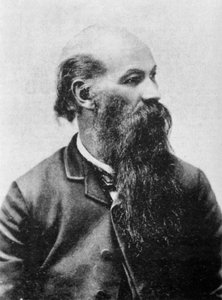
james presley smith
1888 , United States of America
Osnovne informacije
- Birth_Date: c. 1803
- Birth_Place: Philadelphia, Pennsylvania, United States
- Death_Date: 1888
- Influenced_By: European masters
- Movement: Realism
- Name: James Presley Smith
- Nationality: American
- Notable_Works: Portrait of a young woman, Miss Goodin
Povezani članci

Watercolor Wonders: 10 Masterpieces That Redefined Art History | ArtsDot
Journey through 10 legendary watercolor masterpieces by Sargent, Turner & Homer! Explore iconic landscapes, portraits & floral art that redefined history. Find museum-quality reproductions and curated decor ideas at ArtsDot.com.

Ephemeral Visions: Exploring the Artistic Legacy & Contemporary Practice of Watercolor Painting
Explore the captivating world of watercolor painting! Discover its rich history, essential techniques, influential artists & collecting tips. A comprehensive guide for art enthusiasts from ArtsDot.

Ephemeral Visions: Exploring the Artistic Legacy & Nuances of Watercolor Painting
Explore the captivating world of watercolor painting! Discover its rich history, essential techniques, influential artists & collecting tips from art experts. A comprehensive guide for enthusiasts.

Ephemeral Visions: Exploring the History & Emotional Resonance of Watercolor Painting
Explore the captivating history of watercolor painting, from ancient techniques to modern masters like Kandinsky & Blake. Discover essential artists, collecting tips & the emotional power of this luminous medium. Expert insights for art enthusiasts.

Džems Abbot MekNil Whistler: 25 Remek-dela Majstora Tonalizma | ArtsDot
Istražite 25 remek-dela Džemsa Abota MekNila Whistler-a! Uronite u svet Tonalizma, portreta i prelepog pejzaža. Kupite vrhunske reprodukcije slika na ArtsDot.com i obogatite svoj enterijer luksuznom umetnošću.

