

 Pregledaj u prostoru
 Pošalji
 Podeli
 Detalji o delu

 Преузми
 Slični predmeti
 Rendgenski snimak
 Slajdovi
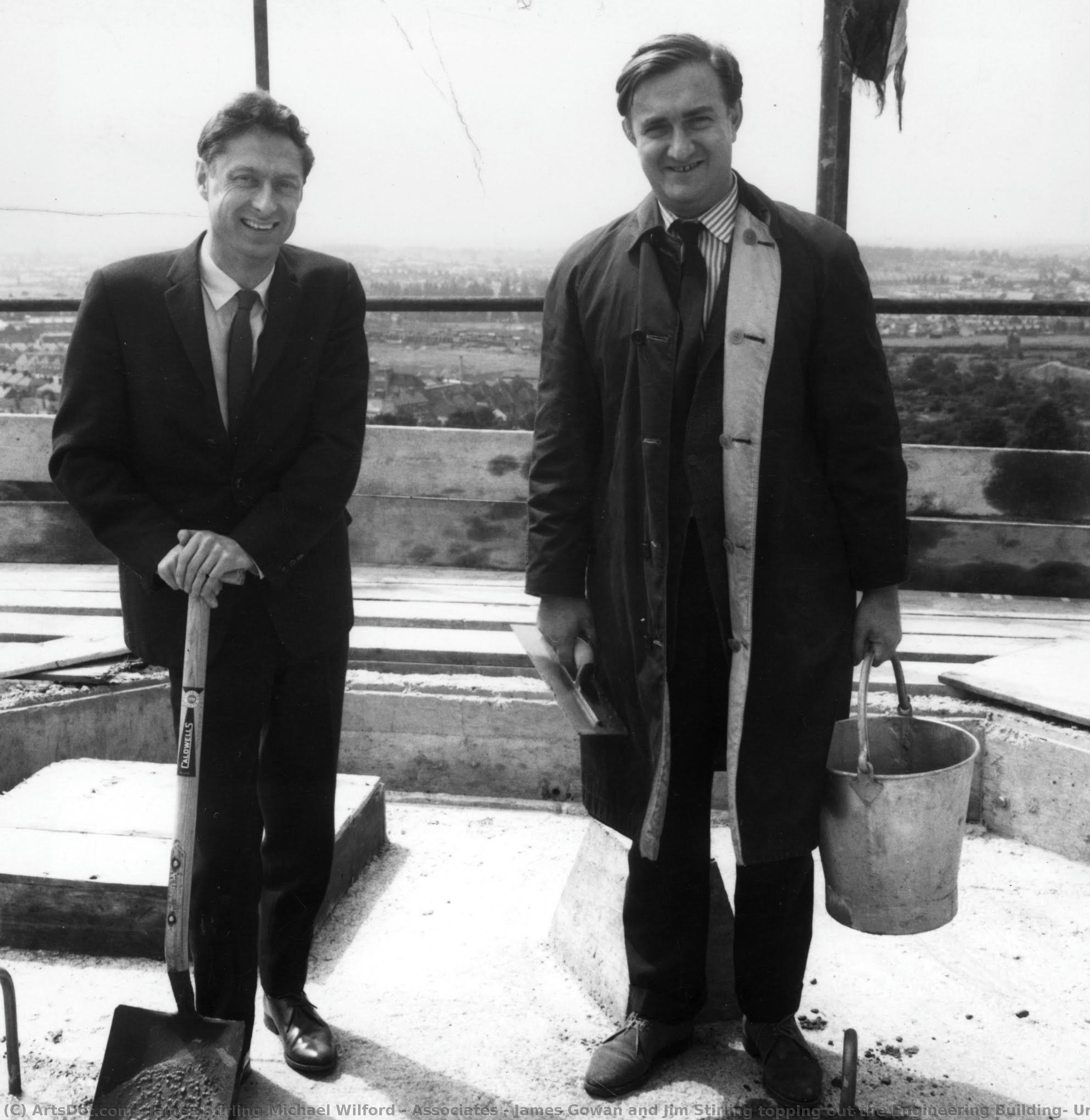
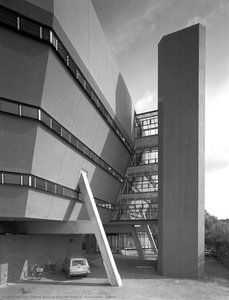
James Gowan and Jim Stirling topping out the Engineering Building, University of Leicester


 Pročitaj više
Ručno rađena uljana reprodukcija
Ručno oslikano uljanim bojama na platnu u dimenzijama i okviru po vašem izboru, izrađeno po porudžbini od strane naših umetnika. ( Kupi print Kupi digitalnu sliku)




P118B $10

P118H $10

P118W $10

P438Z $10

P508JH $12

P508YH $12

P805H $10

P805Z $10

P919BZ $10

P919G $10

P919XJ $10

P959ZH $10

P968JZ $12

W106C $8

W218G $10

W218JH $8

W218Y $10

W307PJ $10

W316G $10

W316PJ $8

W316Y $10

W398PJ $8

W4111J $10

W500HY $15

W500JH $15

W692G $12

W849H $8

W940BG $15

W953PJ $8




Izaberite jednu od naših unapred definisanih veličina koje odgovaraju originalnim proporcijama umetničkog dela.

Можете унети сопствене димензије како бисте прилагодили дело одређеном оквиру или простору. Ако одабрана величина не одговара пропорцијама оригинала, слика ће бити исечена или проширена додатним елементима који се ручно насликавају. Дигитални prikaz ће вам бити послат на одобрење пре почетка производње.
Имајте на уму да преглед на екрану не одражава стварно исецање или проширење. Само приказ (mockup) ће тачно приказати коначну композицију.
Иако су доступне прилагођене величине, препоручујемо да одаберете димензију из дефинисане листе како бисте сачували оригиналне пропорције.
Nakon narudžbine, tim ArtsDot.com će klijentu putem e-pošte poslati uputstva i dostaviti prikaz predloženog rešenja
Isporuka širom sveta () za 3/4 nedelje umesto uobičajenih 5 nedelja. (3 септембар). Bez kompromisa po pitanju kvaliteta.

Besplatna ekspresna dostava širom sveta

Visokokvalitetno laneno platno

Kompletno osiguranje transporta

Garancija povraćaja carine i uvoznih dažbina

Garancija vernosti boja

Politika povrata u roku od 60 dana (samo u slučaju nedostataka)

Garancija povrata novca od 100%

Popust pri grupnoj kupovini
 Opcija sa staklom dostupna je samo za dimenzije manje od 110 cm

James Gowan and Jim Stirling topping out the Engineering Building, University of Leicester
Tehnika reprodukcije
Dimenzije reprodukcije
-


Konačna cena
$ 288
A Moment of Triumph: "James Gowan and Jim Stirling topping out the Engineering Building, University of Leicester"
This striking black and white photograph captures a pivotal moment in architectural history – the “topping out” ceremony for the Engineering Building at the University of Leicester, designed by James Stirling Michael Wilford & Associates. Taken in 1963, it offers a rare glimpse into the construction process and celebrates the collaborative spirit behind this groundbreaking project. The image features architects James Gowan and Jim Stirling, seemingly poised on the precipice of completion, embodying both professional accomplishment and a sense of shared victory. The presence of other figures suggests a wider celebration involving builders, engineers, and perhaps university officials, highlighting the collective effort required to realize such an ambitious design.Architectural Context: Pioneering Postmodernism
The Engineering Building at Leicester University holds significant historical weight as one of the earliest examples of postmodern architecture in the United Kingdom. Following decades dominated by modernist principles – characterized by stark functionality and a rejection of ornamentation – Stirling and Gowan’s work represented a deliberate shift. They reintroduced historical references, playful forms, and vibrant colors (though not visible in this black and white photograph), challenging the perceived austerity of modernism. This building marked a turning point, paving the way for a new era in architectural design that embraced complexity, contextuality, and a renewed appreciation for visual richness. The partnership between Stirling and Gowan was short-lived, ending after this project, with Stirling later forming James Stirling Michael Wilford & Associates.Symbolism and Composition
Beyond its historical significance, the photograph itself is rich in symbolism. The hammer held by one of the architects represents the culmination of labor and construction – a tangible symbol of creation. The bucket nearby hints at the practicalities of the building process, grounding the scene in reality. The men's formal attire—ties—suggests an important occasion, elevating the event beyond mere completion to a celebration of achievement. The composition, with the figures silhouetted against the sky and the surrounding cityscape, creates a sense of scale and ambition. The black and white format lends a timeless quality to the image, emphasizing the enduring legacy of the building and the architects' vision.Emotional Impact and Legacy
This photograph evokes a feeling of optimism and progress. It captures a moment of shared pride and accomplishment among those involved in bringing this innovative structure to life. While Stirling’s later career was marked by both acclaim and controversy, this image serves as a reminder of his early promise and the groundbreaking nature of his work with Gowan. Owning a reproduction of this photograph is not just acquiring a piece of architectural history; it's possessing a visual document that embodies a pivotal moment in design thinking and celebrates the human ingenuity behind shaping our built environment. It’s an ideal addition for architecture enthusiasts, collectors interested in postmodernism, or anyone seeking to infuse their space with a sense of intellectual curiosity and historical significance.Srodna umetnička dela

Biografija umetnika
James Stirling Michael Wilford & Associates: A Legacy of Postmodern Architecture
Early Life and Formation
- James Stirling was born in Glasgow, United Kingdom, in 1926. He studied architecture at the University of Liverpool and later at the Architectural Association School of Architecture in London.
- He initially worked for various architectural practices before forming a partnership with Michael Wilford in 1958. This collaboration proved pivotal to their future success.
- The firm, formally established as James Stirling Michael Wilford & Associates in 1971, quickly gained recognition for its innovative and often unconventional designs.
Artistic Development and Influences
- Stirling and Wilford’s early work demonstrated a rejection of the prevailing modernist orthodoxy. They sought to create buildings that were more responsive to their context, both historical and social.
- Influences included the writings of architectural historians like Reyner Banham, as well as a fascination with vernacular architecture and the playful use of form and color found in earlier periods.
- They were also inspired by the work of architects such as Robert Venturi and Denise Scott Brown, pioneers of postmodernism who challenged the dogmas of modernism.
Major Works and Achievements
- Neue Staatsgalerie (Stuttgart, Germany): Completed in 1984, this museum is considered one of their masterpieces. It boldly combines classical elements with modern materials and a playful arrangement of volumes.
- Sackler Gallery (Washington D.C., USA): This extension to the Smithsonian Institution showcases their ability to sensitively integrate new structures into existing historical contexts.
- Number 1 Poultry (London, UK): Awarded the RIBA Stirling Prize in 1996 (posthumously for Stirling), this building is a landmark example of postmodern urban design. Its colorful facade and distinctive form revitalized a neglected area of the City of London.
- Other notable projects include the Wissenschaftszentrum Berlin, the Arthur M. Sackler Museum at Harvard University, and various university buildings in Germany and the UK.
Historical Significance and Legacy
- James Stirling Michael Wilford & Associates played a crucial role in shaping the development of postmodern architecture. Their work challenged conventional notions of architectural form and function, embracing complexity, ambiguity, and historical reference.
- James Stirling was awarded the prestigious Pritzker Architecture Prize in 1981, recognizing his significant contribution to the field.
- The firm’s designs continue to inspire architects today, demonstrating the enduring power of their innovative and thought-provoking approach. Their buildings are celebrated for their intellectual rigor, visual dynamism, and ability to create engaging public spaces.
- Following Stirling's death in 1992, Michael Wilford continued to lead the firm until his retirement in 2005, ensuring the continuation of their distinctive architectural vision.
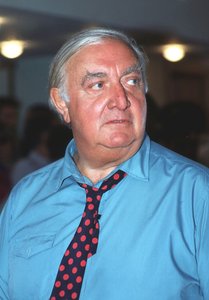
james stirling michael wilford & associates
1926 - 1992 , United Kingdom
Osnovne informacije
- Birth Date: 1926
- Birth Place: Glasgow, United Kingdom
- Death Date: 1992
- Movement: Postmodern Architecture
- Name: James Stirling Michael Wilford & Associates
- Nationality: British
- Notable Works:
- Neue Staatsgalerie
- Sackler Gallery
- Number 1 Poultry
Povezani članci

Džems Abbot MekNil Whistler: 25 Remek-dela Majstora Tonalizma | ArtsDot
Istražite 25 remek-dela Džemsa Abota MekNila Whistler-a! Uronite u svet Tonalizma, portreta i prelepog pejzaža. Kupite vrhunske reprodukcije slika na ArtsDot.com i obogatite svoj enterijer luksuznom umetnošću.

Sir Alfred Munnings' Masterpieces: 25 Paintings That Define Equine Art | ArtsDot
Explore 25 iconic Sir Alfred Munnings paintings! Discover the beauty of British Impressionism, equine art & rural England. Find museum-quality reproductions and elevate your home decor with ArtsDot. Explore the full collection online.

James Stark: Evoking the Human Condition Through Contemporary Realism
Explore the captivating landscapes of James Stark (1794-1859), a leading Norwich School painter. Discover his Dutch Master influences, critical acclaim, and enduring legacy in contemporary realism. Art collecting insights & investment potential.
James Bard: Navigating Light & Landscape in American Impressionism
Explore the captivating world of James Bard (1815-1897), a meticulous chronicler of 19th-century American maritime life. Discover his detailed steamboat paintings and lasting legacy within the American Impressionism movement.
James Carroll Beckwith: Luminism, Spirituality & the American Landscape Tradition
Explore the captivating world of James Carroll Beckwith (1852-1917), a leading figure in American Luminism. Discover his landscapes, portraits & spiritual influences – a deep dive for art enthusiasts and collectors.

