 Pregledaj u prostoru
 Pošalji
 Podeli
 Detalji o delu

 Преузми
 Slični predmeti
 Rendgenski snimak
 Slajdovi
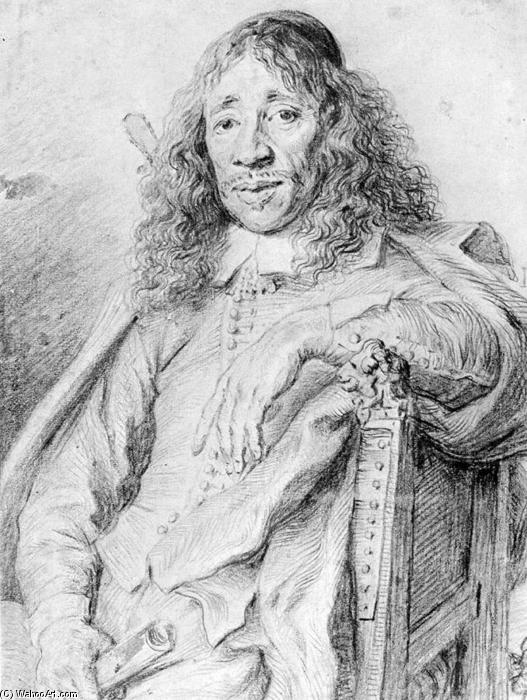
Portrait of Poet Jan Vos
 Acrylic On Canvas
- WallArt
- Baroque Dutch Drawing
 322.0 x 253.0 cm
 Städel Museum
 Pročitaj više
Ručno rađena uljana reprodukcija
Ručno oslikano uljanim bojama na platnu u dimenzijama i okviru po vašem izboru, izrađeno po porudžbini od strane naših umetnika. ( Kupi print Kupi digitalnu sliku)




P118B $10

P118H $10

P118W $10

P438Z $10

P508JH $12

P508YH $12

P805H $10

P805Z $10

P919BZ $10

P919G $10

P919XJ $10

P959ZH $10

P968JZ $12

W106C $8

W218G $10

W218JH $8

W218Y $10

W307PJ $10

W316G $10

W316PJ $8

W316Y $10

W398PJ $8

W4111J $10

W500HY $15

W500JH $15

W692G $12

W849H $8

W940BG $15

W953PJ $8




Izaberite jednu od naših unapred definisanih veličina koje odgovaraju originalnim proporcijama umetničkog dela.

Можете унети сопствене димензије како бисте прилагодили дело одређеном оквиру или простору. Ако одабрана величина не одговара пропорцијама оригинала, слика ће бити исечена или проширена додатним елементима који се ручно насликавају. Дигитални prikaz ће вам бити послат на одобрење пре почетка производње.
Имајте на уму да преглед на екрану не одражава стварно исецање или проширење. Само приказ (mockup) ће тачно приказати коначну композицију.
Иако су доступне прилагођене величине, препоручујемо да одаберете димензију из дефинисане листе како бисте сачували оригиналне пропорције.
Nakon narudžbine, tim ArtsDot.com će klijentu putem e-pošte poslati uputstva i dostaviti prikaz predloženog rešenja
Isporuka širom sveta () za 3/4 nedelje umesto uobičajenih 5 nedelja. (27 август). Bez kompromisa po pitanju kvaliteta.

Besplatna ekspresna dostava širom sveta

Visokokvalitetno laneno platno

Kompletno osiguranje transporta

Garancija povraćaja carine i uvoznih dažbina

Garancija vernosti boja

Politika povrata u roku od 60 dana (samo u slučaju nedostataka)

Garancija povrata novca od 100%

Popust pri grupnoj kupovini
 Opcija sa staklom dostupna je samo za dimenzije manje od 110 cm

Portrait of Poet Jan Vos
Tehnika reprodukcije
Dimenzije reprodukcije
-


Konačna cena
$ 263
Opis umetničkog dela
Portrait of Poet Jan Vos: A Window into Dutch Baroque
The “Portrait of Poet Jan Vos,” executed by the remarkably talented Jan Lievens around 1670, offers a captivating glimpse into the intellectual and artistic currents of 17th-century Delft. More than just a likeness, this painting is a carefully constructed tableau – a meditation on erudition, civic engagement, and the subtle melancholy inherent in the life of a poet. Lievens, a student and later collaborator with Rembrandt van Rijn, masterfully employs the Baroque’s dramatic lighting and dynamic composition to elevate Vos from mere subject to a figure imbued with quiet dignity and contemplative depth.
The painting depicts Jan Jansz. Vos (1612-1667), a prominent playwright and poet of his time, seated in an upholstered chair within a modestly furnished room. Vos’s attire – a richly textured coat adorned with a distinctive patch on the shoulder, complemented by a ruffled collar – speaks to his social standing and connection to Delft's mercantile elite. His gaze, direct and unwavering, draws the viewer into a silent conversation, suggesting both confidence and perhaps a hint of introspection. The carefully rendered details—the folds of the fabric, the texture of the velvet chair, even the subtle sheen on Vos’s hands resting upon his writing desk – reveal Lievens' meticulous attention to realism, a hallmark of Dutch Golden Age painting.
The Language of Light and Line
Lievens’ technical skill is immediately apparent in the masterful use of hatching and cross-hatching, techniques that create an astonishingly convincing illusion of form and texture. The artist skillfully manipulates light to sculpt Vos's face and body, casting deep shadows that emphasize his features and adding a sense of volume. The lighting, originating from the upper left, not only defines the subject’s physical presence but also subtly directs the viewer’s eye across the composition. Notice how the interplay of light and shadow creates a dramatic contrast between the illuminated areas – Vos's face, hands, and clothing – and the darker recesses of the room.
Furthermore, Lievens demonstrates an astute understanding of line. The lines are not merely delineating shapes; they’re actively contributing to the painting’s overall dynamism. The fluid curves of the chair back contrast with the more angular lines defining Vos's posture and facial features. Hatching is used extensively to build up tonal values, creating a rich tapestry of gray tones that mimic the appearance of fabric and skin. The careful layering of these lines generates an incredible sense of depth and three-dimensionality, pulling the viewer into the scene.
Symbolism and Context
The “Portrait of Poet Jan Vos” is deeply rooted in the cultural context of Delft during the late 17th century. Delft was a thriving center for trade, art, and intellectual discourse – a hub where merchants, artists, and scholars mingled. Vos’s position as a playwright and poet reflects this vibrant atmosphere, suggesting a man engaged with both the practical concerns of society and the pursuit of artistic expression. The inclusion of the writing desk and quill further emphasizes his profession and intellectual pursuits.
The painting also subtly alludes to the broader themes explored in Vos’s work – critiques of societal corruption and moral failings. While not overtly depicted, the portrait embodies a sense of quiet judgment, reflecting the poet's role as a commentator on the world around him. The restrained elegance of the composition—the carefully chosen details, the subtle expressions—suggests a sophisticated understanding of human nature and a keen awareness of social dynamics.
A Timeless Masterpiece: Reproduction Possibilities
Reproduced with exceptional fidelity, this “Portrait of Poet Jan Vos” offers an unparalleled opportunity to bring a piece of Dutch Baroque artistry into your home or office. The meticulous detail captured by Lievens—the rich textures, the nuanced lighting, and the expressive faces—are faithfully reproduced in high-resolution prints on canvas or archival paper. Whether you’re seeking a statement piece for a formal living room or a sophisticated accent for a study, this reproduction captures the essence of the original while offering exceptional value and longevity.
Consider commissioning a custom-sized reproduction to perfectly complement your space. The “Portrait of Poet Jan Vos” is more than just an image; it’s a window into a bygone era—a testament to the artistic brilliance of Jan Lievens and a captivating reflection on the enduring power of art.
Srodna umetnička dela
Biografija umetnika
Живот и рани години Јана Ливенса
Јан Андреа Ливенс, рођен у Лајдену 24. октобра 1607. године, био је холандски сликар чије име остаје блиско повезано са златног веком холандског сликарства. Његов талент се манифестовао још у раној младости, а његово дело често се упоређује са делом Рембранда ван Рајна, с обзиром да су обојица радили у сличним стиловима током овог изузетно плодног периода холандске историје. Ливенсов отац, Ливен Хендриксзоон, био је израђивач тапетерија, а Јан је своју уметничку каријеру започео под менторством Јориса Вершотена. Већ са десет година, послат је на двогодишњу праксу код Питера Ластмана у Амстердаму, где је стекао фундаменталне вештине и почео да обликује свој карактеристичан стил.
Успон славе и сарадња са Рембрандом
Већ са дванаест година, Ливенс се прославио као самосталан уметник. Његова копија дела "Демокрит и Хералит" Корнелиса ван Харлема, заједно са портретом његове мајке, Махтелт Јанс ван Нортзант, привукла је пажњу Мориса од Насауа, принца Оранског. Ово га је довело до позива на британски двор у доби од тридесет и једну годину. Најзначајнији период његовог рада обележена је сарадњом са Рембрандом ван Рајном од 1626. до 1631. године. Заједно су створили преко двадесетак слика, цртежа и отисака. Ова конкурентна али плодна сарадња често је представљала изазов у атрибуцији дела из тог периода, због сличности стилова и техника.
Утицаји и карактеристике Ливенсовог рада
Ливенс је био под снажним утицајем каравађиста, што се огледа у његовим драматичним композицијама. Ипак, поседовао је изванредан таленат за сликање у природној величини, што је додатно обогаћивало његов стил. Његова способност да дочара интензивне емоције и реалистичне детаље учинила га је изузетно траженим портретистом. У својим делима често се види комбинација холандског реализма са италијанском страшћу, што је резултирало упечатљивим и аутентичним приказима људских ликова и сцена.
Наслеђе и значајна дела
Нека од најзначајнијих Ливенсових дела укључују:
- Глава старог човека (Нови Орлеанс музеј уметности, уље на платну)
- Брадати човек са беретом (уље на табли, 54 x 46 цм)
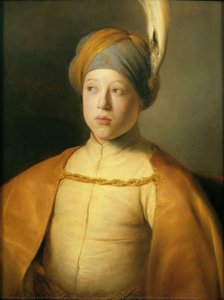
- Дечак у огртачу и турбану (портрет принца Руперта Палатинског) (Лејденска колекција, Њујорк, уље на табли)
Ливенсово наслеђе је обележено значајним доприносом Златном веку холандског сликарства. Његова дела се могу видети у бројним музејима широм света, укључујући Моритсхуис и Кремер колекцију. Истраживања његовог рада настављају да откривају нове аспекте његове уметничке визије и значаја за историју уметности.
Даље читање
- Јан Андреа Ливенс на ArtsDot
- Кремер колекција (Хаг, Холандија) - свеобухватан водич на ArtsDot
- Јан Ливенс на Википедији
Откријте уметнички геније Јана Андреа Ливенса кроз његова задивљујућа дела и сарадњу са другим холандским мајсторима.
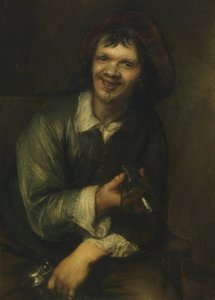
Јан Ливенс
1607 - 1674 , Holandija
Osnovne informacije
- Artistic Movement Or Style: Zlatno doba holandske umetnosti
- Artists Or Movements Influenced By This Artist: ['Rembrandt']
- Artists Who Influenced This Artist:
- Pieter Lastman
- Peter Paul Rubens
- Date Of Birth: 24. oktobar 1607.
- Date Of Death: 4. jun 1674.
- Full Name: Jan Lievens Jan Andrea Lievens
- Nationality: Holanđanin
- Notable Artworks:
- Glava starog čoveka
- Portret Konstantina Hujgensa
- Mladić sa beretkom
- Place Of Birth (City And Country): Leiden, Holandija
Povezani članci

Zlatno doba Holandske umetnosti: Top 10 remek dela za vaš dom
Otkrijte remek dela Holandskog zlatnog doba! Uronite u svet Rembrandta, Vermeera i drugih majstora. 10 ikoničnih slika koje su definisale umetnost. Inspiracija za vaš dom i kolekciju - ekskluzivne reprodukcije na ArtsDot.com!
Jan Steen: A Master of Dutch Genre Painting & the Golden Age
Explore the life & art of Jan Steen, a leading Dutch Golden Age painter renowned for his humorous genre scenes & insightful social commentary. Discover his techniques, legacy, and collecting tips.

Golden Age Reflections: Dutch Baroque Painting & Cultural Innovation
Explore the Dutch Golden Age of painting! Discover key artists like Vermeer & ter Borch, their innovative techniques, and the rich cultural context behind these Baroque masterpieces. Learn about collecting & appreciating this iconic art period.

Illuminating Innovation: Exploring the Dutch Golden Age of Painting
Explore the Dutch Golden Age of painting with ArtsDot. Discover Rembrandt, Vermeer & other Masters. Learn about key characteristics, iconic artworks, and lasting influence. Expert insights for collectors & enthusiasts.
Jan Lievens & Rembrandt: A Comparative Study of Baroque Innovation
Explore the fascinating artistic dialogue between Jan Lievens and Rembrandt van Rijn. Discover Lievens’s unique Baroque style, continental influences, and evolving legacy – a must-read for discerning art collectors.