

 Pregledaj u prostoru
 Pošalji
 Podeli
 Detalji o delu

 Преузми
 Slični predmeti
 Rendgenski snimak
 Slajdovi
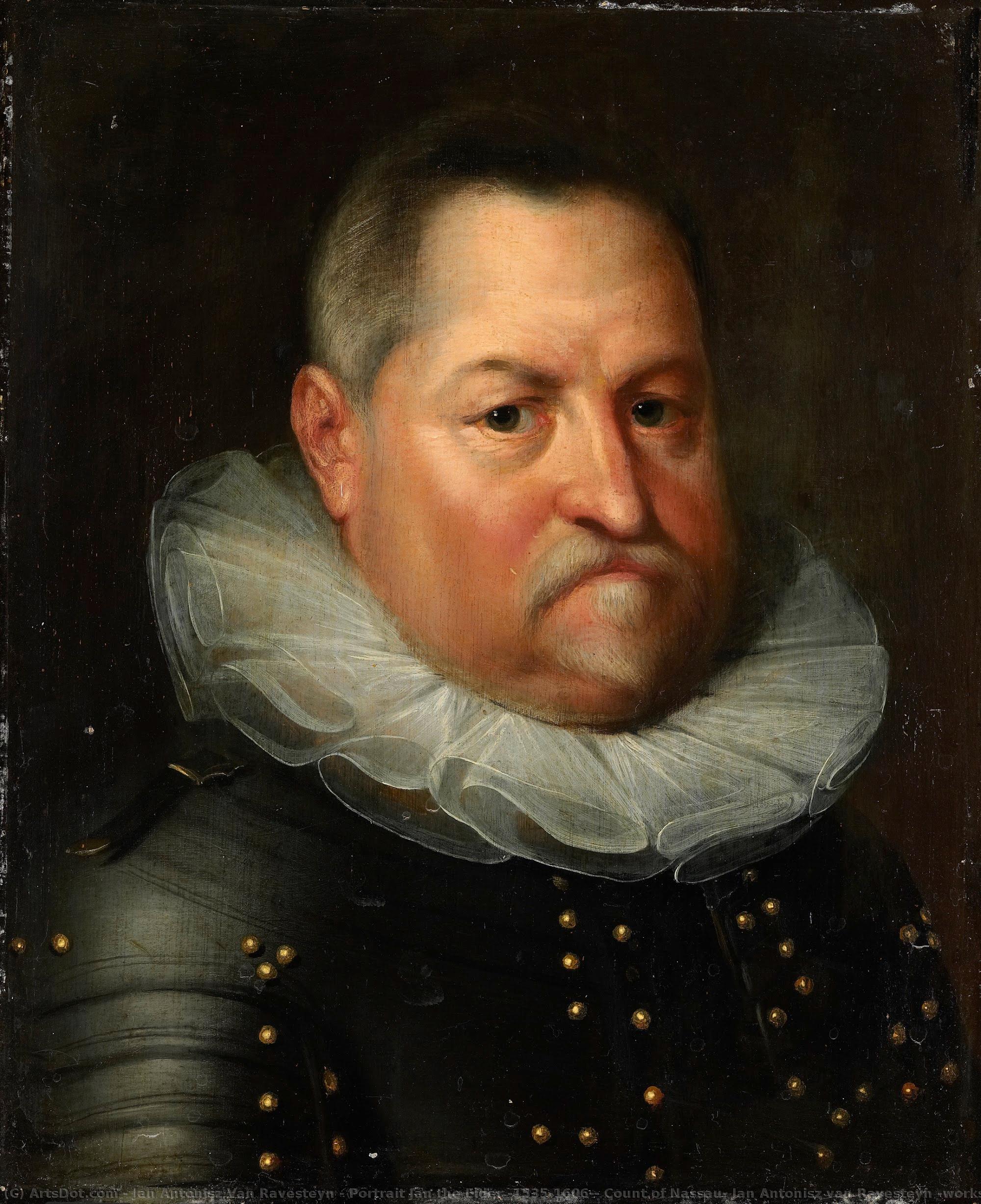
Portrait Jan the Elder (1535-1606), Count of Nassau, Jan Antonisz van Ravesteyn (workshop of), c. 1610 - c. 1620
 Dutch Golden Age
 1620
1620 30.0 x 25.0 cm
 Pročitaj više
Kupite digitalnu sliku visoke rezolucije i poboljšanog kvaliteta, koja je znatno superiornija od onoga što vidite u online prikazu.
Svaka datoteka je pedantno pripremljena od strane naših stručnjaka koristeći napredne alate i profesionalnu ručnu retušu. Osiguravamo da svaka slika ima izuzetnu oštrinu, preciznu reprodukciju boja i fine detalje.
Konačna datoteka se dostavlja putem e-pošte u roku od 72 sata, optimizovana za neposrednu upotrebu u profesionalnim, izdavačkim i štamparskim okruženjima. To je isti kvalitet kojem veruju vrhunski studiji dizajna, izdavači i galerije.
Digitalna slika
Preuzmite datoteku visoke rezolucije za ličnu upotrebu, štampanje i kreativne projekte. ( Kupi print Kupi ručno naslikanu sliku)
Uključeno uz svaku porudžbinu digitalne slike
Profesionalna digitalna isporuka, zagarantovana
Kada odaberete ArtsDot.com, ne dobijate samo sliku – vi primate profesionalno unapređeno digitalno umetničko delo, izrađeno sa najvećom preciznošću i uz garanciju zadovoljstva. Evo svega što automatski dolazi uz vašu porudžbinu:

Brza dostava putem e-pošte
Vaša digitalna slika visoke rezolucije biće vam poslata putem e-pošte u roku od 72 sata od poručivanja – spremna za trenutnu upotrebu.

Digitalna datoteka unapređena veštačkom inteligencijom
Vaše umetničko delo je profesionalno optimizovano korišćenjem naprednih AI alata i ručne obrade, čime se osiguravaju maksimalni detalji, oštrina i preciznost boja.

Besplatna ponovna isporuka doživotno
Slučajno ste obrisali ili izgubili svoju datoteku? Ne brinite – poslaćemo vam je ponovo u bilo kom trenutku, potpuno besplatno.

Bez troškova uvoza – zauvek
Uživajte u svojim umetničkim delima trenutno, bez carine, dažbina ili troškova dostave – digitalni download je uvek bez poreza.

Garancija vernosti boja
Uz pomoć profesionalnih alata i upravljanja bojama, osiguravamo da vaša digitalna slika što vernije odražava originalne boje.

Garancija zadovoljstva u roku od 60 dana
Ako niste zadovoljni svojom digitalnom slikom, revidirat ćemo je ili vratiti 100% novca u roku od 60 dana – bez ikakvih pitanja.

100% garancija povrata novca
Niste zadovoljni? Obezbedite pun povrat novca u roku od 60 dana od trenutka kada ste primili svoju digitalnu datoteku – bez suvišnih pitanja.

Popusti na velike porudžbine
Kupite 3 slike, uštedite 10% - Kupite 5 slika, uštedite 15% - Kupite 10+ slika, uštedite 20%. Odlično za kreativne projekte, galerije i agencije.
Srodna umetnička dela

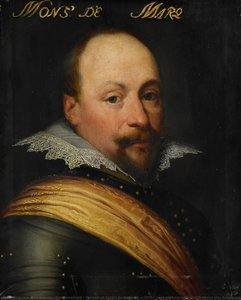
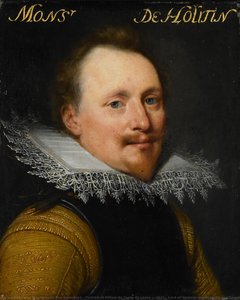
Biografija umetnika
A Life Dedicated to Likeness: Jan Antonisz van Ravesteyn and the Dutch Portrait Tradition
Jan Antonisz van Ravesteyn, born in The Hague in 1572, emerged during a pivotal era in Dutch history – the Golden Age. This period witnessed not only burgeoning economic prosperity but also an unprecedented flourishing of artistic talent, particularly in portraiture. Van Ravesteyn dedicated his life to capturing the likenesses of those who shaped this dynamic society, becoming one of the most sought-after portraitists of his time. While details surrounding his early training remain somewhat elusive, it is widely acknowledged that he followed in the footsteps of Michiel Jansz van Mierevelt, a prominent Delft painter renowned for his insightful and dignified portraits. This influence is discernible in Van Ravesteyn’s work, which often exhibits a similar depth of character and meticulous attention to detail. He became a member of the Guild of St. Luke in The Hague in 1598, establishing himself within the artistic community and beginning a career that would span over six decades.The Courtly Portraitist: Commissions and Artistic Style
Van Ravesteyn quickly ascended to prominence as a portraitist favored by the Dutch nobility, particularly the House of Nassau. His workshop became remarkably productive, fulfilling numerous commissions for portraits intended to adorn the residences of royalty and high-ranking officials. This success wasn’t merely due to industriousness; Van Ravesteyn possessed a distinct artistic style that resonated with his patrons. He masterfully balanced realism with an element of idealization, presenting his subjects in a manner that conveyed both their individual characteristics and their social standing. His portraits are characterized by refined brushwork, subtle use of light and shadow, and a keen understanding of human anatomy. A notable example is the *Portrait of Gaspard de Coligny III*, Count of Châtillon sur Loing, part of the Leeuwarden series depicting foreigners in service to the States-General. This work exemplifies his ability to capture not only physical resemblance but also the inner life and personality of his sitter. He even garnered recognition from fellow artists; Sir Anthony van Dyck himself painted a portrait of Van Ravesteyn, a testament to the esteem he held within artistic circles. The competition with Miereveld for commissions underscores Van Ravesteyn’s established skill and reputation during this period.Beyond Likeness: Technique and Influences
Van Ravesteyn's technical prowess extended beyond mere replication of features. He skillfully employed techniques to enhance the perceived status and character of his subjects. The careful selection of fabrics, jewelry, and backgrounds served not only as decorative elements but also as symbols of wealth, power, and social position. His compositions were often carefully balanced, creating a sense of harmony and stability that reflected the order and prosperity of Dutch society. While deeply influenced by Van Mierevelt’s realism, he also demonstrated an awareness of broader artistic trends, incorporating elements of Mannerism in some of his earlier works, such as the stylized treatment of facial features or the use of dramatic lighting effects. The influence of Pieter Pietersz is also noted in his work. He wasn't afraid to experiment with different formats and approaches, as evidenced by the *tondo* format employed in certain portraits, a nod to Renaissance medal-making traditions.A Legacy Continued: Teaching and Artistic Lineage
Van Ravesteyn’s impact extended far beyond his own artistic output. He was a dedicated teacher who nurtured the talents of numerous pupils, ensuring the continuation of his artistic lineage. Among his students were Dirck Abrahamsz., Leendert Barthouts, Adriaen Hanneman, and Johannes Harmensz Borsman – all of whom went on to establish successful careers as portrait painters in their own right. His influence can be seen in the works of these artists, who carried forward his commitment to realism, technical skill, and insightful characterization. In 1656, alongside other dissatisfied painters, he left the Guild of St. Luke to become a founding member of the *Confrerie Pictura*, demonstrating a continued dedication to artistic innovation and collaboration throughout his long career. He died in The Hague in 1657, leaving behind a substantial body of work that continues to be admired for its technical brilliance and historical significance.Enduring Significance: Van Ravesteyn’s Place in Dutch Art History
Jan Antonisz van Ravesteyn occupies a significant position within the pantheon of Dutch Golden Age portraitists. His ability to capture not only the physical likeness but also the inner character and social standing of his subjects made him a favorite among the nobility and elite members of society. His works provide invaluable insights into the lives, values, and aspirations of this transformative period in Dutch history. Today, his paintings can be found in prestigious museums such as the Mauritshuis in The Hague, serving as enduring reminders of his artistic legacy. Through his own creations and the influence he exerted on subsequent generations of artists, Van Ravesteyn left an indelible mark on the landscape of Dutch art, solidifying his place as a master portraitist of the 17th century. His dedication to capturing the essence of his sitters continues to resonate with viewers centuries later.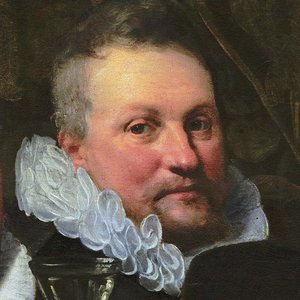
Jan Antonisz van Ravesteyn
1572 - 1657

