Meni
BESPLATNE KONSULTACIJE SA STRUČNJAKOM ZA UMETNOST
Pregledaj u prostoruPregledaj u prostoru AR pregledAR pregled Kupi print Kupi printKupi digitalnu sliku Kupi digitalnu sliku PošaljiPošalji
Detalji o deluDetalji o delu Dodaj u omiljene Dodaj u omiljene ПреузмиПреузми Slični predmetiSlični predmeti Rendgenski snimakRendgenski snimak SlajdoviSlajdovi

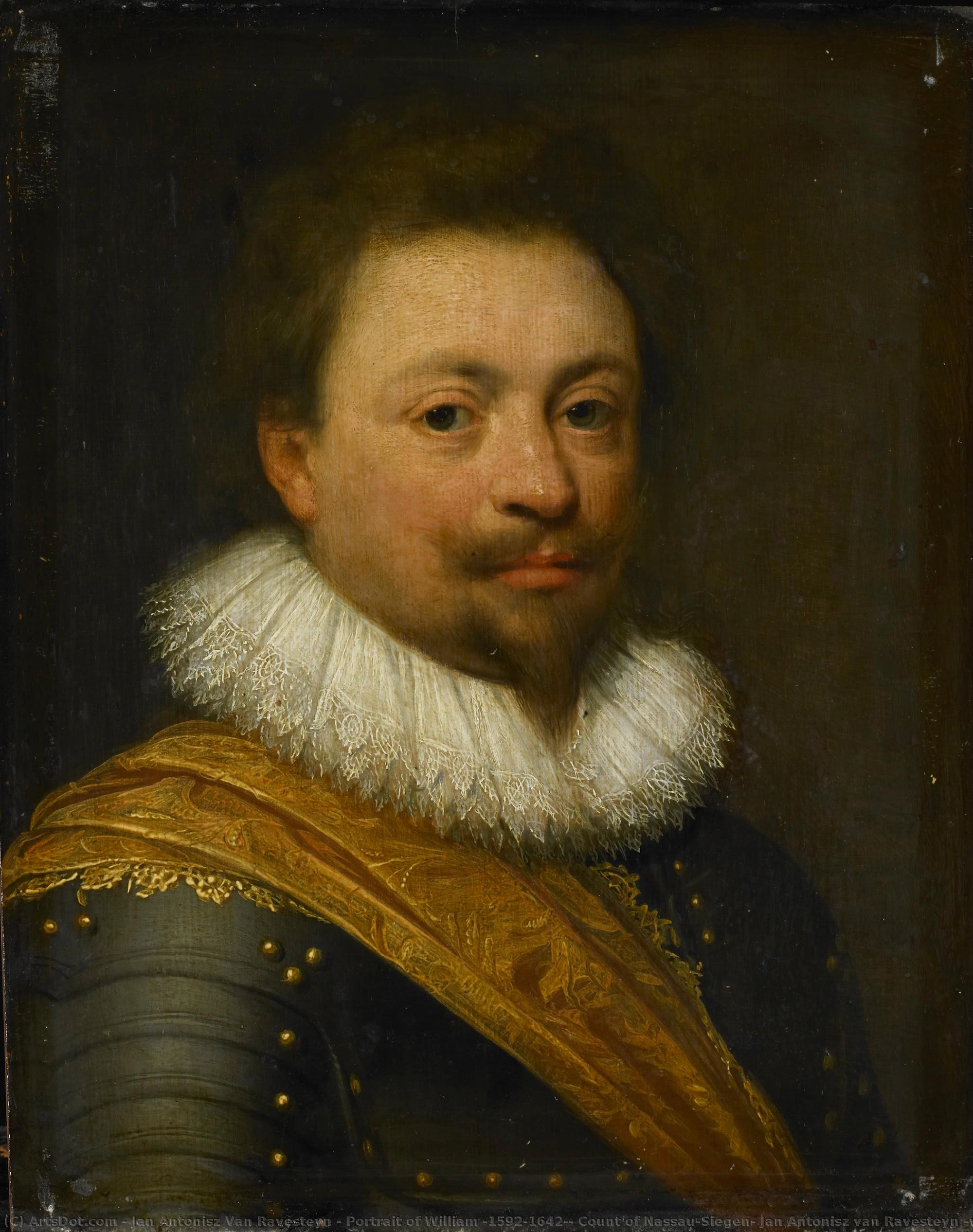
Portrait of William (1592-1642), Count of Nassau-Siegen, Jan Antonisz van Ravesteyn (workshop of), c. 1620 - c. 1630

  • Datum nastanka1630
  • Dimenzije30.0 x 24.0 cm

Jan Antonisz van Ravesteyn (1572-1657) was a prominent Dutch Baroque portraitist, favored by the House of Nassau. Explore his masterful depictions of nobility & influence on 17th-century art at ArtsDot.

Ručno rađena uljana reprodukcija

Ručno oslikano uljanim bojama na platnu u dimenzijama i okviru po vašem izboru, izrađeno po porudžbini od strane naših umetnika. (Kupi print Kupi printKupi digitalnu sliku Kupi digitalnu sliku)

Standardne dimenzije
po meri
CM
INCH

Izaberite jednu od naših unapred definisanih veličina koje odgovaraju originalnim proporcijama umetničkog dela.

širina
visina

Можете унети сопствене димензије како бисте прилагодили дело одређеном оквиру или простору. Ако одабрана величина не одговара пропорцијама оригинала, слика ће бити исечена или проширена додатним елементима који се ручно насликавају. Дигитални prikaz ће вам бити послат на одобрење пре почетка производње.
Имајте на уму да преглед на екрану не одражава стварно исецање или проширење. Само приказ (mockup) ће тачно приказати коначну композицију.
Иако су доступне прилагођене величине, препоручујемо да одаберете димензију из дефинисане листе како бисте сачували оригиналне пропорције.

Primeri onoga što se može promeniti: Zamena lica fotografijom kupca; Dodavanje ljubimca (npr. zamena mačke psom); Uključivanje skrivene poruke u pozadini; Promena pejzaža ili elemenata pozadine.
Nakon narudžbine, tim ArtsDot.com će klijentu putem e-pošte poslati uputstva i dostaviti prikaz predloženog rešenja

Isporuka širom sveta () za 3/4 nedelje umesto uobičajenih 5 nedelja. (5 септембар). Bez kompromisa po pitanju kvaliteta.

why_choose_icon
Besplatna ekspresna dostava širom sveta
why_choose_icon
Visokokvalitetno laneno platno
why_choose_icon
Kompletno osiguranje transporta
why_choose_icon
Garancija povraćaja carine i uvoznih dažbina
why_choose_icon
Garancija vernosti boja
why_choose_icon
Politika povrata u roku od 60 dana (samo u slučaju nedostataka)
why_choose_icon
Garancija povrata novca od 100%
why_choose_icon
Popust pri grupnoj kupovini

Ukupna cena

$ 263

reproduction

Portrait of William (1592-1642), Count of Nassau-Siegen, Jan Antonisz van Ravesteyn (workshop of), c. 1620 - c. 1630

Tehnika reprodukcije

Dimenzije reprodukcije

-

Konačna cena

$ 263

The Katzenelnbogen Series The fifth son of Jan the Middle, Willem was educated at the court at Dillenburg where he was born, the court of the Archduke of Bouillon in Sedan, and in Heidelberg. His military career began in 1615 as captain of a company of 300 men in Braunschweig. In 1617, he joined his brother Johan Ernst in Venice, where he fought against the Adriatic pirates. His service in the States army began in 1621, when he was put in charge of a company of 300 foot. In 1622, he was made commander of 11 companies, and in 1625 he was briefly governor of Emmerich before becoming governor of Heusden the following year, a post he held until 1637. He distinguished himself in battle on the Rhine river in 1630, and during the Siege of Maastricht (1632) he captured several important fortifications on the Scheldt and near Antwerp. After the death of Ernst Casimir, Willem became field marshal in 1633, making him second-in-command to Frederik Hendrik. In the same year he captured Philippine and proved himself an asset at the Siege of Breda (1637). In the disastrous attempt to capture Antwerp in 1638, the States army suffered terrific losses, and Willem was an eye-witness to the death of his only son, the 17-year-old Maurits Frederik. In 1639, Willem was appointed governor of Sluis. During the Siege of Gennep in 1641, he was shot in the stomach, resulting in his death the following year.8 The prototype has not been located, but based on the ruff and the sitter’s apparent age, it was probably executed in the third decade of the 17th century. Jonathan Bikker, 2007 See Bibliography and Rijksmuseum painting catalogues See Key to abbreviations and Acknowledgements This entry was published in J. Bikker (ed.), Dutch Paintings of the Seventeenth Century in the Rijksmuseum Amsterdam, I: Artists Born between 1570 and 1600, coll. cat. Amsterdam 2007, no. 401.