 Pregledaj u prostoru
 Pošalji
 Podeli
 Detalji o delu

 Преузми
 Slični predmeti
 Rendgenski snimak
 Slajdovi
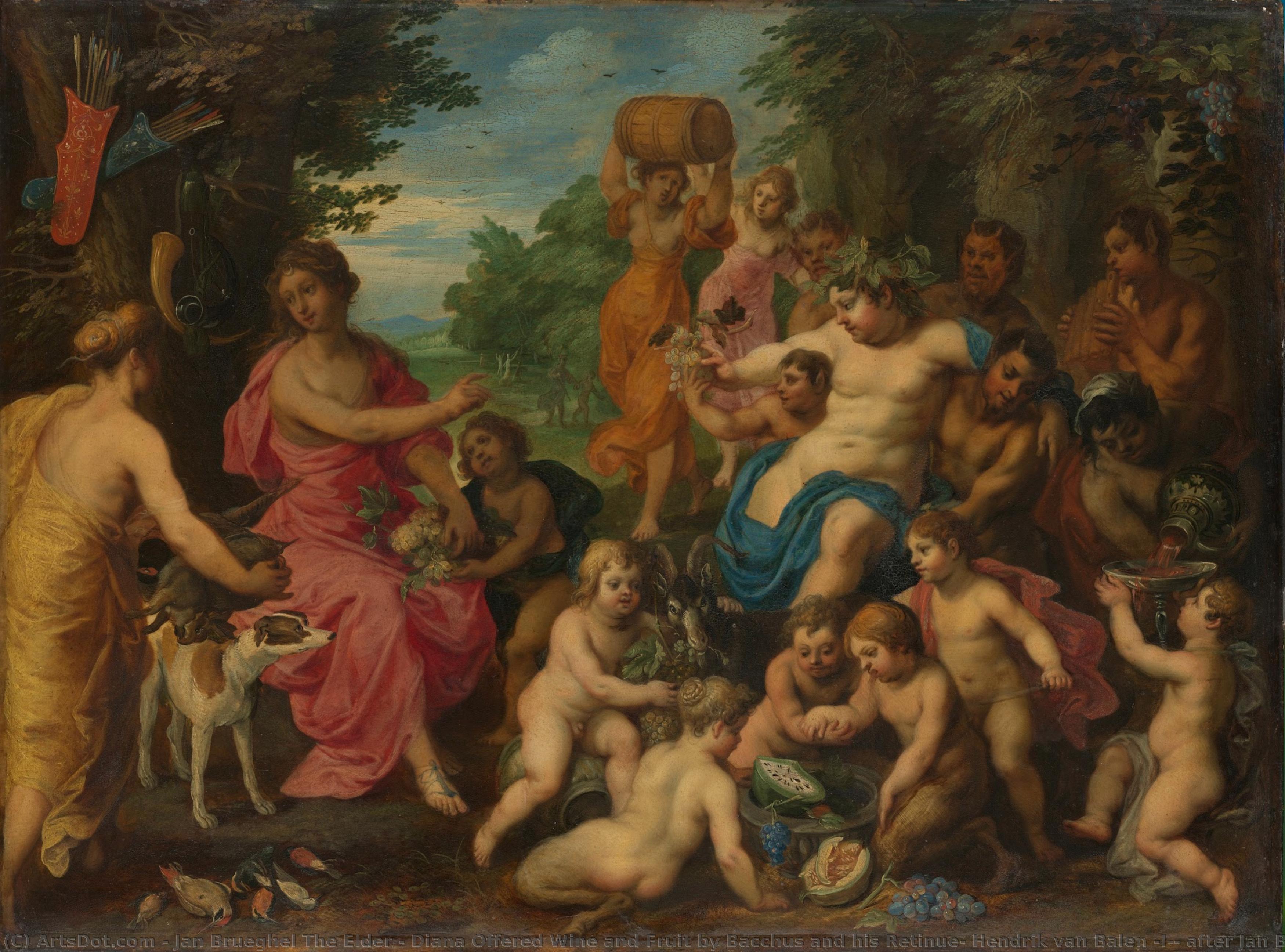
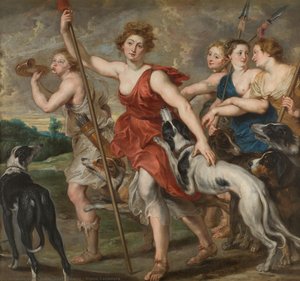
Diana Offered Wine and Fruit by Bacchus and his Retinue, Hendrik van Balen (I), after Jan Brueghel (I), c. 1617 - 1625
 Oil On Panel
- Flemish Baroque
 1625
1625- Early Modern
 39.0 x 52.0 cm
 Pročitaj više
Ručno rađena uljana reprodukcija
Ručno oslikano uljanim bojama na platnu u dimenzijama i okviru po vašem izboru, izrađeno po porudžbini od strane naših umetnika. ( Kupi print Kupi digitalnu sliku)




P118B $10

P118H $10

P118W $10

P438Z $10

P508JH $12

P508YH $12

P805H $10

P805Z $10

P919BZ $10

P919G $10

P919XJ $10

P959ZH $10

P968JZ $12

W106C $8

W218G $10

W218JH $8

W218Y $10

W307PJ $10

W316G $10

W316PJ $8

W316Y $10

W398PJ $8

W4111J $10

W500HY $15

W500JH $15

W692G $12

W849H $8

W940BG $15

W953PJ $8




Izaberite jednu od naših unapred definisanih veličina koje odgovaraju originalnim proporcijama umetničkog dela.

Можете унети сопствене димензије како бисте прилагодили дело одређеном оквиру или простору. Ако одабрана величина не одговара пропорцијама оригинала, слика ће бити исечена или проширена додатним елементима који се ручно насликавају. Дигитални prikaz ће вам бити послат на одобрење пре почетка производње.
Имајте на уму да преглед на екрану не одражава стварно исецање или проширење. Само приказ (mockup) ће тачно приказати коначну композицију.
Иако су доступне прилагођене величине, препоручујемо да одаберете димензију из дефинисане листе како бисте сачували оригиналне пропорције.
Nakon narudžbine, tim ArtsDot.com će klijentu putem e-pošte poslati uputstva i dostaviti prikaz predloženog rešenja
Isporuka širom sveta () za 3/4 nedelje umesto uobičajenih 5 nedelja. (25 август). Bez kompromisa po pitanju kvaliteta.

Besplatna ekspresna dostava širom sveta

Visokokvalitetno laneno platno

Kompletno osiguranje transporta

Garancija povraćaja carine i uvoznih dažbina

Garancija vernosti boja

Politika povrata u roku od 60 dana (samo u slučaju nedostataka)

Garancija povrata novca od 100%

Popust pri grupnoj kupovini
 Opcija sa staklom dostupna je samo za dimenzije manje od 110 cm

Diana Offered Wine and Fruit by Bacchus and his Retinue, Hendrik van Balen (I), after Jan Brueghel (I), c. 1617 - 1625
Tehnika reprodukcije
Dimenzije reprodukcije
-


Konačna cena
$ 263
Opis umetničkog dela
Srodna umetnička dela

Biografija umetnika
Nasleđe ukorenjeno u flamanskoj zemlji
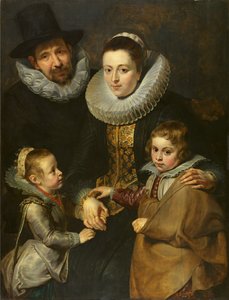
Jan Bruegel Stariji, ime sinonim za živopisne pejzaže i izuzetno detaljne mrtve prirode, pojavio se iz loze duboko utemeljene u umetničkoj tradiciji. Rođen u Briselu 1568. godine, bio je mlađi sin Pitera Bruegela Starijeg, titana holandske renesansne slike čije su prikazi seljačkog života i prostranih vizura već obezbedili njegovo mesto u istoriji umetnosti. Senka takvog oca mogla bi biti prigušujuća, ali Jan je utabao sopstveni put, postajući ne samo naslednik već i inovator u rastućem flamanskom baroku. Rane godine su mu bile obeležene gubitkom; Piter Bruegel Stariji umro je kada je Janu bilo tek godinu dana, a majka mu je preminula deceniju kasnije. Odgajan najpre od strane bake, Mejken Verhulst—same ugledne umetnice—Jan je dobio osnovnu obuku u crtanju i akvarelu, negujući početak koji će procvetati u doživotnoj posvećenosti pažljivom posmatranju i tehničkoj majstoriji. Uticaj ovog ranog odrastanja, zajedno sa umetničkom živošću Antverpena gde je nastavio svoje studije, postavio je temelje za karijeru definisanu nasleđenim veštinama i ličnom vizijom.
Cvetanje barokne vizije
Umetnički razvoj Bruegela duboko su oblikovala njegova putovanja u Italiju 1590-ih godina. Napulj i Rim ponudili su mu izloženost drugačijoj estetskoj osetljivosti, jednoj karakterisanoj veličinom, dramom i pojačanim smislom za boju. Iako je upio te uticaje, on ih nije jednostavno replikao; umesto toga, sintetisao ih je sa severnoevropskom tradicijom detaljnog realizma nasleđenog od oca. Ova fuzija rezultirala je jedinstvenim stilom—jednim koji je slavio i sjaj italijanskog baroka i preciznost flamanske slike. Postao je poznat kao “Baršunasti Bruegel” zbog svoje sposobnosti da renderuje teksture sa neverovatnom vernošću, posebno u svojim cvetnim slikama. To nisu bile samo botaničke studije; to su bili proslave prolazne lepote života, prožete simboličkim značenjem. Pored cveća, Bruegel je bio odličan i u pejzažima, često prikazujući idilične scene prepune figura angažovanih u svakodnevnim aktivnostima ili mitološkim narativima. Njegove kompozicije karakteriše panoramski obuhvat i gotovo opsesivna pažnja posvećena detaljima—svaki list, svaka insekta, svaki talas na vodi je renderovan sa mukotrpnom preciznošću.
Saradnja i inovacija
Karijera Jana Bruegela nije bila definisana samo individualnim dostignućima; bio je i majstor saradnje. Njegovo najznačajnije partnerstvo bilo je sa Peterom Paulom Rubensom, verovatno najuticajnijim umetnikom flamanskog baroka. Dvojica umetnika su delili blisko prijateljstvo i često su zajedno radili na velikim projektima, doprinoseći jedinstvenim snagama svakoga od njih. Tipično, Rubensi bi slikao figure dok se Bruegel fokusirao na pejzaže i mrtve prirode. Ova saradnja rezultirala je nekim od najlepših dela te ere, kao što je *Adam i Eva u raju*, gde se dinamične figure Rubensa besprekorno integrišu u bujnu i detaljnu baštu Bruegela. Pored partnerstva sa Rubensom, Bruegel je bio plodan inovator, pionir novih žanrova kao što su slike cvećnih girlanda—elaborirane aranžmane cveća koje često okružuju religiozne ili mitološke scene—i rajske pejzaže, koji kombinuju elemente pejzaža i mrtve prirode kako bi se stvorile fantastične vizije zemaljskog uživanja. Razvio je i galerijske slike, prikazujući kolekcije umetničkih dela unutar zamišljenih postavki muzeja, što odražava rastuće interesovanje za sakupljanje umetnosti tokom 17. veka.
Trajni uticaj
Jan Bruegel Stariji umro je u Antverpenu 1625. godine, ostavljajući iza sebe nasleđe koje se protezalo daleko van njegovog života. Njegova precizna tehnika, živopisne palete boja i inovativne kompozicije duboko su uticale na sledeće generacije flamanskih slikara. Postavio je nove standarde za detalje i realizam, inspirišući umetnike da pomeraju granice svog zanata. Njegov sin, Jan Bruegel Mlađi, nastavio je njegovim stopama, često stvarajući dela koja su bila teška za razlikovanje od onih starijeg majstora. Međutim, upravo je Jan Bruegel Stariji istinski uspostavio reputaciju porodice i učvrstio svoje mesto kao ključna figura u istoriji umetnosti. Njegov rad odražava ne samo umetničke struje njegovog vremena, već i šire intelektualne i kulturne promene 17. veka, uključujući uspon naučne opservacije, procvat verskog zanosa tokom Kontrareformacije i rastuće cenjenje lepote i složenosti prirodnog sveta. Bruegelove slike nastavljaju da očaravaju publiku danas sa svojim izuzetnim detaljima, živopisnim bojama i trajnim smislom za čudo.
- Poznat kao “Baršunasti Bruegel” zbog majstorstva u renderovanju tekstura.
- Pionir slikama cvećnih girlanda i rajskim pejzažima.
- Bliski saradnik sa Peterom Paulom Rubensom.
Jan Breigel Stariji
1568 - 1625 , Србија
Osnovne informacije
- Artistic Movement Or Style: Flemish Baroque
- Artists Or Movements Influenced By This Artist: ['Flamanski slikari']
- Artists Who Influenced This Artist:
- Pieter Bruegel Stariji
- Peter Paul Rubens
- Date Of Birth: 1568.
- Date Of Death: 1625.
- Full Name: Jan Brueghel Stariji
- Nationality: Flamanski
- Notable Artworks:
- Trijumf Neptuna
- Životni cvetovi
- Pejzaž sa vodopadom
- Place Of Birth: Brisel, Belgija
Povezani članci

Барокна драма: Уношење величине и емоција у савремене ентеријере
Откријте барокну драму и унесите величину у ваш ентеријер! ArtsDot нуди ручно насликане репродукције, персонализоване портрете и стручне консултације за љубитеље класичне уметности. Потражите савршено дело већ данас!

The Visceral Stage: Exploring Dramatic Narratives & Emotional Intensity in Baroque Art
Explore the dramatic world of Baroque art! Discover iconic masters like Caravaggio & Rembrandt, their techniques, and the movement's lasting impact. Expert insights for collectors & enthusiasts at ArtsDot.

The Dramatic Flourish: Exploring the Baroque Movement's Enduring Legacy in Art History
Explore the dramatic world of Baroque art! Discover iconic artists like Caravaggio & Rubens, defining techniques, and its lasting impact on art history. Expert insights for collectors & enthusiasts at ArtsDot.

Barok Majstor dela: Top 10 Umjetničkih Remeka za Vaš Dom
Otkrijte 10 remek dela koja su definisala baroknu umetnost! Karavagio, Bernini i više – istražite priče iza ovih ikoničnih slika. Inspiracija za vaš dom? Pogledajte kolekciju na ArtsDot.com!
Echoes of Olympus: Mythological Narratives in Western Art Through the Ages
Explore the captivating history of mythological narratives in Western art! From ancient Greece to modern masterpieces, discover iconic artworks & symbolism. Expert analysis and high-quality reproductions at ArtsDot.