

 Pregledaj u prostoru
 Pošalji
 Podeli
 Detalji o delu

 Преузми
 Slični predmeti
 Rendgenski snimak
 Slajdovi
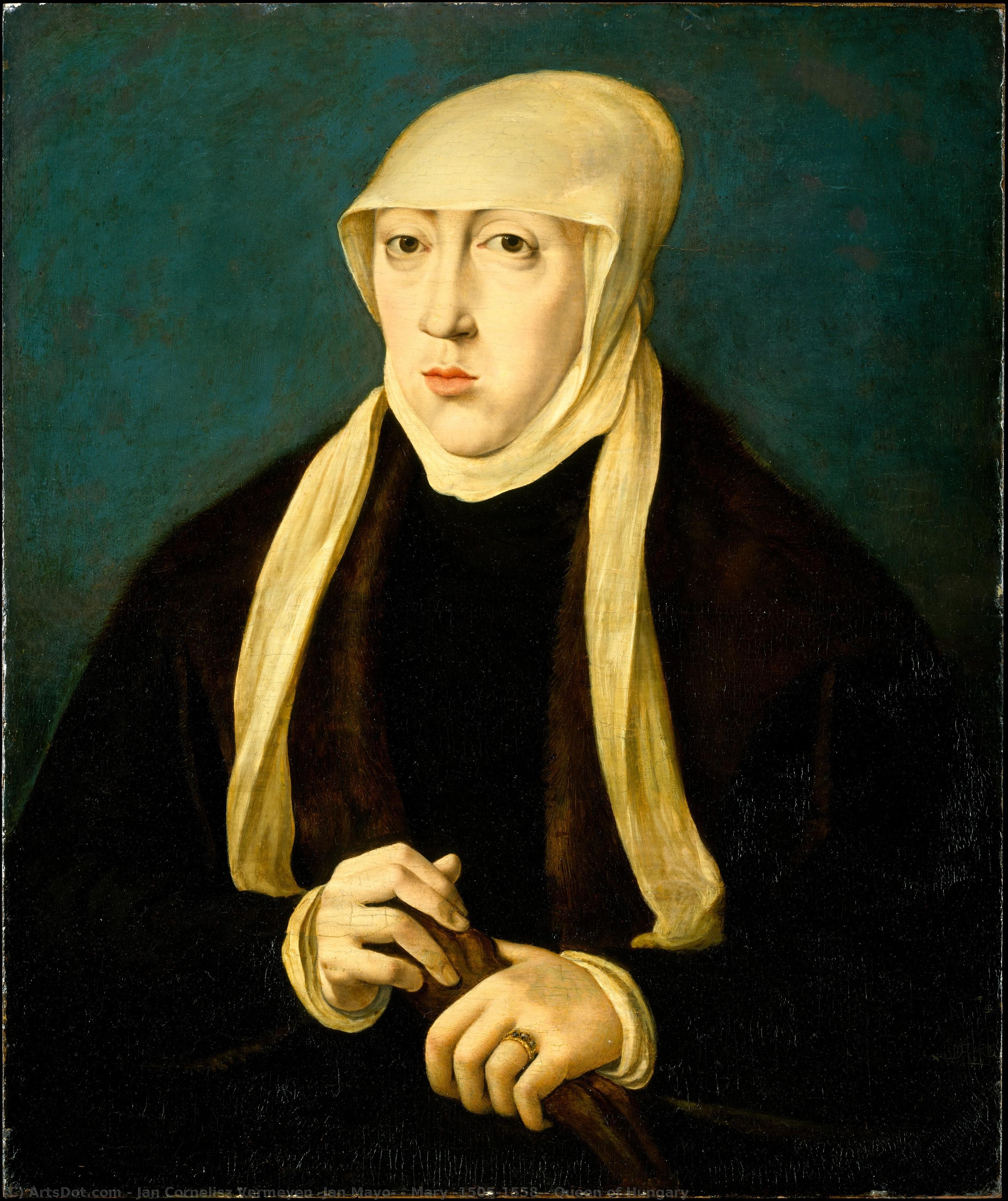
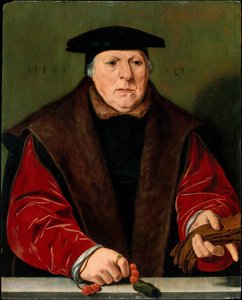
Mary (1505–1558), Queen of Hungary
 55.0 x 46.0 cm
 Metropolitan Museum of Art
 Pročitaj više
Ručno rađena uljana reprodukcija
Ručno oslikano uljanim bojama na platnu u dimenzijama i okviru po vašem izboru, izrađeno po porudžbini od strane naših umetnika. ( Kupi print Kupi digitalnu sliku)




































Izaberite jednu od naših unapred definisanih veličina koje odgovaraju originalnim proporcijama umetničkog dela.

Можете унети сопствене димензије како бисте прилагодили дело одређеном оквиру или простору. Ако одабрана величина не одговара пропорцијама оригинала, слика ће бити исечена или проширена додатним елементима који се ручно насликавају. Дигитални prikaz ће вам бити послат на одобрење пре почетка производње.
Имајте на уму да преглед на екрану не одражава стварно исецање или проширење. Само приказ (mockup) ће тачно приказати коначну композицију.
Иако су доступне прилагођене величине, препоручујемо да одаберете димензију из дефинисане листе како бисте сачували оригиналне пропорције.
Nakon narudžbine, tim ArtsDot.com će klijentu putem e-pošte poslati uputstva i dostaviti prikaz predloženog rešenja
Isporuka širom sveta () za 3/4 nedelje umesto uobičajenih 5 nedelja. (30 август). Bez kompromisa po pitanju kvaliteta.

Besplatna ekspresna dostava širom sveta

Visokokvalitetno laneno platno

Kompletno osiguranje transporta

Garancija povraćaja carine i uvoznih dažbina

Garancija vernosti boja

Politika povrata u roku od 60 dana (samo u slučaju nedostataka)

Garancija povrata novca od 100%

Popust pri grupnoj kupovini
 Opcija sa staklom dostupna je samo za dimenzije manje od 110 cm

Mary (1505–1558), Queen of Hungary
Tehnika reprodukcije
Dimenzije reprodukcije
-


Konačna cena
$ 263
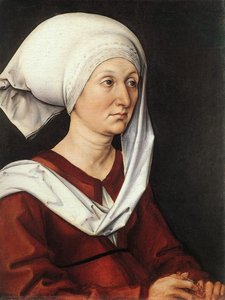
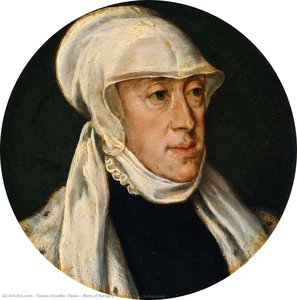
Srodna umetnička dela







Biografija umetnika
The Visual Chronicler of an Empire
Jan Cornelisz Vermeyen, known to history by the evocative monikers Jan Mayo or Barbalonga, was far more than a mere painter; he was a luminous figure who captured the very essence of the Dutch Northern Renaissance. Born around 1503 in the quiet village of Beverwijk, his life unfolded not in provincial isolation, but through a grand odyssey across the most powerful courts of sixteenth-century Europe. As a visual chronicler of empire, Vermeyen’s brush served both as an instrument of profound spiritual expression and a potent tool for imperial propaganda, documenting the majesty of the Habsburg dynasty during an era of unprecedented expansion.His career was defined by a remarkable ability to navigate the highest echelons of power, moving through the corridors of influence alongside the most formidable rulers of his age. Whether capturing the solemnity of a religious feast or the martial splendor of a military campaign, his work synthesized the meticulous realism of the Low Countries with a burgeoning sense of classical grandeur.
A Synthesis of Northern Realism and Italian Elegance
The artistic soul of Vermeyen was forged in the crucible of the Romanism movement. His style represents a masterful dialogue between two worlds, blending the tactile, descriptive textures characteristic of Netherlandish art with the refined aesthetics of Italy. This unique aesthetic DNA was shaped by his exposure to influential masters such as Anton van Gossaert and Pieter Van Scorel. From these pioneers, he absorbed the ability to marry heavy, sculptural forms with a new, rhythmic elegance derived from Mediterranean ideals.This fusion allowed him to develop a technique that was both physically grounded and spiritually light. One can discern in his compositions the anatomical precision and light-filled atmospheres of the Italian masters, yet they are always anchored by a Northern devotion to detail. This duality is perhaps most evident in his mastery of:
- Spatial Illusionism: Creating depth and drama through sophisticated perspective.
- Luminous Palettes: Utilizing light to breathe life into fabric, flesh, and landscape.
- Psychological Nuance: Moving beyond mere likeness to capture the inner character of his subjects.
Legacy in Portraiture and Tapestry
Vermeyen’s professional ascent was inextricably linked to the heights of European power. He earned prestigious positions within the inner circles of the Habsburg Netherlands, serving as a dedicated portraitist for figures such as Archduchess Margaret of Austria and Mary of Hungary. His most iconic depictions, including his portraits of Emperor Charles V, capture more than mere physical likeness; they convey the profound psychological weight of imperial dignity. He even accompanied the Emperor on the military campaign to Tunis in 1535, bringing firsthand witness to the era's grand conquests.Beyond the canvas, his genius extended to the monumental scale of tapestry design. Collaborating extensively with Flemish weavers, he created intricate decorative panels that utilized dramatic storytelling to adorn the palaces and churches of Europe. Through these tapestries, Vermeyen transformed thread into narrative, ensuring that his vision of history and divinity would endure long after the era of the great empires had passed. His legacy remains etched in the very fabric of art history, a testament to an artist who could translate the grandeur of conquest into the eternal language of beauty.
jan cornelisz vermeyen (jan mayo)
1500 - 1559 , Netherlands
Osnovne informacije
- Artistic Movement Or Style: Renaissance
- Artists Or Movements Influenced By This Artist: ['Baroque']
- Artists Who Influenced This Artist:
- Van Scorel
- Gossaert
- Date Of Birth: 1504
- Full Name: Jan Cornelisz Vermeyen
- Nationality: Dutch
- Notable Artworks:
- Portrait of a Man with a Rosary
- Mary (1505–1558), Queen of Hungary
- The Marriage at Cana
- Place Of Birth: Beaverwijk, Netherlands

