

 Pregledaj u prostoru
 Pošalji
 Podeli
 Detalji o delu

 Преузми
 Slični predmeti
 Rendgenski snimak
 Slajdovi
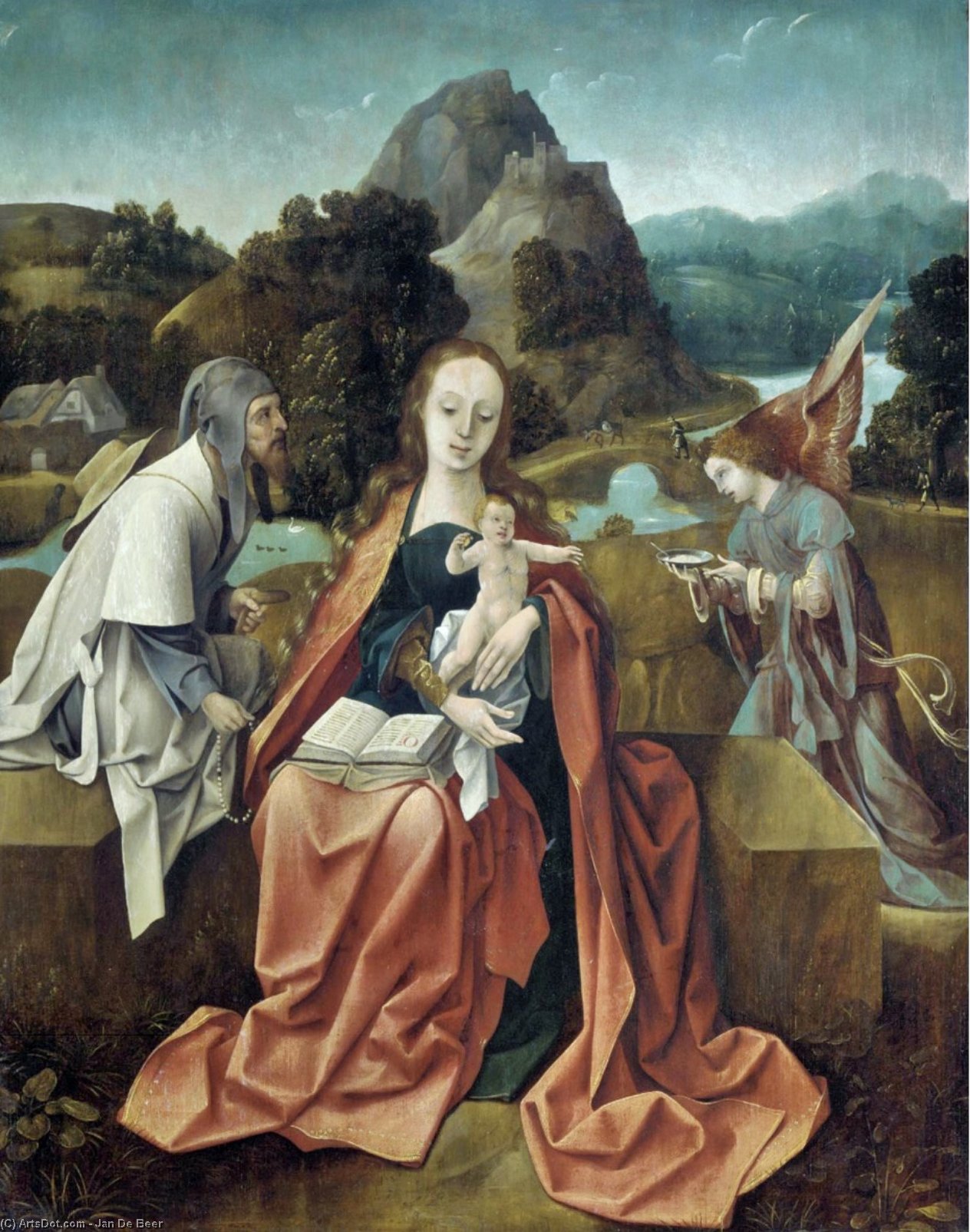
Madonna and Child with a pilgrim and an angel

 Pročitaj više
Ručno rađena uljana reprodukcija
Ručno oslikano uljanim bojama na platnu u dimenzijama i okviru po vašem izboru, izrađeno po porudžbini od strane naših umetnika. ( Kupi print Kupi digitalnu sliku)




































Izaberite jednu od naših unapred definisanih veličina koje odgovaraju originalnim proporcijama umetničkog dela.

Можете унети сопствене димензије како бисте прилагодили дело одређеном оквиру или простору. Ако одабрана величина не одговара пропорцијама оригинала, слика ће бити исечена или проширена додатним елементима који се ручно насликавају. Дигитални prikaz ће вам бити послат на одобрење пре почетка производње.
Имајте на уму да преглед на екрану не одражава стварно исецање или проширење. Само приказ (mockup) ће тачно приказати коначну композицију.
Иако су доступне прилагођене величине, препоручујемо да одаберете димензију из дефинисане листе како бисте сачували оригиналне пропорције.
Nakon narudžbine, tim ArtsDot.com će klijentu putem e-pošte poslati uputstva i dostaviti prikaz predloženog rešenja
Isporuka širom sveta () za 3/4 nedelje umesto uobičajenih 5 nedelja. (28 август). Bez kompromisa po pitanju kvaliteta.

Besplatna ekspresna dostava širom sveta

Visokokvalitetno laneno platno

Kompletno osiguranje transporta

Garancija povraćaja carine i uvoznih dažbina

Garancija vernosti boja

Politika povrata u roku od 60 dana (samo u slučaju nedostataka)

Garancija povrata novca od 100%

Popust pri grupnoj kupovini
 Opcija sa staklom dostupna je samo za dimenzije manje od 110 cm

Madonna and Child with a pilgrim and an angel
Tehnika reprodukcije
Dimenzije reprodukcije
-


Konačna cena
$ 263
A Serene Encounter: Madonna and Child with Pilgrim and Angel by Jan de Beer
This captivating painting, "Madonna and Child with a Pilgrim and an Angel," offers a glimpse into the devotional art of early 16th-century Flanders. Created around 1504 by Jan de Beer, formerly known as the Master of the Milan Adoration, this work exemplifies the burgeoning Antwerp Mannerist style – a movement characterized by its refined detail and expressive figures within religious narratives. The painting depicts the Virgin Mary tenderly cradling the Christ Child, surrounded by a pilgrim and an angel, creating a scene imbued with serenity and spiritual harmony. The presence of birds throughout the composition adds a layer of symbolic richness, hinting at themes of freedom, divine grace, and the soul's ascent to heaven.Style and Technique: Antwerp Mannerism in Detail
De Beer’s style is distinctly rooted in the Antwerp Mannerist tradition. Observe the meticulous attention to detail – from the delicate folds of Mary’s garments to the individual feathers on the birds. The artist demonstrates a mastery of oil painting, employing subtle gradations of light and shadow to create depth and volume. This technique, common among Flemish painters of the period, lends a remarkable realism to the figures while maintaining an idealized beauty. The composition itself is carefully balanced, with the central grouping of Mary and Child acting as the focal point, drawing the viewer's eye into the heart of the scene. The use of perspective, though not strictly adhering to Renaissance principles, creates a believable sense of space and depth within the pictorial plane.Historical Context: Faith and Artistic Innovation
The early 16th century was a period of significant religious fervor and artistic innovation in Northern Europe. Devotional paintings like this were highly sought after for private chapels and homes, serving as objects of contemplation and prayer. Jan de Beer operated a large workshop within Antwerp, a thriving center of trade and artistic production. His membership in the Guild of St. Luke underscores his professional standing and contribution to the city’s vibrant art scene. The painting reflects the broader cultural climate of the time, where religious themes were interwoven with emerging humanist ideals and a growing appreciation for naturalism in art.Symbolism and Emotional Impact
Beyond its aesthetic appeal, this artwork is rich in symbolic meaning. The Madonna and Child motif itself represents divine motherhood and the promise of salvation. The pilgrim, likely representing a devout worshiper seeking spiritual guidance, underscores the importance of faith and pilgrimage in medieval Christian life. The angel symbolizes divine messengership and heavenly grace. The birds, often associated with the soul's journey towards God, add another layer of spiritual depth. Overall, the painting evokes a sense of peace, tenderness, and profound devotion. The gentle expressions on the faces of Mary and the Christ Child, combined with the harmonious composition, create an emotionally resonant experience for the viewer – inviting contemplation and inspiring a feeling of tranquility.Srodna umetnička dela
Biografija umetnika
Michelangelo Buonarroti: A Titan of the Renaissance
Michelangelo di Lodovico Buonarroti Simoni, born in Caprese in 1475 and dying in Rome in 1564, remains one of the most profoundly influential figures in Western art history. More than simply a sculptor, painter, architect, or poet—he was, as his contemporaries declared, the greatest artist of his era, a true “divine” creator who redefined the boundaries of artistic expression. His career spanned over seven decades, marked by an unparalleled mastery of technique and a deeply personal vision that continues to resonate with audiences today. Michelangelo’s life was one of intense dedication to his craft, often at the expense of personal comfort and social graces, yet he left behind a legacy of works that are universally recognized as masterpieces.
Early Life and Artistic Training
Michelangelo's early years were shaped by a complex family dynamic. His father, Lodovico Buonarroti, a notary and member of the Florentine gentry, initially resisted his son’s ambition to pursue an artistic career, believing it unsuitable for a man of noble birth. However, Michelangelo’s prodigious talent quickly became undeniable, leading him to apprentice under the renowned sculptor Bertoldo di Giovanni in Florence around 1483. This early training instilled in him a deep understanding of classical sculpture and anatomy—a foundation that would inform his entire artistic practice. Following Bertoldo's dismissal from the Medici court, Michelangelo spent several years working as a stonemason, honing his skills and developing his own distinctive style. He also studied the vast collection of Roman sculptures housed in Florence, which profoundly influenced his aesthetic sensibilities, inspiring him to emulate the idealized forms and heroic narratives of antiquity.
Sculptural Masterpieces: Form and Emotion
Michelangelo’s sculptural achievements are arguably the most celebrated aspects of his oeuvre. His early works, such as the *Pietà* (1498-9), a breathtakingly realistic depiction of Mary cradling the dead Christ, demonstrated an astonishing command of marble and a profound understanding of human emotion. The *Pietà* is not merely a technical marvel; it’s imbued with a palpable sense of grief and tenderness—a testament to Michelangelo's ability to imbue inanimate stone with life. The *David* (1501-4), originally intended for the Florence Cathedral, quickly became a symbol of Florentine civic pride and republican ideals. This colossal statue embodies youthful strength, determination, and moral courage, capturing the essence of the biblical hero in a remarkably dynamic pose. Later works like *Moses* (1513-15) showcase his increasing mastery of dramatic composition and expressive power, while the unfinished *Rondanini Marcher*, a monumental bronze figure commissioned for the tomb of Cardinal Jean de Medici, reveals his ambition to create truly grand narratives in three dimensions.
Painting: The Sistine Chapel Ceiling and Beyond
While Michelangelo considered himself primarily a sculptor, he made an indelible mark on the world of painting. His most iconic contribution is undoubtedly the ceiling frescoes of the Sistine Chapel in Rome (1508-1512). Commissioned by Pope Julius II, this monumental undertaking demanded immense physical and artistic effort—Michelangelo spent four years lying on his back to paint hundreds of figures depicting scenes from Genesis. The *Creation of Adam*, arguably the most famous image within the cycle, captures a moment of divine inspiration with breathtaking power and dynamism. Beyond the Sistine Chapel, Michelangelo painted several other significant works, including *The Last Judgment* (1536-1541) on the altar wall of the same chapel—a powerful and emotionally charged depiction of the apocalypse. His *Doni Tondo*, a circular painting depicting the Virgin Mary with infant Jesus and John the Baptist, is another notable example of his artistic versatility.
Architecture and Legacy
Michelangelo’s influence extended beyond sculpture and painting into the realm of architecture. He served as the architect for several significant projects in Rome, including the Laurentian Library (1520-1524) and the redesign of St. Peter's Basilica, where he oversaw the construction of the dome—a monumental achievement that transformed the skyline of the city. Throughout his career, Michelangelo’s work was characterized by a profound understanding of proportion, harmony, and classical ideals. His innovative use of space, dramatic lighting, and expressive figures set new standards for artistic excellence. He died in Rome in 1564, leaving behind a vast body of work that continues to inspire awe and admiration centuries later. Michelangelo’s legacy as one of the greatest artists of all time is secure, his works serving as enduring symbols of human creativity and spiritual aspiration.
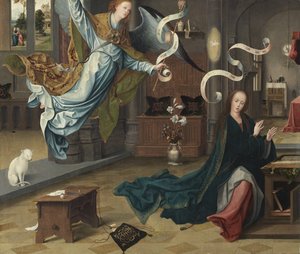
jan de beer
1475 - 1528 , Netherlands
Osnovne informacije
- Artistic Movement Or Style: High Renaissance, Mannerism
- Artists Or Movements Influenced By This Artist:
- Renaissance art
- Mannerism
- Artists Who Influenced This Artist:
- Classical antiquity
- Leonardo da Vinci
- Date Of Birth: 6 March 1475
- Date Of Death: 18 February 1564
- Full Name: Michelangelo di Lodovico Buonarroti Simoni
- Nationality: Italian
- Notable Artworks:
- Pietà
- David
- Sistine Chapel ceiling
- The Creation of Adam
- Moses
- The Last Judgment
- Place Of Birth: Caprese, Italy
Povezani članci

Francisco Goya: 25 Remek-dela Španskog Majstora za Vaš Dom | ArtsDot
Istražite 25 remek-dela Francisca Goya, španskog slikara romantizma i impresionizma. Portreti, tamne slike & istorija umetnosti na ArtsDot.com! Kupite reprodukcije slika vrhunskog kvaliteta za dekoraciju enterijera. Otkrijte celu kolekciju online.

About Us
Discover our story! We bring world-class art into your life through expert curation, personalized creations, and free previews. Trusted by individuals and businesses since 2000.
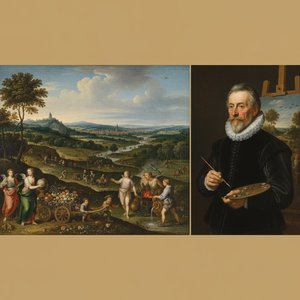
Jan Brueghel the Elder: A Master of Flemish Landscape & Allegory – Exploring Innovation & Influence
Explore the captivating world of Jan Brueghel the Elder, a Flemish Baroque master renowned for his stunning landscapes & allegorical paintings. Discover his collaborations with Rubens and lasting artistic legacy.

Early Netherlandish Masters: 10 Paintings That Revolutionized Art & Decor
Journey into the world of Early Netherlandish painting! Explore 10 masterpieces by Jan van Eyck, Rogier van der Weyden & more. Discover stunning detail, symbolism & Renaissance art for your home decor. Find museum-quality reproductions on ArtsDot.com

Rafaela Sanzio: 25 Remek-dela Renesansnog Majstora za Vaš Dom | ArtsDot
Uronite u svet Rafaela Sanzija! Otkrijte 25 remek-dela renesansnog umetnika, od Madona do fresaka Vatikana. Inspiracija za dekoraciju enterijera i kupovina reprodukcija slika visoke rezolucije na ArtsDot.com.

