


 Pregledaj u prostoru
 Pošalji
 Podeli
 Detalji o delu

 Преузми
 Slični predmeti
 Rendgenski snimak
 Slajdovi
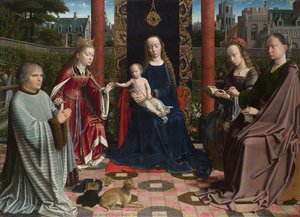
The Adoration of the Kings
 Oil On Canvas
- WallArt
- Northern Renaissance
 1510
1510 179.0 x 163.0 cm
 Nacionalna galerija
 Pročitaj više
Kupite digitalnu sliku visoke rezolucije i poboljšanog kvaliteta, koja je znatno superiornija od onoga što vidite u online prikazu.
Svaka datoteka je pedantno pripremljena od strane naših stručnjaka koristeći napredne alate i profesionalnu ručnu retušu. Osiguravamo da svaka slika ima izuzetnu oštrinu, preciznu reprodukciju boja i fine detalje.
Konačna datoteka se dostavlja putem e-pošte u roku od 72 sata, optimizovana za neposrednu upotrebu u profesionalnim, izdavačkim i štamparskim okruženjima. To je isti kvalitet kojem veruju vrhunski studiji dizajna, izdavači i galerije.
Digitalna slika
Preuzmite datoteku visoke rezolucije za ličnu upotrebu, štampanje i kreativne projekte. ( Kupi print Kupi ručno naslikanu sliku)
Uključeno uz svaku porudžbinu digitalne slike
Profesionalna digitalna isporuka, zagarantovana
Kada odaberete ArtsDot.com, ne dobijate samo sliku – vi primate profesionalno unapređeno digitalno umetničko delo, izrađeno sa najvećom preciznošću i uz garanciju zadovoljstva. Evo svega što automatski dolazi uz vašu porudžbinu:

Brza dostava putem e-pošte
Vaša digitalna slika visoke rezolucije biće vam poslata putem e-pošte u roku od 72 sata od poručivanja – spremna za trenutnu upotrebu.

Digitalna datoteka unapređena veštačkom inteligencijom
Vaše umetničko delo je profesionalno optimizovano korišćenjem naprednih AI alata i ručne obrade, čime se osiguravaju maksimalni detalji, oštrina i preciznost boja.

Besplatna ponovna isporuka doživotno
Slučajno ste obrisali ili izgubili svoju datoteku? Ne brinite – poslaćemo vam je ponovo u bilo kom trenutku, potpuno besplatno.

Bez troškova uvoza – zauvek
Uživajte u svojim umetničkim delima trenutno, bez carine, dažbina ili troškova dostave – digitalni download je uvek bez poreza.

Garancija vernosti boja
Uz pomoć profesionalnih alata i upravljanja bojama, osiguravamo da vaša digitalna slika što vernije odražava originalne boje.

Garancija zadovoljstva u roku od 60 dana
Ako niste zadovoljni svojom digitalnom slikom, revidirat ćemo je ili vratiti 100% novca u roku od 60 dana – bez ikakvih pitanja.

100% garancija povrata novca
Niste zadovoljni? Obezbedite pun povrat novca u roku od 60 dana od trenutka kada ste primili svoju digitalnu datoteku – bez suvišnih pitanja.

Popusti na velike porudžbine
Kupite 3 slike, uštedite 10% - Kupite 5 slika, uštedite 15% - Kupite 10+ slika, uštedite 20%. Odlično za kreativne projekte, galerije i agencije.
A Vision of Celestial Reverence: The Adoration of the Kings by Jan Gossaert
Jan Gossaert’s “Adoration of the Kings,” painted around 1510-15, isn't merely a depiction of a biblical scene; it’s an immersive experience—a vibrant tapestry woven with threads of Italian Renaissance innovation and the deeply rooted traditions of Northern European art. This monumental altarpiece, originally intended for the Lady Chapel of St Adrian in Geraardsbergen, Belgium, immediately captivates with its sheer scale and opulent detail, transporting the viewer into a world brimming with religious fervor and artistic ambition. The painting’s power lies not just in its technical mastery but also in its profound exploration of faith, humility, and the enduring mystery of the divine.

The Romanist Influence: Bridging Italy and the Low Countries
Gossaert’s work stands as a pivotal example of “Romanism,” an artistic movement that swept through the Low Countries in the early 16th century. This style, spearheaded by artists like Gossaert himself, sought to emulate the grandeur and dynamism of Italian Renaissance painting—particularly the works of Leonardo da Vinci and Michelangelo—while retaining a distinctly Northern European sensibility. Notice how the composition echoes the monumental scale and dramatic lighting found in Italian altarpieces, yet it’s infused with a sense of earthly realism absent in many purely idealized Italian paintings. Gossaert's journey to Italy between 1508-09 profoundly shaped his artistic vision, introducing him to new techniques and compositional strategies that he skillfully integrated into his own style.
A Symphony of Symbolism: Interpreting the Figures and Details
The painting is a rich repository of symbolic meaning. The central figures—Mary holding the infant Jesus, Joseph, and the kneeling shepherds—represent humanity’s humble adoration of God. The three Magi, identified by their distinctive attire and gifts – gold, frankincense, and myrrh – embody the East, symbolizing the promise of salvation for all nations. Observe the intricate details: the richly embroidered robes of the Magi, reflecting their status as kings; the golden halo surrounding Mary and Jesus, signifying their divine nature; and the carefully rendered animals—a donkey, an ox, and a cow—representing the earthly realm. The presence of two dogs, one on either side, adds a layer of complexity, perhaps symbolizing loyalty or even guarding the sacred scene.
Technique and Composition: A Masterclass in Detail
Gossaert’s technical skill is breathtaking. He employs a meticulous layering of oil paint, creating an astonishing level of detail—from the textures of the fabrics to the reflections in the Magi's jewels. The use of *sfumato*, a technique popularized by Leonardo da Vinci, softens the edges and creates a sense of atmospheric depth. The composition is carefully balanced, drawing the viewer’s eye through the scene from left to right, culminating in the radiant figure of Christ. Note the architectural setting—a ruined building reminiscent of ancient Rome—which symbolizes both the transience of earthly power and the eternal nature of faith. The painting's dimensions (179 x 163 cm) further emphasize its monumental scale and commanding presence.
A Timeless Testament to Faith: Reproduction and Legacy
“The Adoration of the Kings” remains a profoundly moving work of art, offering a glimpse into the artistic and spiritual landscape of the early Renaissance. Reproductions capture much of the original’s splendor, allowing viewers to experience its beauty and symbolism firsthand. Whether displayed in a grand hall or a smaller domestic space, this painting continues to inspire awe and contemplation, reminding us of the enduring power of faith, art, and human creativity.
Srodna umetnička dela

Biografija umetnika
Jan Gossaert (c. 1478-1532): Bridging Renaissance Italy and Northern European Tradition
Jan Gossaert, also known as Jan Mabuse or Jennyn van Hennegouwe, stands as a pivotal figure in the early Netherlandish Renaissance, marking a crucial juncture between Italian artistic innovation and established northern European conventions. Born around 1478 in Maubeuge, France, he embarked on an extraordinary artistic journey that propelled him to prominence as one of the foremost painters of his era—a pioneer who courageously embraced Romanism, injecting its stylistic fervor into the Low Countries.Early Life and Artistic Training
Information regarding Gossaert’s formative years remains scarce, shrouded in historical obscurity. However, scholarly consensus suggests he honed his skills at Maubeuge Abbey, absorbing foundational artistic principles within a devout ecclesiastical environment. His formal training culminated in membership of the Antwerp Guild of Saint Luke in 1503—a pivotal step that connected him to a vibrant artistic community brimming with luminaries like Albrecht Dürer and Lucas van Leyden. Notably, Gossaert’s linguistic heritage leaned heavily towards French, reflecting the cultural landscape of his time and informing the documentation surrounding his career.A Synthesis of Styles: Romanism Takes Root
Gossaert's artistic brilliance lay in his unparalleled ability to synthesize disparate stylistic influences—primarily Italian Renaissance grandeur and Northern European realism. This distinctive approach quickly established him as a leader of the Romanism movement, characterized by an ardent admiration for classical ideals and techniques. Unlike many of his contemporaries who adhered strictly to one tradition, Gossaert deliberately blended elements from both worlds, resulting in artworks that possessed a captivating dynamism and intellectual depth. He recognized the transformative potential of Italian artistic principles—particularly fresco painting and illusionistic perspective—and skillfully integrated them into his compositions.Notable Works and Patronage
Gossaert’s oeuvre encompasses a remarkable array of masterpieces, reflecting his versatility as an artist and his responsiveness to diverse commissions. Among his most celebrated creations are “The Mocking of Christ,” a dramatic depiction imbued with meticulous detail and masterful use of color—a testament to his command of Italian artistic conventions. Equally impressive is “Virgin and Child,” a poignant portrait capturing the intimacy and tenderness inherent in maternal devotion, showcasing Gossaert’s exceptional skill in portraying human emotion. Furthermore, he produced striking portraits of prominent figures, including nobility and civic leaders, demonstrating his ability to convey character and status with remarkable precision. Perhaps most enduringly remembered is “The Descent from the Cross,” an ambitious altarpiece commissioned by Philip and Adolf of Burgundy—a monumental undertaking that captivated Albrecht Dürer himself before suffering irreparable damage from a devastating lightning strike. This artwork exemplifies Gossaert’s ambition to engage in grand narrative storytelling, blending religious symbolism with innovative compositional techniques. His influence extended beyond his own immediate circle, shaping the artistic sensibilities of subsequent generations of painters like Jan van Scorel and Jan Mertens the Younger—artists who embraced Gossaert's distinctive style as they pursued their own creative endeavors.Legacy and Historical Significance
Jan Gossaert’s contribution to art history transcends mere stylistic innovation; he fundamentally reshaped the artistic landscape of the Low Countries, ushering in a new era of artistic experimentation and intellectual engagement. His pioneering embrace of Romanism irrevocably altered prevailing aesthetic standards, fostering a dialogue between Italian and Northern European traditions that continues to resonate today. As a result, Gossaert’s legacy persists as a cornerstone of early Netherlandish art—a testament to his enduring influence on the trajectory of Western painting and an emblem of artistic courage in confronting established conventions.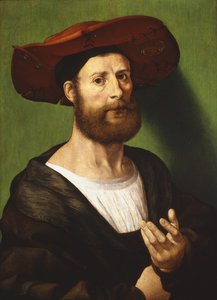
jan gossaert (jean gossart)
1532 , France
Kratke činjenice
- Artistic Movement Or Style: Romanism
- Artists Or Movements Influenced By This Artist: ['Jan van Scorel']
- Artists Who Influenced This Artist: ['Albrecht Dürer']
- Date Of Death: 1532
- Full Name: Jan Gossaert
- Nationality: Dutch
- Notable Artworks:
- The Adoration of the Kings
- Virgin and Child
- Portrait of a Man
- Mocking of Christ
- Place Of Birth: Maubeuge, France

