

 Pregledaj u prostoru
 Pošalji
 Podeli
 Detalji o delu

 Преузми
 Slični predmeti
 Rendgenski snimak
 Slajdovi
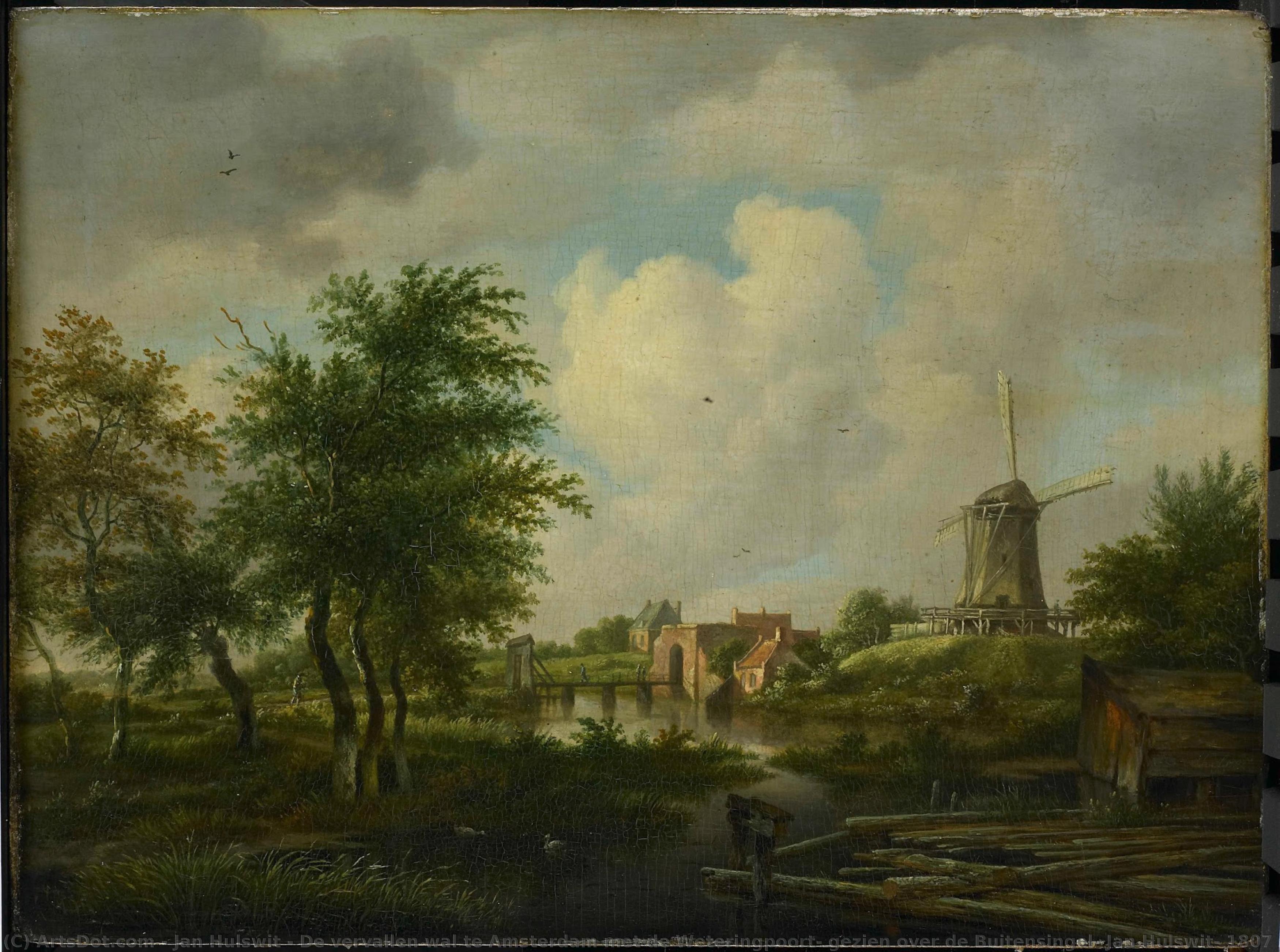
De vervallen wal te Amsterdam met de Weteringpoort, gezien over de Buitensingel, Jan Hulswit, 1807
 1807
1807 28.0 x 37.0 cm
 Pročitaj više
Giclee štampa / Umetnički otisak
Giclée štampa ili print na platnu muzejskog kvaliteta uz brzu proizvodnju i fleksibilne opcije završne obrade. ( Kupi ručno naslikanu sliku Kupi digitalnu sliku)




































Izaberite jednu od naših unapred definisanih veličina koje odgovaraju originalnim proporcijama umetničkog dela.

Možete uneti sopstvene dimenzije kako biste umetničko delo prilagodili specifičnom okviru ili prostoru. Ako odabrani format ne odgovara proporcijama originalne slike, mi ćemo ili iscrtati deo dela ili proširiti sliku pomoću ogledane ivice ili jednobojnog popunjavanja. Digitalni prikaz će vam biti poslat na odobrenje pre početka proizvodnje.
Imajte na umu da pregled na ekranu ne odražava stvarno iscrtavanje ili proširivanje. Samo će prikaz (mockup) precizno pokazati finalnu kompoziciju.
Iako su prilagođene dimenzije dostupne, preporučujemo da odaberete dimenziju sa unapred definisane liste kako biste očuvali originalne proporcije.
Dostava širom sveta () za 2 nedelje umesto uobičajenih 4/5 nedelja. (26 август)

Besplatna ekspresna dostava širom sveta

Visokokvalitetno laneno platno

Kompletno osiguranje transporta

Garancija povraćaja carine i uvoznih dažbina

Garancija vernosti boja

Politika povrata u roku od 60 dana (samo u slučaju nedostataka)

Garancija povrata novca od 100%

Popust pri grupnoj kupovini
 Opcija sa staklom dostupna je samo za dimenzije manje od 110 cm

De vervallen wal te Amsterdam met de Weteringpoort, gezien over de Buitensingel, Jan Hulswit, 1807
Giclee štampa / Umetnički otisak
Dimenzije reprodukcije
-


Konačna cena
$ 62
Opis predmeta
Srodna umetnička dela








Biografija umetnika
A Life Immersed in Dutch Landscapes: The World of Jan Hulswit
Jan Hulswit, a name perhaps less celebrated than some of his contemporaries, nevertheless occupies a significant niche within the pantheon of 18th and early 19th-century Dutch landscape painting. Born in Amsterdam in 1766 and passing away in Nieuwer-Amstel in 1822, Hulswit’s life mirrored the shifting artistic currents of his time—a period transitioning from the formality of the Golden Age to a more Romantic sensibility. He wasn't merely a painter; he was a draughtsman, etcher, copyist, art dealer, and even a wallpaper painter, demonstrating a versatile talent that allowed him to navigate the complexities of the Dutch art market. His dedication to capturing the subtle nuances of his native countryside established him as a keen observer and skilled interpreter of the natural world.Early Training and Artistic Development
Hulswit’s artistic journey began with formal training, notably under Pieter Barbiers I, a respected landscapist who instilled in him a foundation of meticulous technique and an appreciation for realistic depiction. He also studied under Pieter Barbiers, further refining his skills. This early education proved crucial, shaping his approach to landscape painting which emphasized detailed observation and atmospheric rendering. While the specifics of his initial works remain somewhat elusive, it’s clear that Hulswit quickly developed a talent for capturing the light and shadow play across Dutch fields, waterways, and forests. He wasn't interested in grand historical narratives or dramatic allegories; instead, he focused on the quiet beauty of everyday scenes—a farmhouse nestled beside a canal, cattle grazing in a meadow, figures engaged in simple rural activities. This focus reflects a broader trend within Dutch art towards genre painting and landscape as subjects worthy of artistic attention in their own right.A Versatile Practitioner: Painting, Copying, and Commerce
The breadth of Hulswit’s professional life is striking. Beyond his original paintings and drawings, he was a proficient copyist, skillfully reproducing works by established masters—a common practice at the time that allowed artists to earn income while honing their technical abilities. His involvement in the art trade as an art dealer further demonstrates his deep understanding of artistic value and market dynamics. This multifaceted career wasn’t simply about financial necessity; it suggests a genuine passion for art in all its forms, from creation to appreciation and commerce. The fact that he also worked as a wallpaper painter indicates a willingness to embrace diverse artistic challenges and cater to a broad clientele. His work as an etcher allowed him to disseminate his images more widely, contributing to the growing popularity of Dutch landscape prints.Themes and Techniques: Capturing the Essence of Holland
Hulswit’s paintings are characterized by their serene atmosphere and meticulous attention to detail. He favored a palette of muted earth tones—greens, browns, grays—that perfectly evoke the subtle colors of the Dutch countryside. His compositions often feature horizontal lines—the horizon, canals, fields—creating a sense of calm and stability. While he wasn’t known for dramatic brushwork or bold experimentation, his skill lay in capturing the *feeling* of a place—the dampness of the air, the warmth of the sun, the gentle breeze rustling through the trees. Recurring motifs include rural dwellings, livestock, figures engaged in everyday tasks, and waterways that define the Dutch landscape. He often depicted scenes with a sense of quiet intimacy, inviting viewers to immerse themselves in the tranquility of the countryside. His drawings, executed in black chalk and wash, are particularly notable for their delicate lines and subtle shading, revealing his mastery of draughtsmanship.Legacy and Historical Significance
Although Hulswit may not be a household name, his work provides valuable insight into the artistic landscape of late 18th and early 19th-century Holland. His paintings offer a glimpse into the daily life and rural beauty of the Dutch countryside during a period of significant social and political change. He represents a continuation of the Dutch landscape tradition, albeit with a more subdued and intimate sensibility than some of his predecessors. While he didn’t revolutionize artistic technique or challenge established conventions, his dedication to capturing the essence of Holland—its light, its atmosphere, its quiet beauty—ensures his place as a noteworthy figure in the history of Dutch art. His works continue to be appreciated for their skillful execution, serene atmosphere, and evocative depiction of a bygone era.
Osnovne informacije
- Artistic Movement Or Style: Water polo player
- Date Of Birth: April 9, 1885
- Date Of Death: May 2, 1932
- Full Name: Jan Hulswit
- Nationality: Dutch
- Place Of Birth: Apeldoorn, Netherlands

