

 Pregledaj u prostoru
 Pošalji
 Podeli
 Detalji o delu

 Преузми
 Slični predmeti
 Rendgenski snimak
 Slajdovi
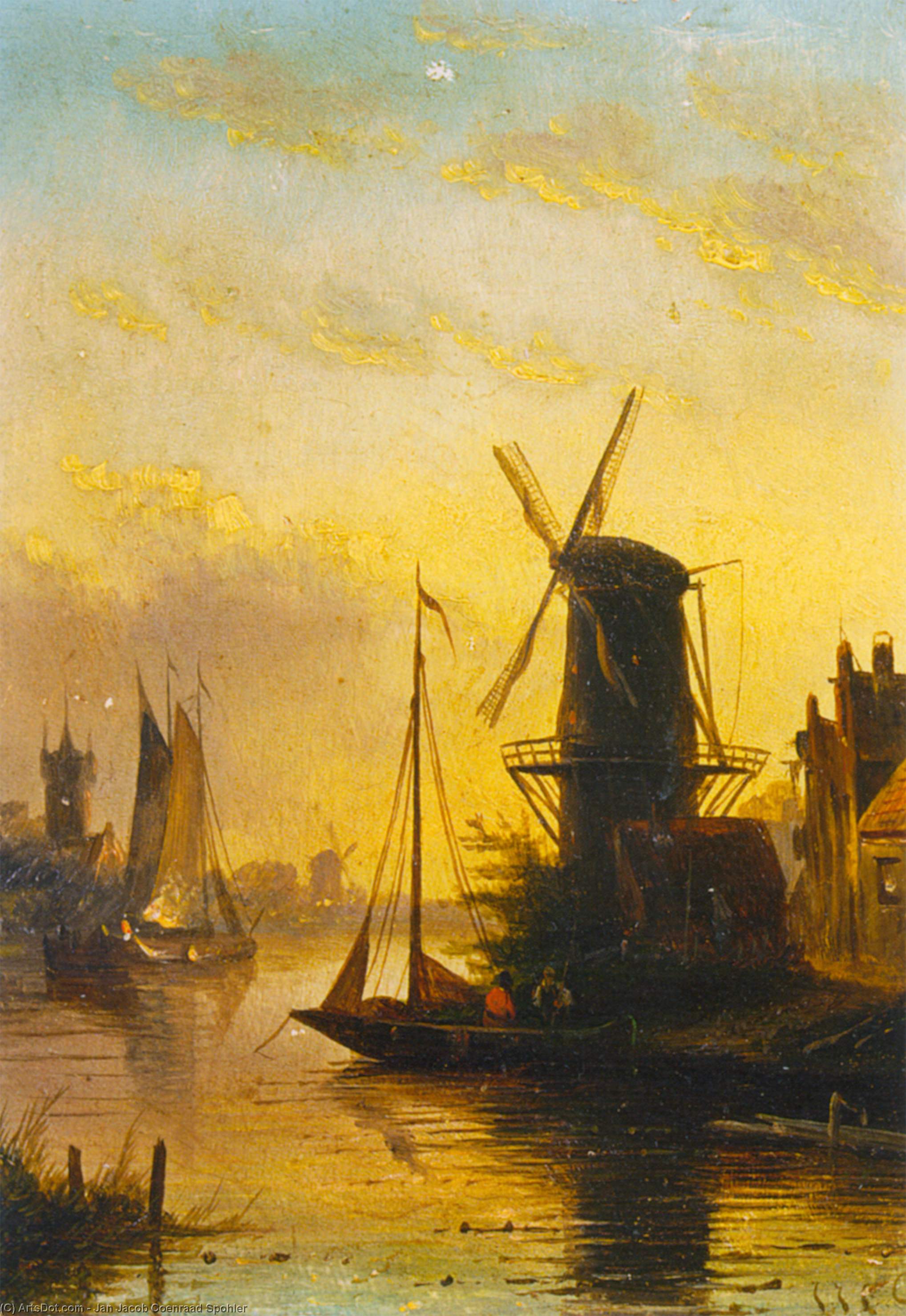
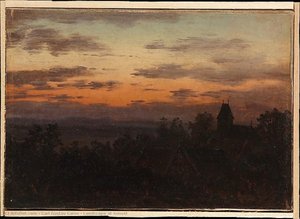
A Summer Landscape with a Windmill at Sunset
 Pročitaj više
Giclee štampa / Umetnički otisak
Giclée štampa ili print na platnu muzejskog kvaliteta uz brzu proizvodnju i fleksibilne opcije završne obrade. ( Kupi ručno naslikanu sliku Kupi digitalnu sliku)




































Izaberite jednu od naših unapred definisanih veličina koje odgovaraju originalnim proporcijama umetničkog dela.

Možete uneti sopstvene dimenzije kako biste umetničko delo prilagodili specifičnom okviru ili prostoru. Ako odabrani format ne odgovara proporcijama originalne slike, mi ćemo ili iscrtati deo dela ili proširiti sliku pomoću ogledane ivice ili jednobojnog popunjavanja. Digitalni prikaz će vam biti poslat na odobrenje pre početka proizvodnje.
Imajte na umu da pregled na ekranu ne odražava stvarno iscrtavanje ili proširivanje. Samo će prikaz (mockup) precizno pokazati finalnu kompoziciju.
Iako su prilagođene dimenzije dostupne, preporučujemo da odaberete dimenziju sa unapred definisane liste kako biste očuvali originalne proporcije.
Dostava širom sveta () za 2 nedelje umesto uobičajenih 4/5 nedelja. (23 август)

Besplatna ekspresna dostava širom sveta

Visokokvalitetno laneno platno

Kompletno osiguranje transporta

Garancija povraćaja carine i uvoznih dažbina

Garancija vernosti boja

Politika povrata u roku od 60 dana (samo u slučaju nedostataka)

Garancija povrata novca od 100%

Popust pri grupnoj kupovini
 Opcija sa staklom dostupna je samo za dimenzije manje od 110 cm

A Summer Landscape with a Windmill at Sunset
Giclee štampa / Umetnički otisak
Dimenzije reprodukcije
-


Konačna cena
$ 62
Srodna umetnička dela

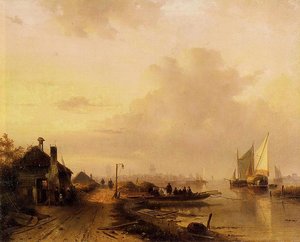
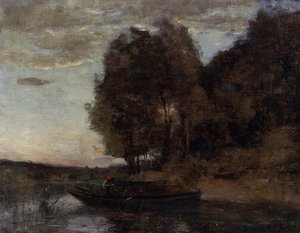
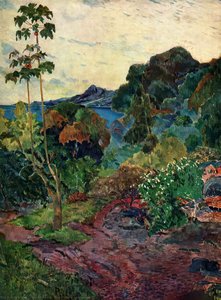
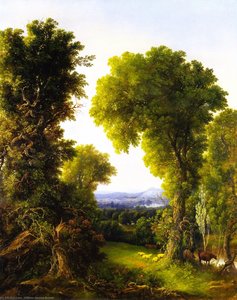
Biografija umetnika
A Quiet Observer of Dutch Serenity: The Life and Art of Jan Jacob Coenraad Spohler
Jan Jacob Coenraad Spohler, born in Amsterdam in 1837, remains a somewhat elusive figure within the pantheon of 19th-century Dutch landscape painters. While not achieving the widespread renown of artists like the Barbizon school masters or his more celebrated contemporaries, Spohler cultivated a dedicated following through his exquisitely rendered scenes of the Dutch countryside – particularly those depicting the tranquil waterways and winter landscapes that define the nation’s artistic heritage. His life, though relatively undocumented, appears to have been one devoted entirely to his craft, a quiet pursuit of capturing the subtle nuances of light and atmosphere in his native land. He eschewed grand historical narratives or dramatic compositions, instead focusing on the intimate beauty of everyday scenes, offering viewers a glimpse into a peaceful, idyllic world.Early Influences and Artistic Development
Spohler’s artistic journey began within the established traditions of Dutch landscape painting. The 19th century witnessed a resurgence of interest in the Golden Age masters – artists like Jan van Goyen, Pieter de Molyn, and Aert van der Neer – whose meticulous depictions of light, water, and sky served as foundational influences for generations of painters. Spohler clearly absorbed these lessons, demonstrating an early aptitude for capturing the atmospheric effects that characterize Dutch weather. While formal training details are scarce, it’s reasonable to assume he benefited from the vibrant artistic milieu of Amsterdam, a city steeped in painting tradition. His initial works show a clear debt to the Hague School, particularly in their realistic portrayal of rural life and muted color palettes. However, Spohler gradually developed his own distinct voice, moving away from the often-somber tones of the Hague School towards a more luminous and optimistic aesthetic.The Poetic Landscapes: Themes and Techniques
Spohler’s oeuvre is dominated by scenes of riverscapes, canals, and winter landscapes. He possessed an exceptional ability to convey the stillness and serenity of water – whether it be the gentle flow of a summer river or the frozen expanse of a winter waterway. His paintings are characterized by their meticulous attention to detail; every tree branch, every ripple in the water, every snowdrift is rendered with painstaking accuracy. Yet, this precision never feels overly academic or contrived. Instead, it serves to enhance the overall sense of realism and immersion. He masterfully employed subtle gradations of color and light to create a convincing illusion of depth and atmosphere. His winter scenes are particularly noteworthy for their delicate rendering of snow and ice, capturing the ethereal quality of light reflecting off these surfaces. He often included small figures in his compositions, not as focal points but rather as elements that add scale and a sense of human presence to the landscape. These figures – typically farmers, boatmen, or skaters – are depicted engaged in everyday activities, further emphasizing the peacefulness and tranquility of the scenes.Legacy and Historical Significance
Although Spohler did not achieve widespread fame during his lifetime, his work has continued to resonate with collectors and art enthusiasts who appreciate his quiet mastery of Dutch landscape painting. He represents a continuation of the long tradition of Dutch realism, offering a poignant glimpse into a bygone era. His paintings provide valuable insights into the rural life and landscapes of 19th-century Netherlands.- His work is often seen as a bridge between the Hague School and later Impressionistic tendencies.
- Spohler’s dedication to capturing the subtle nuances of light and atmosphere foreshadowed the concerns of many later landscape painters.
- He remains an important figure in understanding the evolution of Dutch landscape painting during the 19th century.
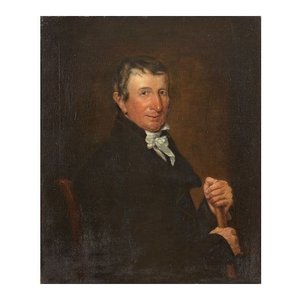
jan jacob coenraad spohler
1837 - 1923 , Netherlands

