

 Pregledaj u prostoru
 Pošalji
 Podeli
 Detalji o delu

 Преузми
 Slični predmeti
 Rendgenski snimak
 Slajdovi
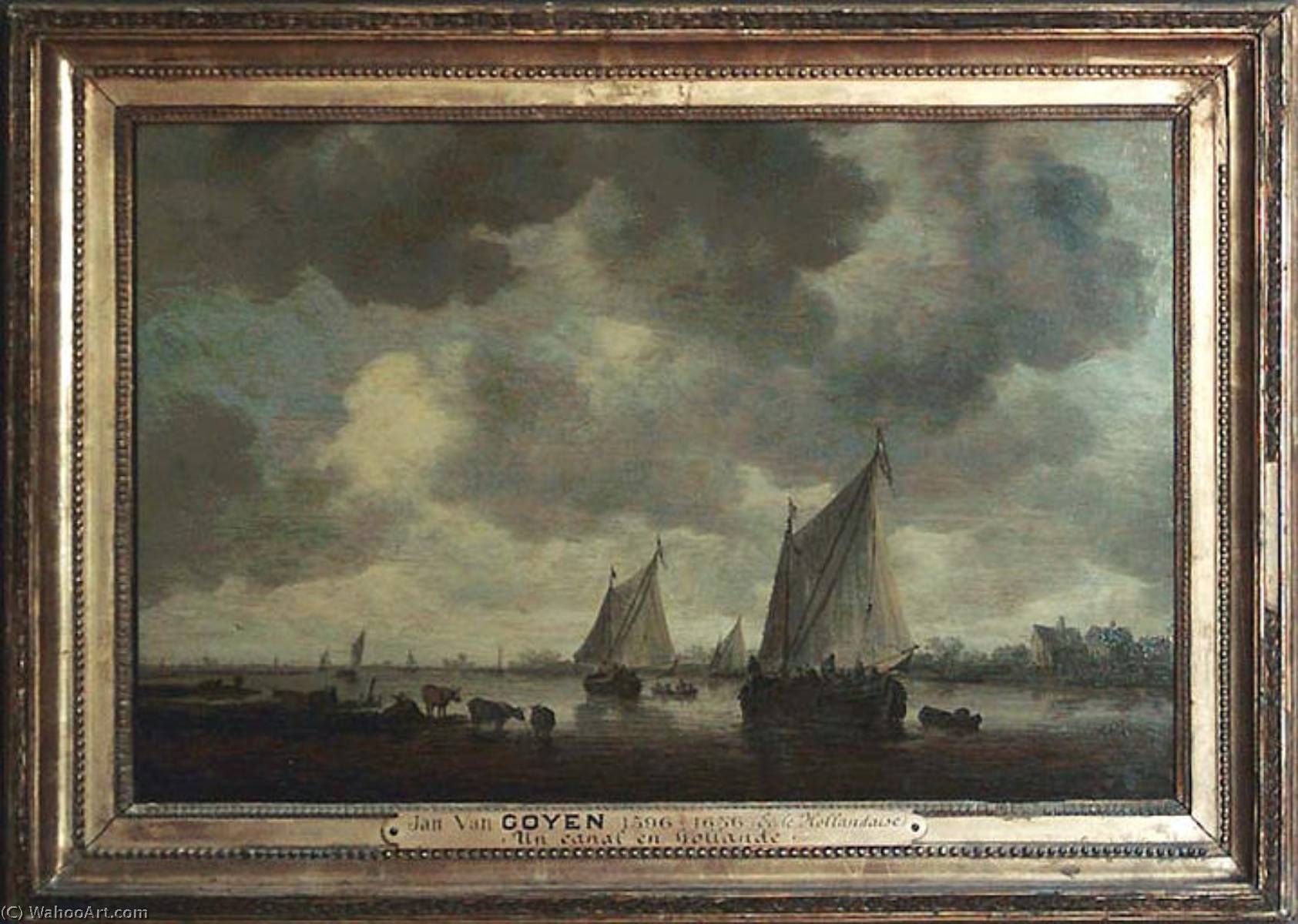
Deux grandes barques à voiles et bestiaux sur la rive


 Pročitaj više
Ručno rađena uljana reprodukcija
Ručno oslikano uljanim bojama na platnu u dimenzijama i okviru po vašem izboru, izrađeno po porudžbini od strane naših umetnika. ( Kupi print Kupi digitalnu sliku)




































Izaberite jednu od naših unapred definisanih veličina koje odgovaraju originalnim proporcijama umetničkog dela.

Можете унети сопствене димензије како бисте прилагодили дело одређеном оквиру или простору. Ако одабрана величина не одговара пропорцијама оригинала, слика ће бити исечена или проширена додатним елементима који се ручно насликавају. Дигитални prikaz ће вам бити послат на одобрење пре почетка производње.
Имајте на уму да преглед на екрану не одражава стварно исецање или проширење. Само приказ (mockup) ће тачно приказати коначну композицију.
Иако су доступне прилагођене величине, препоручујемо да одаберете димензију из дефинисане листе како бисте сачували оригиналне пропорције.
Nakon narudžbine, tim ArtsDot.com će klijentu putem e-pošte poslati uputstva i dostaviti prikaz predloženog rešenja
Isporuka širom sveta () za 3/4 nedelje umesto uobičajenih 5 nedelja. (3 септембар). Bez kompromisa po pitanju kvaliteta.

Besplatna ekspresna dostava širom sveta

Visokokvalitetno laneno platno

Kompletno osiguranje transporta

Garancija povraćaja carine i uvoznih dažbina

Garancija vernosti boja

Politika povrata u roku od 60 dana (samo u slučaju nedostataka)

Garancija povrata novca od 100%

Popust pri grupnoj kupovini
 Opcija sa staklom dostupna je samo za dimenzije manje od 110 cm

Deux grandes barques à voiles et bestiaux sur la rive
Tehnika reprodukcije
Dimenzije reprodukcije
-


Konačna cena
$ 263
A Serene Encounter with the Dutch Golden Age
In the quiet, mist-laden landscapes of the seventeenth-century Netherlands, few artists captured the ephemeral beauty of the atmosphere as masterfully as Jan Josephszoon van Goyen. His work, Deux grandes barques à voiles et bestiaux sur la rive, serves as a profound window into a world where the boundaries between water, sky, and earth seem to dissolve into a singular, poetic vision. This evocative piece presents a maritime scene of remarkable tranquility, featuring two majestic sailing vessels anchored near a shoreline populated by grazing livestock. It is not merely a depiction of a landscape, but an invitation to experience the soft, rhythmic pulse of Dutch coastal life during the height of the Golden Age.
The composition is a masterclass in balance and perspective, guiding the viewer’s eye through a carefully orchestrated horizontal expanse. As one gazes upon the canvas, the heavy, low-hanging clouds and the vastness of the sky dominate the upper reaches, while the shoreline anchors the lower third of the frame. The placement of the two large boats acts as a central focal point, their sails catching the diffused light and providing a sense of scale against the distant, hazy horizon. Through the expert use of atmospheric perspective, Van Goyen allows distant buildings and trees to fade into a pale, ethereal blur, creating an immense sense of depth that draws the observer deep into the heart of the Dutch countryside.
The Art of Tonalism and Technique
What distinguishes this work is Van Goyen’s pioneering approach to the tonalist style. Moving away from the vibrant, saturated palettes of his predecessors, he embraced a sophisticated spectrum of muted tones—grays, soft blues, earthy browns, and subtle greens. This limited palette is not a lack of color, but rather a deliberate choice to capture the specific, overcast light characteristic of the Low Countries. The lighting is soft and even, devoid of harsh shadows, which imbues the entire scene with a gentle, melancholic grace. It is a technique that prioritizes the feeling of the air itself over the meticulous rendering of every blade of grass or wooden plank.
The artist’s hand is visible in his rapid, fluid execution, often referred to as molenschilderij. Rather than relying on rigid outlines, Van Goyen utilized loose, expressive brushstrokes to suggest form and movement. The texture of the water reflects the sky with a painterly touch, while the organic shapes of the clouds and cattle are rendered with a lightness that feels both spontaneous and controlled. For collectors and interior designers, this technique offers a sophisticated aesthetic; the painting possesses a rhythmic energy that complements modern minimalist spaces while providing a timeless, classical soul to traditional settings.
A Legacy of Peace and Prosperity
Beyond its technical brilliance, the painting carries deep historical and symbolic weight. During the seventeenth century, the Netherlands was a burgeoning maritime power, and scenes of trade, shipping, and coastal agriculture were symbols of national identity and prosperity. The presence of both the great sailing vessels and the livestock along the shore speaks to the dual pillars of the Dutch economy: commerce and land. Yet, despite these themes of industry, the emotional impact of the work is one of profound stillness. There is no storm, no frantic movement—only the quiet coexistence of man, animal, and nature.
For those seeking to bring a sense of calm and historical depth into their homes or galleries, this reproduction offers more than just decoration; it offers an atmosphere. It is a piece that rewards long periods of contemplation, inviting the viewer to slow down and breathe in the misty, peaceful air of a bygone era. Whether placed as a centerpiece in a grand salon or as a subtle accent in a contemporary study, Van Goyen’s vision remains a powerful testament to the beauty found in the quietest moments of life.
Srodna umetnička dela
Biografija umetnika
Jan Josephszoon van Goyen: Život utkan u pejzaž
Rani život i obuka
- Rođen 13. januara 1596. godine u Lajdenu, u Holandiji, Jan Josephszoon van Goyen istakao se kao ključna figura holandskog slikarstva zlatnog doba.
- Svoju prvu umetničku školu prošao je u Lajdenu, pre nego što je svoje znanje unapredio pod mentorstvom Esaiasa van de Velde u Harlemu. Ova temeljna obuka bila je presudna za njegov dalji umetnički razvoj.
Umetnički stil i razvoj
- Van Goyenov stil je odmah prepoznatljiv po svojoj jednostavnost, suptilnim tonalnim varijacijama i upotrebi ograničene palete – prvenstveno sivih, braon i zelenih tonova.
- Odbacio je tada popularne, raskošnije obojene i detaljne pejzaže, pionirski postavljajući temelje za realističniji i atmosferski pristup slikarstvu.
- Njegova rana dela pokazuju uticaj Van de Veldea, ali je ubrzo razvio sopstveni prepoznatljiv stil fokusiran na dočaravanje same suštine holandskog pejzaža.
Plodna umetnička karijera i značajna dela
- Van Goyen je bio neverovatno plodan umetnik, stvarajući procenjeno 1.200 slika i preko 1.000 crteža tokom svoje dugog puta.
- Među njegovim najznačajnijim delima nalaze se: Rečni pejzaž sa vetrenjačom, koji predstavlja vrhunski primer njegovih tonalnih pejzaža, kao i Ribari pored obale jezera, koji svedoči o njegovoj sposobnosti da prikaže mirne vodene predele.
- Učestalo je slikao scene reka, jezera, dina i prostranih neba, uspešno beležeći jedinstven karakter holandskog ruralnog predela.
Uticaji i nasleđe
- Iako je bio pod uticajem Van de Veldea, sam Van Goyenov rad postao je izuzetno uticajan za buduće generacije.
- Direktan uticaj ostavio je na umetnike kao što je Jan Steen, koji je bio jedan od njegovih učenika.
- Njegov naglasak na realizmu i atmosferskim efektima otvorio je put kasnijim pejzažnim slikarima.
Finansijske poteškoće i kasni život
- Uprkos svom umetničkom uspehu, Van Goyen se tokom celog života suočavao sa značajnim finansijskim problemima.
- Uključivao se u različite poslovne poduhvate, uključujući spekulaciju tulipanima (tokom čuvene „tulipmanije“) i investicije u nekretnine, ali se često nalazio duboko u dugovima.
- U vreme svoje smrti 27. aprila 1656. godine u Hagu, navodno je bio u dugovima od 18.000 guldena.
Istorijski značaj
- Van Goyenov rad smatra se kamenom temeljcem holandskog slikarstva zlatnog doba i značajnim doprinosom razvoju umetnosti pejzaža.
- On je uspešno dočarao duh Holandije 17. veka, odražavajući njeno rastuće prosperitet i neraskidivu vezu sa zemljom.
- Njegove inovativne tehnike i realistični prikazi nastavljaju da inspirišu umetnike i očaravaju publiku i danas.
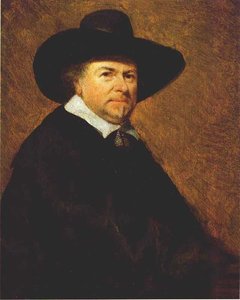
Jan Jozefszoon Van Goyen
1596 - 1656 , Holandija
Osnovne informacije
- Birth Date: 13. januar 1596.
- Birth Place: Lejden, Holandija
- Death Date: 27. april 1656.
- Influenced: Jan Stin
- Influenced By: Esajas van de Velde
- Movement: Slikarstvo holandskog zlatnog doba
- Name: Jan Josafson van Gojen
- Nationality: Holandski
- Notable Works:
- Rečni pejzaž sa vetrenjačom
- Ribari pored obale jezera
Povezani članci
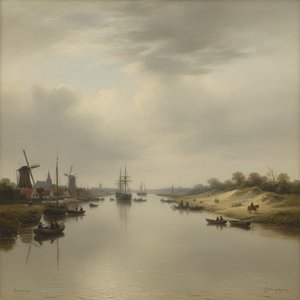
Jan van Goyen: Master of Dutch Landscape & Atmospheric Perspective
Discover Jan van Goyen, the master of Dutch landscape painting. Explore his subtle technique, atmospheric realism & lasting influence on art history. Learn about this 17th-century pioneer at ArtsDot.
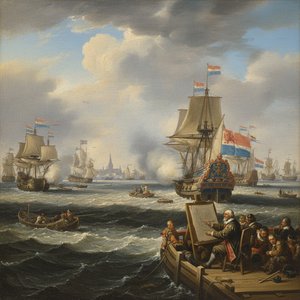
Willem van de Velde the Elder: Master of Maritime Painting & Chronicler of the Dutch Golden Age
Discover the captivating maritime paintings of Willem van de Velde the Elder, a master chronicler of the Dutch Golden Age. Explore his unparalleled realism and lasting influence on naval art history.

Rembrandt van Rijn: 25 Majstorstava Svetla i Senke za Vaš Dom | ArtsDot
Uronite u svet Rembrandta van Rijna! Otkrijte 25 najlepših dela holandskog majstora – portrete, istorijske scene i biblijska platna. Kvalitetne reprodukcije slika za dekoraciju enterijera dostupne na ArtsDot.com.

Early Netherlandish Masters: 10 Paintings That Revolutionized Art & Decor
Journey into the world of Early Netherlandish painting! Explore 10 masterpieces by Jan van Eyck, Rogier van der Weyden & more. Discover stunning detail, symbolism & Renaissance art for your home decor. Find museum-quality reproductions on ArtsDot.com
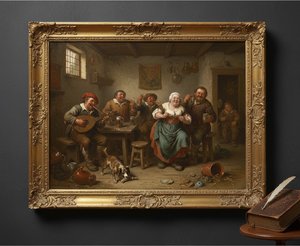
Adriaen van Ostade: A Master of Dutch Genre Painting & Social Commentary
Explore the life & work of Adriaen van Ostade, a leading Dutch Golden Age painter. Discover his realistic genre scenes, social commentary, and lasting influence on art history. Learn more at ArtsDot.

