

 Pregledaj u prostoru
 Pošalji
 Podeli
 Detalji o delu

 Преузми
 Slični predmeti
 Rendgenski snimak
 Slajdovi
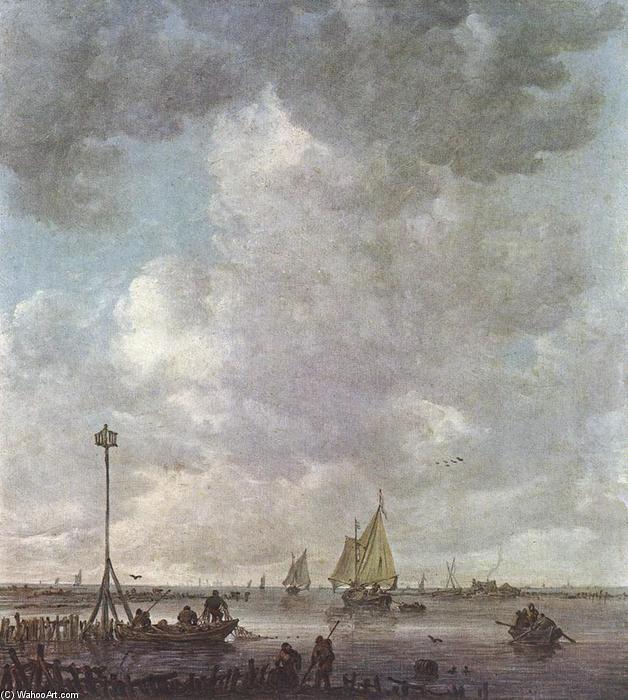
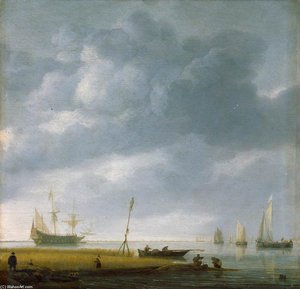
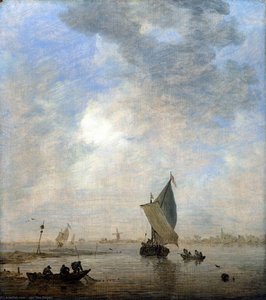
Marine Landscape with Fishermen
 Oil On Panel
- WallArt
- Dutch Golden Age Landscape
 36.0 x 32.0 cm
 Szépművészeti Múzeum
 Pročitaj više
Giclee štampa / Umetnički otisak
Giclée štampa ili print na platnu muzejskog kvaliteta uz brzu proizvodnju i fleksibilne opcije završne obrade. ( Kupi ručno naslikanu sliku Kupi digitalnu sliku)




P118B $10

P118H $10

P118W $10

P438Z $10

P508JH $12

P508YH $12

P805H $10

P805Z $10

P919BZ $10

P919G $10

P919XJ $10

P959ZH $10

P968JZ $12

W106C $8

W218G $10

W218JH $8

W218Y $10

W307PJ $10

W316G $10

W316PJ $8

W316Y $10

W398PJ $8

W4111J $10

W500HY $15

W500JH $15

W692G $12

W849H $8

W940BG $15

W953PJ $8




Izaberite jednu od naših unapred definisanih veličina koje odgovaraju originalnim proporcijama umetničkog dela.

Možete uneti sopstvene dimenzije kako biste umetničko delo prilagodili specifičnom okviru ili prostoru. Ako odabrani format ne odgovara proporcijama originalne slike, mi ćemo ili iscrtati deo dela ili proširiti sliku pomoću ogledane ivice ili jednobojnog popunjavanja. Digitalni prikaz će vam biti poslat na odobrenje pre početka proizvodnje.
Imajte na umu da pregled na ekranu ne odražava stvarno iscrtavanje ili proširivanje. Samo će prikaz (mockup) precizno pokazati finalnu kompoziciju.
Iako su prilagođene dimenzije dostupne, preporučujemo da odaberete dimenziju sa unapred definisane liste kako biste očuvali originalne proporcije.
Dostava širom sveta () za 2 nedelje umesto uobičajenih 4/5 nedelja. (30 август)

Besplatna ekspresna dostava širom sveta

Visokokvalitetno laneno platno

Kompletno osiguranje transporta

Garancija povraćaja carine i uvoznih dažbina

Garancija vernosti boja

Politika povrata u roku od 60 dana (samo u slučaju nedostataka)

Garancija povrata novca od 100%

Popust pri grupnoj kupovini
 Opcija sa staklom dostupna je samo za dimenzije manje od 110 cm

Marine Landscape with Fishermen
Giclee štampa / Umetnički otisak
Dimenzije reprodukcije
-


Konačna cena
$ 62
A Serene Embrace: Jan van Goyen’s “Marine Landscape with Fishermen”
Jan Josephszoon van Goyen's "Marine Landscape with Fishermen" is more than just a depiction of a coastal scene; it’s a masterful distillation of the Dutch Golden Age’s fascination with light, atmosphere, and the quiet dignity of everyday life. Painted around 1640, this work resides within the Szépmûvészeti Múzeum in Budapest, Hungary, yet its roots lie firmly in the canals and waterways of the Netherlands – a landscape that profoundly shaped the artistic sensibilities of an entire nation.
The painting immediately draws the viewer into a world of muted tones and subtle gradations. Van Goyen, renowned for his ability to capture the ephemeral qualities of light and water, employs a remarkably restrained palette dominated by grays, browns, and greens. These aren’t vibrant, saturated colors; rather, they are carefully blended to create an illusion of depth and distance, mimicking the hazy atmosphere often found over bodies of water. The sky, heavy with suggestion rather than explicit detail, seems to press down upon the scene, while the reflections on the water shimmer with a ghostly quality.
The Language of Light and Shadow
Van Goyen’s technique is characterized by its remarkable economy of brushstrokes. He avoids meticulous detailing, instead focusing on capturing the *essence* of the landscape – its mood, texture, and the way light interacts with its surfaces. The boats, rendered in broad, confident strokes, are not sharply defined but rather suggested through a careful manipulation of shadow and reflection. This approach, rooted in the principles of atmospheric perspective, creates a sense of vastness and distance that is both captivating and profoundly calming.
The artist’s use of *tenebrism*, a technique borrowed from Caravaggio, subtly emphasizes certain areas while leaving others shrouded in darkness. The foreground figures, engaged in their work, are brought into sharp relief against the diffused light of the background, drawing the viewer's eye and creating a sense of intimacy within the expansive scene. The way he builds up layers of thin paint, allowing the underlying ground to peek through, adds to the painting’s luminous quality – it feels as though the light itself is emanating from the canvas.
A Window into Dutch Life
"Marine Landscape with Fishermen" offers a poignant glimpse into the lives of ordinary Dutch people during the 17th century. The fishermen, depicted in simple, functional clothing, are not heroic figures engaged in grand adventures; they are simply men working their trade, connected to the rhythms of nature and the necessities of life. Their presence speaks to the deep-seated connection between the Dutch people and the sea – a relationship that shaped their economy, culture, and identity.
The painting’s historical context is crucial to understanding its significance. During this period, the Netherlands was experiencing a remarkable economic boom fueled by trade and maritime exploration. The canals and waterways of the country were vital arteries of commerce, and the lives of those who worked on them – fishermen, merchants, shipbuilders – were central to the nation’s prosperity. Van Goyen's work serves as a quiet celebration of this industrious spirit.
Symbolism and Emotional Resonance
Beyond its realistic depiction of a coastal scene, “Marine Landscape with Fishermen” is imbued with a subtle sense of melancholy and contemplation. The muted colors, the hazy atmosphere, and the solitary figures all contribute to an overall feeling of quietude and introspection. It’s not a painting that shouts for attention; rather, it invites the viewer to pause, reflect, and connect with the timeless beauty of the natural world.
The painting's enduring appeal lies in its ability to evoke a sense of nostalgia – a longing for simpler times, for connection with nature, and for the quiet dignity of human endeavor. It’s a testament to Van Goyen’s skill as an artist and his profound understanding of the human condition.
Additional Research:
- Marine Landscape with Fishermen by GOYEN, Jan van
- jan josephszoon van goyen
- Marine Landscape with Fishermen
Useful Links:
Srodna umetnička dela
Biografija umetnika
Jan Josephszoon van Goyen: Život utkan u pejzaž
Rani život i obuka
- Rođen 13. januara 1596. godine u Lajdenu, u Holandiji, Jan Josephszoon van Goyen istakao se kao ključna figura holandskog slikarstva zlatnog doba.
- Svoju prvu umetničku školu prošao je u Lajdenu, pre nego što je svoje znanje unapredio pod mentorstvom Esaiasa van de Velde u Harlemu. Ova temeljna obuka bila je presudna za njegov dalji umetnički razvoj.
Umetnički stil i razvoj
- Van Goyenov stil je odmah prepoznatljiv po svojoj jednostavnost, suptilnim tonalnim varijacijama i upotrebi ograničene palete – prvenstveno sivih, braon i zelenih tonova.
- Odbacio je tada popularne, raskošnije obojene i detaljne pejzaže, pionirski postavljajući temelje za realističniji i atmosferski pristup slikarstvu.
- Njegova rana dela pokazuju uticaj Van de Veldea, ali je ubrzo razvio sopstveni prepoznatljiv stil fokusiran na dočaravanje same suštine holandskog pejzaža.
Plodna umetnička karijera i značajna dela
- Van Goyen je bio neverovatno plodan umetnik, stvarajući procenjeno 1.200 slika i preko 1.000 crteža tokom svoje dugog puta.
- Među njegovim najznačajnijim delima nalaze se: Rečni pejzaž sa vetrenjačom, koji predstavlja vrhunski primer njegovih tonalnih pejzaža, kao i Ribari pored obale jezera, koji svedoči o njegovoj sposobnosti da prikaže mirne vodene predele.
- Učestalo je slikao scene reka, jezera, dina i prostranih neba, uspešno beležeći jedinstven karakter holandskog ruralnog predela.
Uticaji i nasleđe
- Iako je bio pod uticajem Van de Veldea, sam Van Goyenov rad postao je izuzetno uticajan za buduće generacije.
- Direktan uticaj ostavio je na umetnike kao što je Jan Steen, koji je bio jedan od njegovih učenika.
- Njegov naglasak na realizmu i atmosferskim efektima otvorio je put kasnijim pejzažnim slikarima.
Finansijske poteškoće i kasni život
- Uprkos svom umetničkom uspehu, Van Goyen se tokom celog života suočavao sa značajnim finansijskim problemima.
- Uključivao se u različite poslovne poduhvate, uključujući spekulaciju tulipanima (tokom čuvene „tulipmanije“) i investicije u nekretnine, ali se često nalazio duboko u dugovima.
- U vreme svoje smrti 27. aprila 1656. godine u Hagu, navodno je bio u dugovima od 18.000 guldena.
Istorijski značaj
- Van Goyenov rad smatra se kamenom temeljcem holandskog slikarstva zlatnog doba i značajnim doprinosom razvoju umetnosti pejzaža.
- On je uspešno dočarao duh Holandije 17. veka, odražavajući njeno rastuće prosperitet i neraskidivu vezu sa zemljom.
- Njegove inovativne tehnike i realistični prikazi nastavljaju da inspirišu umetnike i očaravaju publiku i danas.
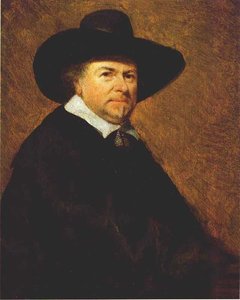
Jan Jozefszoon Van Goyen
1596 - 1656 , Holandija
Osnovne informacije
- Birth Date: 13. januar 1596.
- Birth Place: Lejden, Holandija
- Death Date: 27. april 1656.
- Influenced: Jan Stin
- Influenced By: Esajas van de Velde
- Movement: Slikarstvo holandskog zlatnog doba
- Name: Jan Josafson van Gojen
- Nationality: Holandski
- Notable Works:
- Rečni pejzaž sa vetrenjačom
- Ribari pored obale jezera
Povezani članci
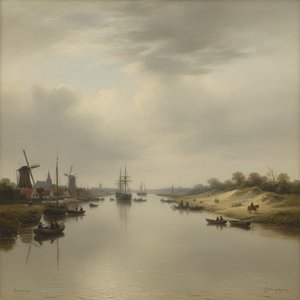
Jan van Goyen: Master of Dutch Landscape & Atmospheric Perspective
Discover Jan van Goyen, the master of Dutch landscape painting. Explore his subtle technique, atmospheric realism & lasting influence on art history. Learn about this 17th-century pioneer at ArtsDot.

Rembrandt van Rijn: 25 Majstorstava Svetla i Senke za Vaš Dom | ArtsDot
Uronite u svet Rembrandta van Rijna! Otkrijte 25 najlepših dela holandskog majstora – portrete, istorijske scene i biblijska platna. Kvalitetne reprodukcije slika za dekoraciju enterijera dostupne na ArtsDot.com.
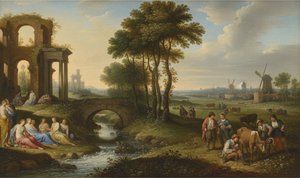
Cornelis van Poelenburch: Bridging Mannerism & the Dutch Baroque Landscape
Discover Cornelis van Poelenburch, a pivotal Dutch Baroque landscape painter bridging Mannerism & Italianate styles. Explore his life, key works, and lasting influence on 17th-century art with ArtsDot.
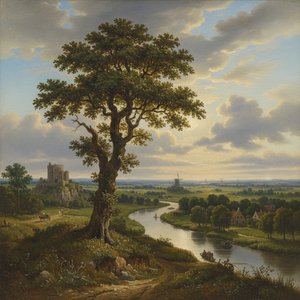
Jacob van Ruisdael: Master of Dutch Landscape & the Evocation of National Identity
Explore the life & work of Jacob van Ruisdael, the preeminent Dutch landscape painter. Discover his technical brilliance, symbolic depth, and lasting influence on art history. Learn about collecting Ruisdael's masterpieces.
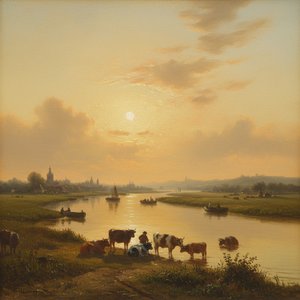
Aelbert Cuyp: Illuminating the Dutch Golden Age with Light & Landscape
Explore the luminous landscapes of Aelbert Cuyp, a master of the Dutch Golden Age. Discover his unique light, serene riverside scenes & lasting influence on art history. Learn more at ArtsDot.


