

 Pregledaj u prostoru
 Pošalji
 Podeli
 Detalji o delu

 Преузми
 Slični predmeti
 Rendgenski snimak
 Slajdovi
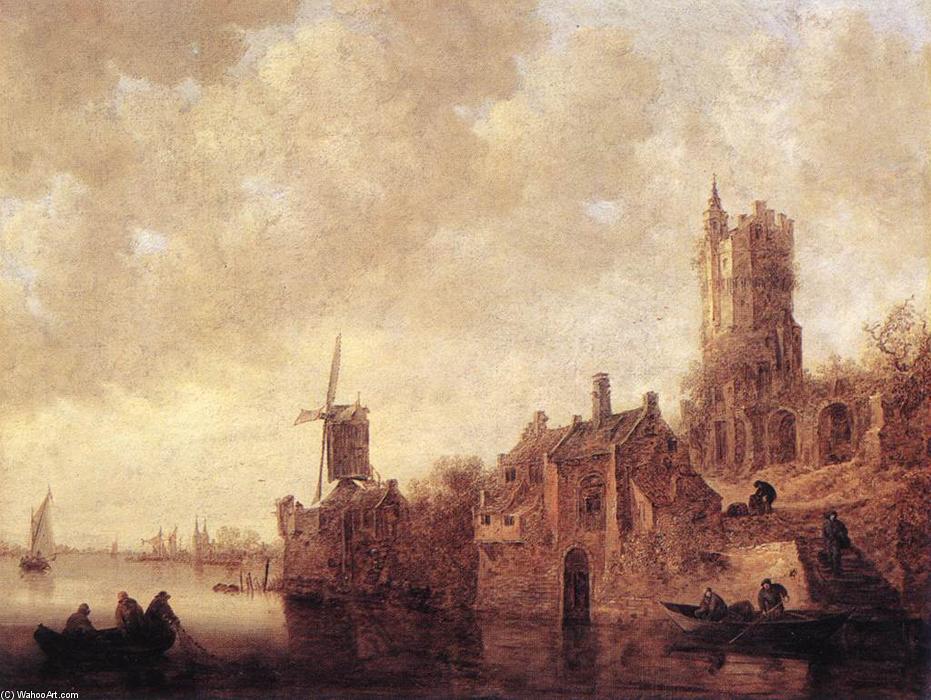
River Landscape with a Windmill and a Ruined Castle
 Oil On Canvas
- WallArt
- Baroque Landscape
 1644
1644 97.0 x 133.0 cm
 Louvre
 Pročitaj više
Giclee štampa / Umetnički otisak
Giclée štampa ili print na platnu muzejskog kvaliteta uz brzu proizvodnju i fleksibilne opcije završne obrade. ( Kupi ručno naslikanu sliku Kupi digitalnu sliku)




P118B $10

P118H $10

P118W $10

P438Z $10

P508JH $12

P508YH $12

P805H $10

P805Z $10

P919BZ $10

P919G $10

P919XJ $10

P959ZH $10

P968JZ $12

W106C $8

W218G $10

W218JH $8

W218Y $10

W307PJ $10

W316G $10

W316PJ $8

W316Y $10

W398PJ $8

W4111J $10

W500HY $15

W500JH $15

W692G $12

W849H $8

W940BG $15

W953PJ $8




Izaberite jednu od naših unapred definisanih veličina koje odgovaraju originalnim proporcijama umetničkog dela.

Možete uneti sopstvene dimenzije kako biste umetničko delo prilagodili specifičnom okviru ili prostoru. Ako odabrani format ne odgovara proporcijama originalne slike, mi ćemo ili iscrtati deo dela ili proširiti sliku pomoću ogledane ivice ili jednobojnog popunjavanja. Digitalni prikaz će vam biti poslat na odobrenje pre početka proizvodnje.
Imajte na umu da pregled na ekranu ne odražava stvarno iscrtavanje ili proširivanje. Samo će prikaz (mockup) precizno pokazati finalnu kompoziciju.
Iako su prilagođene dimenzije dostupne, preporučujemo da odaberete dimenziju sa unapred definisane liste kako biste očuvali originalne proporcije.
Dostava širom sveta () za 2 nedelje umesto uobičajenih 4/5 nedelja. (24 август)

Besplatna ekspresna dostava širom sveta

Visokokvalitetno laneno platno

Kompletno osiguranje transporta

Garancija povraćaja carine i uvoznih dažbina

Garancija vernosti boja

Politika povrata u roku od 60 dana (samo u slučaju nedostataka)

Garancija povrata novca od 100%

Popust pri grupnoj kupovini
 Opcija sa staklom dostupna je samo za dimenzije manje od 110 cm

River Landscape with a Windmill and a Ruined Castle
Giclee štampa / Umetnički otisak
Dimenzije reprodukcije
-


Konačna cena
$ 62
Opis predmeta
A Serene Vision of the Dutch Delta: Unveiling Van Goyen’s River Landscape
Jan Josephszoon van Goyen's “River Landscape with a Windmill and a Ruined Castle,” painted in 1644, isn’t merely a depiction of a Dutch waterway; it’s a carefully constructed meditation on light, atmosphere, and the enduring beauty of the natural world. This remarkable work, measuring 97 x 133 cm, transports us to a tranquil corner of the Netherlands, where the subtle shifts in color and texture evoke a profound sense of peace and contemplation. Van Goyen, a pivotal figure in Dutch Golden Age painting, masterfully eschewed the flamboyant detail favored by some contemporaries, instead prioritizing a restrained palette and an almost ethereal quality that defines his signature style.
The scene unfolds along a gently flowing river, its surface reflecting the soft light of the sky. A solitary windmill, its sails frozen in a perpetual rotation, stands sentinel against the backdrop of a distant, crumbling castle ruin – a poignant reminder of bygone eras and the passage of time. A scattering of boats, small and unassuming, suggests a lively but understated activity along the water’s edge. The artist's keen eye for detail is evident not in dramatic flourishes, but in the precise rendering of ripples on the water, the weathered stones of the castle, and the subtle variations in the grass lining the riverbank.
The Language of Light and Shadow: Van Goyen’s Unique Technique
Van Goyen's technique is characterized by its remarkable subtlety. He employed a limited palette – primarily grays, browns, and greens – to create an atmosphere that is both luminous and deeply atmospheric. This wasn’t achieved through bold brushstrokes or vibrant colors; rather, it was the result of meticulously layering thin washes of paint, allowing the light to penetrate and reflect off the surfaces. He utilized a technique known as “glazing,” applying translucent layers of color over previous ones, building up depth and richness gradually. The use of white lead as a ground and for highlights is particularly noteworthy, contributing significantly to the painting’s luminous quality.
The artist's preference for working *en plein air* (outdoors) allowed him to capture the fleeting effects of light with remarkable accuracy. He would sketch directly onto the panel using walnut ink, creating a roadmap for his subsequent brushwork. This direct observation is evident in the way he renders the reflections on the water and the subtle gradations of color that define the landscape. The painting’s overall impression isn't one of sharp detail but rather of a hazy, dreamlike quality – a testament to Van Goyen’s mastery of atmospheric perspective.
Historical Context: A Reflection of Dutch Identity
Painted in 1644, during the height of the Dutch Golden Age, “River Landscape with a Windmill and a Ruined Castle” offers a glimpse into the values and sensibilities of the time. The Netherlands was experiencing an unprecedented period of prosperity and artistic innovation, fueled by its burgeoning trade networks and tolerant social climate. Landscapes like this one were not simply decorative; they served as a means of celebrating the beauty of the Dutch countryside – a source of national pride and identity. The inclusion of the windmill, a symbol of Dutch ingenuity and industry, reinforces this theme.
Furthermore, the ruined castle evokes a sense of history and memory, subtly reminding viewers of the Netherlands’ complex past—a past marked by conflict and resilience. The juxtaposition of the natural world with remnants of human construction creates a poignant dialogue between nature and civilization, reflecting a broader philosophical concern with the relationship between humanity and its environment. The painting's quiet dignity speaks to a deep appreciation for the enduring power of the land.
Bringing Van Goyen’s Vision Home: A High-Quality Reproduction
ArtsDot offers meticulously crafted, hand-painted reproductions of “River Landscape with a Windmill and a Ruined Castle,” allowing you to experience the beauty and tranquility of this iconic artwork in your own home. Our skilled artists faithfully recreate Van Goyen’s delicate brushwork and subtle color palette, ensuring that every detail is rendered with exceptional accuracy. Choose from a range of sizes and framing options to perfectly complement your décor. Invest in a reproduction that captures not only the visual splendor of the original but also the profound emotional resonance of this timeless masterpiece.
Srodna umetnička dela
Biografija umetnika
Jan Josephszoon van Goyen: Život utkan u pejzaž
Rani život i obuka
- Rođen 13. januara 1596. godine u Lajdenu, u Holandiji, Jan Josephszoon van Goyen istakao se kao ključna figura holandskog slikarstva zlatnog doba.
- Svoju prvu umetničku školu prošao je u Lajdenu, pre nego što je svoje znanje unapredio pod mentorstvom Esaiasa van de Velde u Harlemu. Ova temeljna obuka bila je presudna za njegov dalji umetnički razvoj.
Umetnički stil i razvoj
- Van Goyenov stil je odmah prepoznatljiv po svojoj jednostavnost, suptilnim tonalnim varijacijama i upotrebi ograničene palete – prvenstveno sivih, braon i zelenih tonova.
- Odbacio je tada popularne, raskošnije obojene i detaljne pejzaže, pionirski postavljajući temelje za realističniji i atmosferski pristup slikarstvu.
- Njegova rana dela pokazuju uticaj Van de Veldea, ali je ubrzo razvio sopstveni prepoznatljiv stil fokusiran na dočaravanje same suštine holandskog pejzaža.
Plodna umetnička karijera i značajna dela
- Van Goyen je bio neverovatno plodan umetnik, stvarajući procenjeno 1.200 slika i preko 1.000 crteža tokom svoje dugog puta.
- Među njegovim najznačajnijim delima nalaze se: Rečni pejzaž sa vetrenjačom, koji predstavlja vrhunski primer njegovih tonalnih pejzaža, kao i Ribari pored obale jezera, koji svedoči o njegovoj sposobnosti da prikaže mirne vodene predele.
- Učestalo je slikao scene reka, jezera, dina i prostranih neba, uspešno beležeći jedinstven karakter holandskog ruralnog predela.
Uticaji i nasleđe
- Iako je bio pod uticajem Van de Veldea, sam Van Goyenov rad postao je izuzetno uticajan za buduće generacije.
- Direktan uticaj ostavio je na umetnike kao što je Jan Steen, koji je bio jedan od njegovih učenika.
- Njegov naglasak na realizmu i atmosferskim efektima otvorio je put kasnijim pejzažnim slikarima.
Finansijske poteškoće i kasni život
- Uprkos svom umetničkom uspehu, Van Goyen se tokom celog života suočavao sa značajnim finansijskim problemima.
- Uključivao se u različite poslovne poduhvate, uključujući spekulaciju tulipanima (tokom čuvene „tulipmanije“) i investicije u nekretnine, ali se često nalazio duboko u dugovima.
- U vreme svoje smrti 27. aprila 1656. godine u Hagu, navodno je bio u dugovima od 18.000 guldena.
Istorijski značaj
- Van Goyenov rad smatra se kamenom temeljcem holandskog slikarstva zlatnog doba i značajnim doprinosom razvoju umetnosti pejzaža.
- On je uspešno dočarao duh Holandije 17. veka, odražavajući njeno rastuće prosperitet i neraskidivu vezu sa zemljom.
- Njegove inovativne tehnike i realistični prikazi nastavljaju da inspirišu umetnike i očaravaju publiku i danas.
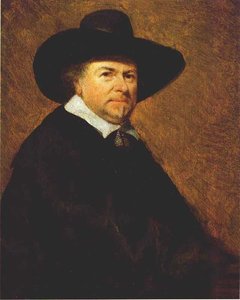
Jan Jozefszoon Van Goyen
1596 - 1656 , Holandija
Osnovne informacije
- Birth Date: 13. januar 1596.
- Birth Place: Lejden, Holandija
- Death Date: 27. april 1656.
- Influenced: Jan Stin
- Influenced By: Esajas van de Velde
- Movement: Slikarstvo holandskog zlatnog doba
- Name: Jan Josafson van Gojen
- Nationality: Holandski
- Notable Works:
- Rečni pejzaž sa vetrenjačom
- Ribari pored obale jezera
Povezani članci
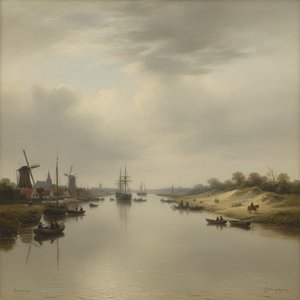
Jan van Goyen: Master of Dutch Landscape & Atmospheric Perspective
Discover Jan van Goyen, the master of Dutch landscape painting. Explore his subtle technique, atmospheric realism & lasting influence on art history. Learn about this 17th-century pioneer at ArtsDot.

Rembrandt van Rijn: 25 Majstorstava Svetla i Senke za Vaš Dom | ArtsDot
Uronite u svet Rembrandta van Rijna! Otkrijte 25 najlepših dela holandskog majstora – portrete, istorijske scene i biblijska platna. Kvalitetne reprodukcije slika za dekoraciju enterijera dostupne na ArtsDot.com.
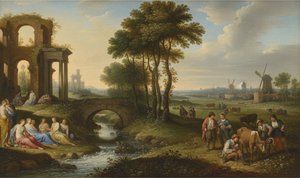
Cornelis van Poelenburch: Bridging Mannerism & the Dutch Baroque Landscape
Discover Cornelis van Poelenburch, a pivotal Dutch Baroque landscape painter bridging Mannerism & Italianate styles. Explore his life, key works, and lasting influence on 17th-century art with ArtsDot.
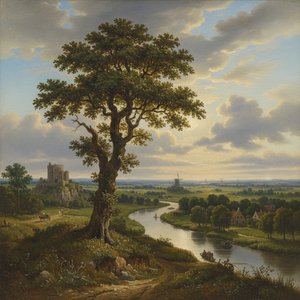
Jacob van Ruisdael: Master of Dutch Landscape & the Evocation of National Identity
Explore the life & work of Jacob van Ruisdael, the preeminent Dutch landscape painter. Discover his technical brilliance, symbolic depth, and lasting influence on art history. Learn about collecting Ruisdael's masterpieces.
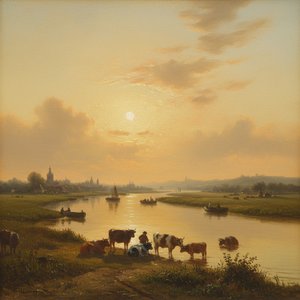
Aelbert Cuyp: Illuminating the Dutch Golden Age with Light & Landscape
Explore the luminous landscapes of Aelbert Cuyp, a master of the Dutch Golden Age. Discover his unique light, serene riverside scenes & lasting influence on art history. Learn more at ArtsDot.

