

 Pregledaj u prostoru
 Pošalji
 Podeli
 Detalji o delu

 Преузми
 Slični predmeti
 Rendgenski snimak
 Slajdovi
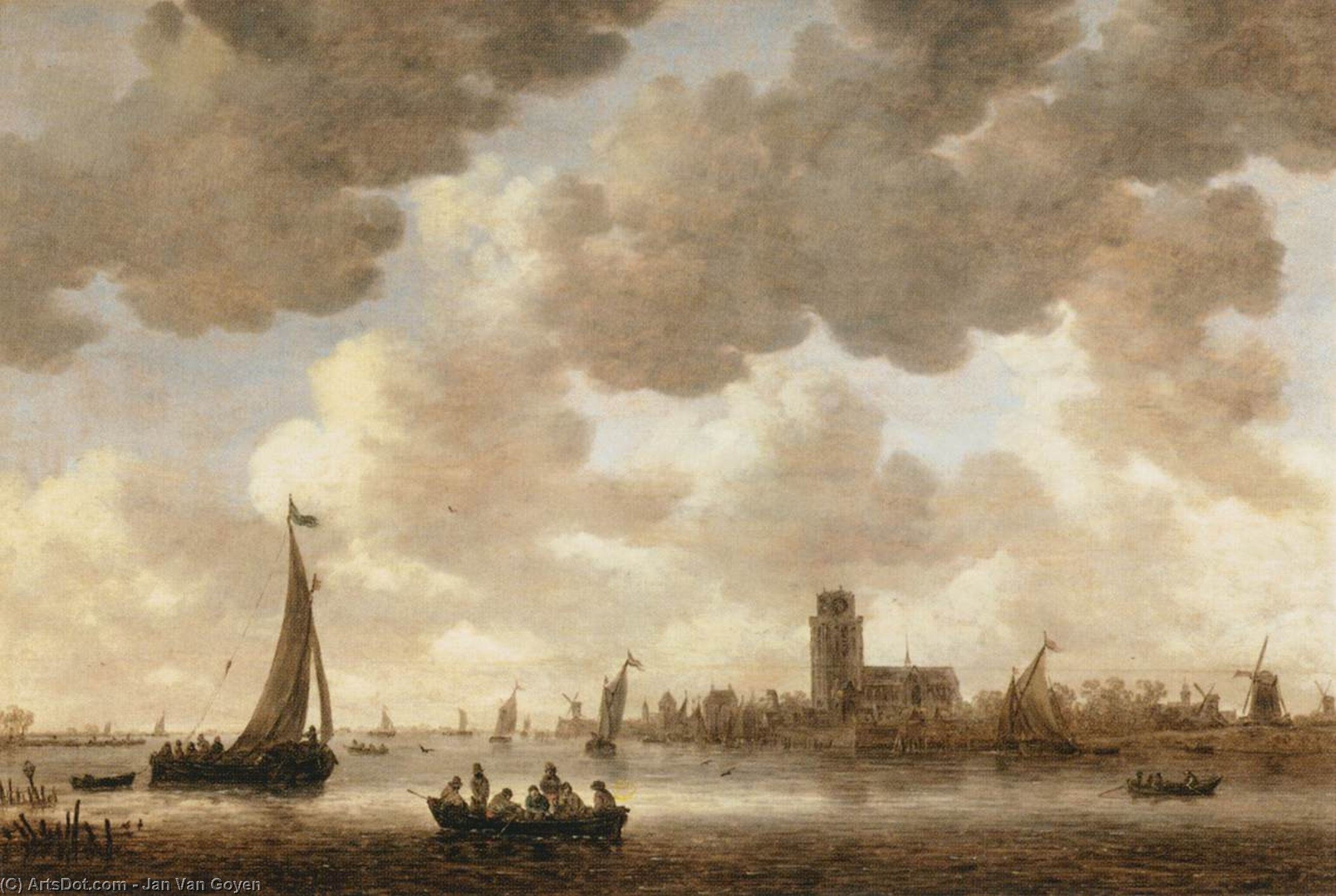
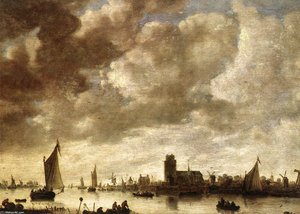
The Meuse at Dordrecht with the Groote Kerk
 Oil On Canvas
- WallArt
- Dutch Golden Age painting
 1647
1647 74.0 x 108.0 cm
 Louvre
 Pročitaj više
Giclee štampa / Umetnički otisak
Giclée štampa ili print na platnu muzejskog kvaliteta uz brzu proizvodnju i fleksibilne opcije završne obrade. ( Kupi ručno naslikanu sliku Kupi digitalnu sliku)




P118B $10

P118H $10

P118W $10

P438Z $10

P508JH $12

P508YH $12

P805H $10

P805Z $10

P919BZ $10

P919G $10

P919XJ $10

P959ZH $10

P968JZ $12

W106C $8

W218G $10

W218JH $8

W218Y $10

W307PJ $10

W316G $10

W316PJ $8

W316Y $10

W398PJ $8

W4111J $10

W500HY $15

W500JH $15

W692G $12

W849H $8

W940BG $15

W953PJ $8




Izaberite jednu od naših unapred definisanih veličina koje odgovaraju originalnim proporcijama umetničkog dela.

Možete uneti sopstvene dimenzije kako biste umetničko delo prilagodili specifičnom okviru ili prostoru. Ako odabrani format ne odgovara proporcijama originalne slike, mi ćemo ili iscrtati deo dela ili proširiti sliku pomoću ogledane ivice ili jednobojnog popunjavanja. Digitalni prikaz će vam biti poslat na odobrenje pre početka proizvodnje.
Imajte na umu da pregled na ekranu ne odražava stvarno iscrtavanje ili proširivanje. Samo će prikaz (mockup) precizno pokazati finalnu kompoziciju.
Iako su prilagođene dimenzije dostupne, preporučujemo da odaberete dimenziju sa unapred definisane liste kako biste očuvali originalne proporcije.
Dostava širom sveta () za 2 nedelje umesto uobičajenih 4/5 nedelja. (1 септембар)

Besplatna ekspresna dostava širom sveta

Visokokvalitetno laneno platno

Kompletno osiguranje transporta

Garancija povraćaja carine i uvoznih dažbina

Garancija vernosti boja

Politika povrata u roku od 60 dana (samo u slučaju nedostataka)

Garancija povrata novca od 100%

Popust pri grupnoj kupovini
 Opcija sa staklom dostupna je samo za dimenzije manje od 110 cm

The Meuse at Dordrecht with the Groote Kerk
Giclee štampa / Umetnički otisak
Dimenzije reprodukcije
-


Konačna cena
$ 62
A River’s Embrace: Jan van Goyen and the Essence of Dordrecht
Jan Josephszoon van Goyen, a name often whispered in the halls of Dutch art history, possessed a remarkable gift for capturing not just landscapes, but the very soul of his homeland. His painting, “The Meuse at Dordrecht with the Groote Kerk,” completed around 1647, is more than simply a depiction of a river scene; it’s an immersive experience, a moment frozen in time along the banks of the Meuse. The composition immediately draws the eye to the prominent Groote Kerk (Great Church), its imposing spire piercing the hazy sky – a landmark that anchors the entire view and speaks volumes about Dordrecht's civic pride and religious significance.
Van Goyen’s genius lay not in dramatic flourishes or vibrant colors, but in his masterful use of light and shadow, subtle tonal variations, and an almost meditative stillness. He eschewed the opulent detail favored by some contemporaries, instead opting for a more restrained approach, prioritizing atmosphere and mood. The palette is deliberately muted – grays, browns, and greens dominate – creating a sense of quiet contemplation and reflecting the cool, overcast skies typical of the Dutch climate. This deliberate restraint allows the eye to linger on the textures of the water, the weathered facades of the buildings, and the delicate interplay of light on the distant hills.
Dordrecht: A Crossroads of Commerce and Faith
To fully appreciate “The Meuse at Dordrecht,” one must understand the context in which it was created. Dordrecht, a strategically important port city situated at the confluence of several rivers, thrived as a bustling center for trade and commerce during the 17th century. The Groote Kerk, a magnificent Protestant church, stood as a testament to the city’s religious identity – a symbol of stability and civic order amidst the turbulent political landscape of the Dutch Republic. Van Goyen wasn't merely painting a pretty scene; he was capturing a vital artery of Dutch life, a place where commerce met faith, and where the rhythms of the river dictated the pace of daily existence.
The inclusion of several boats on the Meuse adds to the sense of activity and movement within the otherwise serene composition. These vessels – ranging from large barges to smaller rowboats – represent the economic heart of Dordrecht, highlighting its role as a key trading hub. The figures scattered along the riverbank further emphasize this human element, suggesting a community engaged in the everyday rituals of commerce and leisure.
The Language of Light: Van Goyen’s Technique
Van Goyen's technique is characterized by his meticulous attention to detail and his ability to render the effects of light with astonishing accuracy. He employed a layering method, building up thin washes of paint to create subtle gradations of tone and color. This approach allowed him to capture the shimmering reflections on the water’s surface, the diffused light filtering through the clouds, and the soft glow of the early morning sun. The artist's use of horizontal brushstrokes creates a sense of depth and perspective, drawing the viewer into the scene and inviting them to lose themselves in its tranquil beauty.
Notably, Van Goyen’s work is often described as “tonal,” meaning that he prioritized the manipulation of light and shadow over the use of bright colors. This technique created a sense of realism and atmosphere, evoking the feeling of being present at the scene – enveloped in the cool, damp air of a Dutch riverbank.
A Legacy of Serenity: Van Goyen’s Enduring Appeal
“The Meuse at Dordrecht with the Groote Kerk” is more than just a beautiful painting; it's a window into a bygone era. It offers a glimpse into the daily life, economic activity, and religious beliefs of 17th-century Dordrecht – a city that played a pivotal role in the development of Dutch art and culture. Van Goyen’s masterful technique and his ability to capture the essence of the Dutch landscape have ensured that his work continues to resonate with audiences today. It remains a powerful testament to the enduring appeal of simplicity, serenity, and the profound beauty of the natural world.
Srodna umetnička dela
Biografija umetnika
Jan Josephszoon van Goyen: Život utkan u pejzaž
Rani život i obuka
- Rođen 13. januara 1596. godine u Lajdenu, u Holandiji, Jan Josephszoon van Goyen istakao se kao ključna figura holandskog slikarstva zlatnog doba.
- Svoju prvu umetničku školu prošao je u Lajdenu, pre nego što je svoje znanje unapredio pod mentorstvom Esaiasa van de Velde u Harlemu. Ova temeljna obuka bila je presudna za njegov dalji umetnički razvoj.
Umetnički stil i razvoj
- Van Goyenov stil je odmah prepoznatljiv po svojoj jednostavnost, suptilnim tonalnim varijacijama i upotrebi ograničene palete – prvenstveno sivih, braon i zelenih tonova.
- Odbacio je tada popularne, raskošnije obojene i detaljne pejzaže, pionirski postavljajući temelje za realističniji i atmosferski pristup slikarstvu.
- Njegova rana dela pokazuju uticaj Van de Veldea, ali je ubrzo razvio sopstveni prepoznatljiv stil fokusiran na dočaravanje same suštine holandskog pejzaža.
Plodna umetnička karijera i značajna dela
- Van Goyen je bio neverovatno plodan umetnik, stvarajući procenjeno 1.200 slika i preko 1.000 crteža tokom svoje dugog puta.
- Među njegovim najznačajnijim delima nalaze se: Rečni pejzaž sa vetrenjačom, koji predstavlja vrhunski primer njegovih tonalnih pejzaža, kao i Ribari pored obale jezera, koji svedoči o njegovoj sposobnosti da prikaže mirne vodene predele.
- Učestalo je slikao scene reka, jezera, dina i prostranih neba, uspešno beležeći jedinstven karakter holandskog ruralnog predela.
Uticaji i nasleđe
- Iako je bio pod uticajem Van de Veldea, sam Van Goyenov rad postao je izuzetno uticajan za buduće generacije.
- Direktan uticaj ostavio je na umetnike kao što je Jan Steen, koji je bio jedan od njegovih učenika.
- Njegov naglasak na realizmu i atmosferskim efektima otvorio je put kasnijim pejzažnim slikarima.
Finansijske poteškoće i kasni život
- Uprkos svom umetničkom uspehu, Van Goyen se tokom celog života suočavao sa značajnim finansijskim problemima.
- Uključivao se u različite poslovne poduhvate, uključujući spekulaciju tulipanima (tokom čuvene „tulipmanije“) i investicije u nekretnine, ali se često nalazio duboko u dugovima.
- U vreme svoje smrti 27. aprila 1656. godine u Hagu, navodno je bio u dugovima od 18.000 guldena.
Istorijski značaj
- Van Goyenov rad smatra se kamenom temeljcem holandskog slikarstva zlatnog doba i značajnim doprinosom razvoju umetnosti pejzaža.
- On je uspešno dočarao duh Holandije 17. veka, odražavajući njeno rastuće prosperitet i neraskidivu vezu sa zemljom.
- Njegove inovativne tehnike i realistični prikazi nastavljaju da inspirišu umetnike i očaravaju publiku i danas.
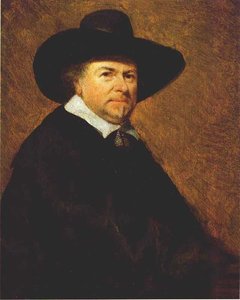
Jan Jozefszoon Van Goyen
1596 - 1656 , Holandija
Osnovne informacije
- Birth Date: 13. januar 1596.
- Birth Place: Lejden, Holandija
- Death Date: 27. april 1656.
- Influenced: Jan Stin
- Influenced By: Esajas van de Velde
- Movement: Slikarstvo holandskog zlatnog doba
- Name: Jan Josafson van Gojen
- Nationality: Holandski
- Notable Works:
- Rečni pejzaž sa vetrenjačom
- Ribari pored obale jezera
Povezani članci
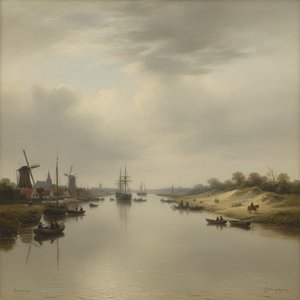
Jan van Goyen: Master of Dutch Landscape & Atmospheric Perspective
Discover Jan van Goyen, the master of Dutch landscape painting. Explore his subtle technique, atmospheric realism & lasting influence on art history. Learn about this 17th-century pioneer at ArtsDot.

Rembrandt van Rijn: 25 Majstorstava Svetla i Senke za Vaš Dom | ArtsDot
Uronite u svet Rembrandta van Rijna! Otkrijte 25 najlepših dela holandskog majstora – portrete, istorijske scene i biblijska platna. Kvalitetne reprodukcije slika za dekoraciju enterijera dostupne na ArtsDot.com.
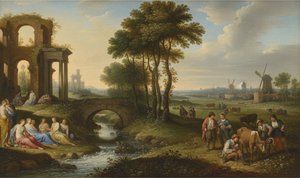
Cornelis van Poelenburch: Bridging Mannerism & the Dutch Baroque Landscape
Discover Cornelis van Poelenburch, a pivotal Dutch Baroque landscape painter bridging Mannerism & Italianate styles. Explore his life, key works, and lasting influence on 17th-century art with ArtsDot.
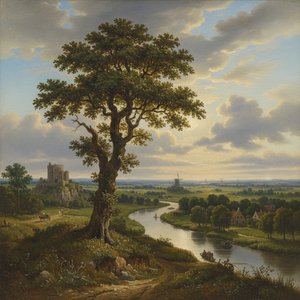
Jacob van Ruisdael: Master of Dutch Landscape & the Evocation of National Identity
Explore the life & work of Jacob van Ruisdael, the preeminent Dutch landscape painter. Discover his technical brilliance, symbolic depth, and lasting influence on art history. Learn about collecting Ruisdael's masterpieces.
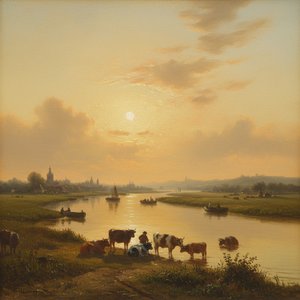
Aelbert Cuyp: Illuminating the Dutch Golden Age with Light & Landscape
Explore the luminous landscapes of Aelbert Cuyp, a master of the Dutch Golden Age. Discover his unique light, serene riverside scenes & lasting influence on art history. Learn more at ArtsDot.

