

 Pregledaj u prostoru
 Pošalji
 Podeli
 Detalji o delu

 Преузми
 Slični predmeti
 Rendgenski snimak
 Slajdovi
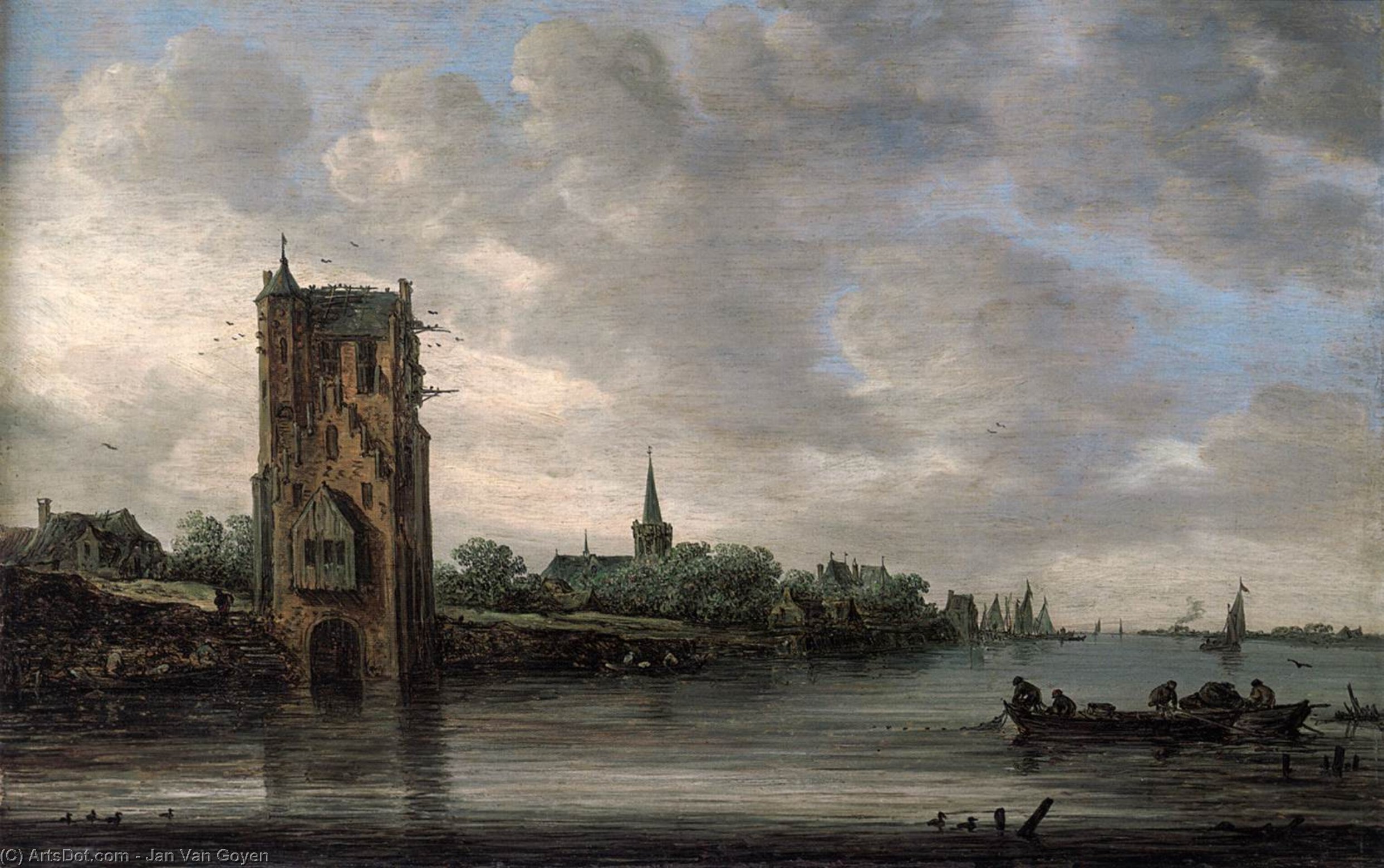
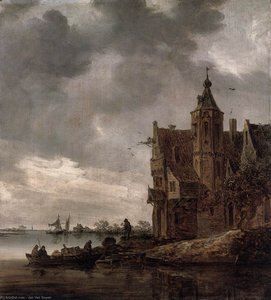
The Pelkus Gate near Utrecht
 Dutch Golden Age
 1646
1646 37.0 x 57.0 cm
 Metropolitan Museum of Art
 Pročitaj više
Kupite digitalnu sliku visoke rezolucije i poboljšanog kvaliteta, koja je znatno superiornija od onoga što vidite u online prikazu.
Svaka datoteka je pedantno pripremljena od strane naših stručnjaka koristeći napredne alate i profesionalnu ručnu retušu. Osiguravamo da svaka slika ima izuzetnu oštrinu, preciznu reprodukciju boja i fine detalje.
Konačna datoteka se dostavlja putem e-pošte u roku od 72 sata, optimizovana za neposrednu upotrebu u profesionalnim, izdavačkim i štamparskim okruženjima. To je isti kvalitet kojem veruju vrhunski studiji dizajna, izdavači i galerije.
Digitalna slika
Preuzmite datoteku visoke rezolucije za ličnu upotrebu, štampanje i kreativne projekte. ( Kupi print Kupi ručno naslikanu sliku)
Uključeno uz svaku porudžbinu digitalne slike
Profesionalna digitalna isporuka, zagarantovana
Kada odaberete ArtsDot.com, ne dobijate samo sliku – vi primate profesionalno unapređeno digitalno umetničko delo, izrađeno sa najvećom preciznošću i uz garanciju zadovoljstva. Evo svega što automatski dolazi uz vašu porudžbinu:

Brza dostava putem e-pošte
Vaša digitalna slika visoke rezolucije biće vam poslata putem e-pošte u roku od 72 sata od poručivanja – spremna za trenutnu upotrebu.

Digitalna datoteka unapređena veštačkom inteligencijom
Vaše umetničko delo je profesionalno optimizovano korišćenjem naprednih AI alata i ručne obrade, čime se osiguravaju maksimalni detalji, oštrina i preciznost boja.

Besplatna ponovna isporuka doživotno
Slučajno ste obrisali ili izgubili svoju datoteku? Ne brinite – poslaćemo vam je ponovo u bilo kom trenutku, potpuno besplatno.

Bez troškova uvoza – zauvek
Uživajte u svojim umetničkim delima trenutno, bez carine, dažbina ili troškova dostave – digitalni download je uvek bez poreza.

Garancija vernosti boja
Uz pomoć profesionalnih alata i upravljanja bojama, osiguravamo da vaša digitalna slika što vernije odražava originalne boje.

Garancija zadovoljstva u roku od 60 dana
Ako niste zadovoljni svojom digitalnom slikom, revidirat ćemo je ili vratiti 100% novca u roku od 60 dana – bez ikakvih pitanja.

100% garancija povrata novca
Niste zadovoljni? Obezbedite pun povrat novca u roku od 60 dana od trenutka kada ste primili svoju digitalnu datoteku – bez suvišnih pitanja.

Popusti na velike porudžbine
Kupite 3 slike, uštedite 10% - Kupite 5 slika, uštedite 15% - Kupite 10+ slika, uštedite 20%. Odlično za kreativne projekte, galerije i agencije.
Opis kolekcionarskog dela
A Dutch Master’s Vision of Utrecht: The Pelkus Gate by Jan van Goyen
Jan van Goyen's "The Pelkus Gate near Utrecht," painted in 1646, isn’t merely a depiction of a riverside scene; it’s a carefully constructed meditation on the relationship between man and nature, a subtle exploration of civic pride, and a testament to the artist’s mastery of atmospheric perspective. This captivating work, now residing within the Metropolitan Museum of Art, offers a glimpse into 17th-century Dutch life and reveals Van Goyen's unique approach to landscape painting – one characterized by quiet observation, understated emotion, and an almost palpable sense of stillness.
The subject itself—the Pelkus Gate—holds a fascinating historical weight. This freestanding tower, once a prominent landmark on the Vecht River near Utrecht, served as a crucial point for regulating traffic and managing the waterway’s flow. However, by the 18th century, it had vanished, leaving behind only this evocative painting as a reminder of its existence. Van Goyen, rather than striving for photographic accuracy, skillfully reimagined the gate within a broader landscape, transforming it into a symbol of Utrecht's enduring connection to the river and its rich history. The artist’s decision to invent the surrounding elements—the boats, the figures along the waterfront, the distant buildings—demonstrates his artistic license and his ability to imbue a historical subject with an entirely new layer of meaning.
The Language of Light and Shadow: Van Goyen's Technique
Van Goyen’s signature style is immediately recognizable through his masterful manipulation of light and shadow. He eschewed the vibrant, detailed landscapes favored by some of his contemporaries, opting instead for a more restrained palette dominated by grays, browns, and subtle greens—colors that perfectly capture the muted tones of the Dutch countryside. This deliberate choice creates an atmosphere of quiet contemplation, inviting the viewer to lose themselves in the scene’s serene beauty.
The artist employs a technique known as “sfumato,” borrowing from Leonardo da Vinci's approach, using soft, hazy edges to blur details and create a sense of atmospheric depth. Notice how the distant buildings seem to dissolve into the mist, while the foreground elements retain a sharper focus. Van Goyen’s use of thin glazes—multiple layers of translucent paint applied over each other—allows light to penetrate through the surface, creating a luminous quality that is both captivating and remarkably realistic. The subtle variations in tone – from the darkest shadows beneath the boats to the bright highlights reflecting off the water – contribute significantly to the painting’s overall sense of depth and realism.
Symbolism and Emotional Resonance
Beyond its technical brilliance, “The Pelkus Gate” is rich in symbolic meaning. The river itself represents life's flow—its constant movement and inevitable passage of time. The gate, though vanished, symbolizes Utrecht’s resilience and enduring spirit. The figures along the waterfront – engaged in everyday activities – represent the vitality and prosperity of the city. The painting isn’t simply a record of a place; it’s an affirmation of its identity.
Furthermore, the scene evokes a profound sense of tranquility and nostalgia. Van Goyen captures a fleeting moment in time—a quiet afternoon on the river—that invites the viewer to pause and reflect. The painting's muted colors and subtle details create a mood of peaceful contemplation, suggesting a connection between humanity and nature that transcends the boundaries of time and place. It’s a scene that speaks to the enduring beauty of the Dutch landscape and the importance of preserving its cultural heritage.
A Timeless Masterpiece for Collectors and Designers
"The Pelkus Gate near Utrecht" is more than just a beautiful painting; it's a significant work of art history. Its masterful technique, evocative symbolism, and enduring emotional resonance make it a timeless treasure. Reproductions offer an accessible way to bring this remarkable scene into your home or office, allowing you to appreciate Van Goyen’s genius for years to come. Consider framing the artwork in a classic wooden frame to complement its historical aesthetic, or opt for a sleek, modern design to create a contemporary statement. Whether as a centerpiece in a formal living room or a calming addition to a study, this painting will undoubtedly enrich your surroundings and inspire contemplation.
Srodna umetnička dela
Biografija umetnika
Jan Josephszoon van Goyen: Život utkan u pejzaž
Rani život i obuka
- Rođen 13. januara 1596. godine u Lajdenu, u Holandiji, Jan Josephszoon van Goyen istakao se kao ključna figura holandskog slikarstva zlatnog doba.
- Svoju prvu umetničku školu prošao je u Lajdenu, pre nego što je svoje znanje unapredio pod mentorstvom Esaiasa van de Velde u Harlemu. Ova temeljna obuka bila je presudna za njegov dalji umetnički razvoj.
Umetnički stil i razvoj
- Van Goyenov stil je odmah prepoznatljiv po svojoj jednostavnost, suptilnim tonalnim varijacijama i upotrebi ograničene palete – prvenstveno sivih, braon i zelenih tonova.
- Odbacio je tada popularne, raskošnije obojene i detaljne pejzaže, pionirski postavljajući temelje za realističniji i atmosferski pristup slikarstvu.
- Njegova rana dela pokazuju uticaj Van de Veldea, ali je ubrzo razvio sopstveni prepoznatljiv stil fokusiran na dočaravanje same suštine holandskog pejzaža.
Plodna umetnička karijera i značajna dela
- Van Goyen je bio neverovatno plodan umetnik, stvarajući procenjeno 1.200 slika i preko 1.000 crteža tokom svoje dugog puta.
- Među njegovim najznačajnijim delima nalaze se: Rečni pejzaž sa vetrenjačom, koji predstavlja vrhunski primer njegovih tonalnih pejzaža, kao i Ribari pored obale jezera, koji svedoči o njegovoj sposobnosti da prikaže mirne vodene predele.
- Učestalo je slikao scene reka, jezera, dina i prostranih neba, uspešno beležeći jedinstven karakter holandskog ruralnog predela.
Uticaji i nasleđe
- Iako je bio pod uticajem Van de Veldea, sam Van Goyenov rad postao je izuzetno uticajan za buduće generacije.
- Direktan uticaj ostavio je na umetnike kao što je Jan Steen, koji je bio jedan od njegovih učenika.
- Njegov naglasak na realizmu i atmosferskim efektima otvorio je put kasnijim pejzažnim slikarima.
Finansijske poteškoće i kasni život
- Uprkos svom umetničkom uspehu, Van Goyen se tokom celog života suočavao sa značajnim finansijskim problemima.
- Uključivao se u različite poslovne poduhvate, uključujući spekulaciju tulipanima (tokom čuvene „tulipmanije“) i investicije u nekretnine, ali se često nalazio duboko u dugovima.
- U vreme svoje smrti 27. aprila 1656. godine u Hagu, navodno je bio u dugovima od 18.000 guldena.
Istorijski značaj
- Van Goyenov rad smatra se kamenom temeljcem holandskog slikarstva zlatnog doba i značajnim doprinosom razvoju umetnosti pejzaža.
- On je uspešno dočarao duh Holandije 17. veka, odražavajući njeno rastuće prosperitet i neraskidivu vezu sa zemljom.
- Njegove inovativne tehnike i realistični prikazi nastavljaju da inspirišu umetnike i očaravaju publiku i danas.
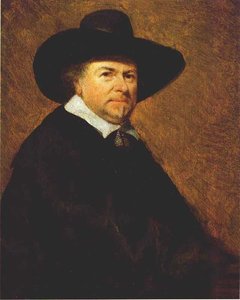
Jan Jozefszoon Van Goyen
1596 - 1656 , Holandija
Kratke činjenice
- Birth Date: 13. januar 1596.
- Birth Place: Lejden, Holandija
- Death Date: 27. april 1656.
- Influenced: Jan Stin
- Influenced By: Esajas van de Velde
- Movement: Slikarstvo holandskog zlatnog doba
- Name: Jan Josafson van Gojen
- Nationality: Holandski
- Notable Works:
- Rečni pejzaž sa vetrenjačom
- Ribari pored obale jezera

