


 Pregledaj u prostoru
 Pošalji
 Podeli
 Detalji o delu

 Преузми
 Slični predmeti
 Rendgenski snimak
 Slajdovi
December, with the Sign of Capricorn, Jan Kamphuijsen, 1790 - 1791
 Romanticism
 1791
1791 335.0 x 30.0 cm
 Pročitaj više
Ručno rađena uljana reprodukcija
Ručno oslikano uljanim bojama na platnu u dimenzijama i okviru po vašem izboru, izrađeno po porudžbini od strane naših umetnika. ( Kupi print Kupi digitalnu sliku)




P118B $10

P118H $10

P118W $10

P438Z $10

P508JH $12

P508YH $12

P805H $10

P805Z $10

P919BZ $10

P919G $10

P919XJ $10

P959ZH $10

P968JZ $12

W106C $8

W218G $10

W218JH $8

W218Y $10

W307PJ $10

W316G $10

W316PJ $8

W316Y $10

W398PJ $8

W4111J $10

W500HY $15

W500JH $15

W692G $12

W849H $8

W940BG $15

W953PJ $8




Izaberite jednu od naših unapred definisanih veličina koje odgovaraju originalnim proporcijama umetničkog dela.

Можете унети сопствене димензије како бисте прилагодили дело одређеном оквиру или простору. Ако одабрана величина не одговара пропорцијама оригинала, слика ће бити исечена или проширена додатним елементима који се ручно насликавају. Дигитални prikaz ће вам бити послат на одобрење пре почетка производње.
Имајте на уму да преглед на екрану не одражава стварно исецање или проширење. Само приказ (mockup) ће тачно приказати коначну композицију.
Иако су доступне прилагођене величине, препоручујемо да одаберете димензију из дефинисане листе како бисте сачували оригиналне пропорције.
Nakon narudžbine, tim ArtsDot.com će klijentu putem e-pošte poslati uputstva i dostaviti prikaz predloženog rešenja
Isporuka širom sveta () za 3/4 nedelje umesto uobičajenih 5 nedelja. (4 септембар). Bez kompromisa po pitanju kvaliteta.

Besplatna ekspresna dostava širom sveta

Visokokvalitetno laneno platno

Kompletno osiguranje transporta

Garancija povraćaja carine i uvoznih dažbina

Garancija vernosti boja

Politika povrata u roku od 60 dana (samo u slučaju nedostataka)

Garancija povrata novca od 100%

Popust pri grupnoj kupovini
 Opcija sa staklom dostupna je samo za dimenzije manje od 110 cm

December, with the Sign of Capricorn, Jan Kamphuijsen, 1790 - 1791
Tehnika reprodukcije
Dimenzije reprodukcije
-


Konačna cena
$ 263
Srodna umetnička dela

Biografija umetnika
A Life Immersed in Light: Jan Kamphuijsen and the Serene Interiors of Dutch Art
Jan Kamphuijsen, a name perhaps less immediately recognizable than some of his contemporaries, nevertheless occupies a fascinating niche within the landscape of 18th and early 19th-century Dutch painting. Born in Amsterdam in 1760, he lived through a period of significant societal upheaval – the waning years of the Dutch Golden Age’s influence, the French occupation, and the subsequent establishment of the Kingdom of the Netherlands. His life, though relatively well-documented, reveals an artist deeply connected to his surroundings, translating the elegance of domestic life and allegorical narratives onto canvas with a distinctive sensitivity. Kamphuijsen wasn't merely recording scenes; he was crafting atmospheres, imbued with a quiet theatricality that speaks volumes about the cultural values of his time. He began his artistic journey as a pupil of Pieter Barbiers, a theatre decorator, an apprenticeship that would profoundly shape his approach to composition and perspective. This early training instilled in him a keen eye for detail and a talent for creating convincing illusions of space – skills he later applied not just to interior decorations but also to his landscapes and allegorical works.From Stagecraft to Canvas: The Development of a Unique Style
The influence of Barbiers is crucial to understanding Kamphuijsen’s artistic development. Theatre decoration demanded a mastery of illusionism, the ability to create believable environments within confined spaces. This focus on creating convincing depth and atmosphere carried over into his paintings. While he initially worked extensively in interior design – adorning the homes of Amsterdam's burgeoning merchant class with decorative panels and murals – Kamphuijsen gradually transitioned towards easel painting. His early works often feature meticulously rendered interiors, populated by figures engaged in everyday activities. These scenes are not grand historical narratives but rather intimate glimpses into domestic life, characterized by a soft, diffused light and a sense of peaceful tranquility. As his career progressed, he began to incorporate more allegorical elements into his compositions, reflecting the political and cultural shifts occurring around him. He wasn’t a painter of dramatic action; instead, he favored subtle symbolism and nuanced narratives that invited contemplation rather than immediate interpretation.Allegory and Landscape: Major Themes in Kamphuijsen's Oeuvre
Kamphuijsen’s artistic output can be broadly divided into three main categories: interior decorations, landscapes, and historical allegories. The interiors are notable for their refined elegance and attention to detail, showcasing the comfortable lives of Amsterdam’s middle class. His landscapes, while less numerous, demonstrate a sensitivity to light and atmosphere reminiscent of Dutch Golden Age masters like Jan van Goyen. However, it is his allegorical paintings that truly set him apart. These works often served as visual commentaries on contemporary events or celebrated specific virtues and ideals. A particularly striking example is *Allegory on the Unification of the Netherlandish Schools of Painting and the Return of Works of Art under the rule of King William I* (1817), a complex composition that reflects the national pride following the restoration of Dutch independence. His series depicting the months, such as *December, with the Sign of Capricorn*, are particularly charming, offering serene depictions of mother-child relationships within beautifully rendered domestic settings. These paintings weren’t simply decorative; they were imbued with symbolic meaning, reflecting a broader cultural fascination with astrology and the cyclical nature of time.A Legacy of Serenity: Kamphuijsen's Place in Dutch Art History
Jan Kamphuijsen died in Amsterdam in 1841, leaving behind a body of work that, while not vast, is nonetheless significant for its unique blend of theatricality and tranquility. He wasn’t a revolutionary artist; he didn’t seek to overturn established conventions or challenge prevailing artistic norms. Instead, he refined existing traditions, imbuing them with his own distinctive sensibility. His paintings offer a valuable glimpse into the lives and values of 18th and early 19th-century Dutch society, capturing the elegance of domestic life and the subtle nuances of allegorical narratives.- Key Characteristics: Meticulous detail, soft lighting, serene atmosphere, theatrical compositions.
- Influences: Pieter Barbiers (theatre decoration), Dutch Golden Age landscape painting.
- Major Themes: Interior scenes, landscapes, historical allegories, symbolism of the months and zodiac signs.
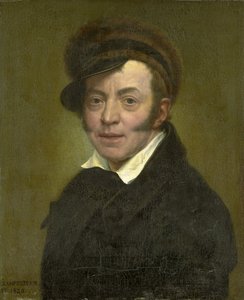
jan kamphuijsen
1760 - 1841 , Netherlands
Osnovne informacije
- Artistic Movement Or Style: Landscape, Allegorical
- Artists Who Influenced This Artist: ['Pieter Barbiers']
- Date Of Birth: 1760
- Date Of Death: 1841
- Full Name: Jan Kamphuijsen
- Nationality: Dutch
- Notable Artworks:
- December with Capricorn
- Self-Portrait
- July with the sign of Leo
- Place Of Birth: Amsterdam, Netherlands
Povezani članci
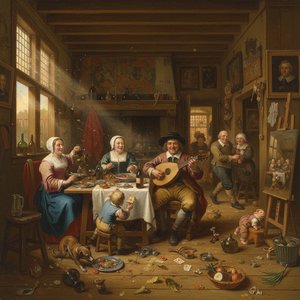
Jan Steen: A Master of Dutch Genre Painting & the Golden Age
Explore the life & art of Jan Steen, a leading Dutch Golden Age painter renowned for his humorous genre scenes & insightful social commentary. Discover his techniques, legacy, and collecting tips.

Oil on Canvas: A Historical & Technical Exploration of a Timeless Artistic Medium
Explore the rich history & enduring techniques of oil painting on canvas. Discover the science behind its longevity, conservation practices, and contemporary relevance. Expert insights for art enthusiasts.
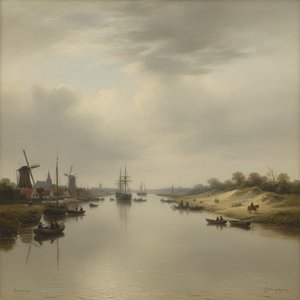
Jan van Goyen: Master of Dutch Landscape & Atmospheric Perspective
Discover Jan van Goyen, the master of Dutch landscape painting. Explore his subtle technique, atmospheric realism & lasting influence on art history. Learn about this 17th-century pioneer at ArtsDot.

The Enduring Legacy of Oil on Canvas: Technique, History & Aesthetic Impact
Explore the rich history & techniques of oil painting – from Renaissance masters to Impressionism. Discover pigments, layering methods, and why this timeless medium endures. Expert insights for artists & art enthusiasts.

The Enduring Power of Painting: A Historical & Contemporary Exploration of Form and Emotion
Explore the rich history & enduring techniques of oil painting with ArtsDot. Discover masterpieces, learn about art collecting, and find authentic handmade reproductions crafted by skilled artists.

