

 Pregledaj u prostoru
 Pošalji
 Podeli
 Detalji o delu

 Преузми
 Slični predmeti
 Rendgenski snimak
 Slajdovi
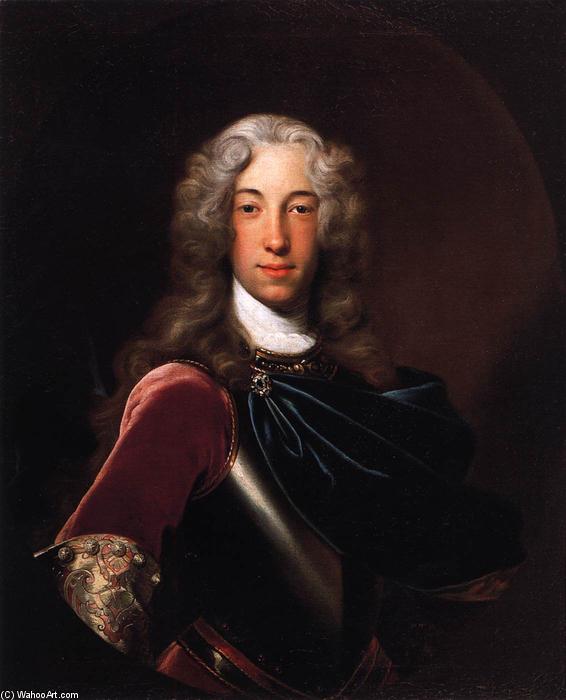
Portrait of Adam Philipp, Count Losy von Losymthal
 Oil On Canvas
- WallArt
- Baroque Portraiture
 1723
1723 94.0 x 76.0 cm
 Academy of Fine Arts Vienna
 Pročitaj više
Ručno rađena uljana reprodukcija
Ručno oslikano uljanim bojama na platnu u dimenzijama i okviru po vašem izboru, izrađeno po porudžbini od strane naših umetnika. ( Kupi print Kupi digitalnu sliku)




P118B $10

P118H $10

P118W $10

P438Z $10

P508JH $12

P508YH $12

P805H $10

P805Z $10

P919BZ $10

P919G $10

P919XJ $10

P959ZH $10

P968JZ $12

W106C $8

W218G $10

W218JH $8

W218Y $10

W307PJ $10

W316G $10

W316PJ $8

W316Y $10

W398PJ $8

W4111J $10

W500HY $15

W500JH $15

W692G $12

W849H $8

W940BG $15

W953PJ $8




Izaberite jednu od naših unapred definisanih veličina koje odgovaraju originalnim proporcijama umetničkog dela.

Можете унети сопствене димензије како бисте прилагодили дело одређеном оквиру или простору. Ако одабрана величина не одговара пропорцијама оригинала, слика ће бити исечена или проширена додатним елементима који се ручно насликавају. Дигитални prikaz ће вам бити послат на одобрење пре почетка производње.
Имајте на уму да преглед на екрану не одражава стварно исецање или проширење. Само приказ (mockup) ће тачно приказати коначну композицију.
Иако су доступне прилагођене величине, препоручујемо да одаберете димензију из дефинисане листе како бисте сачували оригиналне пропорције.
Nakon narudžbine, tim ArtsDot.com će klijentu putem e-pošte poslati uputstva i dostaviti prikaz predloženog rešenja
Isporuka širom sveta () za 3/4 nedelje umesto uobičajenih 5 nedelja. (29 август). Bez kompromisa po pitanju kvaliteta.

Besplatna ekspresna dostava širom sveta

Visokokvalitetno laneno platno

Kompletno osiguranje transporta

Garancija povraćaja carine i uvoznih dažbina

Garancija vernosti boja

Politika povrata u roku od 60 dana (samo u slučaju nedostataka)

Garancija povrata novca od 100%

Popust pri grupnoj kupovini
 Opcija sa staklom dostupna je samo za dimenzije manje od 110 cm

Portrait of Adam Philipp, Count Losy von Losymthal
Tehnika reprodukcije
Dimenzije reprodukcije
-


Konačna cena
$ 263
Portrait of Adam Philipp, Count Losy von Losymthal: A Window into Baroque Nobility
- Jan Kupecky’s “Portrait of Adam Philipp, Count Losy von Losymthal,” painted in 1723, is more than just a likeness; it's a meticulously crafted window into the opulent world of 18th-century European aristocracy. Created during the height of the Baroque period, this oil on canvas work showcases the artist’s exceptional skill in capturing not only physical appearance but also the inherent dignity and social standing of its subject – Count Adam Philipp Losy von Losymthal.
- The painting immediately draws the eye to the count's commanding presence. Dressed in a formal blue sash and holding a sword, symbols of his noble status, he sits with an air of quiet authority. The deliberate pose, with his hand resting on the table, exudes confidence and control – qualities highly valued within the aristocratic circles Kupecky frequently depicted.
- Kupecky’s mastery lies in his ability to translate Baroque ideals into a tangible form. Notice the rich textures of the fabrics, the subtle play of light and shadow that models the count's face, and the carefully considered composition. The dark background, punctuated by the vibrant red frame, serves not merely as an aesthetic element but strategically directs the viewer’s gaze towards the central figure, amplifying his importance.
The Artist: Jan Kupecky – A Slovakian Baroque Pioneer
- Born in Pezinok, Slovakia, in 1667, Jan Kupecky navigated a turbulent period of European history. His artistic journey spanned across multiple countries—from his roots within the Czech Brethren community to Hungary, Vienna, Italy, and finally Nuremberg – reflecting a life dedicated to both religious freedom and artistic pursuit.
- Kupecky’s training undoubtedly benefited from the prevailing Baroque style, yet he developed a distinct voice. His portraits are characterized by a harmonious blend of realism and idealized beauty, a hallmark of his unique approach. He was renowned for his ability to capture not just physical features but also the personality and social standing of his subjects – a skill that cemented his reputation as an ‘eloquent portraitist’.
- The fact that Kupecky spent considerable time in Vienna is particularly significant, given the city's role as a major artistic center during this era. His exposure to Viennese courtly traditions undoubtedly influenced his style and subject matter, contributing to the refined elegance of his work.
Technique and Materials: A Baroque Masterpiece
- “Portrait of Adam Philipp, Count Losy von Losymthal” is executed in oil on canvas, a technique favored by Kupecky for its ability to achieve rich colors, subtle gradations of tone, and remarkable detail. The artist’s meticulous brushwork is evident in the rendering of the count's clothing – particularly the intricate embroidery and lace—and the texture of his hair.
- The use of chiaroscuro, a technique employing strong contrasts between light and dark, further enhances the drama and three-dimensionality of the portrait. This stylistic choice was characteristic of the Baroque period, emphasizing emotional impact and creating a sense of depth within the composition.
- The painting’s dimensions – 94 x 76 cm – are perfectly suited to showcase Kupecky's skill and attention to detail, allowing for a nuanced portrayal of the count’s features and attire. The inclusion of the red frame adds another layer of visual interest, further emphasizing the subject within the artwork.
Symbolism and Emotional Impact
- Beyond its technical brilliance, the portrait is laden with symbolic meaning. The sword represents power and authority, while the blue sash signifies nobility and allegiance. The count’s direct gaze engages the viewer, creating a sense of intimacy and inviting contemplation.
- The overall effect is one of dignified composure and restrained elegance – qualities highly valued in aristocratic society during the 18th century. Kupecky successfully captures not just the outward appearance of Count Losy von Losymthal but also his inner character, projecting an image of strength, intelligence, and social grace.
- This painting serves as a powerful reminder of the enduring appeal of portraiture as a means of preserving identity, celebrating status, and capturing the essence of human personality. A high-quality reproduction allows us to appreciate Kupecky’s artistry and gain insight into the lives of those who shaped European history.
Srodna umetnička dela





Biografija umetnika
Jan Kupecky: The Eloquent Portraitist of Baroque Slovakia
Jan Kupecky (1667-1740), a name perhaps less familiar than some of his contemporaries, nevertheless stands as a significant figure in the history of Slovak and European art. Born in Pezinok, a town near Pressburg (Bratislava) in 1667, Kupecky’s life was one of constant movement and adaptation, shaped by religious upheaval and artistic ambition. His journey took him from the Czech Brethren roots of his family through Hungary, Vienna, Italy, and finally to Nuremberg, leaving behind a legacy of refined portraits that capture the elegance and social dynamics of the 18th century. Kupecky’s work is characterized by a masterful blend of realism and idealized beauty, reflecting both the Baroque traditions he embraced and his own distinctive artistic sensibility.Early Life and Artistic Training
Kupecký's origins were deeply intertwined with religious persecution. As a member of the Protestant Czech Brethren community, his family sought refuge in Royal Hungary from Catholic authorities. This early experience undoubtedly instilled within him a sense of resilience and perhaps a subtle awareness of social constraints – qualities that would later inform his portraits. His artistic training began under the tutelage of Benedict Klaus, a Swiss painter active in both Vienna and Hungary, providing him with a foundational understanding of Baroque techniques. Crucially, Kupecký’s ambition led him to Italy, where he spent approximately twenty years immersed in the vibrant art scene of Rome and Venice. This period proved transformative, exposing him to the innovations of Caravaggio, Reni, and other masters, influencing his dramatic use of light, composition, and psychological insight. He returned to Vienna in 1709, a seasoned artist ready to establish himself as a prominent portraitist within the Habsburg court.Vienna: Court Painter and Artistic Flourishing
Kupecký’s arrival in Vienna marked a period of intense artistic activity and considerable success. He quickly gained recognition for his ability to capture the personalities and social standing of his subjects – from members of the royal family, like Prince Eugene of Savoy, to wealthy aristocrats and prominent scholars. His portraits were not merely likenesses; they were carefully constructed narratives, revealing character through gesture, expression, and attire. The demand for his services was substantial, leading him to travel extensively throughout Central Europe, undertaking commissions in Hungary, Poland, and beyond. Notably, he even painted a portrait of Peter the Great, reflecting the international significance of Vienna as a cultural hub. Despite his success, Kupecký remained somewhat detached from Viennese society, maintaining a reserved demeanor and adhering to his Protestant faith – a characteristic that Füssli, a fellow artist, noted as setting him apart.Key Works and Artistic Style
Kupecky’s oeuvre is distinguished by several key elements. His portraits are characterized by a remarkable attention to detail, from the texture of fabrics to the subtle nuances of facial expression. He employed dramatic lighting techniques reminiscent of Caravaggio, creating strong contrasts between light and shadow that heightened the emotional impact of his compositions. His use of color was restrained yet sophisticated, favoring rich jewel tones and muted earth tones to create a sense of elegance and refinement. The artist’s family portraits are particularly noteworthy, offering intimate glimpses into the lives of his own kin – including his wife and son, depicted in “The Artist with his Wife and Son,” a work that exemplifies his ability to convey both familial affection and artistic skill. Other notable works include "Young Man with a Violin" and "Portrait of a Young Woman," showcasing his mastery of capturing youthful beauty and conveying inner character.Legacy and Historical Significance
Jan Kupecky’s influence extended far beyond his lifetime. His portraits were widely circulated through engravings, ensuring their accessibility to a broader audience. Bernhard Vogel produced numerous prints based on Kupecký's paintings, contributing significantly to the artist’s fame. Today, his works are housed in prestigious collections across Europe, including Bratislava City Gallery, which holds the most comprehensive collection of prints after his paintings. Kupecky represents a crucial link between the Baroque and Rococo periods, embodying the elegance and social consciousness that defined 18th-century portraiture. He stands as a testament to the artistic talent nurtured within Slovakia and a significant contributor to the rich tapestry of European art history. His legacy continues to be appreciated for his technical skill, psychological insight, and ability to capture the essence of his subjects – making him a truly remarkable artist.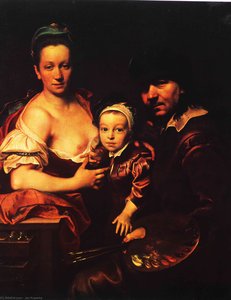
jan kupecky
1667 - 1740 , Slovakia
Osnovne informacije
- Artistic Movement Or Style: Baroque portraiture
- Artists Or Movements Influenced By This Artist:
- Caravaggio
- Reni
- Rembrandt
- Artists Who Influenced This Artist: ['Benedikt Klaus']
- Date Of Birth: 1667 Pezinok
- Date Of Death: 1740 Nuremberg
- Full Name: Jan Kupecký
- Nationality: Slovakian
- Notable Artworks:
- Self-portrait with Portrait of his Wife
- Young Man with a Violin
- Portrait of a young woman
- Place Of Birth: Pezinok, Slovakia
Povezani članci

The Enduring Power of Painting: A Historical & Contemporary Exploration of Form and Emotion
Explore the rich history & enduring techniques of oil painting with ArtsDot. Discover masterpieces, learn about art collecting, and find authentic handmade reproductions crafted by skilled artists.

Барокна драма: Уношење величине и емоција у савремене ентеријере
Откријте барокну драму и унесите величину у ваш ентеријер! ArtsDot нуди ручно насликане репродукције, персонализоване портрете и стручне консултације за љубитеље класичне уметности. Потражите савршено дело већ данас!

Barok Majstor dela: Top 10 Umjetničkih Remeka za Vaš Dom
Otkrijte 10 remek dela koja su definisala baroknu umetnost! Karavagio, Bernini i više – istražite priče iza ovih ikoničnih slika. Inspiracija za vaš dom? Pogledajte kolekciju na ArtsDot.com!

The Enduring Legacy of Oil on Canvas: Technique, History & Aesthetic Impact
Explore the rich history & techniques of oil painting – from Renaissance masters to Impressionism. Discover pigments, layering methods, and why this timeless medium endures. Expert insights for artists & art enthusiasts.

The Dramatic Flourish: Exploring the Baroque Movement's Enduring Legacy in Art History
Explore the dramatic world of Baroque art! Discover iconic artists like Caravaggio & Rubens, defining techniques, and its lasting impact on art history. Expert insights for collectors & enthusiasts at ArtsDot.

