

 Pregledaj u prostoru
 Pošalji
 Podeli
 Detalji o delu

 Преузми
 Slični predmeti
 Rendgenski snimak
 Slajdovi
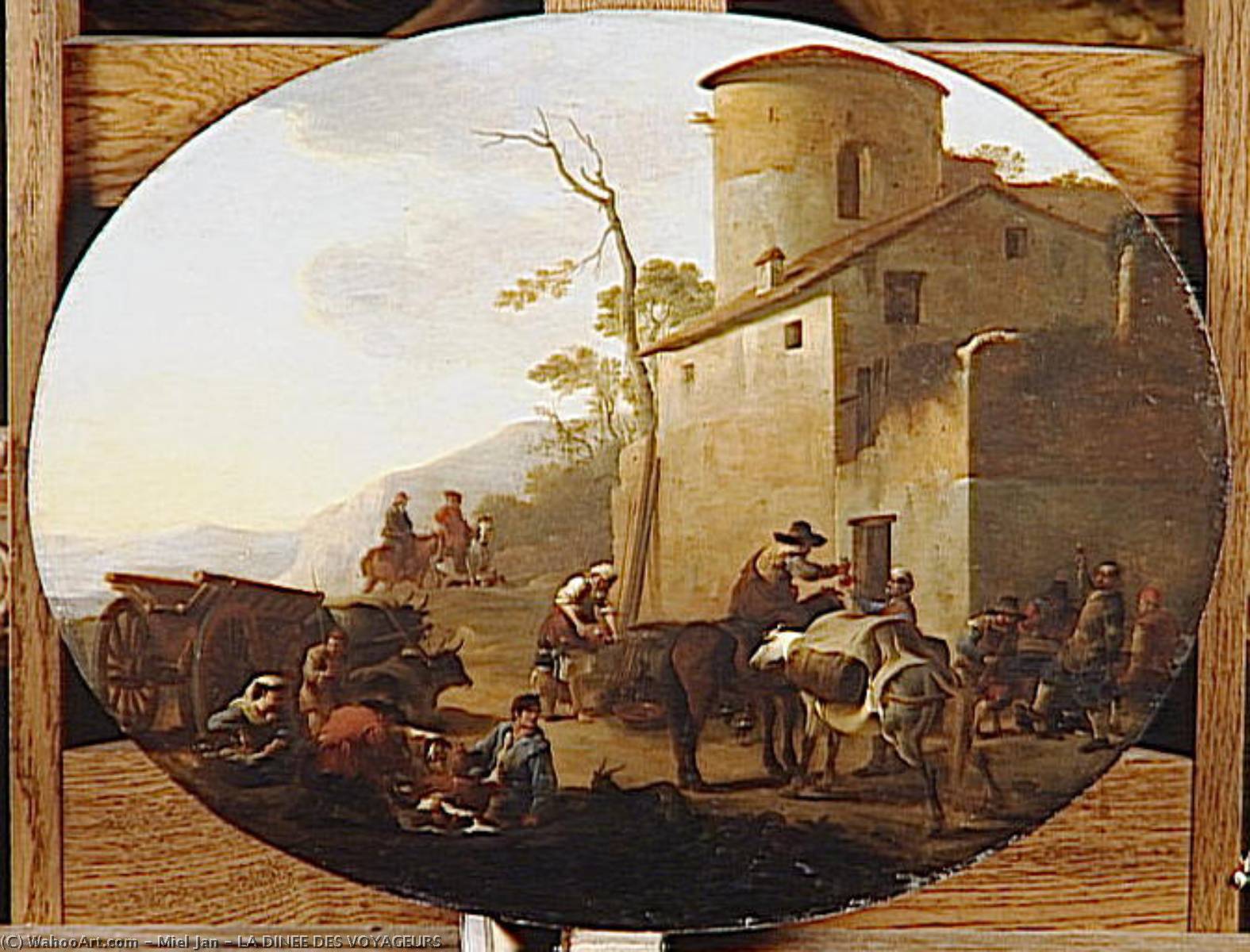
LA DINEE DES VOYAGEURS


 Pročitaj više
Ručno rađena uljana reprodukcija
Ručno oslikano uljanim bojama na platnu u dimenzijama i okviru po vašem izboru, izrađeno po porudžbini od strane naših umetnika. ( Kupi print Kupi digitalnu sliku)




P118B $10

P118H $10

P118W $10

P438Z $10

P508JH $12

P508YH $12

P805H $10

P805Z $10

P919BZ $10

P919G $10

P919XJ $10

P959ZH $10

P968JZ $12

W106C $8

W218G $10

W218JH $8

W218Y $10

W307PJ $10

W316G $10

W316PJ $8

W316Y $10

W398PJ $8

W4111J $10

W500HY $15

W500JH $15

W692G $12

W849H $8

W940BG $15

W953PJ $8




Izaberite jednu od naših unapred definisanih veličina koje odgovaraju originalnim proporcijama umetničkog dela.

Можете унети сопствене димензије како бисте прилагодили дело одређеном оквиру или простору. Ако одабрана величина не одговара пропорцијама оригинала, слика ће бити исечена или проширена додатним елементима који се ручно насликавају. Дигитални prikaz ће вам бити послат на одобрење пре почетка производње.
Имајте на уму да преглед на екрану не одражава стварно исецање или проширење. Само приказ (mockup) ће тачно приказати коначну композицију.
Иако су доступне прилагођене величине, препоручујемо да одаберете димензију из дефинисане листе како бисте сачували оригиналне пропорције.
Nakon narudžbine, tim ArtsDot.com će klijentu putem e-pošte poslati uputstva i dostaviti prikaz predloženog rešenja
Isporuka širom sveta () za 3/4 nedelje umesto uobičajenih 5 nedelja. (24 август). Bez kompromisa po pitanju kvaliteta.

Besplatna ekspresna dostava širom sveta

Visokokvalitetno laneno platno

Kompletno osiguranje transporta

Garancija povraćaja carine i uvoznih dažbina

Garancija vernosti boja

Politika povrata u roku od 60 dana (samo u slučaju nedostataka)

Garancija povrata novca od 100%

Popust pri grupnoj kupovini
 Opcija sa staklom dostupna je samo za dimenzije manje od 110 cm

LA DINEE DES VOYAGEURS
Tehnika reprodukcije
Dimenzije reprodukcije
-


Konačna cena
$ 438
Opis umetničkog dela
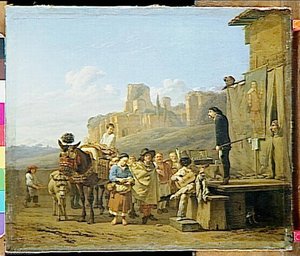
La Dînée des Voyageurs: A Window into Seventeenth-Century Flemish Life
Jan Miel’s “La Dînée des Voyageurs,” painted circa 1625-1650, is more than just a depiction of travelers resting by an inn; it's a meticulously crafted tableau offering a poignant glimpse into the social fabric and artistic sensibilities of early modern Flanders. This remarkable work, currently housed within the Louvre’s collection, transcends mere genre painting to become a subtle meditation on community, respite, and the transient nature of existence. Miel, a pivotal figure bridging the gap between Dutch realism and burgeoning Baroque influences, masterfully employs light, composition, and detail to create an immersive scene that invites prolonged contemplation.
The heart of the painting lies in its dynamic composition—a carefully orchestrated arrangement of figures and elements within a circular vignette. A winding path draws the eye towards a substantial building, likely an inn or fortified structure, suggesting a place of welcome and temporary shelter. Scattered across the foreground and middle ground are travelers – men and women, some clearly weary, others engaged in animated conversation – alongside animals, primarily horses and dogs, adding to the sense of a bustling roadside gathering. The scene is not one of grand spectacle but rather a quiet intimacy, capturing a fleeting moment of shared experience amidst the demands of travel.
A Palette of Earth and Shadow
Miel’s masterful use of color establishes an immediate mood of understated elegance and rustic charm. The palette is dominated by earthy tones – rich browns, ochres, muted greens, and subtle blues—reflecting the materials and environment of the time. These grounded hues are skillfully layered to create a sense of depth and texture, avoiding any overly bright or dramatic effects. Notice how the darker shades in the building’s architecture contrast with the lighter tones of the clothing and faces, further emphasizing the spatial relationships within the scene. The diffused lighting, seemingly originating from above and slightly to the left, contributes to this subdued atmosphere, evoking a sense of an overcast day—a time for reflection and rest.
The Art of Observation: Technique and Detail
Examining Miel’s technique reveals a sophisticated understanding of both realism and artistic convention. The artist demonstrates a keen eye for detail, meticulously rendering the textures of clothing – worn fabrics, rough wool, and supple leather—as well as the forms of animals – their fur, musculature, and expressions. Brushstrokes are visible, lending a tactile quality to the painting and suggesting an impasto style in certain areas, particularly around the faces and hands. The artist’s use of perspective is somewhat flattened, creating a sense of immediacy and drawing the viewer directly into the scene. However, overlapping figures and objects effectively establish depth, preventing the composition from feeling overly simplistic.
Symbolism and Social Commentary
Beyond its immediate visual appeal, “La Dînée des Voyageurs” carries subtle symbolic weight. The gathering of travelers can be interpreted as a representation of human connection—a reminder that even in a world often characterized by hardship and uncertainty, moments of shared experience and mutual support are essential. The presence of animals suggests the importance of nature and its role in sustaining life. Furthermore, the circular framing of the scene – reminiscent of a snapshot or a vignette – could symbolize wholeness, completion, or perhaps simply the contained nature of this particular moment in time. Considering Miel’s work within the context of the ‘Bamboccianti’ movement—a group of Dutch and Flemish artists who depicted scenes from everyday life—adds another layer of understanding. These paintings often served as social commentaries, offering a glimpse into the lives of ordinary people and challenging prevailing notions of wealth and status.
A Legacy in Oil on Copper
Created primarily in oil on copper, “La Dînée des Voyageurs” exemplifies Miel’s artistic evolution. His early works, often characterized by a more direct imitation of Pieter van Laer, gradually transitioned into a style that combined Flemish realism with the dramatic lighting and compositional techniques associated with the Baroque period. This painting stands as a testament to his versatility and enduring appeal—a captivating work that continues to resonate with viewers centuries after its creation. Reproductions offer an accessible way to appreciate the artistry of this remarkable painter and bring a touch of 17th-century Flemish life into any space.
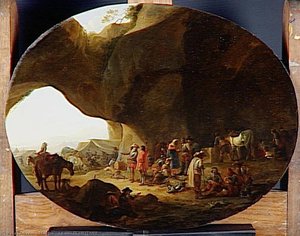
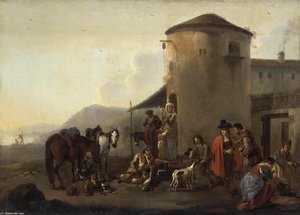
Srodna umetnička dela
Biografija umetnika
Jan Miel: Bridging Dutch Realism and Baroque Grandeur
Jan Miel (1599–1663) stands as a pivotal figure in the artistic landscape of the seventeenth century, embodying the fascinating confluence of Flemish tradition and Italian innovation. Born in Beveren, Belgium—though Antwerp and ‘s-Hertogenbosch remain contenders for his birthplace—Miel’s early life remains shrouded in relative obscurity, leaving biographical details sparse. However, what emerges from scholarly research is a remarkable artistic journey marked by stylistic evolution and collaborative endeavors that cemented his place within the vibrant cultural milieu of Rome and Turin.
His formative years were spent honing his craft primarily in Antwerp, where he absorbed the influences of prominent Flemish masters like Anthony van Dyck. While the precise scope of his training remains elusive, it undoubtedly instilled within him an appreciation for meticulous observation and refined technique—qualities that would characterize much of his subsequent oeuvre. This foundational grounding in classical draughtsmanship and portraiture provided the essential toolkit for a career that would eventually transcend regional boundaries.
The Roman Transformation and the Bamboccianti Spirit
Miel’s arrival in Rome around 1636 signaled a transformative moment in his artistic trajectory. He swiftly joined the Bentvueghels, an influential association of Dutch and Flemish artists residing in the Eternal City. Within this brotherhood, he adopted the memorable moniker ‘bieco’, a nickname reflecting his distinctive squinting gaze—a characteristic that would become synonymous with his artistic persona. This affiliation fostered deep connections within a broader artistic community deeply impacted by Pieter van Laert’s Bamboccianti style.
This movement was dedicated to depicting scenes of everyday life amongst the lower classes in Rome and its environs, eschewing the idealized grandeur of High Renaissance art for something far more visceral and immediate. Miel embraced this trend wholeheartedly, producing captivating genre paintings that captured the spirit of urban existence with remarkable realism and sensitivity. His works often featured:
- Lively street scenes populated by travelers, merchants, and laborers.
- A masterful use of light to evoke the dusty, sun-drenched atmosphere of Roman alleys.
- The subtle interplay of human emotion within crowded, chaotic settings.
- A meticulous attention to the textures of fabric, stone, and earth.
Evolution Toward Classicism and Courtly Grandeur
As his career progressed, Miel’s artistic vision underwent a significant metamorphosis. While he remained a master of the genre scene, he began to move away from the gritty realism of the Bamboccianti toward more classicizing history paintings. This shift reflected a broader trend in European art, where the raw energy of the Baroque was increasingly tempered by a desire for order, nobility, and classical allegory.
This evolution eventually led him to prestigious appointments, most notably serving as a court artist to Charles Emanuel II, Duke of Savoy. In the service of the Turin court, Miel’s work took on a more formal and magnificent character. The intimacy of his earlier Roman scenes gave way to compositions of greater scale and complexity, designed to reflect the power and prestige of his royal patron. This period represents the pinnacle of his professional achievement, where his Flemish roots in detail met the grand, sweeping narratives required by the European aristocracy.
The historical significance of Jan Miel lies in his ability to navigate these disparate worlds. He was an artist who could find beauty in the humble struggles of a Roman street urchin and dignity in the epic tales of antiquity. By bridging the gap between the meticulous realism of the North and the dramatic classicism of the South, Miel left an indelible mark on the seventeenth-century canon, ensuring his legacy as a true cosmopolitan of the Baroque era.
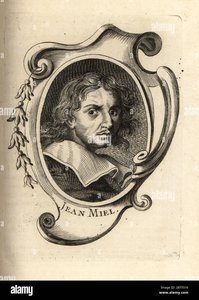
Jan Miel
1599 - 1663 , Belgium
Osnovne informacije
- Artistic Movement Or Style: Bamboccianti, Classicising
- Artists Or Movements Influenced By This Artist: ['Pieter van Laer']
- Artists Who Influenced This Artist: ['Anthony van Dyck']
- Date Of Birth: 1599 Beveren Belgium
- Date Of Death: 1663
- Full Name: Jan Miel
- Nationality: Flemish
- Notable Artworks:
- Landscape with a Battle between Two Rams
- Roman Lime Kiln with Peasants Gambling
- Place Of Birth: Beveren Belgium
Povezani članci
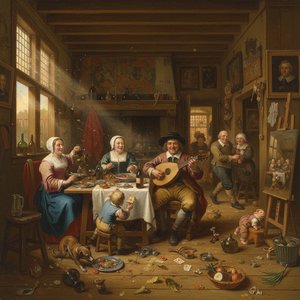
Jan Steen: A Master of Dutch Genre Painting & the Golden Age
Explore the life & art of Jan Steen, a leading Dutch Golden Age painter renowned for his humorous genre scenes & insightful social commentary. Discover his techniques, legacy, and collecting tips.
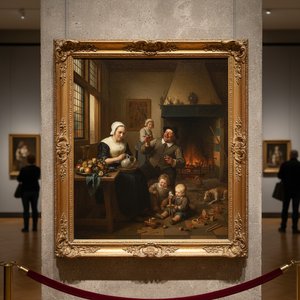
Genre Painting: A Window into Daily Life & Societal Values of the Dutch Golden Age
Explore the captivating world of Dutch Golden Age genre painting! Discover realistic depictions of daily life, masterful artists like Ostade & Metsu, and hidden symbolism. Learn about this influential art movement with ArtsDot.
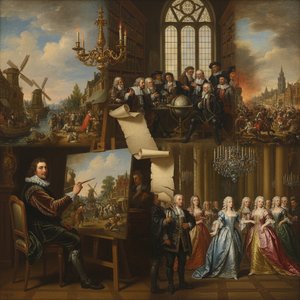
Illuminating a Century of Change: Artistic Expression & Societal Shifts in 17th-Century Europe
Explore the artistic brilliance of the 17th-century Dutch Golden Age & Baroque period. Discover Rembrandt, genre painting, and chiaroscuro techniques. Expert insights for art lovers & collectors.

Golden Age Reflections: Dutch Baroque Painting & Cultural Innovation
Explore the Dutch Golden Age of painting! Discover key artists like Vermeer & ter Borch, their innovative techniques, and the rich cultural context behind these Baroque masterpieces. Learn about collecting & appreciating this iconic art period.
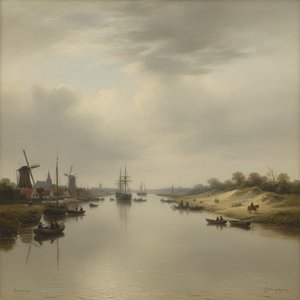
Jan van Goyen: Master of Dutch Landscape & Atmospheric Perspective
Discover Jan van Goyen, the master of Dutch landscape painting. Explore his subtle technique, atmospheric realism & lasting influence on art history. Learn about this 17th-century pioneer at ArtsDot.

