

 Pregledaj u prostoru
 Pošalji
 Podeli
 Detalji o delu

 Преузми
 Slični predmeti
 Rendgenski snimak
 Slajdovi
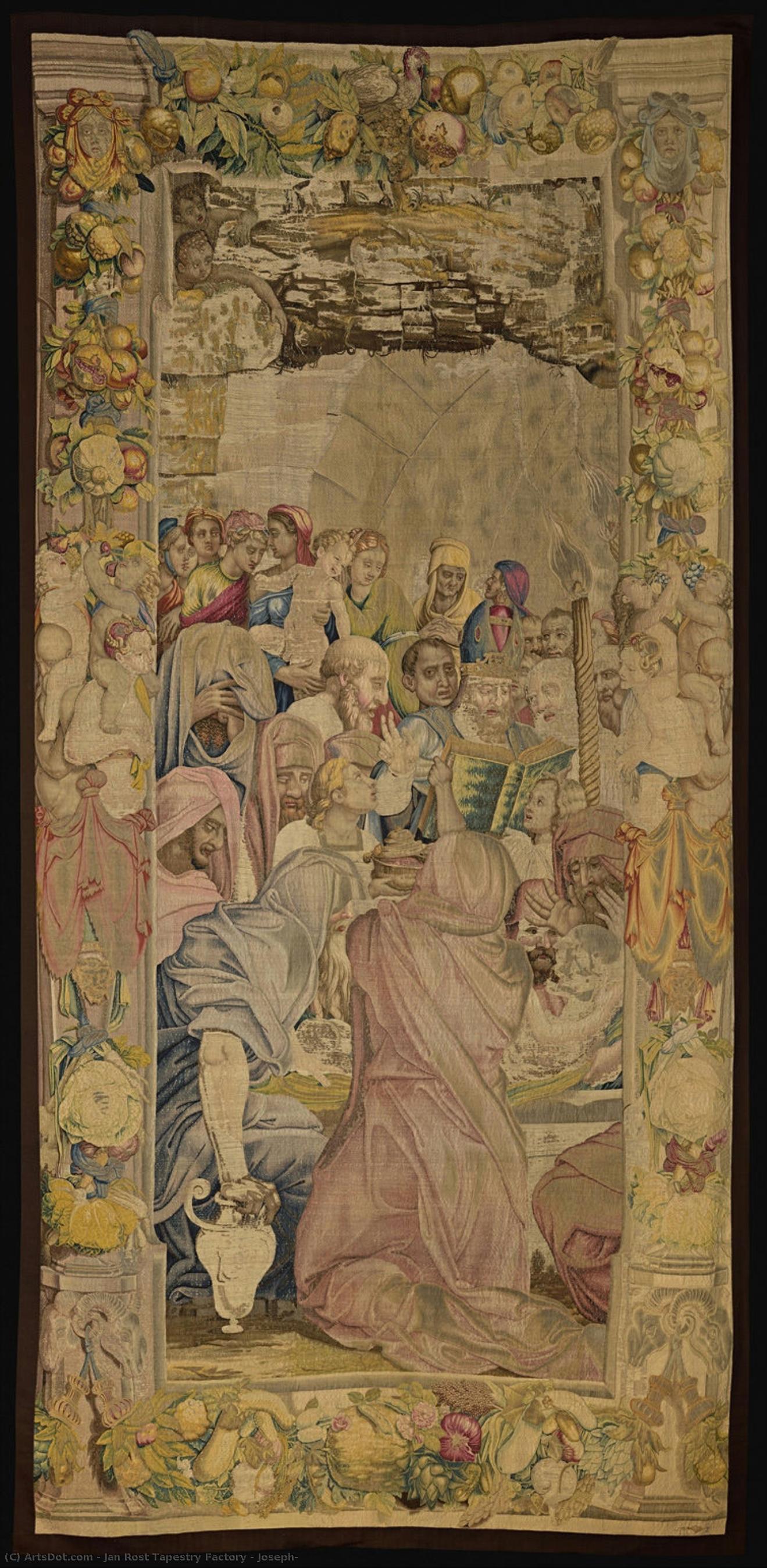
Joseph


 Pročitaj više
Giclee štampa / Umetnički otisak
Giclée štampa ili print na platnu muzejskog kvaliteta uz brzu proizvodnju i fleksibilne opcije završne obrade. ( Kupi ručno naslikanu sliku Kupi digitalnu sliku)




































Izaberite jednu od naših unapred definisanih veličina koje odgovaraju originalnim proporcijama umetničkog dela.

Možete uneti sopstvene dimenzije kako biste umetničko delo prilagodili specifičnom okviru ili prostoru. Ako odabrani format ne odgovara proporcijama originalne slike, mi ćemo ili iscrtati deo dela ili proširiti sliku pomoću ogledane ivice ili jednobojnog popunjavanja. Digitalni prikaz će vam biti poslat na odobrenje pre početka proizvodnje.
Imajte na umu da pregled na ekranu ne odražava stvarno iscrtavanje ili proširivanje. Samo će prikaz (mockup) precizno pokazati finalnu kompoziciju.
Iako su prilagođene dimenzije dostupne, preporučujemo da odaberete dimenziju sa unapred definisane liste kako biste očuvali originalne proporcije.
Dostava širom sveta () za 2 nedelje umesto uobičajenih 4/5 nedelja. (3 септембар)

Besplatna ekspresna dostava širom sveta

Visokokvalitetno laneno platno

Kompletno osiguranje transporta

Garancija povraćaja carine i uvoznih dažbina

Garancija vernosti boja

Politika povrata u roku od 60 dana (samo u slučaju nedostataka)

Garancija povrata novca od 100%

Popust pri grupnoj kupovini
 Opcija sa staklom dostupna je samo za dimenzije manje od 110 cm

Joseph
Giclee štampa / Umetnički otisak
Dimenzije reprodukcije
-


Konačna cena
$ 62
Srodna umetnička dela
Biografija umetnika
The Flemish Weaver Who Adorned the Renaissance: Jan Rost Tapestry Factory
Jan Rost, a name perhaps less celebrated than many of his contemporaries, nevertheless occupies a pivotal position in the history of tapestry weaving and the artistic exchange between Flanders and Italy during the 16th century. Born in Brussels around 1535, Rost wasn’t merely a craftsman; he was an innovator who brought Flemish technical mastery to the heart of the Italian Renaissance court, specifically into the workshops of the Medici family. His story is one of migration, adaptation, and the subtle but profound influence of artistic style across geographical boundaries.
Early Life and Training in Brussels
The Brussels of Rost’s youth was a thriving center for tapestry production, renowned throughout Europe for its intricate designs and luxurious materials. He received his training within this vibrant environment, absorbing the techniques that had been perfected over generations – the complex use of colored wools, silk, and even gold threads to create pictorial narratives of astonishing detail. The workshops were not simply places of technical instruction; they were incubators of artistic sensibility, where weavers learned to translate paintings into a different medium, understanding composition, color theory, and the nuances of storytelling. While details about his specific apprenticeship remain scarce, it’s clear that Rost emerged from this milieu with a firm grasp of Flemish realism and a keen eye for visual complexity. This foundation would prove crucial when he embarked on a new chapter in Florence.
Years at the Medici Manufactory: A Fusion of Styles
Around 1545, Rost made the significant move to Florence, entering the service of the Medici family and their tapestry manufactory. This was not an uncommon occurrence; skilled artisans were highly sought after by European courts eager to enhance their prestige through lavish displays of art and craftsmanship. However, Rost’s arrival marked a turning point for the Medici workshops. He brought with him not just technical expertise but also the distinctive Flemish aesthetic – characterized by meticulous detail, rich textures, and a naturalistic approach to depicting figures and landscapes. The manufactory was already producing tapestries, often based on designs by Italian masters, but Rost’s influence introduced a new level of realism and complexity. He worked alongside other artists, adapting existing compositions and creating entirely new designs, most notably a series illustrating scenes from the life of Joseph.
The Joseph Series: A Testament to Skill and Narrative Power
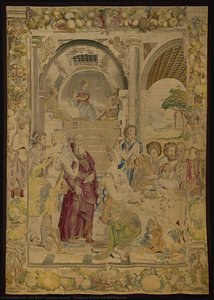
Rost's most celebrated achievement is undoubtedly his work on the Joseph series. These tapestries, commissioned by Cosimo I de’ Medici, depict episodes from the biblical story of Joseph – from his betrayal by his brothers to his rise to power in Egypt. What sets these works apart isn’t simply their technical brilliance—the vibrant colors, the intricate detailing of costumes and architecture, the skillful rendering of human anatomy—but also the way Rost translated the narrative into a visual form. He captured the drama and emotion of each scene with remarkable sensitivity, employing Flemish techniques to create a sense of depth and realism that was relatively uncommon in Italian tapestries of the time. Selling Joseph, Joseph in Prison and the Pharaoh, and Joseph takes Simeon hostage are particularly noteworthy examples, showcasing his ability to convey complex emotions through gesture, expression, and composition. The series wasn’t merely decorative; it served as a powerful visual statement of Medici power and piety.
Legacy and Historical Significance
Jan Rost Tapestry Factory's impact extends beyond the specific tapestries he created. He played a crucial role in bridging the artistic gap between Flanders and Italy, introducing Flemish techniques and aesthetics to a new audience and influencing the development of tapestry weaving in Florence. His work demonstrates the fluidity of artistic exchange during the Renaissance, where styles and ideas were constantly circulating across national boundaries. While his personal life remains somewhat obscure, his legacy is firmly etched into the fabric of art history – a testament to the skill, innovation, and enduring power of the Flemish weaver who adorned the Renaissance court with scenes of biblical grandeur.
Osnovne informacije
- Artistic Movement Or Style: Renaissance tapestry
- Date Of Birth: 1535
- Date Of Death: 1564
- Full Name: Jan Rost Tapestry Factory
- Nationality: Flemish
- Notable Artworks:
- Joseph takes Simeon hostage
- Selling Joseph
- Joseph in Prison and the Pharaoh
- Joseph and Potiphar
- Place Of Birth: Brussels, Belgium
Povezani članci
Jan Brueghel the Elder: A Master of Flemish Landscape & Allegory – Exploring Innovation & Influence
Explore the captivating world of Jan Brueghel the Elder, a Flemish Baroque master renowned for his stunning landscapes & allegorical paintings. Discover his collaborations with Rubens and lasting artistic legacy.
Early Netherlandish Masters: 10 Paintings That Revolutionized Art & Decor
Journey into the world of Early Netherlandish painting! Explore 10 masterpieces by Jan van Eyck, Rogier van der Weyden & more. Discover stunning detail, symbolism & Renaissance art for your home decor. Find museum-quality reproductions on ArtsDot.com
Illuminating Realism: Early Netherlandish Painting (15th-16th Centuries)
Explore the captivating world of Early Netherlandish painting! Discover Jan van Eyck, Hans Memling & more. Uncover symbolism, techniques & the legacy of these Flemish masters. A comprehensive guide for art enthusiasts.
Jan Gossaert (Mabuse): Pioneering Renaissance Style & the Birth of Netherlandish Antiquity
Explore the groundbreaking art of Jan Gossaert (Mabuse), a pioneer of Renaissance painting in the Low Countries. Discover his Romanist style, stunning portraits, and influence on Northern European art history.
Jan Gossart: Bridging Netherlandish Realism & Renaissance Humanism – A Comprehensive Exploration
Explore the captivating world of Jan Gossart, a pivotal figure bridging Netherlandish realism & Renaissance humanism. Discover his masterpieces, patronage, and lasting influence – an essential guide for discerning art collectors.

