

 Pregledaj u prostoru
 Pošalji
 Podeli
 Detalji o delu

 Преузми
 Slični predmeti
 Rendgenski snimak
 Slajdovi
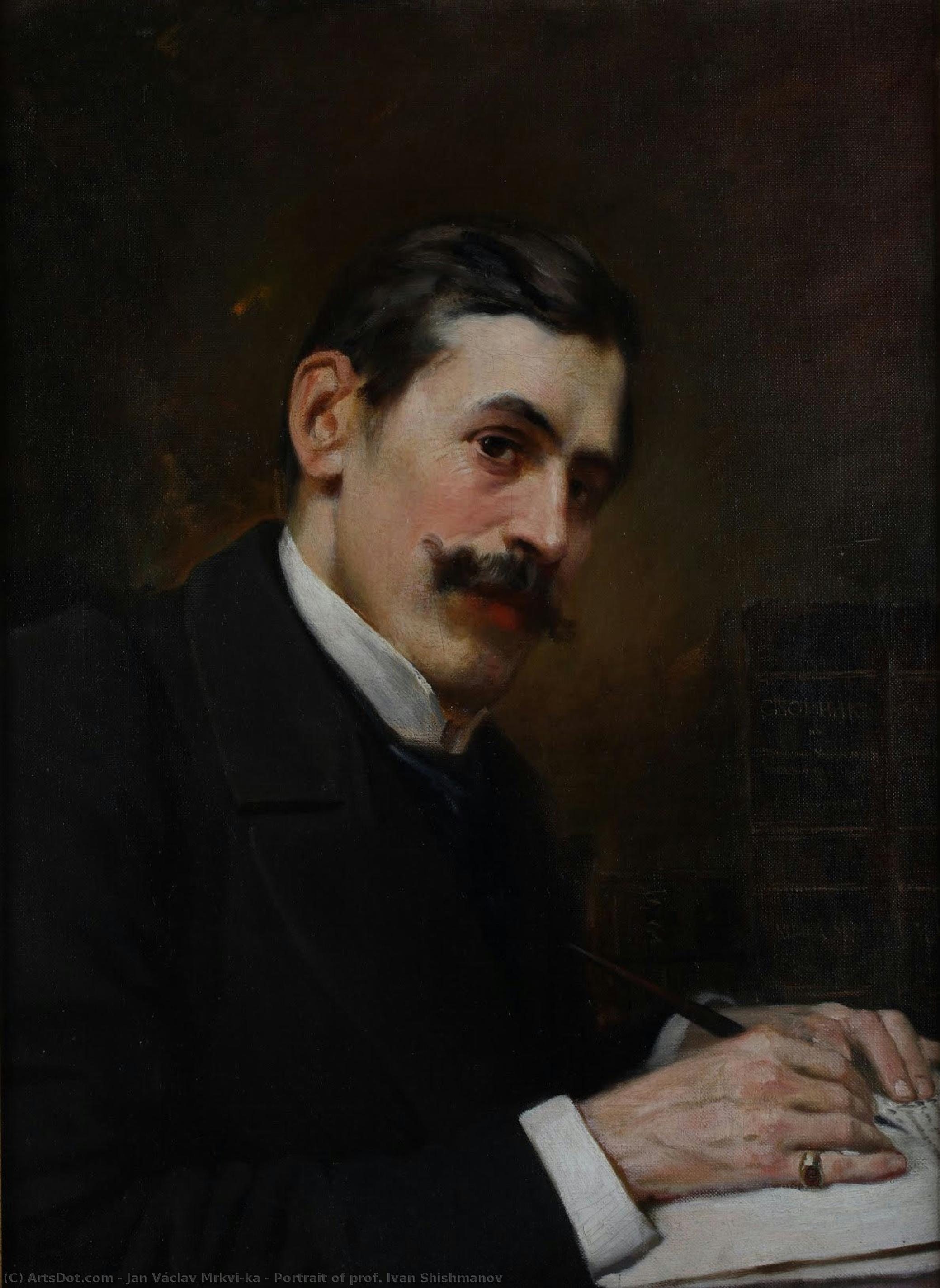
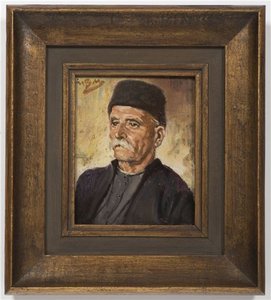
Portrait of prof. Ivan Shishmanov
 Contemporary Realism
 1901
1901 69.0 x 51.0 cm
 National Gallery of Bulgaria
 Pročitaj više
Giclee štampa / Umetnički otisak
Giclée štampa ili print na platnu muzejskog kvaliteta uz brzu proizvodnju i fleksibilne opcije završne obrade. ( Kupi ručno naslikanu sliku Kupi digitalnu sliku)




































Izaberite jednu od naših unapred definisanih veličina koje odgovaraju originalnim proporcijama umetničkog dela.

Možete uneti sopstvene dimenzije kako biste umetničko delo prilagodili specifičnom okviru ili prostoru. Ako odabrani format ne odgovara proporcijama originalne slike, mi ćemo ili iscrtati deo dela ili proširiti sliku pomoću ogledane ivice ili jednobojnog popunjavanja. Digitalni prikaz će vam biti poslat na odobrenje pre početka proizvodnje.
Imajte na umu da pregled na ekranu ne odražava stvarno iscrtavanje ili proširivanje. Samo će prikaz (mockup) precizno pokazati finalnu kompoziciju.
Iako su prilagođene dimenzije dostupne, preporučujemo da odaberete dimenziju sa unapred definisane liste kako biste očuvali originalne proporcije.
Dostava širom sveta () za 2 nedelje umesto uobičajenih 4/5 nedelja. (6 септембар)

Besplatna ekspresna dostava širom sveta

Visokokvalitetno laneno platno

Kompletno osiguranje transporta

Garancija povraćaja carine i uvoznih dažbina

Garancija vernosti boja

Politika povrata u roku od 100 dana (samo u slučaju nedostataka)

Garancija povrata novca od 100%

Popust pri grupnoj kupovini
 Opcija sa staklom dostupna je samo za dimenzije manje od 110 cm

Portrait of prof. Ivan Shishmanov
Giclee štampa / Umetnički otisak
Dimenzije reprodukcije
-


Konačna cena
$ 62
Srodna umetnička dela
Biografija umetnika
The Bohemian Roots of a Bulgarian Master
Born Jan Václav Mrkvička in the quiet village of Vidím nad Mělníkem, the man who would become a cornerstone of Bulgarian art began his journey far from the Balkan landscapes he would eventually immortalize. His early years were defined by the rigorous academic traditions of Central Europe, as he sought refinement within the prestigious Academy of Fine Arts in Prague under the guidance of Antonin Lhota. This foundation of Czech Romanticism was later enriched by the vibrant, light-filled techniques encountered at the Munich Academy of Arts. It was this unique synthesis—a marriage of disciplined academic precision and a burgeoning Impressionist sensibility—that prepared him for his transformative move to Plovdiv in 1881.
As he transitioned from a student of the Czech lands to a resident of the Bulgarian territories, his artistic identity began to merge with the spirit of his new home. He did not merely observe a new culture; he became its visual biographer, absorbing the rhythms and textures of a nation finding its footing following centuries of Ottoman rule.
Capturing the Soul of a Nation
Mrkvička’s brush possessed a rare ability to capture the raw, unvarnished beauty of a people reclaiming their identity. He turned his gaze toward the rhythmic pulse of the marketplace and the intimate rituals of rural life, creating a visual language for a new era. His works often focused on the intersection of human struggle and cultural celebration, bringing the vibrant colors of Bulgarian folklore to the forefront of modern art. Through his meticulous attention to detail and masterful command of light, he documented:
- The bustling energy of the Plovdiv Marketplace, where commerce and community intersected in a vivid display of local life;
- The poignant dignity found in genre scenes such as Sakadzhii and Poultry Dealer, which elevated everyday labor to the level of high art;
- The ancestral echoes of folk traditions, most notably seen in his evocative depictions of Lazarus Saturday dancers.
His style, characterized by a lyrical observation of nature and people, allowed him to portray Bulgarian culture with an empathy that transcended mere documentation. He was able to weave the sunlight of the Balkan landscape into the very fabric of his compositions, making the ephemeral moments of village life feel eternal.
An Enduring Artistic Legacy
Beyond the canvas, Mrkvička’s influence was institutional and profound. He was not just a painter but an architect of Bulgaria's artistic future, co-founding the National Academy of Arts in Sofia in 1896 alongside luminaries like Konstantin Velichkov. Through his role as a professor and director, he nurtured the first generations of Bulgarian masters, ensuring that the flame of modern fine art would burn brightly long after his departure. His contribution even extended to the very symbols of the state, lending his artistic hand to the design of the Coat of Arms for both Sofia and the nation itself.
Even as he eventually returned to his Czech homeland toward the end of his life in 1938, his impact remained indelible. He left behind a legacy that remains inseparable from the Bulgarian national spirit—a testament to an artist who found his true calling in the light, the color, and the enduring heart of a distant, beautiful land.
jan václav mrkvička
1856 - 1938 , Czech Republic
Osnovne informacije
- Artistic Movement Or Style: Impressionism, Post-Impressionism, Realism
- Artists Or Movements Influenced By This Artist: ['Czech Impressionism']
- Artists Who Influenced This Artist: ['Antonin Lhota']
- Date Of Birth: April 23, 1856
- Date Of Death: May 16, 1938
- Full Name: Jan Václav Mrkvička
- Nationality: Czech
- Notable Artworks:
- Plovdiv Marketplace
- Sakadzhii
- Gypsy Revelry
- Poultry
- Place Of Birth: Vidím nad Mělníkem, Czech Republic
Povezani članci
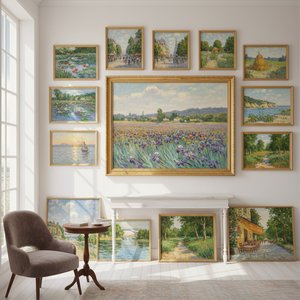
Impresionistički pejzaži: 10 remek-dela koja su definisala umetnički pokret
Otkrijte 10 remek-dela impresionizma koja su zauvek obeležila pejzažnu umetnost! Monet, Renoar i Degas – istražite priče iza svake slike. Inspiracija za dekoraciju enterijera i vrhunske reprodukcije na ArtsDot.com. Istražite kolekciju online!
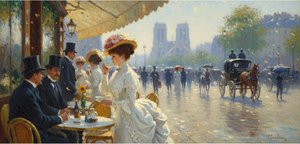
Impressionistic Realism's Finest: 10 Masterpieces for Your Home | ArtsDot
Journey through Impressionistic Realism with 10 iconic masterpieces by Monet, Renoir & Van Gogh. Explore art history, techniques & find museum-quality reproductions for your home at ArtsDot.com. Discover all masterpieces online!
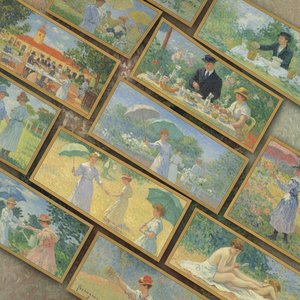
Pierre-Auguste Renoir: 25 Remek-Dela Impresionizma za Vaš Dom | ArtsDot
Uronite u svet Pierre-Auguste Renoara! Otkrijte 25 remek-dela impresionizma, priče iza slika i tehničke detalje. Reprodukcije vrhunskog kvaliteta za vaš dom dostupne na ArtsDot.com. Istražite celu kolekciju online!

Impressionistic Landscapes: 10 Masterpieces That Changed Art & Decor
Journey into the heart of Impressionism! Explore 10 masterpieces by Monet, Renoir & Degas that revolutionized landscape art. Discover their stories, techniques & find museum-quality reproductions to elevate your home decor on ArtsDot.com.
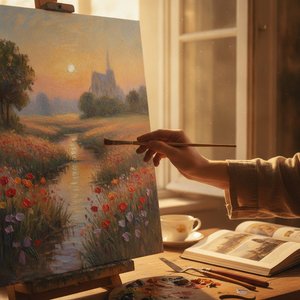
Capturing Light & Emotion: A Beginner's Guide to the Impressionist Aesthetic
Discover the beauty of Impressionism. Learn how masters like Monet and Renoir use light and color to evoke emotion, and explore how to bring this luminous aesthetic into your home with museum-quality, hand-painted reproductions.