

 Pregledaj u prostoru
 Pošalji
 Podeli
 Detalji o delu

 Преузми
 Slični predmeti
 Rendgenski snimak
 Slajdovi
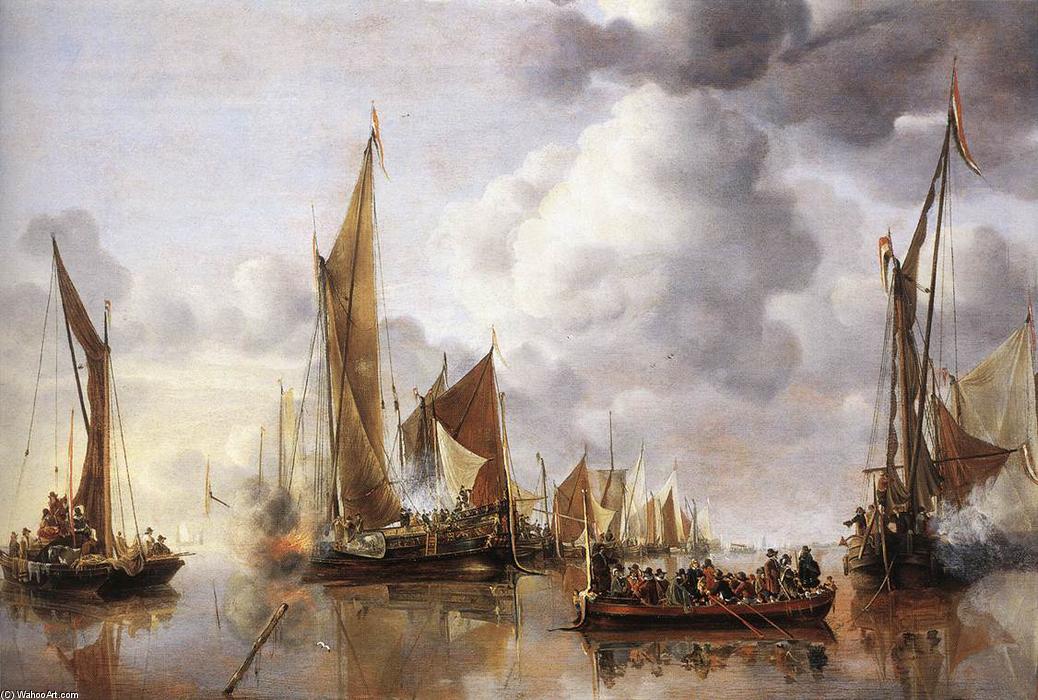
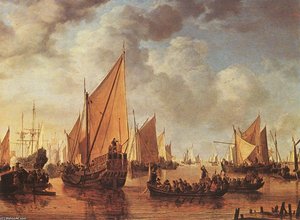
The State Barge Saluted by the Home Fleet
 Oil On Canvas
- WallArt
- Dutch Golden Age
 1650
1650- Early Modern
 64.0 x 93.0 cm
 Rijksmuseum
 Pročitaj više
Giclee štampa / Umetnički otisak
Giclée štampa ili print na platnu muzejskog kvaliteta uz brzu proizvodnju i fleksibilne opcije završne obrade. ( Kupi ručno naslikanu sliku Kupi digitalnu sliku)




P118B $10

P118H $10

P118W $10

P438Z $10

P508JH $12

P508YH $12

P805H $10

P805Z $10

P919BZ $10

P919G $10

P919XJ $10

P959ZH $10

P968JZ $12

W106C $8

W218G $10

W218JH $8

W218Y $10

W307PJ $10

W316G $10

W316PJ $8

W316Y $10

W398PJ $8

W4111J $10

W500HY $15

W500JH $15

W692G $12

W849H $8

W940BG $15

W953PJ $8




Izaberite jednu od naših unapred definisanih veličina koje odgovaraju originalnim proporcijama umetničkog dela.

Možete uneti sopstvene dimenzije kako biste umetničko delo prilagodili specifičnom okviru ili prostoru. Ako odabrani format ne odgovara proporcijama originalne slike, mi ćemo ili iscrtati deo dela ili proširiti sliku pomoću ogledane ivice ili jednobojnog popunjavanja. Digitalni prikaz će vam biti poslat na odobrenje pre početka proizvodnje.
Imajte na umu da pregled na ekranu ne odražava stvarno iscrtavanje ili proširivanje. Samo će prikaz (mockup) precizno pokazati finalnu kompoziciju.
Iako su prilagođene dimenzije dostupne, preporučujemo da odaberete dimenziju sa unapred definisane liste kako biste očuvali originalne proporcije.
Dostava širom sveta () za 2 nedelje umesto uobičajenih 4/5 nedelja. (24 август)

Besplatna ekspresna dostava širom sveta

Visokokvalitetno laneno platno

Kompletno osiguranje transporta

Garancija povraćaja carine i uvoznih dažbina

Garancija vernosti boja

Politika povrata u roku od 60 dana (samo u slučaju nedostataka)

Garancija povrata novca od 100%

Popust pri grupnoj kupovini
 Opcija sa staklom dostupna je samo za dimenzije manje od 110 cm

The State Barge Saluted by the Home Fleet
Giclee štampa / Umetnički otisak
Dimenzije reprodukcije
-


Konačna cena
$ 62
Opis predmeta
Jan van de Cappelle: The Mirror of Tranquility
Jan van de Cappelle (1626-1679) stands as a singular figure within the Dutch Golden Age, an artist whose output—a mere handful compared to his contemporaries—commands remarkable distinction. He wasn’t merely a painter; he was an industrial titan and astute collector, inextricably linked to the economic powerhouse of Amsterdam and its burgeoning textile industry. This duality profoundly shaped his artistic vision, resulting in seascapes and winter landscapes imbued with an unparalleled serenity – a stillness that reflects not just the surface waters but also the very heavens above. He is rightfully hailed as “Holland’s outstanding marine painter of 17th century Holland,” a testament to his mastery of capturing atmospheric nuance and conveying profound emotional depth within deceptively simple compositions.- Early Life & Training: Born in Amsterdam in 1624, Jan van de Cappelle possessed an uncommon path to artistic recognition. Unlike many art masters of his time who pursued formal training through academies or apprenticeships, Cappelle’s education was largely self-directed. He honed his skills independently, absorbing influences from artists like Willem van de Velde the Elder and Simon de Vlieger—artists whose stylistic choices he meticulously copied, establishing a foundational connection to the prevailing artistic trends of the era.
- A Dual Career: Cappelle’s life was characterized by remarkable versatility. Alongside his artistic pursuits, he diligently managed his father Franchoy’s expansive dyeworks, specializing in the production of crimson dye—a pigment highly sought after for textiles and considered a symbol of prestige and wealth. This entrepreneurial endeavor provided him with considerable financial stability, allowing him to dedicate himself fully to his art without facing crippling economic pressures.
- The Style of Tranquility: Cappelle’s seascapes are instantly recognizable for their distinctive aesthetic—a profound stillness that dominates the canvases. Unlike many of his peers who depicted turbulent storms and dramatic naval battles, Cappelle favored depictions of calm estuaries or quiet harbor scenes. He skillfully captured the ethereal beauty of dawn or dusk, utilizing muted colors and subtle tonal gradations to convey a sense of contemplative peace.
Technique & Composition: Mastering Atmospheric Illusion
Cappelle’s artistic technique was characterized by meticulous observation and an unwavering commitment to realism—albeit tempered with an expressive sensibility. He achieved his remarkable atmospheric effects through masterful use of glazing, layering translucent washes of pigment over underlying grounds to create luminous surfaces that shimmered with reflected light. This technique allowed him to convincingly reproduce the subtle nuances of weather conditions, particularly the diffused glow of twilight and the hazy expanse of distant horizons. Furthermore, Cappelle’s compositions were carefully balanced, employing geometric principles—such as converging lines—to guide the viewer's eye across the canvas and reinforce the sense of depth. The placement of masts and vessels was deliberate, creating a visual rhythm that mirrored the movement of wind and water.- Glazing & Luminosity: Cappelle’s glazing technique involved applying thin layers of translucent pigment—typically oil paint mixed with resin—over previously painted surfaces. This process created an illusion of depth and luminosity, capturing the way light penetrates through clouds and reflects off the surface of water.
- Converging Lines & Spatial Depth: Cappelle skillfully utilized converging lines—lines that appear to meet at a vanishing point—to create a convincing sense of spatial perspective. By positioning masts and vessels strategically, he drew the viewer’s eye into the scene, reinforcing the impression of distance and grandeur.
Historical Context & Symbolism: Reflecting Dutch Prosperity
Cappelle's artistic output coincided with Amsterdam’s zenith as a global commercial center—a period marked by unprecedented economic growth fueled by trade in textiles and spices. This prosperity permeated all aspects of society, including the arts, fostering an environment of innovation and patronage that nurtured talent like Cappelle’s. His seascapes served not only as aesthetically pleasing representations of nature but also as emblems of Dutch maritime dominance—a reflection of the nation's ambition and confidence during the seventeenth century. The serene stillness depicted in his paintings embodies a philosophical ideal prevalent at the time: a belief in harmony between humanity and the natural world, underpinned by Calvinist piety.- Amsterdam’s Economic Boom: Cappelle’s artistic career flourished amidst Amsterdam's burgeoning economic prosperity—a period characterized by unparalleled trade activity and cultural dynamism.
- Maritime Dominance & Philosophical Ideal: His seascapes conveyed a profound philosophical ideal—the notion of balance between human existence and the natural order—reflecting the spiritual convictions of Calvinist society.
Emotional Impact & Legacy: An Enduring Vision
Despite producing only around 150 paintings during his lifetime, Jan van de Cappelle’s work continues to captivate audiences today with its understated beauty and profound emotional resonance. His seascapes evoke a sense of tranquility and contemplation—a reminder of the sublime grandeur of nature and the importance of inner peace. Cappelle's legacy resides not merely in his technical mastery but also in his ability to convey intangible qualities—such as mood and atmosphere—that transcend time, securing his place among the most revered marine painters of the Dutch Golden Age. His paintings remain treasured examples of artistic excellence, inspiring admiration for their serene compositions and luminous color palettes.Srodna umetnička dela



Povezani članci
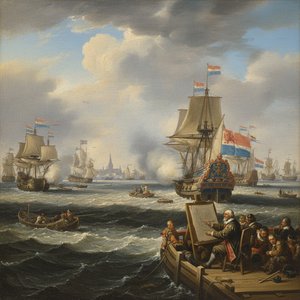
Willem van de Velde the Elder: Master of Maritime Painting & Chronicler of the Dutch Golden Age
Discover the captivating maritime paintings of Willem van de Velde the Elder, a master chronicler of the Dutch Golden Age. Explore his unparalleled realism and lasting influence on naval art history.

Rembrandt van Rijn: 25 Majstorstava Svetla i Senke za Vaš Dom | ArtsDot
Uronite u svet Rembrandta van Rijna! Otkrijte 25 najlepših dela holandskog majstora – portrete, istorijske scene i biblijska platna. Kvalitetne reprodukcije slika za dekoraciju enterijera dostupne na ArtsDot.com.
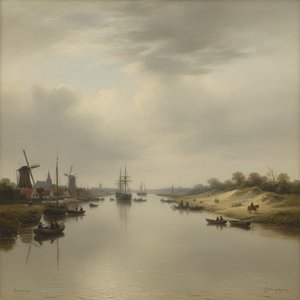
Jan van Goyen: Master of Dutch Landscape & Atmospheric Perspective
Discover Jan van Goyen, the master of Dutch landscape painting. Explore his subtle technique, atmospheric realism & lasting influence on art history. Learn about this 17th-century pioneer at ArtsDot.

Francisco Goya: 25 Remek-dela Španskog Majstora za Vaš Dom | ArtsDot
Istražite 25 remek-dela Francisca Goya, španskog slikara romantizma i impresionizma. Portreti, tamne slike & istorija umetnosti na ArtsDot.com! Kupite reprodukcije slika vrhunskog kvaliteta za dekoraciju enterijera. Otkrijte celu kolekciju online.
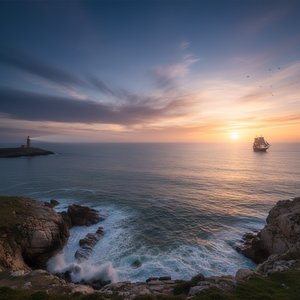
The Allure of the Horizon: A Comprehensive Exploration of Seascape Art Through History & Emotion
Explore the captivating world of seascape art! Discover its history, key artists & movements – from Dutch Masters to Impressionism. Expert insights for collectors and enthusiasts at ArtsDot.

