 Pregledaj u prostoru
 Pošalji
 Podeli
 Detalji o delu

 Преузми
 Slični predmeti
 Rendgenski snimak
 Slajdovi
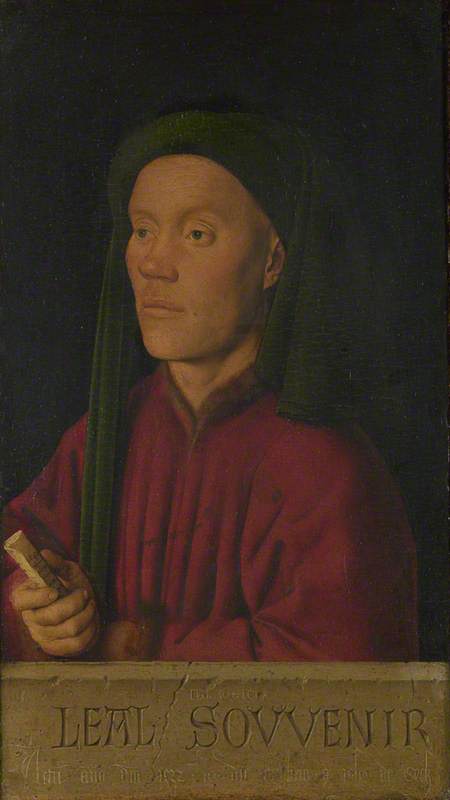
Portrait of a Man ('Léal Souvenir')
 Ulje
Ulje- Umetnost za zidove
- Northern Renaissance
 1432
1432- Renesansa
 33.0 x 19.0 cm
 Pročitaj više
Giclee štampa / Umetnički otisak
Giclée štampa ili print na platnu muzejskog kvaliteta uz brzu proizvodnju i fleksibilne opcije završne obrade. ( Kupi ručno naslikanu sliku Kupi digitalnu sliku)




P118B $10

P118H $10

P118W $10

P438Z $10

P508JH $12

P508YH $12

P805H $10

P805Z $10

P919BZ $10

P919G $10

P919XJ $10

P959ZH $10

P968JZ $12

W106C $8

W218G $10

W218JH $8

W218Y $10

W307PJ $10

W316G $10

W316PJ $8

W316Y $10

W398PJ $8

W4111J $10

W500HY $15

W500JH $15

W692G $12

W849H $8

W940BG $15

W953PJ $8




Izaberite jednu od naših unapred definisanih veličina koje odgovaraju originalnim proporcijama umetničkog dela.

Možete uneti sopstvene dimenzije kako biste umetničko delo prilagodili specifičnom okviru ili prostoru. Ako odabrani format ne odgovara proporcijama originalne slike, mi ćemo ili iscrtati deo dela ili proširiti sliku pomoću ogledane ivice ili jednobojnog popunjavanja. Digitalni prikaz će vam biti poslat na odobrenje pre početka proizvodnje.
Imajte na umu da pregled na ekranu ne odražava stvarno iscrtavanje ili proširivanje. Samo će prikaz (mockup) precizno pokazati finalnu kompoziciju.
Iako su prilagođene dimenzije dostupne, preporučujemo da odaberete dimenziju sa unapred definisane liste kako biste očuvali originalne proporcije.
Dostava širom sveta () za 2 nedelje umesto uobičajenih 4/5 nedelja. (24 август)

Besplatna ekspresna dostava širom sveta

Visokokvalitetno laneno platno

Kompletno osiguranje transporta

Garancija povraćaja carine i uvoznih dažbina

Garancija vernosti boja

Politika povrata u roku od 60 dana (samo u slučaju nedostataka)

Garancija povrata novca od 100%

Popust pri grupnoj kupovini
 Opcija sa staklom dostupna je samo za dimenzije manje od 110 cm

Portrait of a Man ('Léal Souvenir')
Giclee štampa / Umetnički otisak
Dimenzije reprodukcije
-


Konačna cena
$ 62
Opis predmeta
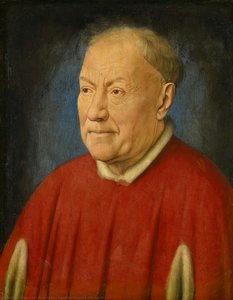
The Enigmatic Gaze: Jan van Eyck’s ‘Léal Souvenir’
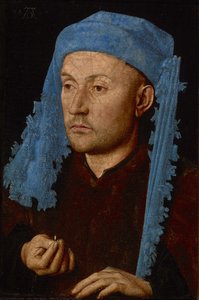
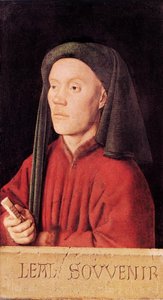
Jan van Eyck's 'Léal Souvenir,' painted in 1432 and currently residing within the hallowed halls of The National Gallery in London, is more than simply a portrait; it’s a meticulously crafted window into the burgeoning artistic sensibilities of the Northern Renaissance. This small panel, measuring just 33 x 19 centimeters, pulsates with an almost unnerving intensity – a testament to Van Eyck's revolutionary mastery of oil paint and his profound understanding of human psychology. The painting immediately draws the viewer in, not with grand gestures or overt displays of wealth, but through a subtle, yet undeniably powerful, gaze that seems to pierce directly into the soul.
The subject himself remains an enduring mystery. Dressed in a rich red robe accented by a deep green hood, he exudes an air of quiet contemplation. His hands are clasped gently around a book and a sheet of parchment, suggesting intellectual pursuits and perhaps even a degree of melancholy. Yet, it’s the man's face – stern yet thoughtful, with lines etched by time and experience – that truly captivates. Van Eyck doesn’t offer us an idealized image of beauty or virtue; instead, he presents a fully realized human being, complete with imperfections and vulnerabilities. This deliberate choice was radical for its time, moving away from the prevalent courtly portraiture that prioritized youthful perfection.
A Symphony of Light and Color
Van Eyck’s genius lies not only in his ability to capture likeness but also in his groundbreaking use of oil paint. Unlike the tempera paints favored by earlier artists, oil allowed for an unprecedented level of detail, luminosity, and subtle gradations of tone. The painting is a veritable demonstration of this technique – observe how the light catches the folds of the robe, revealing its intricate texture; or how the translucent glazes create a sense of depth and volume in the man’s face. Van Eyck employed the wet-in-wet (alla prima) method with remarkable precision, blending colors seamlessly to achieve an astonishing level of realism. The glowing colors are not merely decorative; they serve to highlight the subject's material wealth – the luxurious fabric, the polished metal buttons – while simultaneously underscoring the opulence and sophistication of the Burgundian court.
Furthermore, Van Eyck masterfully manipulated light and shadow to create a dramatic sense of illusionism. The painting is bathed in a soft, diffused light that seems to emanate from an unseen source, casting subtle shadows across the man’s face and highlighting the textures of his clothing. This careful attention to detail—the way the light reflects off the polished surfaces, the delicate play of highlights on the fur trim—is what elevates ‘Léal Souvenir’ beyond a simple portrait and transforms it into a miniature masterpiece.
Symbolism and Historical Context
'Léal Souvenir,' translating to “loyal memory,” immediately raises questions about the sitter's identity and purpose. The title itself suggests that this painting is not merely a likeness but a tribute – perhaps a memorial to someone of significant importance. Some scholars have proposed that the man depicted was Gilles Binchois, a renowned musician in Philip the Good’s court, based on the inscription at the bottom of the panel. However, the exact identity remains elusive, adding to the painting's enduring mystique.
The painting is firmly rooted within the broader artistic trends of the Northern Renaissance. Like other works from this period, ‘Léal Souvenir’ reflects a growing interest in depicting everyday life and contemporary interiors – evidenced by the meticulously rendered parapet with its inscribed texts. This shift away from purely religious subjects marked a significant step towards humanism, as artists began to explore the complexities of human experience and emotion.
A Timeless Masterpiece: Reproduction Possibilities
Jan van Eyck’s ‘Léal Souvenir’ continues to resonate with audiences today, captivating viewers with its enigmatic subject matter and masterful execution. Its intricate details, symbolic depth, and innovative use of oil paint make it a truly remarkable work of art. At ArtsDot.com, we are proud to offer meticulously crafted, hand-painted reproductions that faithfully capture the essence of this iconic painting. Each reproduction is created by skilled artisans using traditional techniques, ensuring an authentic representation of Van Eyck’s vision.
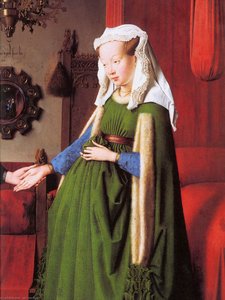
Whether you're a seasoned art collector or simply seeking to bring a touch of Renaissance elegance into your home, our ‘Léal Souvenir’ reproductions provide a beautiful and accessible way to experience the genius of Jan van Eyck. Explore more works by this extraordinary artist on ArtsDot.com, including his celebrated Arnolfini Portrait, and discover the rich history behind these timeless masterpieces.
- Artist: Jan Van Eyck
- Painting Title: Portrait of a Man ('Léal Souvenir')
- Museum: The National Gallery, United Kingdom
- Medium: Oil on panel
- Date: 1432
- Dimensions: 33 x 19 cm
Visit ArtsDot to explore our collection of high-quality reproductions and bring the captivating world of Jan van Eyck into your home.
Srodna umetnička dela

Biografija umetnika
Жаном ван Ејком: Мајстор светлости и реализма
Жан ван Ејк, име које је непроцењиво у свету ранонедерландског сликарства и револуционарској употреби уљане боје, остаје енигматична фигура упркос његовом огромном утицају на историју уметности. Рођен око 1390. године у Мастрихту, у оно што је сада Холандија, ван Ејк је потекао из породице дубоко у корену у уметничкој традицији – његов старији брат Хуберт такође је био сликар, иако детаљи о његовом раду остају недовољно познати. Иако су тачни подаци о његовом животу ретки, посебно о годинама формирања, јасно је да је Жан поседовао урођену надареност и брзо се узпео у уметничке кругове свог времена. Већ 1422. године основао је радионицу у Хагу, запошљавајући помоћнике и подузевши поруџбине које су најављивале његову мајсторску вештину. Овај рани успех није био заснован само на уметничкој вештини; Жан је био човек интелигенције и поверљивости, особине које ће ускоро привући пажњу моћних покровитеља.У служби Бургундије: Дипломатија и уметнички процват
Преломни тренутак у каријери Жана ван Ејка наступио је када је именован за двор бургундског жупана, прво под Јоханом III Бесстрашним, а касније Филипом Добрим. Ово није било само спонзорско распоређивање; Жан је био поверен са дипломатским мисијама, што је демонстрирало поверење жупана у његову дискрецију и интелект. Ова путовања преко Европе – укључујући авантуре у Португалију и Шпанију – изложила су га различитим културама и уметничким утицајима, фино обликујући његов еволуирајући стил. Двор је пружио не само финансијску сигурност, већ и приступ ресурсима који су омогућавали Жану да се бави амбициозним пројектима, гурајући границе онога што је уметнички било постигнуто. Он није био само сликар *за* бургундску елиту; постао је део њиховог света, одражавајући и побољшавајући њихов углед својом уметношћу. Ова јединствена позиција пружила му је ниво уметничке слободе кога ретко којим сликаром тадашњег доба је било стало.Алхемија уља: Револуција у техници
Иако није измислио уљну боју – њену употребу претходи Жану – он је несумњиво савршено овладао њом. Пре његових иновација, темпера је била доминантна техника, која нуди ограничене могућности мешања и релативно мат завршни слој. Жан је откључао пуни потенцијал уљане боје кроз пажљиво наслагање наносних глазура, постижући невиђен ниво детаља, луминиозности и реализма. Ова техника омогућила је суптилне градијенте тона, богатије боје и стварање текстура које су имитирале живот саме по себи. Ефекат је био трансформативан; површине су изгледале да светлују изнутра, тканине су поседовале тактилну квалитету, а портрети су заувек ухватили не само сликовиње, већ и психолошку дубину. Његова мајсторска вештина није била само техничка – био је то алхемијски процес, који је претварао пигменте у нешто попут живог стварности. Ова иновација није остала незапажена; постала је основа за генерације сликара који су следили, фундаментално мењајући изглед западне уметности.Мајсторска дела и трајно наслеђе
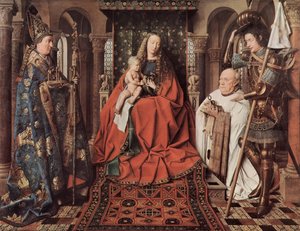
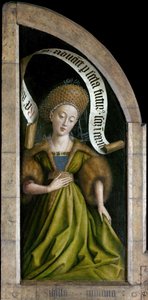
Уметничко наслеђе Жана ван Ејка оверено је релативно малим, али изузетно утицајним корпусом рада. Гентски олтар (1432), монументални полиптих, представља његов најамбициозни подухват – сложену тезуру религиозне симболике и техничке бриљиантности. Потврда је и Портрет Ђованија Арнолфиниа и његове супруге (1434), револуционарно дело у портрету, познато по свом реализму, детаљној изради и енигматској симболици. Друга запазила дела укључују Дрезденски триптих, који демонстрира његову способност да приказује религиозна сцена са изузетном јасноћом, и задивљујући Човек у плавом намету, сведочанство о способности да се ухвати индивидуални карактер. Ова дела нису само визуелне репрезентације; они су прозори у други свет – свет пажљиво рендеран са скоро опседнутом пажњом на детаље. Утицај Жана ван Ејка се протеже далеко изван ових икона, обликујући развој ранонедерландског сликарства и инспиришући безброј уметника вековима уназад. Преминуо је у Брижу 1441. године, оставивши за собом наслеђе које наставља да резонира данас, подсећајући нас на моћ уметности да осветљава човечко искуство.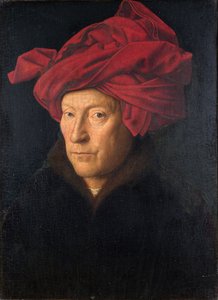
Jan Van Ejck
1390 - 1441 , Немачка
Osnovne informacije
- Datum Rođenja: c. 1390
- Datum Smrti: 1441
- Mesto Rođenja: Maastricht, Holandija
- Nacionalnost: Fleminski
- Puno Ime: Jan van Eyck
- Umetnici Pod Uticajem: ['Rana holandska škola']
- Umetnički Pokret: Rana holandska škola
- Značajna Dela:
- Gentski oltar
- Portret Arnolfinija
- Drezdenski triptih
- Čovek u plavom turbanu
Povezani članci

Early Netherlandish Masters: 10 Paintings That Revolutionized Art & Decor
Journey into the world of Early Netherlandish painting! Explore 10 masterpieces by Jan van Eyck, Rogier van der Weyden & more. Discover stunning detail, symbolism & Renaissance art for your home decor. Find museum-quality reproductions on ArtsDot.com
Jan van Eyck: Innovation, Symbolism & the Dawn of Early Netherlandish Painting
Explore the revolutionary art of Jan van Eyck! Discover his groundbreaking oil painting techniques, hidden symbolism, and lasting impact on the Early Netherlandish Renaissance. A deep dive for art enthusiasts.

Early Netherlandish Masters: 10 Paintings That Revolutionized Art & Decor
Journey into the Early Netherlandish Renaissance! Explore 10 iconic paintings by Jan van Eyck, Rogier van der Weyden & more. Discover stunning detail, symbolism, and oil painting techniques. Find museum-quality art reproductions for your home at ArtsDot.com.
The Northern Renaissance: A Flourishing of Realism, Religious Reform & Artistic Innovation
Explore the Northern Renaissance! Discover Jan van Eyck's innovations, religious shifts, & key artists of this influential period. Expert analysis and insights into Early Netherlandish painting at ArtsDot.

Rembrandt van Rijn: 25 Majstorstava Svetla i Senke za Vaš Dom | ArtsDot
Uronite u svet Rembrandta van Rijna! Otkrijte 25 najlepših dela holandskog majstora – portrete, istorijske scene i biblijska platna. Kvalitetne reprodukcije slika za dekoraciju enterijera dostupne na ArtsDot.com.