 Pregledaj u prostoru
 Pošalji
 Podeli
 Detalji o delu

 Преузми
 Slični predmeti
 Rendgenski snimak
 Slajdovi
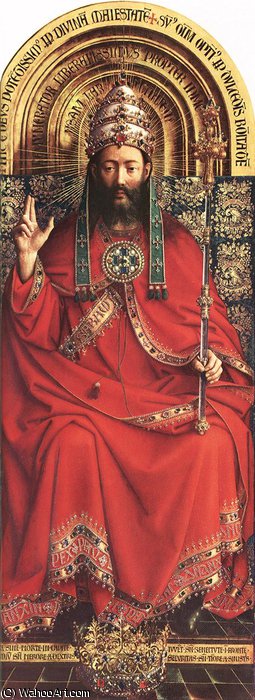
the ghent altarpiece god almighty

 Pročitaj više
Ručno rađena uljana reprodukcija
Ručno oslikano uljanim bojama na platnu u dimenzijama i okviru po vašem izboru, izrađeno po porudžbini od strane naših umetnika. ( Kupi print Kupi digitalnu sliku)




P118B $10

P118H $10

P118W $10

P438Z $10

P508JH $12

P508YH $12

P805H $10

P805Z $10

P919BZ $10

P919G $10

P919XJ $10

P959ZH $10

P968JZ $12

W106C $8

W218G $10

W218JH $8

W218Y $10

W307PJ $10

W316G $10

W316PJ $8

W316Y $10

W398PJ $8

W4111J $10

W500HY $15

W500JH $15

W692G $12

W849H $8

W940BG $15

W953PJ $8




Izaberite jednu od naših unapred definisanih veličina koje odgovaraju originalnim proporcijama umetničkog dela.

Можете унети сопствене димензије како бисте прилагодили дело одређеном оквиру или простору. Ако одабрана величина не одговара пропорцијама оригинала, слика ће бити исечена или проширена додатним елементима који се ручно насликавају. Дигитални prikaz ће вам бити послат на одобрење пре почетка производње.
Имајте на уму да преглед на екрану не одражава стварно исецање или проширење. Само приказ (mockup) ће тачно приказати коначну композицију.
Иако су доступне прилагођене величине, препоручујемо да одаберете димензију из дефинисане листе како бисте сачували оригиналне пропорције.
Nakon narudžbine, tim ArtsDot.com će klijentu putem e-pošte poslati uputstva i dostaviti prikaz predloženog rešenja
Isporuka širom sveta () za 3/4 nedelje umesto uobičajenih 5 nedelja. (25 август). Bez kompromisa po pitanju kvaliteta.

Besplatna ekspresna dostava širom sveta

Visokokvalitetno laneno platno

Kompletno osiguranje transporta

Garancija povraćaja carine i uvoznih dažbina

Garancija vernosti boja

Politika povrata u roku od 60 dana (samo u slučaju nedostataka)

Garancija povrata novca od 100%

Popust pri grupnoj kupovini
 Opcija sa staklom dostupna je samo za dimenzije manje od 110 cm

the ghent altarpiece god almighty
Tehnika reprodukcije
Dimenzije reprodukcije
-


Konačna cena
$ 263
Opis umetničkog dela
The Divine Tapestry: Jan van Eyck’s Ghent Altarpiece
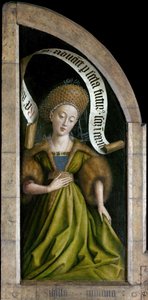
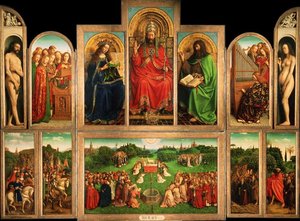
Within the hallowed halls of St Bavo's Cathedral in Ghent resides a masterpiece that transcends mere paint and canvas—the Ghent Altarpiece, or as it’s known in Dutch, “De aanbidding van het Lam Gods.” Completed around 1432 by the visionary brothers Jan and Hubert van Eyck, this monumental polyptych isn’t simply a religious tableau; it's an immersive experience, a testament to early Netherlandish artistry, and a window into the soul of fifteenth-century Europe. More than six centuries after its creation, the altarpiece continues to captivate viewers with its astonishing detail, profound symbolism, and the sheer audacity of its ambition.
The scale alone is breathtaking – nearly 12 feet tall and over 23 feet wide when fully open. This immense size wasn’t merely for show; it was a deliberate choice to envelop the viewer in the scene depicted, transporting them into the heart of the divine narrative. The brothers van Eyck were pioneers, not just in technique but also in concept. They moved beyond the stylized representations of medieval art, striving for an unprecedented level of realism—a commitment to capturing the textures of fabric, the gleam of metal, and the subtle nuances of human expression that would define the Early Netherlandish style. Jan van Eyck’s meticulous approach is particularly evident in the rendering of light; it seems to emanate from within the objects themselves, creating a palpable sense of depth and volume.
A Narrative Unfolding: Scenes from Heaven and Earth
The altarpiece unfolds like a meticulously crafted book, divided into two distinct registers. The outer panels depict scenes from the Old Testament – the adoration of the Magi, the Massacre of the Innocents, and the Killing of Abel—serving as a bridge between the earthly realm and the divine promise of salvation. These narratives are not merely decorative; they establish a theological framework for the central panel, which portrays the Annunciation, the moment when the Archangel Gabriel informs Mary that she will conceive Jesus Christ. The figures themselves are rendered with astonishing precision: Mary’s serene expression, the delicate folds of her robe, and the intricate details of Gabriel's wings all speak to the brothers’ mastery of observation and representation.
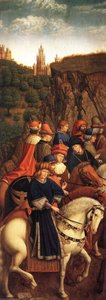
The inner panels, revealed when the altarpiece is opened, depict a heavenly vision. At its heart lies “The Deësis,” a profoundly moving image of God the Father flanked by Mary and John the Baptist. This central panel embodies the concept of intercession—a plea for divine mercy offered through these two figures. The surrounding panels showcase angels playing music, symbolizing the harmony of creation, and on either side, portraits of Adam and Eve, representing humanity’s fallen state and its potential for redemption. The use of gold leaf throughout the altarpiece further elevates the scene, suggesting the glory and majesty of God's realm.
Symbolism Woven into Every Detail
Beyond their narrative function, each element within the Ghent Altarpiece is laden with symbolic meaning. The lilies held by Gabriel represent Mary’s purity and virginity, while the dove hovering above her signifies the Holy Spirit—the divine power that brought about Christ's conception. The use of ultramarine blue, derived from lapis lazuli (a pigment incredibly expensive at the time), is particularly striking, signifying royalty and divinity. Even the architectural details – the columns, arches, and windows – are imbued with symbolic significance, reflecting the medieval understanding of space and order.
The inclusion of donor portraits—the figures of Joost Vijdt and his wife Lysbette Borluut—is a unique feature of the altarpiece. These depictions served as a testament to the patrons’ piety and generosity, ensuring their place within this sacred narrative. Their presence underscores the intimate connection between art and faith in fifteenth-century society.
A Legacy of Innovation
The Ghent Altarpiece stands as a pivotal work in the history of Western art. It represents a radical departure from the conventions of medieval painting, embracing realism, perspective, and meticulous detail to an unprecedented degree. Jan van Eyck’s pioneering use of oil paint—a technique that allowed for greater luminosity and richer colors than tempera—revolutionized artistic practice and paved the way for future generations of painters. The altarpiece's enduring appeal lies not only in its technical brilliance but also in its profound spiritual depth, offering a timeless meditation on faith, humanity, and the divine.
Today, meticulously restored after surviving centuries of turmoil, including being hidden during the Reformation and briefly held as a Nazi trophy, the Ghent Altarpiece continues to inspire awe and wonder. Reproductions offer a glimpse into this extraordinary masterpiece, allowing its beauty and complexity to be appreciated by a wider audience.
Srodna umetnička dela
Biografija umetnika
Жаном ван Ејком: Мајстор светлости и реализма
Жан ван Ејк, име које је непроцењиво у свету ранонедерландског сликарства и револуционарској употреби уљане боје, остаје енигматична фигура упркос његовом огромном утицају на историју уметности. Рођен око 1390. године у Мастрихту, у оно што је сада Холандија, ван Ејк је потекао из породице дубоко у корену у уметничкој традицији – његов старији брат Хуберт такође је био сликар, иако детаљи о његовом раду остају недовољно познати. Иако су тачни подаци о његовом животу ретки, посебно о годинама формирања, јасно је да је Жан поседовао урођену надареност и брзо се узпео у уметничке кругове свог времена. Већ 1422. године основао је радионицу у Хагу, запошљавајући помоћнике и подузевши поруџбине које су најављивале његову мајсторску вештину. Овај рани успех није био заснован само на уметничкој вештини; Жан је био човек интелигенције и поверљивости, особине које ће ускоро привући пажњу моћних покровитеља.У служби Бургундије: Дипломатија и уметнички процват
Преломни тренутак у каријери Жана ван Ејка наступио је када је именован за двор бургундског жупана, прво под Јоханом III Бесстрашним, а касније Филипом Добрим. Ово није било само спонзорско распоређивање; Жан је био поверен са дипломатским мисијама, што је демонстрирало поверење жупана у његову дискрецију и интелект. Ова путовања преко Европе – укључујући авантуре у Португалију и Шпанију – изложила су га различитим културама и уметничким утицајима, фино обликујући његов еволуирајући стил. Двор је пружио не само финансијску сигурност, већ и приступ ресурсима који су омогућавали Жану да се бави амбициозним пројектима, гурајући границе онога што је уметнички било постигнуто. Он није био само сликар *за* бургундску елиту; постао је део њиховог света, одражавајући и побољшавајући њихов углед својом уметношћу. Ова јединствена позиција пружила му је ниво уметничке слободе кога ретко којим сликаром тадашњег доба је било стало.Алхемија уља: Револуција у техници
Иако није измислио уљну боју – њену употребу претходи Жану – он је несумњиво савршено овладао њом. Пре његових иновација, темпера је била доминантна техника, која нуди ограничене могућности мешања и релативно мат завршни слој. Жан је откључао пуни потенцијал уљане боје кроз пажљиво наслагање наносних глазура, постижући невиђен ниво детаља, луминиозности и реализма. Ова техника омогућила је суптилне градијенте тона, богатије боје и стварање текстура које су имитирале живот саме по себи. Ефекат је био трансформативан; површине су изгледале да светлују изнутра, тканине су поседовале тактилну квалитету, а портрети су заувек ухватили не само сликовиње, већ и психолошку дубину. Његова мајсторска вештина није била само техничка – био је то алхемијски процес, који је претварао пигменте у нешто попут живог стварности. Ова иновација није остала незапажена; постала је основа за генерације сликара који су следили, фундаментално мењајући изглед западне уметности.Мајсторска дела и трајно наслеђе
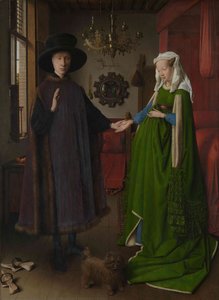
Уметничко наслеђе Жана ван Ејка оверено је релативно малим, али изузетно утицајним корпусом рада. Гентски олтар (1432), монументални полиптих, представља његов најамбициозни подухват – сложену тезуру религиозне симболике и техничке бриљиантности. Потврда је и Портрет Ђованија Арнолфиниа и његове супруге (1434), револуционарно дело у портрету, познато по свом реализму, детаљној изради и енигматској симболици. Друга запазила дела укључују Дрезденски триптих, који демонстрира његову способност да приказује религиозна сцена са изузетном јасноћом, и задивљујући Човек у плавом намету, сведочанство о способности да се ухвати индивидуални карактер. Ова дела нису само визуелне репрезентације; они су прозори у други свет – свет пажљиво рендеран са скоро опседнутом пажњом на детаље. Утицај Жана ван Ејка се протеже далеко изван ових икона, обликујући развој ранонедерландског сликарства и инспиришући безброј уметника вековима уназад. Преминуо је у Брижу 1441. године, оставивши за собом наслеђе које наставља да резонира данас, подсећајући нас на моћ уметности да осветљава човечко искуство.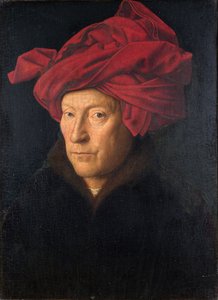
Jan Van Ejck
1390 - 1441 , Немачка
Osnovne informacije
- Datum Rođenja: c. 1390
- Datum Smrti: 1441
- Mesto Rođenja: Maastricht, Holandija
- Nacionalnost: Fleminski
- Puno Ime: Jan van Eyck
- Umetnici Pod Uticajem: ['Rana holandska škola']
- Umetnički Pokret: Rana holandska škola
- Značajna Dela:
- Gentski oltar
- Portret Arnolfinija
- Drezdenski triptih
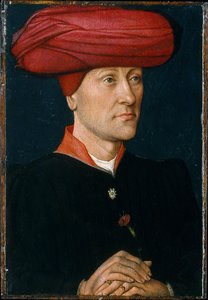
- Čovek u plavom turbanu
Povezani članci

Early Netherlandish Masters: 10 Paintings That Revolutionized Art & Decor
Journey into the world of Early Netherlandish painting! Explore 10 masterpieces by Jan van Eyck, Rogier van der Weyden & more. Discover stunning detail, symbolism & Renaissance art for your home decor. Find museum-quality reproductions on ArtsDot.com
Jan van Eyck: Innovation, Symbolism & the Dawn of Early Netherlandish Painting
Explore the revolutionary art of Jan van Eyck! Discover his groundbreaking oil painting techniques, hidden symbolism, and lasting impact on the Early Netherlandish Renaissance. A deep dive for art enthusiasts.
Early Netherlandish Masters: 10 Paintings That Revolutionized Art & Decor
Journey into the Early Netherlandish Renaissance! Explore 10 iconic paintings by Jan van Eyck, Rogier van der Weyden & more. Discover stunning detail, symbolism, and oil painting techniques. Find museum-quality art reproductions for your home at ArtsDot.com.
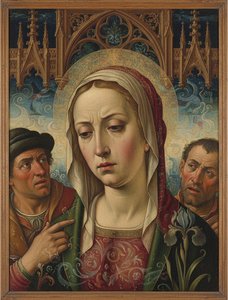
Hugo van der Goes: Devotion, Innovation & the Psychological Depth of Early Netherlandish Painting
Explore the revolutionary art of Hugo van der Goes – a master of Early Netherlandish painting renowned for his dramatic realism, psychological depth & profound influence on Renaissance artists. Discover his iconic works and lasting legacy.
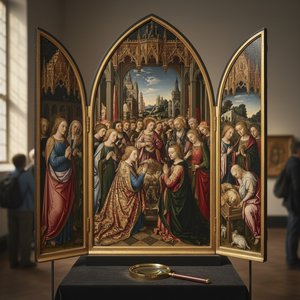
Illuminating Realism: A Comprehensive Exploration of the Early Netherlandish Renaissance Movement
Explore the captivating world of Early Netherlandish painting! Discover Jan van Eyck & other Flemish masters, their revolutionary techniques, hidden symbolism, and lasting legacy. A comprehensive guide for art enthusiasts.