

 Pregledaj u prostoru
 Pošalji
 Podeli
 Detalji o delu

 Преузми
 Slični predmeti
 Rendgenski snimak
 Slajdovi
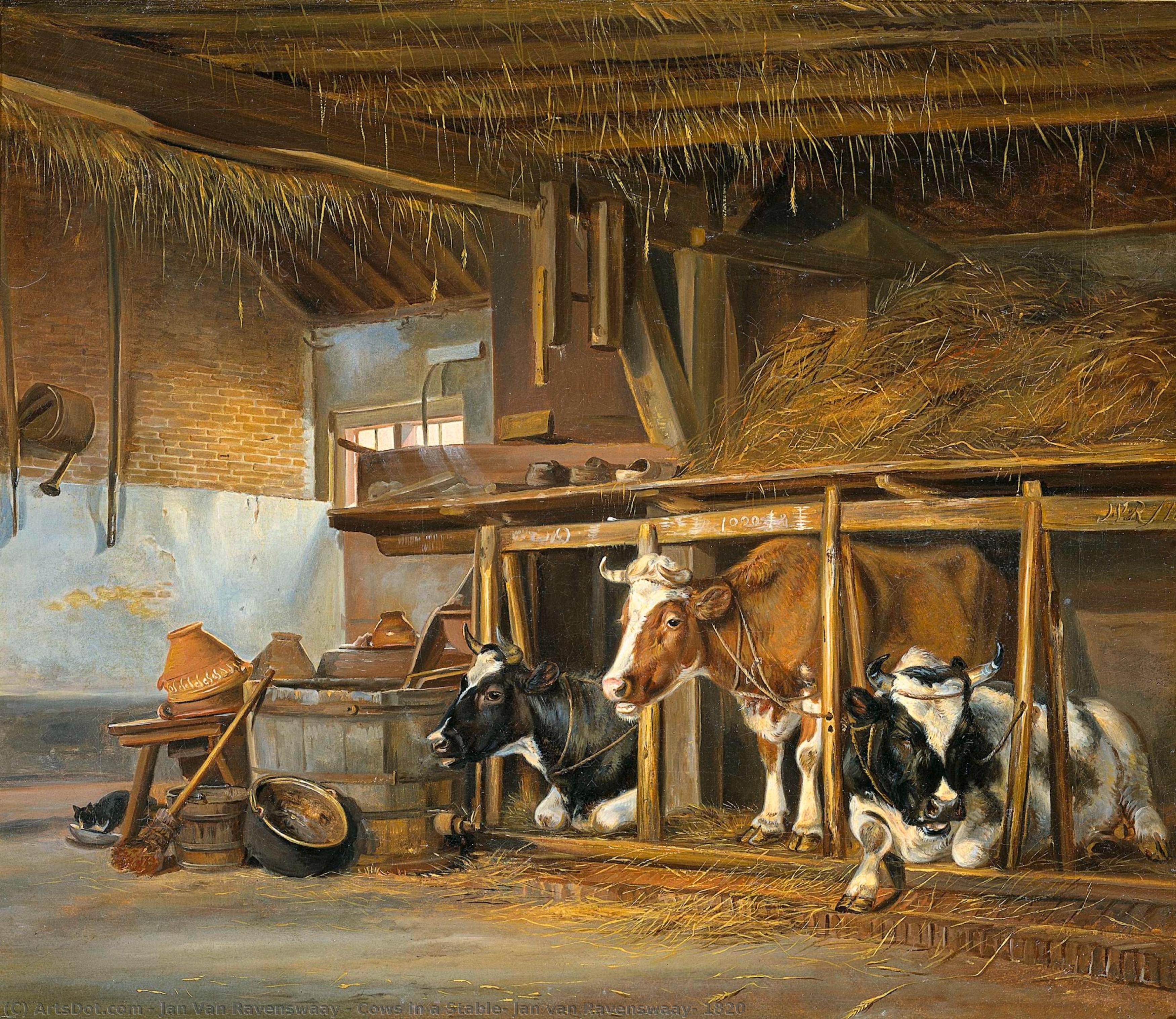
Cows in a Stable, Jan van Ravenswaay, 1820
 1820
1820 39.0 x 46.0 cm
 Pročitaj više
Ručno rađena uljana reprodukcija
Ručno oslikano uljanim bojama na platnu u dimenzijama i okviru po vašem izboru, izrađeno po porudžbini od strane naših umetnika. ( Kupi print Kupi digitalnu sliku)




































Izaberite jednu od naših unapred definisanih veličina koje odgovaraju originalnim proporcijama umetničkog dela.

Можете унети сопствене димензије како бисте прилагодили дело одређеном оквиру или простору. Ако одабрана величина не одговара пропорцијама оригинала, слика ће бити исечена или проширена додатним елементима који се ручно насликавају. Дигитални prikaz ће вам бити послат на одобрење пре почетка производње.
Имајте на уму да преглед на екрану не одражава стварно исецање или проширење. Само приказ (mockup) ће тачно приказати коначну композицију.
Иако су доступне прилагођене величине, препоручујемо да одаберете димензију из дефинисане листе како бисте сачували оригиналне пропорције.
Nakon narudžbine, tim ArtsDot.com će klijentu putem e-pošte poslati uputstva i dostaviti prikaz predloženog rešenja
Isporuka širom sveta () za 3/4 nedelje umesto uobičajenih 5 nedelja. (30 август). Bez kompromisa po pitanju kvaliteta.

Besplatna ekspresna dostava širom sveta

Visokokvalitetno laneno platno

Kompletno osiguranje transporta

Garancija povraćaja carine i uvoznih dažbina

Garancija vernosti boja

Politika povrata u roku od 60 dana (samo u slučaju nedostataka)

Garancija povrata novca od 100%

Popust pri grupnoj kupovini
 Opcija sa staklom dostupna je samo za dimenzije manje od 110 cm

Cows in a Stable, Jan van Ravenswaay, 1820
Tehnika reprodukcije
Dimenzije reprodukcije
-


Konačna cena
$ 263
Srodna umetnička dela







Biografija umetnika
Jan van Ravenswaay: A Master of Dutch Pastoral Landscapes
Jan van Ravenswaay (28 November 1789, Hilversum – 2 March 1869, Hilversum) stands as a significant figure in 19th-century Dutch landscape painting, renowned for his serene and meticulously detailed depictions of the rural Netherlands. Born into a family of cotton mill owners in the small town of Hilversum, Ravenswaay’s artistic journey began at a young age, initially with drawing lessons under Jordanus Hoorn in Amersfoort before progressing to the tutelage of Pieter Gerardus van Os. This early foundation instilled within him a deep appreciation for observation and technical skill – qualities that would become hallmarks of his mature work.Early Life and Artistic Training
Ravenswaay’s formative years were marked by a deliberate immersion in the artistic world. He embarked on extensive travels throughout Belgium, Germany, and Switzerland, absorbing diverse influences and broadening his understanding of landscape painting techniques. These journeys weren't merely excursions; they served as crucial periods of study and experimentation, allowing him to refine his style and develop a unique perspective. Returning to Amsterdam, he joined the prestigious Royal Academy of Art, further honing his skills within a formal artistic environment. A notable early achievement was an honorable mention at the Felix Meritis competition in 1818 for a landscape painting – a recognition that signaled his growing talent and established him as a promising artist.Membership and Artistic Society
In 1832, Ravenswaay’s reputation solidified with his acceptance into the influential artist society Arti Sacrum in Rotterdam. This membership provided him with invaluable opportunities for exhibition, collaboration, and professional development. Arti Sacrum fostered a vibrant artistic community dedicated to depicting scenes of rural life and religious subjects, aligning perfectly with Ravenswaay's chosen subject matter. He became a respected mentor, nurturing the talents of promising artists such as Jacobus Theodorus Abels and Remigius Adrianus Haanen, passing on his knowledge and techniques through instruction. Interestingly, his niece, Adriana van Ravenswaay, also followed in his artistic footsteps, demonstrating a family legacy of creative expression.Subject Matter and Technique
Ravenswaay’s paintings primarily focused on the landscapes of the northern Netherlands – rolling fields dotted with grazing cattle, meticulously rendered farmyards, and tranquil waterways reflecting the changing light. He possessed an extraordinary ability to capture the subtle nuances of nature, from the texture of rough-hewn fences to the shimmering surface of a pond. His technique was characterized by painstaking detail, achieved through careful observation and precise brushwork. He frequently depicted scenes of rural life, offering glimpses into the daily routines of farmers and laborers – a subject matter that resonated with the Romantic sensibility prevalent during his time. The use of light and shadow played a crucial role in creating depth and atmosphere within his compositions, imbuing them with a sense of realism and tranquility.Legacy and Recognition
Jan van Ravenswaay’s work continues to be appreciated for its technical mastery, serene beauty, and evocative portrayal of the Dutch countryside. His paintings are held in prominent collections across the Netherlands, including the Rijksmuseum and Teylers Museum, testament to his enduring artistic legacy. His influence can also be seen in the works of subsequent generations of landscape painters. While he may not be as widely celebrated as some of his contemporaries, Jan van Ravenswaay remains a significant contributor to Dutch art history – a quiet observer who captured the essence of rural life with remarkable skill and sensitivity. His dedication to portraying the beauty of the Netherlands has secured his place as a master of pastoral landscapes.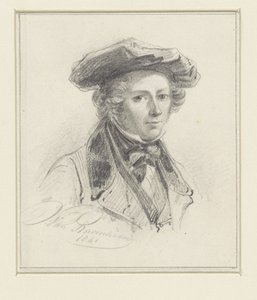
Jan van Ravenswaay
1789 - 1869 , Netherlands
Osnovne informacije
- Artistic Movement Or Style: Landscape painting
- Artists Or Movements Influenced By This Artist:
- Arti Sacrum
- Romanticism
- Artists Who Influenced This Artist:
- Jordanus Hoorn
- Pieter van Os
- Date Of Birth: November 28, 1789
- Date Of Death: March 2, 1869
- Full Name: Jan van Ravenswaay
- Nationality: Dutch
- Notable Artworks:
- Self-Portrait
- Cow Landscapes
- Stall Interiors
- Place Of Birth: Hilversum, Netherlands

