Meni
Pregledaj u prostoruPregledaj u prostoru AR pregledAR pregled Switch to Print Switch to PrintKupi ručno naslikanu sliku Kupi ručno naslikanu sliku PošaljiPošalji
Detalji o deluDetalji o delu Dodaj u omiljene Dodaj u omiljene ПреузмиПреузми Slični predmetiSlični predmeti Rendgenski snimakRendgenski snimak SlajdoviSlajdovi StatsStats

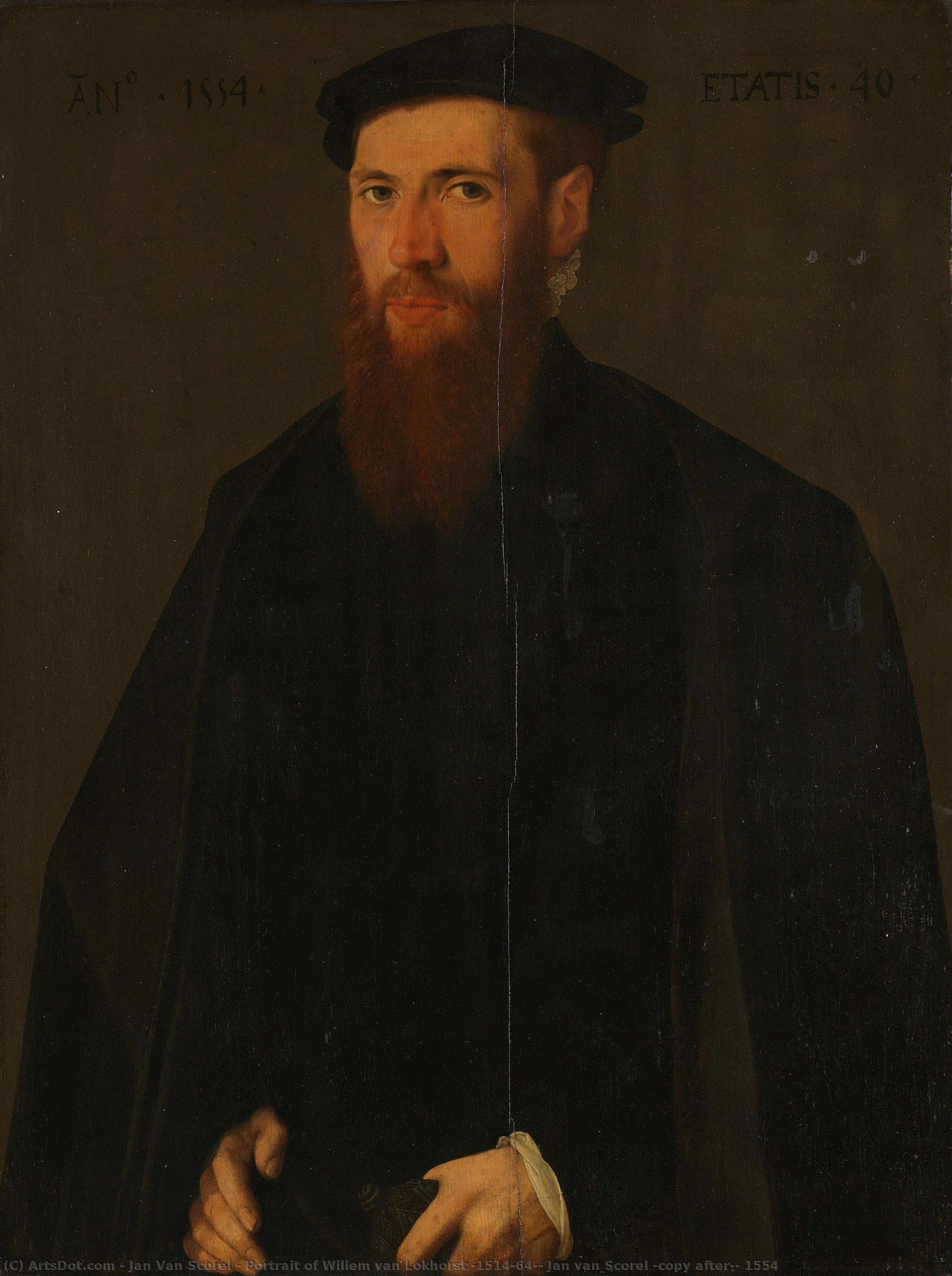
Portrait of Willem van Lokhorst (1514-64), Jan van Scorel (copy after), 1554

  • Datum nastanka1554
  • Dimenzije64.0 x 49.0 cm

Istražite jedinstveni spoj holandske i italijanske renesansne umetnosti Jana van Scorela! Otkrijte njegov romanistički stil, saradnje i kultna dela poput 'Sippenaltar'. #arthistory #renaissance

Kupite digitalnu sliku visoke rezolucije i poboljšanog kvaliteta, koja je znatno superiornija od onoga što vidite u online prikazu.

Svaka datoteka je pedantno pripremljena od strane naših stručnjaka koristeći napredne alate i profesionalnu ručnu retušu. Osiguravamo da svaka slika ima izuzetnu oštrinu, preciznu reprodukciju boja i fine detalje.

Konačna datoteka se dostavlja putem e-pošte u roku od 72 sata, optimizovana za neposrednu upotrebu u profesionalnim, izdavačkim i štamparskim okruženjima. To je isti kvalitet kojem veruju vrhunski studiji dizajna, izdavači i galerije.

Digitalna slika

Preuzmite datoteku visoke rezolucije za ličnu upotrebu, štampanje i kreativne projekte. (Switch to Print Switch to PrintKupi ručno naslikanu sliku Kupi ručno naslikanu sliku)

Ukupna cena

$ 24,00

Uključeno uz svaku porudžbinu digitalne slike

Profesionalna digitalna isporuka, zagarantovana

Kada odaberete ArtsDot.com, ne dobijate samo sliku – vi primate profesionalno unapređeno digitalno umetničko delo, izrađeno sa najvećom preciznošću i uz garanciju zadovoljstva. Evo svega što automatski dolazi uz vašu porudžbinu:

shipping_icon
Brza dostava putem e-pošte

Vaša digitalna slika visoke rezolucije biće vam poslata putem e-pošte u roku od 72 sata od poručivanja – spremna za trenutnu upotrebu.

canvas_icon
Digitalna datoteka unapređena veštačkom inteligencijom

Vaše umetničko delo je profesionalno optimizovano korišćenjem naprednih AI alata i ručne obrade, čime se osiguravaju maksimalni detalji, oštrina i preciznost boja.

insurance_icon
Besplatna ponovna isporuka doživotno

Slučajno ste obrisali ili izgubili svoju datoteku? Ne brinite – poslaćemo vam je ponovo u bilo kom trenutku, potpuno besplatno.

tax_icon
Bez troškova uvoza – zauvek

Uživajte u svojim umetničkim delima trenutno, bez carine, dažbina ili troškova dostave – digitalni download je uvek bez poreza.

color_icon
Garancija vernosti boja

Uz pomoć profesionalnih alata i upravljanja bojama, osiguravamo da vaša digitalna slika što vernije odražava originalne boje.

return_icon
Garancija zadovoljstva od 100 dana

Ako niste zadovoljni svojom digitalnom slikom, izvršićemo reviziju ili ćemo vam vratiti 100% novca u roku od 100 dana – bez ikakvih pitanja.

guarantee_icon
100% garancija povrata novca

Niste zadovoljni? Dobijte puni povraćaj novca u roku od 100 dana od prijema digitalne datoteke – bez suvišnih pitanja.

discount_icon
Popusti na velike porudžbine

Kupite 3 slike, uštedite 10% - Kupite 5 slika, uštedite 15% - Kupite 10+ slika, uštedite 20%. Odlično za kreativne projekte, galerije i agencije.

Portrayed half-length, Willem van Lokhorst, Lord of Lokhorst, stands before a greenish-grey background, wearing a black baret and cloak over a black garment whose appearance is somewhat difficult to make out due to the painting’s condition. As he looks out at the viewer, Willem’s right hand rests on his hip while the left grasps the hilt of a sword. The identification of the sitter was made by Hoogewerff, who noted the similarity to the portrait of Willem van Lokhorst in Münster.9 The Münster portrait’s identification derives from the Lokhorst coat of arms in the upper right corner and a description of the painting in a 17th-century inventory as ‘tconterfeytsel van Heer Wilm van Lockhorst Heere van Lockhorst Heemsteede Slijdrecht etc’ (portrait of Sir Wil[le]m van Lockhorst, Lord of Lochorst, Heemstede, Slijdrecht, etc.).10 It is well known that Jan van Scorel had close connections to members of the Lokhorst family, particularly the Utrecht clerics, Herman van Lokhorst, Dean of Oldminster (St Saviour’s) and his natural son, Willem, who was one of Scorel’s fellow canons in the Utrecht Mariakerk. Scorel and Willem probably met in Rome, where both stayed on for a while after the untimely death of the Dutch pope, Adrian VI, in September 1523. It was probably through Willem that Scorel met Herman van Lokhorst, who became the artist’s important benefactor and patron upon his return to Utrecht from Italy.11 The sitter in this portrait, however, is a member of the knightly branch of the Lokhorst family. He is Willem, the son of Gerrit van Lokhorst, Lord of Lokhorst, whom some believe is the knight portrayed on the outer wings of Jan van Scorel’s Lokhorst Triptych in Utrecht.12 Willem belonged to the branch of the family that settled in Leiden, where he was not only a burgomaster but also a member of the town council and the polder board (‘hoogheemraad’) of Rijnland.13 In 1549, Willem inherited the title, Lord of Lokhorst, which later passed to his brother, Vincent, along with the seigniories of Heemstede, Lievendael, Slydrecht and others. Upon Vincent’s death in 1595, this branch of the Lokhorst family died out.14 Comparison of the Rijksmuseum painting with the portrait of Willem van Lokhorst in Münster reveals telling similarities and differences. It was not until 1997 that the Münster portrait was associated with Jan van Scorel by Faries.15 Before that it had usually been considered a work by Maarten van Heemskerck, because it was described as such in the 1651 inventory.16 Only De Vries deviated from the general opinion and made reference to Antonio Moro.17 In 1980, Grosshans rightly de-attributed the work, noting the lack of any stylistic similarities to Heemskerck’s portraiture.18 Without question, the modelling in Willem’s face in Münster follows Scorel’s portrait method: there is an impasto build-up in the forehead and around the eyes, while the nose and cheek are painted more thinly, bringing out the planar structure of the head.19 The steady gaze out at the viewer, in this case of Willem’s blue-grey eyes, is a typical feature of Scorel’s portraits. The technique is also similar, for although only a little underdrawing could be revealed in the face, long, undulating contours - probably in black chalk - were detected in the hands.20 The features in the Amsterdam portrait are identical to those in Münster: the shape of the head, fleshy mouth, nose, angled, upper eyelids, and prominent cheekbone are exactly the same. A computer overlay of the two heads yielded an almost exact match in every detail.21 The painting technique differs, however, since the Amsterdam portrait lacks texture and is modelled in a flatter, more schematic manner, as might be expected of a copy. The 1554 date accords well with the dendrochronological estimate. Although these dates still fall in Jan van Scorel’s lifetime, there are no obvious aspects of technique or execution that would allow us to consider the Rijksmuseum portrait a product of Scorel’s workshop. Since the two paintings must nonetheless be related, it is likely that the Amsterdam painting was based on the Münster portrait or a model common to both. M. Faries, 2010 Literature updated, 2016

Biografija umetnika

Rani život i edukacija

Jan van Scorel, istaknuti holandski slikar, rođen je u mestu Schoorl u Holandiji 1495. godine. Iako njegovo rano detinjstvo i proces obrazovanja nisu detaljno dokumentovani, veruje se da je sticao znanje pod okriljem raznih majstora, uključujući Pieter Gerritsza u Haarlemu, Jacoba Cornelisa u Amsterdamu ili Jana Gossaerta u Utrehtu.

Karijera i uticaji

Van Scorelov put kroz Evropu vodio ga je do Italije, gde je s apsolutnom posvećenošću upijao italijanski stil slikarstva, postajući jedan od pionira romanističkog stila. Njegov umetnički izraz bio je duboko prožet uticajem Giorgionea, a ostavio je i značajan trag kroz saradnju sa Maartenom van Heemskerckom. Van Scorelova iskustva u Jerusalimu verno su prikazana u mnogim njegovim kasnijim delima, predstavljajući jedinstveni spoj holandskog i italijanskog umetničkog duha.

Značajna dela i nasleđe

Među najznačajnija ostvarenja ovog umetnika izdvajaju se:
  • Sippenaltar (1520), dovršen u selu Obervellach
  • Portreti, oltari i pejzaži, od kojih su mnogi uništeni tokom ikonoklazme tokom Reformacije
  • Saradnje sa Maartenom van Heemskerckom i Mikelangelom
Van Scorelovo nasleđe obeleženo je njegovim značajnim doprinosom holandskoj renesansi, kroz uvođenje italijanskih elemenata u nederlandsko slikarstvo. Njegova dela su dostupna u brojnim muzejima, uključujući Van Gogh muzej (Holandija), koji čuva i bogatu kolekciju dela samog Van Gogha.

Umetnički stil i značaj

Ključni aspekti Van Scorelovog stila:
  • Sjedinjavanje italijanskih i holandskih uticaja
  • Primena romanističkih stilova u nederlandskom slikarstvu
  • Saradnja sa najistaknutijim umetnicima tog doba
Van Scorelovo delo predstavlja veličanstven svedočanstvo kulturnog razmene i umetničke inovacije renesansnog perioda, čije inspiracije i danas neprestano pokreću ljubitelje umetnosti i istoričare.

Dodatna literatura i izvori

Za više informacija o Janu van Scorelu i njegovim delima, posetite:
Jan Van Scorel

Jan Van Scorel

1495 - 1562 , Holandija

Kratke činjenice

  • Artistic Movement Or Style: Romanistički, Renesansa
  • Artists Or Movements Influenced By This Artist:
    • Maarten van Heemskerck
    • Italijanska renesansa
  • Artists Who Influenced This Artist:
    • Pieter Gerritsz
    • Jacob Cornelisz
    • Jan Gossaert
    • Giorgione
  • Date Of Birth: 1495-08-01
  • Date Of Death: 1562-12-06
  • Full Name: Jan van Scorel
  • Nationality: Holandski
  • Notable Artworks:
    • Sippenaltar
    • Marija Magdalena (Scorel)
  • Place Of Birth: Shorl, Holandija