

 Pregledaj u prostoru
 Pošalji
 Podeli
 Detalji o delu

 Преузми
 Slični predmeti
 Rendgenski snimak
 Slajdovi
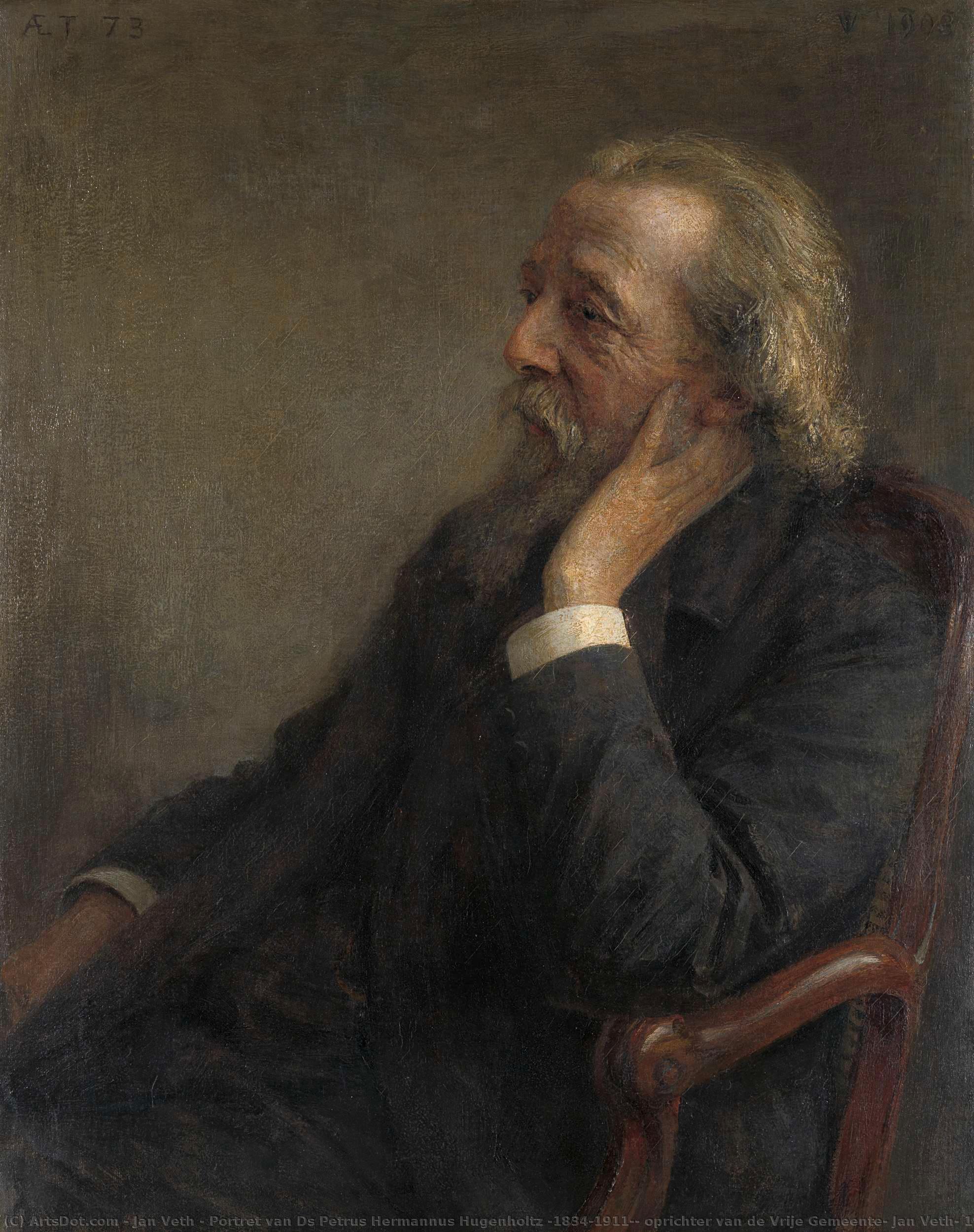
Portret van Ds Petrus Hermannus Hugenholtz (1834-1911), oprichter van de Vrije Gemeente, Jan Veth, 1908
 1908
1908 83.0 x 65.0 cm
 Pročitaj više
Ručno rađena uljana reprodukcija
Ručno oslikano uljanim bojama na platnu u dimenzijama i okviru po vašem izboru, izrađeno po porudžbini od strane naših umetnika. ( Kupi print Kupi digitalnu sliku)




































Izaberite jednu od naših unapred definisanih veličina koje odgovaraju originalnim proporcijama umetničkog dela.

Можете унети сопствене димензије како бисте прилагодили дело одређеном оквиру или простору. Ако одабрана величина не одговара пропорцијама оригинала, слика ће бити исечена или проширена додатним елементима који се ручно насликавају. Дигитални prikaz ће вам бити послат на одобрење пре почетка производње.
Имајте на уму да преглед на екрану не одражава стварно исецање или проширење. Само приказ (mockup) ће тачно приказати коначну композицију.
Иако су доступне прилагођене величине, препоручујемо да одаберете димензију из дефинисане листе како бисте сачували оригиналне пропорције.
Nakon narudžbine, tim ArtsDot.com će klijentu putem e-pošte poslati uputstva i dostaviti prikaz predloženog rešenja
Isporuka širom sveta () za 3/4 nedelje umesto uobičajenih 5 nedelja. (25 август). Bez kompromisa po pitanju kvaliteta.

Besplatna ekspresna dostava širom sveta

Visokokvalitetno laneno platno

Kompletno osiguranje transporta

Garancija povraćaja carine i uvoznih dažbina

Garancija vernosti boja

Politika povrata u roku od 60 dana (samo u slučaju nedostataka)

Garancija povrata novca od 100%

Popust pri grupnoj kupovini
 Opcija sa staklom dostupna je samo za dimenzije manje od 110 cm

Portret van Ds Petrus Hermannus Hugenholtz (1834-1911), oprichter van de Vrije Gemeente, Jan Veth, 1908
Tehnika reprodukcije
Dimenzije reprodukcije
-


Konačna cena
$ 263
Opis umetničkog dela
Srodna umetnička dela








Biografija umetnika
The Polymath of Dordrecht: The Life and Legacy of Jan Veth
Jan Pieter Veth was far more than a mere practitioner of the brush; he was a true Renaissance man of the Dutch fin de siècle, a figure whose intellect spanned the boundaries of painting, poetry, and academic critique. Born in 1864 in the historic city of Dordrecht, Veth entered the world as the scion of a prosperous merchant family. His father, Gerradus Huibert Veth, was a prominent iron magnate and a man of liberal political conviction, providing Jan with an upbringing rooted in both material stability and intellectual curiosity. This heritage of refinement and rigor would later manifest in his art, which sought to capture not just the physical likeness of his subjects, but the very essence of their character and social standing. The artist’s lineage was also deeply entwined with the Dutch artistic tradition. Through his mother, Anna Cornelia Giltay, Veth was a descendant of the celebrated Dordrecht painter Jacob van Strij. This ancestral connection to the masters of the past likely served as a silent mentor throughout his formative years, instilling in him a profound respect for the weight of history and the nuances of light and shadow. His formal education at the Rijksakademie van Beeldende Kunsten in Amsterdam further refined this innate talent, placing him at the heart of a burgeoning movement where tradition met the radical energy of modernity.A Convergence of Styles: From St. Luke to Impressionism
Veth’s artistic development was marked by a restless pursuit of innovation and a refusal to be confined by the rigid academicism of his era. Alongside a cohort of like-minded students, he became a founding member of the St. Luke Group, a collective that sought to challenge prevailing conventions through a commitment to naturalism and fresh perspectives. This period of his life was defined by a collaborative spirit, as he worked with peers to explore how painting could reflect the changing social and psychological landscapes of the late nineteenth century. A pivotal chapter in his stylistic evolution occurred during his time in Laren, where he worked closely with the renowned painter Anton Mauve. Under Mauve’s guidance, Veth began to absorb the principles of Impressionism, learning to manipulate color and light to capture the ephemeral qualities of atmosphere and emotion. This influence breathed a new vitality into his work, allowing him to move beyond mere documentation toward a more evocative, sensory experience. His ability to blend the structural integrity of classical portraiture with the luminous, fleeting textures of the Impressionist spirit became his hallmark, creating portraits that felt both timeless and immediate.The Portraitist as Chronicler of an Era
While his poetic endeavors and literary critiques earned him significant respect within the De Nieuwe Gids movement, it was in the realm of portraiture that Veth achieved his most enduring fame. He possessed a rare ability to navigate the complexities of his sitters' identities, rendering them with a psychological depth that resonated with the intellectual elite of his time. His gallery of subjects reads like a directory of European cultural significance, including:- Max Liebermann, the titan of German Impressionism.
- The esteemed painter Frank van der Goes.
- Prominent figures such as Antoon Derkinderen and Lambertus Zijl.
- Members of the Dutch royalty, including the poignant portrait of Queen Emma.
A Lasting Impression on Dutch Culture
The significance of Jan Veth extends far beyond the canvas. As a poet and university lecturer, he contributed to the intellectual fabric of the Netherlands, bridging the gap between the visual arts and the literary world. His work as an art critic provided a vital voice in the discourse of his time, helping to shape the aesthetic values of a generation. Even in his graphic design, such as the covers he created for contemporary literature, one can see the same meticulous attention to composition and symbolic resonance that defined his paintings. Though he passed away in Amsterdam in 1925, Veth’s contribution to the Dutch canon remains indelible. He stands as a testament to the power of a multidisciplinary life—a man who could find poetry in a landscape, truth in a portrait, and profound meaning in the delicate interplay of light upon a human countenance. His legacy continues to inspire those who seek to harmonize the analytical mind with the creative soul.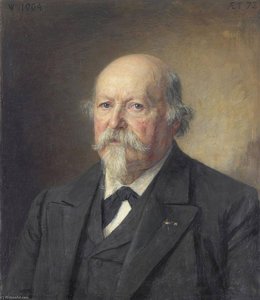
jan veth
1864 - 1925
Osnovne informacije
- Artistic Movement Or Style: Flemish Primitive influen
- Artists Or Movements Influenced By This Artist: ['St Luke Group']
- Artists Who Influenced This Artist:
- Jacob van strij
- Anton Mauve
- Date Of Birth: 1864
- Date Of Death: 1925
- Full Name: Jan Pieter Veth
- Nationality: Dutch
- Notable Artworks: ["The Painter's Studio"]
- Place Of Birth: Dordrecht, Netherlands

