

 Pregledaj u prostoru
 Pošalji
 Podeli
 Detalji o delu

 Преузми
 Slični predmeti
 Rendgenski snimak
 Slajdovi
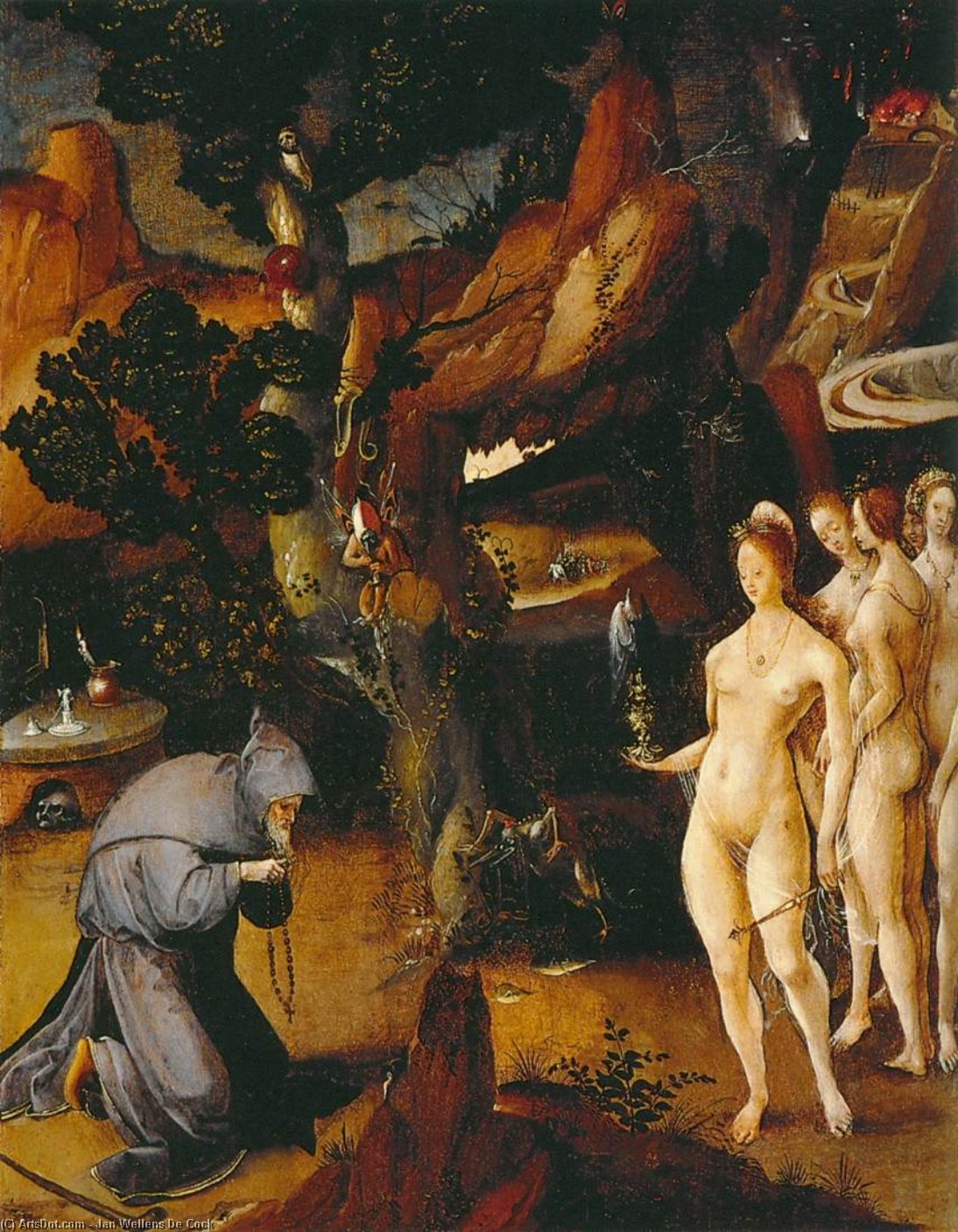
Temptation of St Anthony
 Oil On Canvas
- WallArt
- Renaissance
 1520
1520- Early Modern
 60.0 x 46.0 cm
 Museo Thyssen-Bornemisza
 Pročitaj više
Ručno rađena uljana reprodukcija
Ručno oslikano uljanim bojama na platnu u dimenzijama i okviru po vašem izboru, izrađeno po porudžbini od strane naših umetnika. ( Kupi print Kupi digitalnu sliku)




P118B $10

P118H $10

P118W $10

P438Z $10

P508JH $12

P508YH $12

P805H $10

P805Z $10

P919BZ $10

P919G $10

P919XJ $10

P959ZH $10

P968JZ $12

W106C $8

W218G $10

W218JH $8

W218Y $10

W307PJ $10

W316G $10

W316PJ $8

W316Y $10

W398PJ $8

W4111J $10

W500HY $15

W500JH $15

W692G $12

W849H $8

W940BG $15

W953PJ $8




Izaberite jednu od naših unapred definisanih veličina koje odgovaraju originalnim proporcijama umetničkog dela.

Можете унети сопствене димензије како бисте прилагодили дело одређеном оквиру или простору. Ако одабрана величина не одговара пропорцијама оригинала, слика ће бити исечена или проширена додатним елементима који се ручно насликавају. Дигитални prikaz ће вам бити послат на одобрење пре почетка производње.
Имајте на уму да преглед на екрану не одражава стварно исецање или проширење. Само приказ (mockup) ће тачно приказати коначну композицију.
Иако су доступне прилагођене величине, препоручујемо да одаберете димензију из дефинисане листе како бисте сачували оригиналне пропорције.
Nakon narudžbine, tim ArtsDot.com će klijentu putem e-pošte poslati uputstva i dostaviti prikaz predloženog rešenja
Isporuka širom sveta () za 3/4 nedelje umesto uobičajenih 5 nedelja. (28 август). Bez kompromisa po pitanju kvaliteta.

Besplatna ekspresna dostava širom sveta

Visokokvalitetno laneno platno

Kompletno osiguranje transporta

Garancija povraćaja carine i uvoznih dažbina

Garancija vernosti boja

Politika povrata u roku od 60 dana (samo u slučaju nedostataka)

Garancija povrata novca od 100%

Popust pri grupnoj kupovini
 Opcija sa staklom dostupna je samo za dimenzije manje od 110 cm

Temptation of St Anthony
Tehnika reprodukcije
Dimenzije reprodukcije
-


Konačna cena
$ 263
The Spiritual Struggle Captured in Oil
Before you stands a profound meditation on spiritual endurance, Jan Wellens de Cock's depiction of Temptation of St Anthony. This canvas is not merely a religious scene; it is a visceral confrontation between divine grace and earthly allure. The composition immediately draws the eye to the central figure, Saint Anthony, kneeling in an attitude of profound supplication, his grasp upon the cross serving as both shield and anchor against the surrounding chaos. The air around him feels thick with dramatic tension, palpable enough to almost touch.
The artist has masterfully orchestrated a gathering of figures—at least six spectral forms arrayed around the saint—each embodying a different facet of temptation. These naked figures, rendered with an unsettling immediacy, represent the myriad distractions and worldly desires that challenge the soul's path toward enlightenment. The sheer intricacy of the grouping suggests a narrative density that rewards prolonged contemplation.
Symbolism Woven into Every Detail
Every object within this sacred drama carries symbolic weight, inviting the viewer to look deeper than the surface action. Observe the scattered cups; they might speak to earthly pleasures or ritualistic offerings, while the bird perched delicately on a branch introduces an element of fragile, natural beauty juxtaposed against human struggle. The cross itself is the ultimate symbol of sacrifice and redemption, serving as the focal point around which all other energies orbit. These elements combine to create a rich tapestry of Christian iconography, inviting both scholarly study and deep personal reflection.
The style, characteristic of the period, blends meticulous detail with dramatic emotionalism. It speaks to a time when religious art served not just as decoration, but as a powerful vehicle for moral instruction and spiritual fervor.
Mastery in Technique and Composition
Painted around 1520, this work showcases Jan Wellens de Cock's skilled handling of oil paint. The technique allows for both the smooth, almost ethereal rendering of the surrounding figures and the more grounded, weighty depiction of St. Anthony’s piety. The composition is a breathtaking exercise in balance; despite the multitude of bodies and objects crammed into the frame, there is an underlying structure that guides the viewer's gaze back to the central act of devotion. It is a complex visual symphony.
For those who appreciate the depth of Old Master painting, this piece offers a window into the technical prowess of early Netherlandish art—a period renowned for its luminous detail and psychological intensity.
Bringing Sacred Drama Home
Owning a reproduction of Temptation of St Anthony is to invite a piece of profound spiritual drama into your living space or study. It transcends mere decoration; it becomes a focal point for contemplation, sparking conversations about virtue, struggle, and resilience. The rich tonality and the sheer narrative power ensure that this artwork will command attention while simultaneously inviting quiet introspection from its admirers. It is a timeless piece, perfectly suited to environments where history, art, and deep thought intersect.
Srodna umetnička dela

Biografija umetnika
Alessandro di Mariano Filipepi: The Enchanting Botticelli
Sandro Botticelli, born Alessandro di Mariano di Vanni Filipepi around 1445 in Florence, Italy, was a painter whose work profoundly shaped the trajectory of the Italian Renaissance. His life, though tragically short, spanning from approximately 1445 to 1510, witnessed a remarkable evolution in artistic style and a rediscovery of his legacy centuries later. Initially apprenticed to various masters – first Maso Finiguerra, then Fra Filippo Lippi – Botticelli’s early career was marked by the creation of frescoes for Florentine churches and cathedrals, establishing him as a skilled craftsman within the established artistic traditions of the city. His youth was characterized by a restless spirit, a penchant for wit, and a reputation for youthful mischief, traits that perhaps contributed to his early withdrawal from formal schooling – a deviation from the norm at the time.Early Influences and Florentine Apprenticeship
Botticelli’s artistic development was deeply rooted in the late Gothic style prevalent in Florence during his formative years. The influence of Fra Filippo Lippi, particularly his mastery of tempera painting and meticulous attention to detail, is readily apparent in Botticelli's early works. However, he quickly transcended mere imitation, demonstrating a burgeoning sense of composition and an emerging interest in classical motifs – a trend that would become increasingly prominent throughout his career. His apprenticeship with Antonio del Pollaiuolo exposed him to the techniques of oil painting, further expanding his artistic toolkit and allowing for richer color palettes and greater textural possibilities. Crucially, Botticelli’s connections through Lippi afforded him patronage from influential families like the Medici, securing commissions that propelled his career forward.The Zenith of Mythological Vision
The period between 1478 and 1490 represents the apex of Botticelli's artistic achievement. During this time, he produced some of his most celebrated works – paintings steeped in classical mythology and imbued with a unique blend of elegance, grace, and psychological depth. Perhaps his most iconic creations are *The Birth of Venus* and *Primavera*, both housed within the Uffizi Gallery in Florence. *The Birth of Venus* depicts the goddess emerging from a giant scallop shell, while *Primavera* portrays a vibrant allegorical scene celebrating spring, populated by mythological figures such as Venus, Flora, Zephyrus, and Mercury. These works are not merely decorative; they are complex narratives filled with symbolic meaning, reflecting Botticelli’s engagement with humanist philosophy and his fascination with the beauty of the human form. The use of flowing lines, delicate drapery, and a restrained palette contributes to an atmosphere of ethereal serenity, characteristic of his style.Religious Works and the Development of Style
While renowned for his mythological paintings, Botticelli’s output encompassed a wide range of religious subjects throughout his career. He produced numerous depictions of the *Madonna and Child*, often rendered in the elegant round format known as *tondi*. These works demonstrate his technical skill and his ability to convey profound emotion through subtle gestures and expressions. As the 1490s progressed, Botticelli’s style underwent a noticeable shift. His paintings became more personal, imbued with a melancholic quality and a departure from the idealized beauty of his earlier work. This evolution is evident in *The Mystic Nativity*, one of the few works definitively dated to 1501, which showcases a darker palette and a more introspective mood. Some art historians suggest this stylistic change reflects the growing influence of Leonardo da Vinci, whose innovative techniques were beginning to challenge the established conventions of Renaissance painting.Rediscovery and Lasting Legacy
Botticelli’s work largely faded from public consciousness after his death in 1510. For centuries, his paintings were dismissed as mannered or overly sentimental. However, during the late 19th century, a renewed interest in Italian Renaissance art led to a reassessment of Botticelli's oeuvre. The Pre-Raphaelites championed his work, recognizing its lyrical beauty and its evocative power. This rediscovery sparked a profound appreciation for Botticelli’s unique artistic vision, solidifying his place as one of the most important figures of the Early Renaissance. Today, Botticelli’s paintings are celebrated for their exquisite detail, their graceful forms, and their enduring capacity to transport viewers to a world of myth, beauty, and human emotion. His influence continues to resonate in art history, inspiring generations of artists with his innovative approach to composition, color, and symbolism.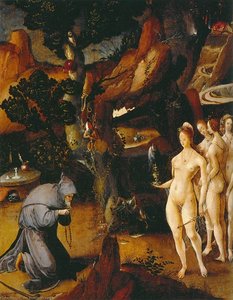
jan wellens de cock
1510 - 1570 , Netherlands
Osnovne informacije
- Artistic Movement Or Style: Early Renaissance
- Artists Or Movements Influenced By This Artist: ['Pre-Raphaelites']
- Artists Who Influenced This Artist: ['Fra Filippo Lippi']
- Date Of Birth: c. 1445
- Date Of Death: 1510
- Full Name: Alessandro di Mariano di Vanni Filipepi
- Nationality: Italian
- Notable Artworks:
- Primavera
- The Birth of Venus
- Adoration of the Magi
- Place Of Birth: Florence, Italy
Povezani članci

Giclée Prints: Archival Quality & Aesthetic Nuances for the Discerning Collector
Explore the world of giclée prints with ArtsDot. Learn about archival quality, aesthetic nuances & investment potential. Expert guidance for discerning art collectors seeking museum-quality reproductions and lasting value.

El Greco: 25 Remek-dela koji definišu Viziju i Duh (Reprodukcije za vaš Dom)
Istražite 25 remek-dela El Greka! Otkrijte priče iza njegovih ikoničnih slika, baroknog stila i duboke spiritualnosti. Reprodukcije vrhunskog kvaliteta za vaš dom na ArtsDot.com.

Transforming Spaces: A Comprehensive Exploration of Wall Decor Through Art History & Contemporary Practice
Explore the art of transforming spaces with our comprehensive guide to wall decor. From historical movements to contemporary trends, discover how to curate impactful interiors and commission bespoke artwork for a truly personalized aesthetic.

Echoes of Time: Exploring the Enduring Appeal & Historical Context of Vintage Art Prints
Explore the captivating world of vintage art prints! Discover their history, collecting tips & enduring appeal. Expert insights on chromolithography and building a legacy collection with ArtsDot.

The Enduring Legacy of Fine Art Prints: Technique, History & Aesthetic Impact
Explore the rich history & techniques of fine art prints. Discover investment potential, assess authenticity, and learn how to preserve your collection with expert guidance. Trusted insights for discerning collectors.

