

 Pregledaj u prostoru
 Pošalji
 Podeli
 Detalji o delu

 Преузми
 Slični predmeti
 Rendgenski snimak
 Slajdovi
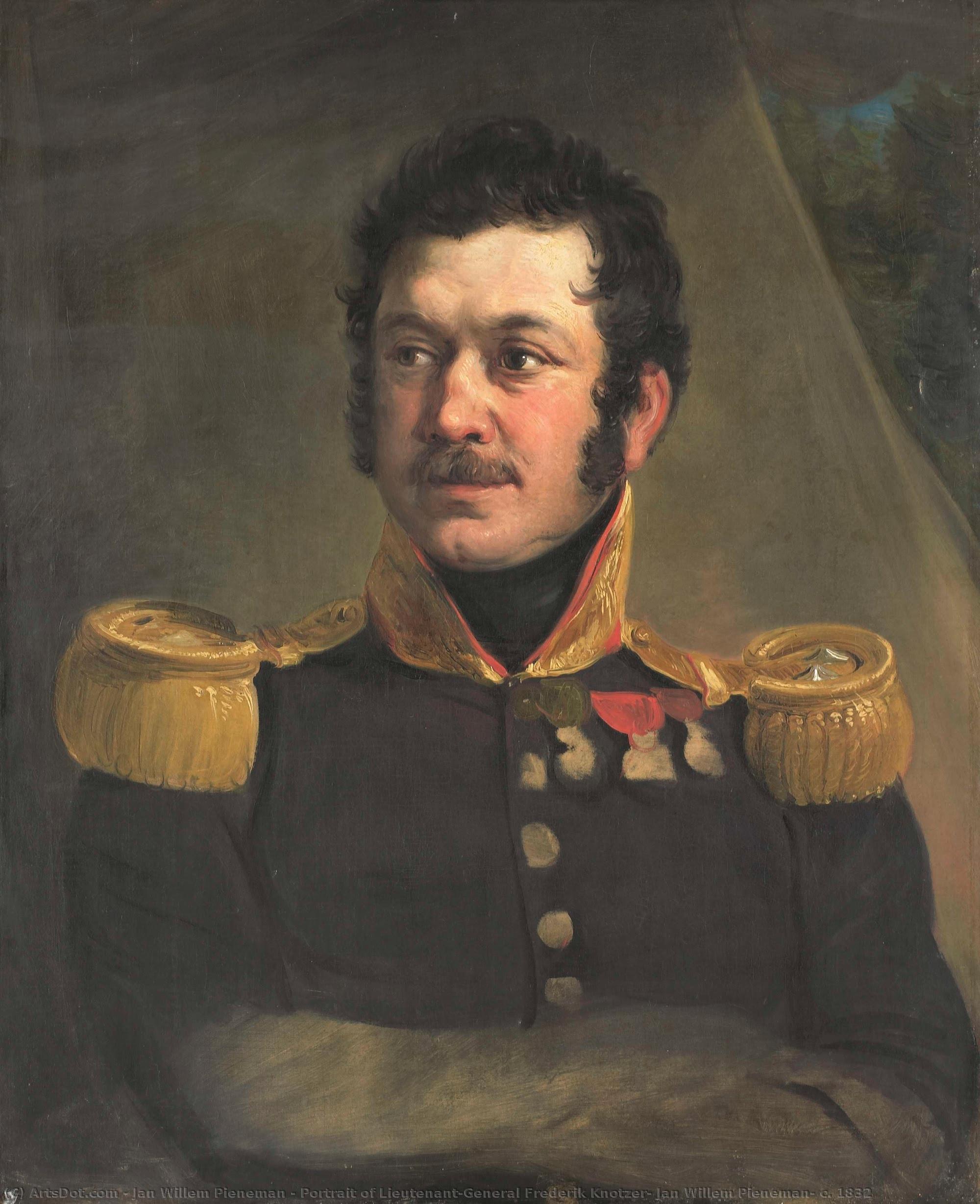
Portrait of Lieutenant-General Frederik Knotzer, Jan Willem Pieneman, c. 1832
 1832
1832 79.0 x 65.0 cm
 Pročitaj više
Ručno rađena uljana reprodukcija
Ručno oslikano uljanim bojama na platnu u dimenzijama i okviru po vašem izboru, izrađeno po porudžbini od strane naših umetnika. ( Kupi print Kupi digitalnu sliku)




































Izaberite jednu od naših unapred definisanih veličina koje odgovaraju originalnim proporcijama umetničkog dela.

Можете унети сопствене димензије како бисте прилагодили дело одређеном оквиру или простору. Ако одабрана величина не одговара пропорцијама оригинала, слика ће бити исечена или проширена додатним елементима који се ручно насликавају. Дигитални prikaz ће вам бити послат на одобрење пре почетка производње.
Имајте на уму да преглед на екрану не одражава стварно исецање или проширење. Само приказ (mockup) ће тачно приказати коначну композицију.
Иако су доступне прилагођене величине, препоручујемо да одаберете димензију из дефинисане листе како бисте сачували оригиналне пропорције.
Nakon narudžbine, tim ArtsDot.com će klijentu putem e-pošte poslati uputstva i dostaviti prikaz predloženog rešenja
Isporuka širom sveta () za 3/4 nedelje umesto uobičajenih 5 nedelja. (29 август). Bez kompromisa po pitanju kvaliteta.

Besplatna ekspresna dostava širom sveta

Visokokvalitetno laneno platno

Kompletno osiguranje transporta

Garancija povraćaja carine i uvoznih dažbina

Garancija vernosti boja

Politika povrata u roku od 60 dana (samo u slučaju nedostataka)

Garancija povrata novca od 100%

Popust pri grupnoj kupovini
 Opcija sa staklom dostupna je samo za dimenzije manje od 110 cm

Portrait of Lieutenant-General Frederik Knotzer, Jan Willem Pieneman, c. 1832
Tehnika reprodukcije
Dimenzije reprodukcije
-


Konačna cena
$ 263
Srodna umetnička dela



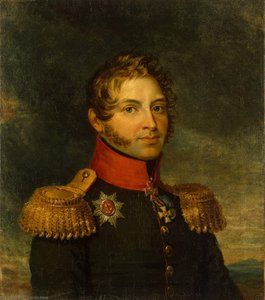

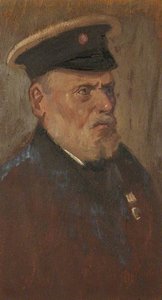

Biografija umetnika
Jan Willem Pieneman: A Dutch Master of Historical Narrative
Jan Willem Pieneman (1779-1853) stands as a pivotal figure in 19th-century Dutch art, celebrated primarily for his monumental historical paintings that captured the spirit and drama of key moments in British and Dutch history. Born in Abcoude, Netherlands, he began his artistic journey with foundational training in wallpaper painting before pursuing formal studies at the Amsterdam Stadstekenacademie, establishing a solid grounding in classical technique. His early career saw him working as a salesman alongside honing his artistic skills—a testament to his pragmatic approach blended with unwavering dedication to art.- Early Influences & Training: Pieneman’s formative years were marked by exposure to the artistic traditions of Amsterdam, where he absorbed stylistic cues from prominent painters of his time. The Stadstekenacademie provided invaluable academic instruction, equipping him with the skills necessary for tackling ambitious historical commissions.
- Appointment at Amersfoort & Artistic Recognition: In 1805, Pieneman secured a prestigious position as drawing instructor at the artillery and engineering training centre in Amersfoort—a role that not only solidified his reputation but also exposed him to the burgeoning intellectual currents of the era.
The Epic Canvas: Painting Battles & Royal Portraits
- Battle Scenes – Waterloo and Quatre Bras: Pieneman’s fame ascended dramatically with his depiction of the Battle of Waterloo (1824) and the heroic defense at Quatre Bras (1806), commissioned by Duke Wellington himself. These canvases exemplify his masterful command of composition, dramatic lighting, and meticulous detail—capturing the visceral energy and strategic complexities of warfare.
- Royal Patronage & Portraiture: Wellington’s admiration for Pieneman led to repeated invitations to England, where he produced portraits of influential figures, including King William IV. His ability to convey character and dignity through portraiture cemented his position as one of the era's foremost portraitists.
Directorate & Artistic Legacy
- Head of the Royal Academy: From 1820, Pieneman served as Director of the Royal Academy of Fine Arts in Amsterdam—a role he held until his death. During this period, he fostered a vibrant artistic environment and nurtured the talents of numerous young artists, notably Jozef Israëls.
- Influence on Rijksmuseum & Artistic Mentorship: He also contributed to the establishment of the Rijksmuseum (later Mauritshuis), initially serving as assistant director. Furthermore, Pieneman’s influence extended beyond formal institutions; he mentored a generation of painters who would become celebrated figures in Dutch art history.
Notable Works & Artistic Style
- Allegory on the Death of William V: His allegorical painting “Allegory on the Death of William V” exemplifies his penchant for conveying complex narratives through symbolic imagery—a hallmark of neoclassical artistic practice.
- Stylistic Characteristics: Pieneman’s paintings are characterized by a meticulous attention to detail, balanced compositions, and a restrained palette dominated by earthy tones. He skillfully employed chiaroscuro – dramatic contrasts between light and dark – to heighten the emotional impact of his scenes.
Concluding Significance Jan Willem Pieneman’s contribution to Dutch art transcends mere technical proficiency; he captured the essence of historical events with profound artistic sensitivity. His paintings continue to resonate today as powerful reminders of pivotal moments in European history and stand as enduring monuments to his artistic vision.
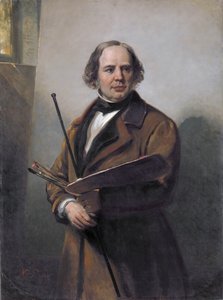
Jan Willem Pieneman
1779 - 1853 , Netherlands
Osnovne informacije
- Artistic Movement Or Style: Neoclassical
- Artists Or Movements Influenced By This Artist: ['Romanticism']
- Artists Who Influenced This Artist: ['']
- Date Of Birth: November 4, 1779
- Date Of Death: April 8, 1853
- Full Name: Jan Willem Pieneman
- Nationality: Dutch
- Notable Artworks:
- Allegory on the Death of William V,
- Self-Sacrifice of Pastor Hambroek on Formosa,
- Battle of Waterloo (detail)
- Portrait of Wellington
- Portrait Study of Arthur Wellesley
- Place Of Birth: Abcoude, Netherlands

