

 Pregledaj u prostoru
 Pošalji
 Podeli
 Detalji o delu

 Преузми
 Slični predmeti
 Rendgenski snimak
 Slajdovi
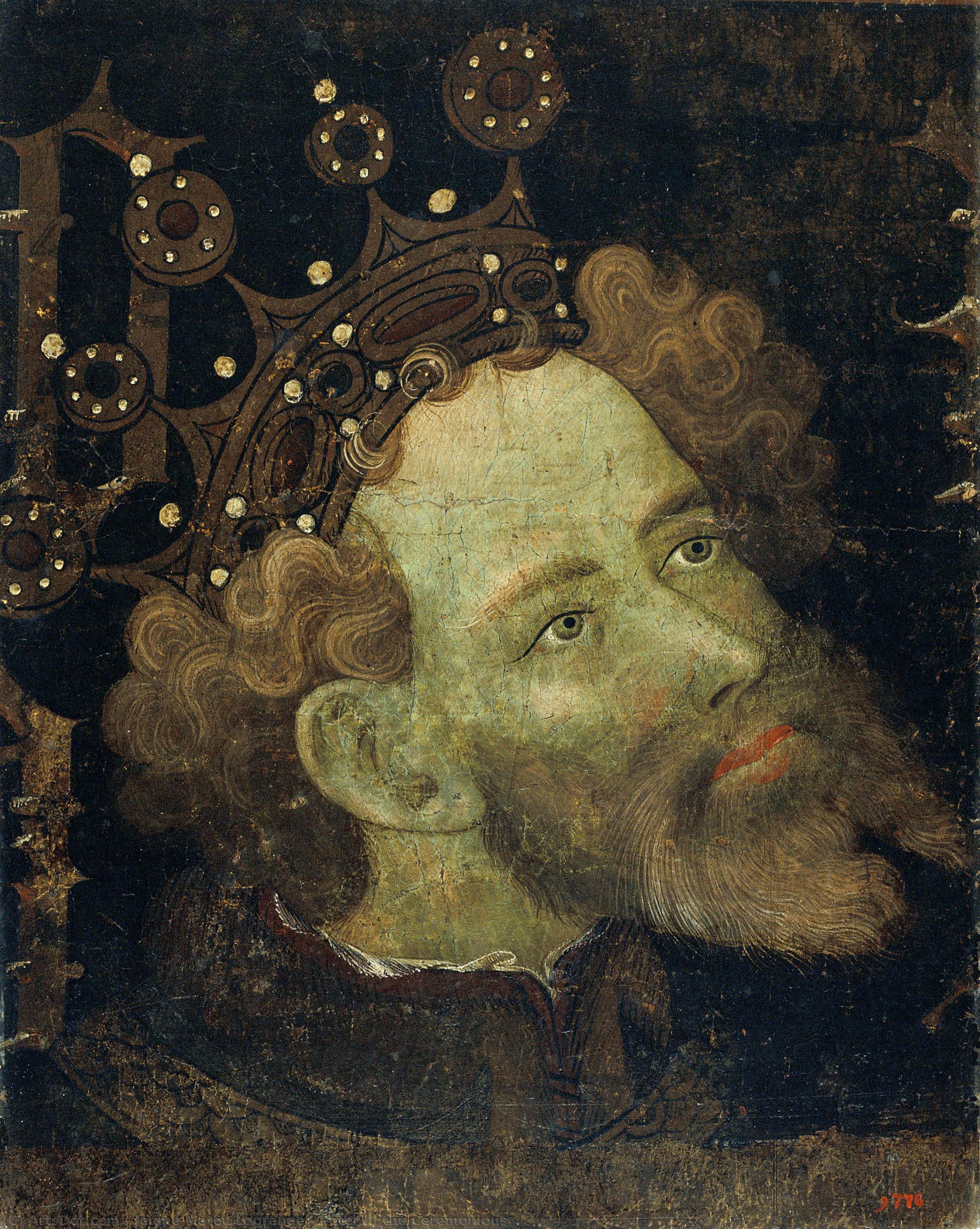
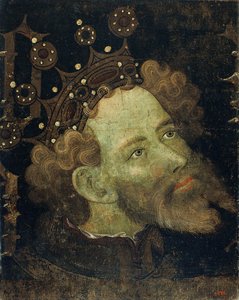
Peter III the Ceremonious
 Tempera On Panel
- Gothic Style
 1427
1427 453.0 x 563.0 cm
 Museu Nacional d'Art de Catalunya
 Pročitaj više
Kupite digitalnu sliku visoke rezolucije i poboljšanog kvaliteta, koja je znatno superiornija od onoga što vidite u online prikazu.
Svaka datoteka je pedantno pripremljena od strane naših stručnjaka koristeći napredne alate i profesionalnu ručnu retušu. Osiguravamo da svaka slika ima izuzetnu oštrinu, preciznu reprodukciju boja i fine detalje.
Konačna datoteka se dostavlja putem e-pošte u roku od 72 sata, optimizovana za neposrednu upotrebu u profesionalnim, izdavačkim i štamparskim okruženjima. To je isti kvalitet kojem veruju vrhunski studiji dizajna, izdavači i galerije.
Digitalna slika
Preuzmite datoteku visoke rezolucije za ličnu upotrebu, štampanje i kreativne projekte. ( Kupi print Kupi ručno naslikanu sliku)
Uključeno uz svaku porudžbinu digitalne slike
Profesionalna digitalna isporuka, zagarantovana
Kada odaberete ArtsDot.com, ne dobijate samo sliku – vi primate profesionalno unapređeno digitalno umetničko delo, izrađeno sa najvećom preciznošću i uz garanciju zadovoljstva. Evo svega što automatski dolazi uz vašu porudžbinu:

Brza dostava putem e-pošte
Vaša digitalna slika visoke rezolucije biće vam poslata putem e-pošte u roku od 72 sata od poručivanja – spremna za trenutnu upotrebu.

Digitalna datoteka unapređena veštačkom inteligencijom
Vaše umetničko delo je profesionalno optimizovano korišćenjem naprednih AI alata i ručne obrade, čime se osiguravaju maksimalni detalji, oštrina i preciznost boja.

Besplatna ponovna isporuka doživotno
Slučajno ste obrisali ili izgubili svoju datoteku? Ne brinite – poslaćemo vam je ponovo u bilo kom trenutku, potpuno besplatno.

Bez troškova uvoza – zauvek
Uživajte u svojim umetničkim delima trenutno, bez carine, dažbina ili troškova dostave – digitalni download je uvek bez poreza.

Garancija vernosti boja
Uz pomoć profesionalnih alata i upravljanja bojama, osiguravamo da vaša digitalna slika što vernije odražava originalne boje.

Garancija zadovoljstva u roku od 60 dana
Ako niste zadovoljni svojom digitalnom slikom, revidirat ćemo je ili vratiti 100% novca u roku od 60 dana – bez ikakvih pitanja.

100% garancija povrata novca
Niste zadovoljni? Obezbedite pun povrat novca u roku od 60 dana od trenutka kada ste primili svoju digitalnu datoteku – bez suvišnih pitanja.

Popusti na velike porudžbine
Kupite 3 slike, uštedite 10% - Kupite 5 slika, uštedite 15% - Kupite 10+ slika, uštedite 20%. Odlično za kreativne projekte, galerije i agencije.
Opis kolekcionarskog dela
Peter III the Ceremonious: A Glimpse into Aragonese Majesty
Jaume Mateu Lagrange’s “Peter III the Ceremonious” is more than just a portrait; it's a window into 14th-century Aragon, capturing a moment of regal power and complex political maneuvering. Painted in 1427, this work offers a compelling study of a king known for his meticulous attention to ceremony and his often fraught relationship with the nobility. The painting’s presence is immediately striking – its substantial size (453 x 563 cm) commands attention, drawing the viewer into the world of Peter III. Lagrange's skill lies in conveying not just physical likeness but also a sense of the king's personality: serious, perhaps even burdened by the weight of his crown and responsibilities.
Historical Context & The Reign of Peter III
To truly appreciate this portrait, one must understand the turbulent era it depicts. Peter III reigned from 1336 until his death in 1387, a period marked by constant power struggles within Aragon and numerous military campaigns across the Mediterranean. He was known as "El Ceremoniós" – The Ceremonious – reflecting his insistence on upholding royal protocols and asserting his authority against powerful nobles who frequently challenged his rule. The painting itself is one of four panels that once adorned the Council Chamber of Valencia City Hall, a testament to Peter’s importance within the region. The fact that these panels are among the few surviving remnants from a larger series speaks volumes about their historical significance and the fragility of artistic heritage – a poignant reminder echoed in Wikipedia's mention of Reynolds’ portrait destroyed by fire.
Artistic Technique & Symbolism
Lagrange employs a traditional tempera on wood technique, characteristic of Gothic painting. The meticulous detail evident in the crown—its intricate design and gleaming surface—demonstrates the artist’s mastery of his craft. The dark background serves to isolate Peter III, focusing all attention on his figure and emphasizing his regal status. His attire is richly detailed, indicative of royal splendor, while his serious expression conveys a sense of gravitas and perhaps even weariness. The beard and mustache, meticulously rendered, add to the king’s distinguished appearance. Beyond the purely representational aspects, subtle symbolism may be present. The crown itself represents not only power but also the burdens of leadership. Peter's direct gaze suggests both authority and a certain vulnerability – an invitation for the viewer to contemplate the complexities of his reign.
Emotional Resonance & Enduring Appeal
“Peter III the Ceremonious” evokes a sense of quiet dignity and historical weight. It’s not a flamboyant or overtly emotional portrait; rather, it's a restrained depiction of power tempered by responsibility. The painting invites contemplation on themes of leadership, legacy, and the challenges faced by rulers throughout history. The work’s enduring appeal lies in its ability to transport viewers back to 14th-century Aragon, offering a glimpse into the life of a complex historical figure. Whether admired for its artistic merit or appreciated as a window into a fascinating period of European history, this painting remains a compelling and evocative masterpiece.
Srodna umetnička dela
Biografija umetnika
The Echoes of '85: A Portrait of a Rising Star
Born in 1985, the artist’s early life unfolded against a backdrop of burgeoning musical and visual innovation – a year saturated with both youthful exuberance and profound cultural shifts. While often shrouded in relative anonymity during his formative years, a deep dive into his artistic trajectory reveals a consistent thread: an exploration of memory, identity, and the fragmented nature of experience, all rendered through a strikingly contemporary lens. His work isn’t simply about replicating images; it's about channeling feeling, capturing a specific mood, and inviting viewers to engage in a dialogue with the past.
Initially drawn to the raw energy of early 90s grunge and the burgeoning electronic music scene, the artist’s style began to coalesce around a fascination with texture and layering. Early pieces were characterized by bold, almost jarring color palettes and a deliberate rejection of traditional representational techniques. Influences ranged from the Neo-Expressionist paintings of Anselm Kiefer – particularly his use of symbolic materials – to the fragmented narratives of early 80s New Wave cinema. The impact of ‘1985 in Art’—a year marked by significant shifts in art world discourse, including the opening of Charles Saatchi's collection and the rise of Neo-Expressionism—is palpable in his stylistic choices, a subtle nod to the era that continues to inform his approach.
The Influence of Sound: Music as Muse
Music has always been inextricably linked to the artist’s creative process. The 1985 rock music timeline – a period defined by iconic singles like Madonna's "Like A Virgin," Run-DMC's “King Of Rock,” and Tears For Fears’ “Everybody Wants To Rule The World” – served as a crucial catalyst for his artistic development. The layered production, the emotional intensity, and the sheer sonic experimentation of these tracks resonated deeply with him, prompting him to translate those auditory experiences into visual equivalents. He frequently cites the rhythmic complexity of hip-hop beats and the atmospheric textures of synth-pop as primary sources of inspiration, often incorporating elements of sound design – manipulated samples, distorted audio – into his paintings.
The artist’s fascination with sonic landscapes extends beyond mere imitation; he actively seeks to evoke a sense of atmosphere and mood through color, composition, and brushwork. His use of contrasting textures—smooth gradients alongside rough impasto—mirrors the juxtaposition of sounds in a complex musical arrangement. The influence of bands like Joy Division and New Order is evident in his exploration of melancholy and introspection, while the energy of punk rock finds expression in his more dynamic and chaotic works.
A Palette of Memory: Recurring Themes
Despite stylistic shifts over time, certain recurring themes consistently surface in the artist’s work. Memory—particularly the unreliable nature of recollection—is a central preoccupation. Many pieces feature fragmented imagery, blurred outlines, and distorted perspectives, suggesting that visual representations are inherently subjective and prone to alteration. The 1985 Wikipedia article on “1985 in Art” highlights events like the Huntington Library fire, which destroyed Reynolds’ portrait – a potent symbol of lost history and the fragility of artistic legacy. This event deeply impacted the artist, fueling his interest in exploring themes of preservation, decay, and the passage of time.
Identity is another key motif. The artist often depicts figures that are both recognizable and ambiguous, suggesting a struggle to define oneself within a rapidly changing world. His portraits rarely offer straightforward representations; instead, they present fragmented glimpses into the inner lives of his subjects, inviting viewers to project their own interpretations onto the canvas. The influence of artists like Howard Hodgkin, whose work explores themes of place and memory, is particularly evident in this regard.
Recent Developments & Legacy
In recent years, the artist has begun to incorporate elements of digital art into his practice, experimenting with techniques such as collage and mixed media. He continues to be influenced by contemporary music—particularly electronic genres like techno and house—and often incorporates visual references to fashion and pop culture. His work is currently exhibited at galleries across Europe and North America, garnering critical acclaim for its originality and emotional depth.
While he remains a relatively private individual, the artist’s impact on contemporary art is undeniable. His distinctive style—characterized by layered textures, evocative color palettes, and a profound engagement with themes of memory and identity—has resonated with a wide audience. He stands as a testament to the power of artistic exploration, demonstrating how seemingly disparate influences can coalesce into a uniquely compelling vision.
jaume mateu lagrange
1985 - , Mexico
Kratke činjenice
- Date Of Birth: 1985
- Date Of Death: Living
- Place Of Birth: WahooArt

