

 Pregledaj u prostoru
 Pošalji
 Podeli
 Detalji o delu

 Преузми
 Slični predmeti
 Rendgenski snimak
 Slajdovi
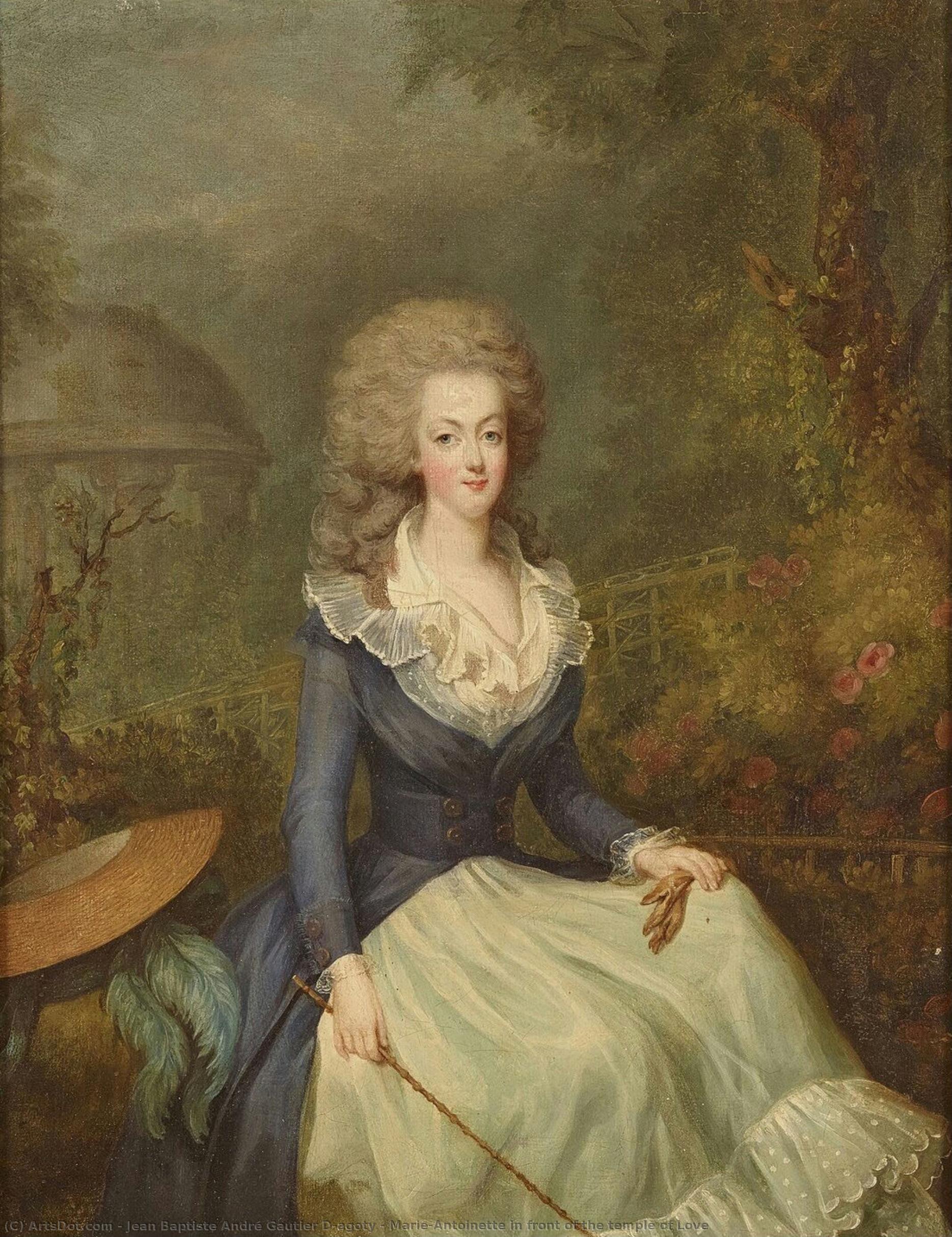
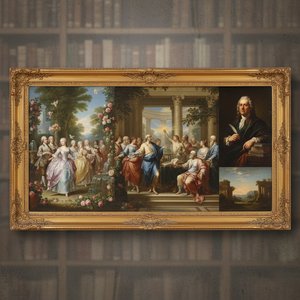
Marie-Antoinette in front of the temple of Love


 Pročitaj više
Ručno rađena uljana reprodukcija
Ručno oslikano uljanim bojama na platnu u dimenzijama i okviru po vašem izboru, izrađeno po porudžbini od strane naših umetnika. ( Kupi print Kupi digitalnu sliku)




P118B $10

P118H $10

P118W $10

P438Z $10

P508JH $12

P508YH $12

P805H $10

P805Z $10

P919BZ $10

P919G $10

P919XJ $10

P959ZH $10

P968JZ $12

W106C $8

W218G $10

W218JH $8

W218Y $10

W307PJ $10

W316G $10

W316PJ $8

W316Y $10

W398PJ $8

W4111J $10

W500HY $15

W500JH $15

W692G $12

W849H $8

W940BG $15

W953PJ $8




Izaberite jednu od naših unapred definisanih veličina koje odgovaraju originalnim proporcijama umetničkog dela.

Можете унети сопствене димензије како бисте прилагодили дело одређеном оквиру или простору. Ако одабрана величина не одговара пропорцијама оригинала, слика ће бити исечена или проширена додатним елементима који се ручно насликавају. Дигитални prikaz ће вам бити послат на одобрење пре почетка производње.
Имајте на уму да преглед на екрану не одражава стварно исецање или проширење. Само приказ (mockup) ће тачно приказати коначну композицију.
Иако су доступне прилагођене величине, препоручујемо да одаберете димензију из дефинисане листе како бисте сачували оригиналне пропорције.
Nakon narudžbine, tim ArtsDot.com će klijentu putem e-pošte poslati uputstva i dostaviti prikaz predloženog rešenja
Isporuka širom sveta () za 3/4 nedelje umesto uobičajenih 5 nedelja. (7 септембар). Bez kompromisa po pitanju kvaliteta.

Besplatna ekspresna dostava širom sveta

Visokokvalitetno laneno platno

Kompletno osiguranje transporta

Garancija povraćaja carine i uvoznih dažbina

Garancija vernosti boja

Politika povraćaja u roku od 100 dana (isključivo u slučaju nedostataka)

Garancija povrata novca od 100%

Popust pri grupnoj kupovini
 Opcija sa staklom dostupna je samo za dimenzije manje od 110 cm

Marie-Antoinette in front of the temple of Love
Tehnika reprodukcije
Dimenzije reprodukcije
-


Konačna cena
$ 263
Marie-Antoinette in Front of the Temple of Love – A Rococo Reverie
Jean Baptiste André Gautier d’Agoty's 1780 painting, “Marie-Antoinette in front of the Temple of Love,” is more than a portrait; it’s a carefully constructed tableau vivant, a glimpse into the opulent world and burgeoning romanticism of late 18th-century France. The artwork captures the Queen not as a stern ruler, but as a youthful, almost ethereal figure immersed within the meticulously designed gardens of her Petit Trianon retreat at Versailles. This intimate scene, rendered in the delicate pastel hues characteristic of Rococo style, speaks volumes about Marie Antoinette’s evolving role and personal desires – a world far removed from the political machinations of the court.
A Symphony of Rococo Style
D'Agoty masterfully employs the tenets of Rococo art to create an atmosphere of playful elegance and sensual delight. The composition is dominated by curving lines, soft colors—pale pinks, blues, and greens—and a profusion of floral motifs. These elements are not merely decorative; they actively contribute to the painting’s overall mood of lightness and pleasure. Notice how the folds of Marie Antoinette's dress flow seamlessly into the surrounding foliage, blurring the boundaries between figure and landscape. The artist’s meticulous attention to detail is evident in every brushstroke, from the delicate rendering of the Queen’s lace collar to the intricate patterns of the garden’s flowers. This technique, layering thin glazes of paint, builds up luminosity and depth, creating a remarkably tactile surface.
Symbolism Within the Garden
The Temple of Love itself—a small, classical temple nestled within the Trianon gardens—is laden with symbolic meaning. Originally commissioned by Louis XIV as a private retreat for his mistress, Madame de Montespan, it represented a space dedicated to love and pleasure. Marie Antoinette’s presence before this monument suggests her own desire for romantic fulfillment, a yearning that contrasted sharply with the rigid constraints of royal life. The surrounding garden, overflowing with flowers and fountains, further reinforces this theme, evoking images of abundance, fertility, and the idealized beauty of nature – values deeply cherished by the Queen. The inclusion of statues depicting mythological figures—often associated with love and desire—adds another layer to the painting’s symbolic richness.
Historical Context and Artistic Influences
To understand the significance of “Marie-Antoinette in front of the Temple of Love,” it's crucial to consider its historical context. The late 18th century witnessed a shift away from the formality of the Baroque period, with artists increasingly embracing a more intimate and emotionally expressive style. D’Agoty was influenced by the work of Francisco Meléndez, a Spanish master known for his still-life paintings that captured the beauty of everyday objects in a contemplative manner. His earlier anatomical engravings, showcasing meticulous detail and scientific precision, demonstrate a remarkable technical skill that he later applied to portraiture. The painting reflects a broader trend toward portraying royalty not as distant figures of authority, but as relatable human beings with personal desires and aspirations – a shift mirroring the changing social dynamics of the era.
This artwork offers a captivating window into the private world of Marie Antoinette, revealing her desire for beauty, pleasure, and perhaps even escape from the pressures of her role. It’s a testament to D'Agoty's artistic skill and his ability to capture not just a likeness, but also the very essence of a moment in time.
Srodna umetnička dela

Povezani članci
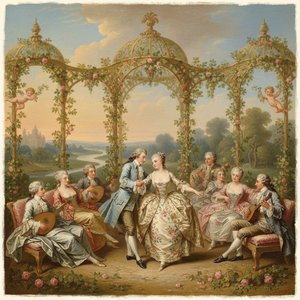
Jean-Baptiste Pater: Rococo Charm & Ephemeral Beauty of 18th-Century France
Explore the captivating world of Jean-Baptiste Pater, a master of Rococo painting. Discover his elegant *fête galante* scenes and shimmering portraits – a glimpse into 18th-century French aristocracy. Learn about his legacy & find high-quality reproductions.

Rokoko: 10 Remek Dela Koja Su Definisala Eleganciju i Ukus
Otkrijte 10 remek dela koja su definisala rokoko umetnost! Uronite u svet Boucher-a, Watteau-a i Fragonarda. Istorija, stil i inspiracija za vaš dom. Kvalitetne reprodukcije i kuratorski odabiri na ArtsDot.com!

The Rococo Aesthetic: Opulence, Rebellion & the Pursuit of Pleasure in 18th-Century Art
Explore the opulent world of Rococo art! Discover its origins, key artists like Watteau & Boucher, and lasting influence on design. Expert insights for collectors & enthusiasts.
The Allure of Elegance in Art: A Historical & Aesthetic Exploration of Refinement & Grace
Explore the exquisite world of Rococo art! Discover its history, masters (Watteau, Boucher & more), and defining elegance. Expert insights for collectors seeking museum-quality reproductions & custom portraits.
Illuminating the Enlightenment: A Comprehensive Exploration of 18th-Century Painting
Explore the captivating world of 18th-century painting! Discover Rococo's playful elegance & Neoclassicism’s Enlightenment ideals with expert insights into Fragonard, David, and more. A comprehensive guide for art enthusiasts.