 Pregledaj u prostoru
 Pošalji
 Podeli
 Detalji o delu

 Преузми
 Slični predmeti
 Rendgenski snimak
 Slajdovi
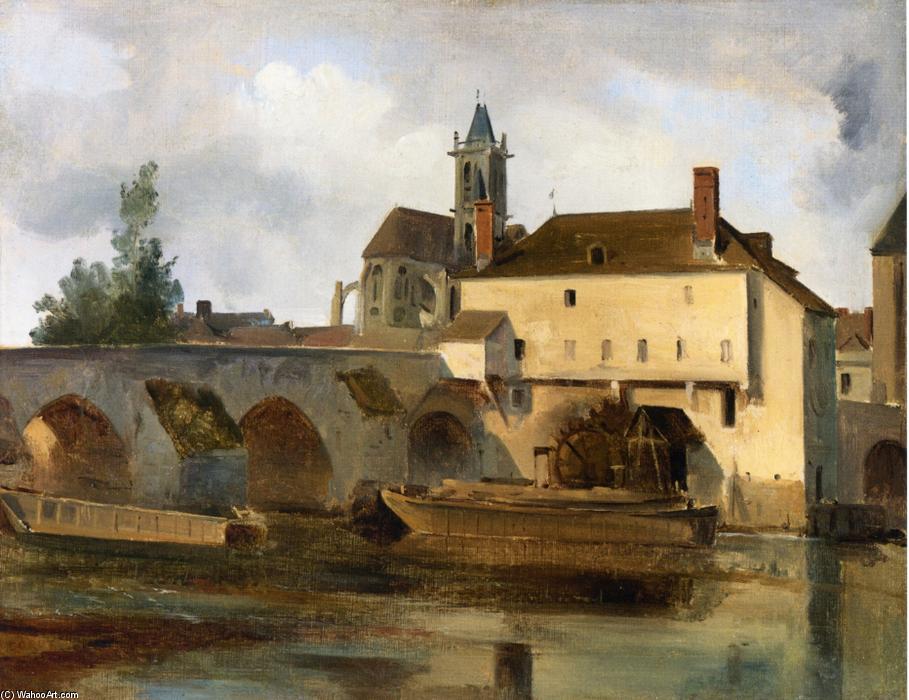
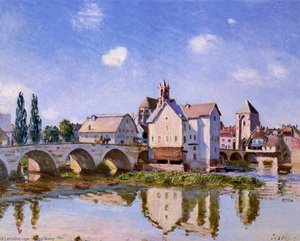
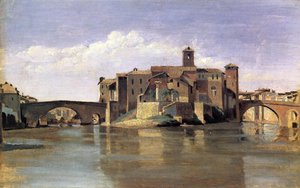
Moret sur Loing, the Bridge and the Church


 Pročitaj više
Giclee štampa / Umetnički otisak
Giclée štampa ili print na platnu muzejskog kvaliteta uz brzu proizvodnju i fleksibilne opcije završne obrade. ( Kupi ručno naslikanu sliku Kupi digitalnu sliku)




P118B $10

P118H $10

P118W $10

P438Z $10

P508JH $12

P508YH $12

P805H $10

P805Z $10

P919BZ $10

P919G $10

P919XJ $10

P959ZH $10

P968JZ $12

W106C $8

W218G $10

W218JH $8

W218Y $10

W307PJ $10

W316G $10

W316PJ $8

W316Y $10

W398PJ $8

W4111J $10

W500HY $15

W500JH $15

W692G $12

W849H $8

W940BG $15

W953PJ $8




Izaberite jednu od naših unapred definisanih veličina koje odgovaraju originalnim proporcijama umetničkog dela.

Možete uneti sopstvene dimenzije kako biste umetničko delo prilagodili specifičnom okviru ili prostoru. Ako odabrani format ne odgovara proporcijama originalne slike, mi ćemo ili iscrtati deo dela ili proširiti sliku pomoću ogledane ivice ili jednobojnog popunjavanja. Digitalni prikaz će vam biti poslat na odobrenje pre početka proizvodnje.
Imajte na umu da pregled na ekranu ne odražava stvarno iscrtavanje ili proširivanje. Samo će prikaz (mockup) precizno pokazati finalnu kompoziciju.
Iako su prilagođene dimenzije dostupne, preporučujemo da odaberete dimenziju sa unapred definisane liste kako biste očuvali originalne proporcije.
Dostava širom sveta () za 2 nedelje umesto uobičajenih 4/5 nedelja. (31 август)

Besplatna ekspresna dostava širom sveta

Visokokvalitetno laneno platno

Kompletno osiguranje transporta

Garancija povraćaja carine i uvoznih dažbina

Garancija vernosti boja

Politika povrata u roku od 60 dana (samo u slučaju nedostataka)

Garancija povrata novca od 100%

Popust pri grupnoj kupovini
 Opcija sa staklom dostupna je samo za dimenzije manje od 110 cm

Moret sur Loing, the Bridge and the Church
Giclee štampa / Umetnički otisak
Dimenzije reprodukcije
-


Konačna cena
$ 62
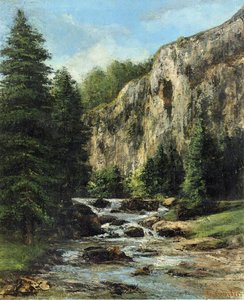
The Little Valley
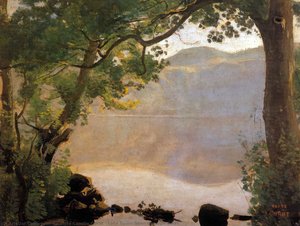
Jean-Baptiste Camille Corot’s “Moret sur Loing,” painted in 1822, stands as an emblem of the Barbizon School's aesthetic—a movement that championed direct observation of nature and eschewed academic conventions. This serene landscape captures the essence of Moret-sur-Loing, nestled along the confluence of the Seine and Loing rivers, offering a glimpse into rural French life during Corot’s formative years.- Subject Matter: The painting depicts a picturesque valley bathed in soft sunlight, dominated by rolling hills covered in lush vegetation—primarily grasses and shrubs—creating an idyllic pastoral scene.
- Style & Technique: Corot employed his signature technique of “plein air” painting, applying thin layers of oil paint with delicate brushstrokes to achieve remarkable tonal gradations and atmospheric perspective. The artist’s masterful handling of light is particularly noteworthy, conveying a palpable sense of tranquility and warmth.
- Historical Context: Painted during Corot's early career, “Moret sur Loing” reflects the Barbizon School’s rejection of idealized representations favored by Neoclassical artists. Instead, it embraced realism—albeit imbued with poetic sensibility—capturing the beauty of the natural world as perceived by artists who sought to reconnect with tradition and escape the constraints of Parisian artistic circles.
- Symbolism: The valley itself symbolizes harmony and simplicity—values central to Barbizon ideals. The gentle slopes, dappled sunlight, and vibrant greenery evoke feelings of peace, contemplation, and connection to the rhythms of nature.
- Subject Matter: The painting portrays a traditional windmill—a prominent feature of Montmartre’s agricultural heritage—standing proudly amidst undulating hillsides dotted with trees.
- Style & Technique: Unlike his earlier works, “A Windmill in Montmartre” demonstrates Corot's mastery of tonal modulation and atmospheric haze, achieved through meticulous blending and layering of oil paint. The artist skillfully captures the diffused light filtering through the clouds, creating a luminous effect that enhances the painting’s emotional impact.
- Historical Context: Painted during Corot’s mature artistic phase—a time marked by experimentation with color and technique—the windmill scene reflects the Barbizon School's fascination with capturing fleeting moments of beauty in rural landscapes.
- Emotional Impact: The painting evokes feelings of nostalgia for a bygone era—a reminder of France’s agricultural traditions and its connection to the natural world. Its serene composition invites viewers to immerse themselves in the contemplative atmosphere of Montmartre’s countryside.
- Subject Matter: The painting portrays a sailboat gliding away from the riverbank—a common sight in Parisian harbors during Corot’s lifetime—accompanied by a woman and child seated on board.
- Style & Technique: “Le Batelier Quittant La Rive Avec Une Femme Et Un Enfant Assis Dans Sa Barque, Soleil Couchant 2” showcases Corot's refined technique of tonal blending and atmospheric perspective—achieved through meticulous layering of oil paint to create a luminous effect that captures the subtle nuances of twilight.
- Historical Context: Painted during Corot’s later years—a period marked by experimentation with color and texture—the seascape reflects the Barbizon School's fascination with portraying dramatic landscapes under changing conditions.
- Emotional Impact: The painting evokes feelings of wistfulness and contemplation—expressing the beauty of fleeting moments in nature and capturing the melancholic mood of sunset over the Seine.
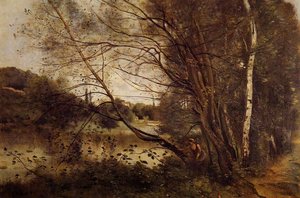
- Subject Matter: The painting portrays fishermen diligently pursuing eels in a tranquil pond—reflecting Corot’s fascination with capturing the rhythms of rural life during his excursions abroad.
- Style & Technique: “The Eel Gatherers” demonstrates Corot's masterful handling of tonal modulation and atmospheric haze—achieved through subtle blending and layering of oil paint to convey a sense of serenity and realism.
- Historical Context: Painted during Corot’s mature artistic phase—a time marked by experimentation with color and technique—the eel gathering scene embodies the Barbizon School's commitment to portraying landscapes as perceived by artists who sought to reconnect with tradition and escape the constraints of Parisian artistic circles.
- Emotional Impact: The painting evokes feelings of peace and contentment—expressing the beauty of rural simplicity and capturing the tranquil atmosphere of a sunlit pond.
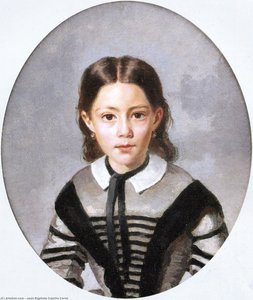
- Subject Matter: The painting portrays a young girl engrossed in reading—a symbol of intellectual curiosity and feminine grace—within the serene setting of her home.
- Style & Technique: “Young Girl Reading” showcases Corot’s masterful handling of tonal modulation and atmospheric perspective—achieved through subtle blending and layering of oil paint to convey a sense of realism and emotional depth.
- Historical Context: Painted during Corot’s later years—a time marked by experimentation with color and texture—the portrait reflects the Barbizon School's fascination with portraying human subjects in landscapes—capturing their inner lives alongside the beauty of the natural world.
- Emotional Impact: The painting evokes feelings of warmth, tenderness, and contemplation—expressing the serenity of domestic life and capturing the quiet beauty of a sunlit interior.
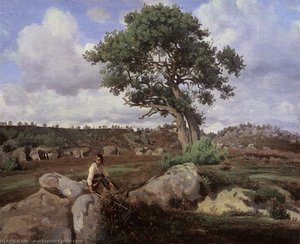
- Subject Matter: The painting portrays a single tree—a symbol of resilience and solitude—standing majestically amidst lush foliage—capturing the beauty of natural detail with meticulous precision.
- Style & Technique: “Study of a Tree” demonstrates Corot’s masterful handling of tonal modulation and atmospheric perspective—achieved through subtle blending and layering of oil paint to convey a sense of realism and emotional depth.
- Historical Context: Painted during Corot’s later years—a time marked by experimentation with color and texture—the tree study embodies the Barbizon School's commitment to portraying landscapes as perceived by artists who sought to reconnect with tradition and escape the constraints of Parisian artistic circles.
- Emotional Impact: The painting evokes feelings of peace, contemplation, and admiration for the grandeur of nature—expressing the serenity of rural solitude and capturing the beauty of natural detail.
- Subject Matter: The painting portrays a bridge crossing the Seine—a prominent feature of Mantes’ riverside landscape—illuminated by dappled sunlight
Srodna umetnička dela


Biografija umetnika
Život Uronut u Svetlost i Krajolik
Žan-Batist Kamil Korote, čije se ime odjekuje kroz mirnu lepotu francuskog pejzažnog slikarstva 19. veka, rođen je u Parizu, u porodici uglednih građanskih zanatlija, 16. jula 1796. Iako je prvobitno bio usmeren ka trgovačkoj karijeri, sudbina – i možda urođena umetnička osetljivost – je intervenisala. Njegove rane godine bile su obeležene neobičnim odrastanjem; do svoje četvrte godine bio je prepružen na starateljsku negu u blizini L’Izl-Adama, gde je razvio duboku vezu sa prirodom koja će neizbrisivo oblikovati njegov umetnički viziju. Ovo prvobitno uranjanje u ruralni spokoj stajalo je u oštroj suprotnosti sa užurbanim gradskim životom koji ga je čekao, ali je postavilo temelj za celoživotnu težnju da uhvati prolazne kvalitete svetlosti i atmosfere. Njegovi roditelji, uspešni proizvođači perika, obezbedili su mu finansijsku stabilnost, omogućavajući mu slobodu da istražuje svoju naglašenu strast prema slikanju nakon neuspešnog pokušaja u trgovačkoj karijeri – retku privilegiju za ambiciozne umetnike tog doba. Ova podrška bila je ključna, jer mu je omogućila da se potpuno posveti umetničkom obrazovanju bez neposrednih pritisaka zarade za život.Od Akademskih Temelja do Inovacija na Otvorenom
Koroteovo formalno umetničko obrazovanje započelo je studijama kod Akil Etna Mišalona i kasnije Žan-Viktor Bertina, oba ugledni pejzažni slikari duboko ukorenjeni u neoklasičkoj tradiciji. Ovo mu je ulilo pažljiv pristup kompoziciji i obliku, naglašavajući jasnoću i strukturu. Međutim, Korote nije bio zadovoljan samo reprodukcijom uspostavljenih stilova; žudio je za nečim autentičnijim, načinom da prenese ne samo *šta* vidi, već i *kako* se oseća kada je uronjen u krajolik. Ključni trenutak nastupio je prvim putovanjem u Italiju 1825. godine. Kampanja oko Rima, okupana zlatnom svetlošću i prožeta istorijom, razbuktala je njegovu maštu. Proveo je godine skicirajući i slikajući na otvorenom – direktno iz prirode – praksa koja je tada bila relativno neobična. Ova posvećenost direktnoj opservaciji omogućila mu je da uhvati suptilne nijanse svetlosti i senke, nežne atmosferske efekte koji bi postali zaštitni znaci njegovog stila. On nije samo beležio topografske detalje; nastojao je da izazove raspoloženje, osećaj mira i harmonije. Njegovi raniji italijanski radovi pokazuju jasnoću oblika i živopisnu paletu inspirisanu klasičnim idealima, ali već nagoveštavaju mekši, evokativniji pristup koji će definisati njegov zreli stil. On je pažljivo proučavao majstore, kopirajući njihova dela u rimskim galerijama, ali je uvek filtrirao ta iskustva kroz svoju sve osetljiviju percepciju prirode.Most Između Tradicija
Koroteov umetnički razvoj nije bio linearan; bila je to nežna ravnoteža između tradicije i inovacije. Redovno je izlagao na Salonu u Parizu, prvobitno dobijajući priznanje za dela zasnovana na neoklasičnim konvencijama. Međutim, kako je nastavio da istražuje slikanje na otvorenom, njegov stil je počeo da se razvija. Odmakao je od detaljnih kompozicija i prešao na slobodniji potez kista i prigušeniju paletu boja. Ova promena nije bila odbacivanje akademskih principa u potpunosti; umesto toga, bila je to pokušaj da ih ispuniti neposrednošću i emocionalnom rezonancijom direktne opservacije. Postao je majstor tonalizma, koristeći suptilne varijacije vrednosti kako bi stvorio dubinu i atmosferu. Njegovi pejzaži nisu bili o dramatičnim pričama ili grandioznim gestovima; bili su o tišini kontemplacije, lepoti svakodnevnih scena – šumskoj čistini, suncem okupanoj livadi, mirnoj rečnom obali. Ovaj pristup je odjeknuo kod sve veće publike koja je tražila utehu od brze industrijalizacije i društvenih nemira 19. veka u Francuskoj. On je uspešno mešao elemente realizma sa gotovo poetskom osetljivošću, stvarajući pejzaže koji su se činili istovremeno poznatim i duboko ličnim. Nije bio zainteresovan za grandiozne izjave ili političke komentare; njegova umetnost je bila o pronalasku lepote u običnom, uzdizanje svakodnevnog u sferu smirene kontemplacije.Nasleđe i Trajni Uticaj
Žan-Batist Kamil Koroteov uticaj na buduće generacije umetnika je neprocenjiv. On je bio ključna veza između neoklasične tradicije i nastajućeg impresionističkog pokreta. Umetnici poput Moneta, Pisara i Sisleja duboko su poštovali njegovu sposobnost da uhvati prolazne efekte svetlosti i atmosfere, i gradili su na njegovim inovacijama u svom revolucionarnom radu. Korote nije bio samo prethodnik impresionizma; on je bio jedinstven i značajan umetnik po sebi. Njegova ogromna produkcija – obuhvatajući pejzaže, portrete i studije figura – nastavlja da očarava publiku svojom smirenom lepotom i emocionalnom dubinom. Njegova dela se mogu pronaći u glavnim muzejima širom sveta, uključujući Musée des Beaux-Arts u Dunkerku i Musée Courbet u Ornans, Francuska, kao i Nacionalnu galeriju u Londonu i Muzej umetnosti Metropoliten u Njujorku. Umro je 22. februara 1875. godine, ostavivši iza sebe nasleđe koje nastavlja da inspiriše umetnike i ljubitelje umetnosti – svedočanstvo o trajnoj moći svetlosti, krajolika i tihe kontemplacije. The Repose, Interrupted Reading i Agostina ostaju ikonični primeri njegove majstorije, pokazujući njegovu sposobnost da uhvati fizički svet i unutrašnji život svojih subjekata sa izuzetnom osetljivošću i gracioznošću. Njegov uticaj se proteže izvan slikarstva; on je podsticao duh umetničke slobode i ohrabrio mlade umetnike da pronađu svoj glas, čime je učvrstio svoje mesto kao ključne figure u istoriji umetnosti.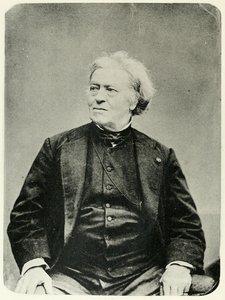
Žan-Batist Kamil Korote
1796 - 1875 , Француска
Osnovne informacije
- Datum Rođenja: 16. jul 1796.
- Datum Smrti: 22. februar 1875.
- Mesto Rođenja: Pariz, Francuska
- Nacionalnost: Francuski
- Pokreti/Umetnici Pod Uticajem:
- Monete
- Pisaro
- Sisli
- Puno Ime: Žan-Baptist Kamil Korote
- Umetnički Pokret: Realizam, impresionizam
- Uticajni Umetnici:
- Mišalon
- Bertin
- Značajna Dela:
- Repoz
- Sakupljanje jegulja